






NASA Administrator Jared Isaacman named veteran engineer Stephen Cash as the next director of Marshall Space Flight Center on Friday, October 16, 2026. The appointment sends Cash back to Huntsville, Alabama, to lead the installation where his aerospace career started more than forty years back. The National Aeronautics and Space Administration confirmed that his assignment becomes effective on Monday, October 19, 2026, following a notice distributed by NASA release officer Gerelle Q Dodson [1]. The move sets leadership for lunar hardware development as deep space exploration enters a demanding flight test phase [3].
Executive Transition at Redstone Arsenal
Cash takes charge at Redstone Arsenal after decades of work on liquid rocket engines and heavy boosters. Local reports by reporter Taylor Mitchell for WHNT and parent company Nexstar Media, Inc. revealed that Isaacman informed staff about the decision on Friday afternoon [3]. Cash replaces Rae Ann Meyer. Meyer had guided Marshall as acting center director starting in Sept. 2025 after earlier serving as deputy center director and associate director to keep programs steady through flight reviews. She will now resume her post as deputy director under Cash at the Huntsville campus [1].
Isaacman praised the incoming director during the announcement, citing his background with flight crews and rocket hardware [1]. Reports from Mirage News showed the administrator’s confidence in Cash’s readiness for high-stakes decisions [2]. “Steve Cash is a Marshall legend, has spent his career around the hardware, the people and has been in the seat before making the decisions when human spaceflight is on the line,” Isaacman said [1]. He said Cash brings direct insight into human spaceflight risks as missions venture deeper into space [2]. NASA relies on that judgment as Artemis lunar missions approach crewed flight tests. Meyer received gratitude from Isaacman for maintaining program continuity during the leadership transition [1].

Shuttle Propulsion Under Steve Cash
Cash first joined Marshall in 1982. He spent 34 years rising through engineering leadership posts in NASA human spaceflight programs. During that span, he managed the Space Shuttle Propulsion Office, directing the main engines, propellant tanks, and solid rocket boosters through the final flights of the shuttle fleet. Those flight systems carried dozens of astronaut crews into orbit safely [1].
In 2011, Cash became director of the Safety and Mission Assurance Directorate at Marshall, serving in that post until his agency retirement in 2016. He oversaw quality engineering, system risk analysis, and safety protocols for payload integration and flight hardware testing on the Alabama campus. After leaving NASA, Cash worked in the private aerospace market, serving as vice president for advanced systems at contractor Axient. In 2024, the Alabama Engineering Hall of Fame inducted him in recognition of his service to national spaceflight and propulsion engineering [1].
Regional broadcaster WAFF 48 reported that Steve Cash also led the Marshall retirees association as its president before accepting this reappointment [4]. Technology publication HiTech.Expert identified the new leader as Steven Cash and highlighted the Marshall Center role in propulsion engineering [5]. Cash spoke about his return with personal affection for his colleagues and their shared achievements. “It is a profound honor to be back home at the Marshall Space Flight Center,” Cash said. “I am humbled to stand alongside the brilliant minds here as we continue to turn the impossible into everyday history.” [1]
Workforce Scale Under Stephen Cash
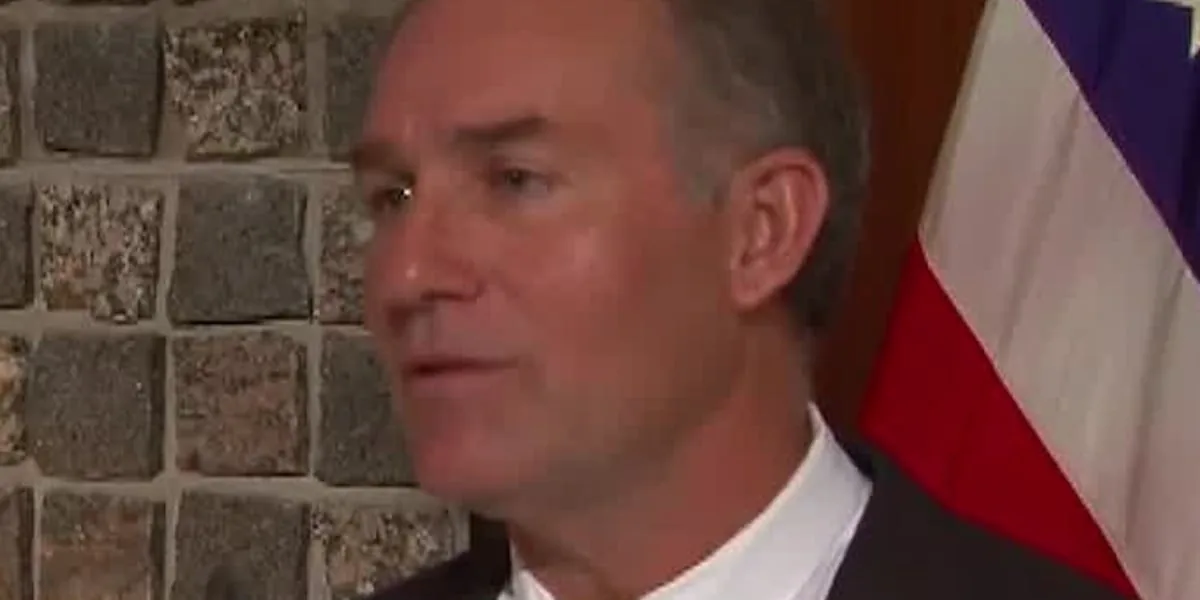
As center director, Stephen Cash oversees one of the largest field centers in NASA, supervising a workforce of over 5,000 civil servants and contractors who manage propulsion, space systems, scientific research, and hardware development. Amit Kshatriya, serving as associate administrator and chief engineer for NASA, said the strength of the center rests on its technical staff and their opportunities for hands-on design and testing. “Leading a NASA center requires a commitment to its people and to the technical capabilities entrusted to them,” Kshatriya said. “Steve understands that the jewel of Marshall is its workforce and that engineering excellence is sustained by giving talented people the opportunity to design, build, test, and learn through hands-on work.” That emphasis on engineering skill aligns directly with agency leadership initiatives seen in the acting deputy chief engineer assignment announced earlier for veteran astronaut Christina Koch [1].
Kshatriya said that Marshall will continue strengthening its core engineering disciplines, including manufacturing, structural loads, dynamics, and propulsion systems. These engineering capabilities underpin the exploration portfolio of the entire agency [1]. Peter Panetta said on LinkedIn that Cash brings valuable continuity to these programs after decades of work on site in Huntsville [6].

Role in Artemis Exploration
Marshall serves as the lead NASA development center for the Space Launch System (SLS) rocket, directing the heavy booster designed to carry astronaut crews beyond low Earth orbit to lunar orbit. The center also manages the Human Landing System Program, which develops lunar landing craft with commercial aerospace contractors. Stephen Cash steps into his directorship as the Artemis campaign prepares for crewed lunar voyages. Propulsion testing on Alabama test stands remains essential for flight safety because rocket stages must perform reliably thousands of miles away from Earth without ground maintenance [1].
Why did NASA choose the name Artemis for its lunar program? The agency selected the name Artemis because in ancient Greek mythology she was the twin sister of Apollo, linking the historic lunar landings of the 1960s to modern lunar missions. Marshall engineers in Huntsville designed the Saturn V rockets for Apollo, and now their successors build the core stage and booster hardware for Artemis flights [1].

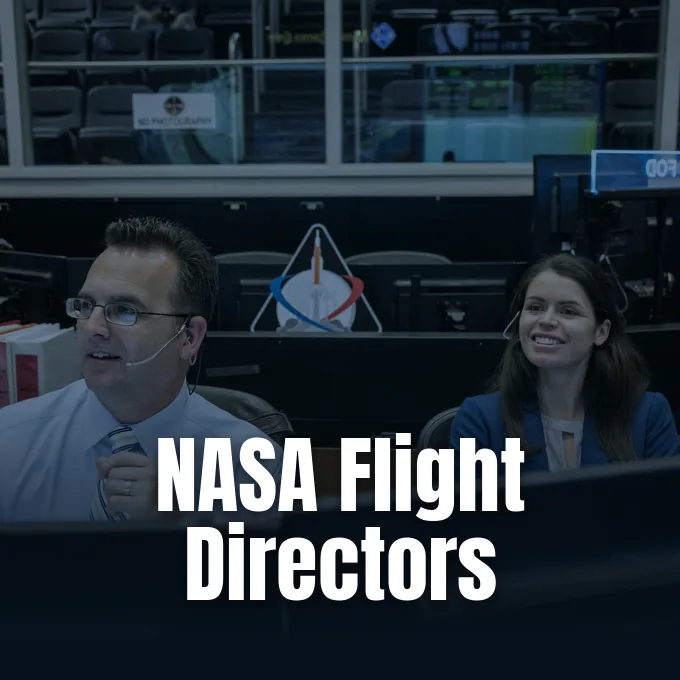
Flight crews heading for the lunar surface depend on propulsion systems tested and validated on Alabama test stands at Marshall. Decision-making during launches demands sound judgment, an area where Isaacman said Cash built his reputation. Agency teams link these hardware programs with spaceflight operations, such as ongoing flight director selection for deep space missions. Clear engineering judgment ensures that problems encountered during ground tests are resolved before astronauts board the flight vehicle. Headquarters contacts George Alderman and Cheryl Warner in Washington, along with Lance Davis at Marshall in Huntsville, issued official release notices detailing these wide-ranging connections [1].
Advanced Propulsion and Nuclear Power
Beyond lunar exploration, Marshall spearheads NASA research into nuclear thermal and nuclear electric propulsion systems to provide higher fuel efficiency than conventional chemical boosters. Shorter flights reduce astronaut exposure to radiation hazards during deep space voyages. NASA views nuclear propulsion as a central priority for future human journeys to Mars. Cash will guide these propulsion activities while advancing ongoing Artemis hardware fabrication at Marshall [1].
Engineers building nuclear reactors for spacecraft encounter complex challenges that require strict thermal safeguards and new fuel materials. Testing these engines safely requires specialized facilities and close coordination between civilian researchers and commercial contractors. Cash brings decades of experience with dangerous propellants and high-pressure rocket testing, giving him the background needed to guide these experimental projects. His aerospace background helps bridge laboratory concepts with working flight hardware, ensuring that developmental engines meet rigorous agency standards before proceeding into full orbital demonstrations [1].
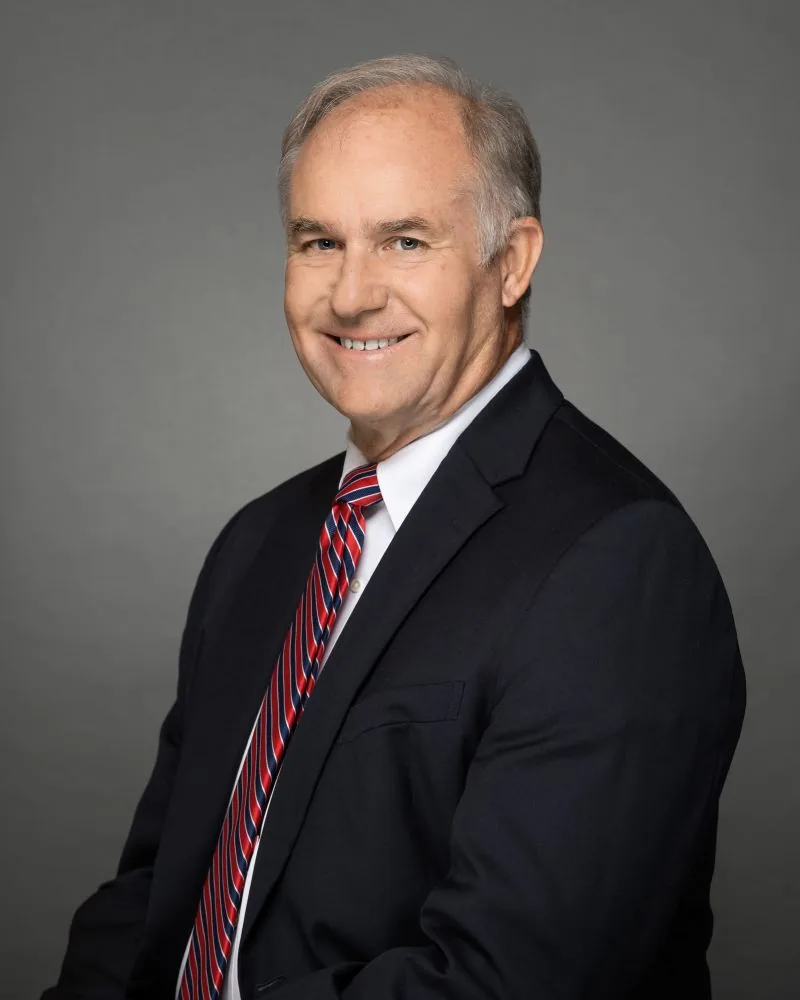
Isaacman pointed to advanced propulsion and nuclear energy as defining challenges for the upcoming decade at Marshall. “As Marshall continues its critical role in Artemis and takes on new challenges in advanced propulsion, nuclear power, and the systems that will carry us deeper into the solar system, Steve brings the experience, technical judgment, and mission focus needed to lead the center into that next chapter,” Isaacman stated. Cash must balance these future development initiatives with the immediate flight requirements of upcoming Artemis launches. Long-range planning will determine how fast nuclear propulsion transitions from research labs to interplanetary spacecraft [1].
Marshall Center History
Established in 1960, Marshall has served as the backbone of American space propulsion for over six decades. The center was named in honor of General George C. Marshall and quickly took responsibility for building the massive Saturn rockets that propelled Apollo astronauts to the Moon. That history cemented the Alabama installation as NASA’s primary center for heavy propulsion engineering [1].
During the shuttle era, Marshall managed propulsion systems for 135 space missions. Today, the center combines this historic expertise with modern manufacturing methods to prepare for long-duration spaceflight. Marshall teams continue to shape the hardware that will carry astronauts back to the Moon and onward to Mars by developing lightweight composites and testing high-thrust engines. Stephen Cash now steps into the director’s office with the task of preserving that legacy while delivering next-generation propulsion systems for deep space exploration [1].
- PRESS RELEASE Alderman, G., Warner, C., & Davis, L. (2026, October 16). NASA names Stephen Cash Marshall Space Flight Center director. NASA. [Article Link]
- ONLINE NEWS Mirage News. (2026, October 16). NASA names Stephen Cash Marshall Center director. [Article Link]
- ONLINE NEWS Mitchell, T. (2026, October 16). NASA names new Marshall Space Flight Center director. Yahoo Tech. [Article Link]
- ONLINE NEWS WAFF 48. (2026, October 16). Steve Cash named new director of Marshall Space Flight Center. [Article Link]
- ONLINE NEWS HiTech.Expert. (2026, October 16). NASA appoints new head of Marshall Space Flight Center: return of a legend. [Article Link]
- WEBSITE Panetta, P. (2026, October 16). NASA Administrator Jared Isaacman has named Stephen Cash as the new director of NASA’s Marshall Space Flight Center. LinkedIn. [Article Link]
APA 7: PerEXP Teamworks. (2026, October 17). NASA names Stephen Cash Marshall Space Flight Center director. PerEXP Teamworks.


