





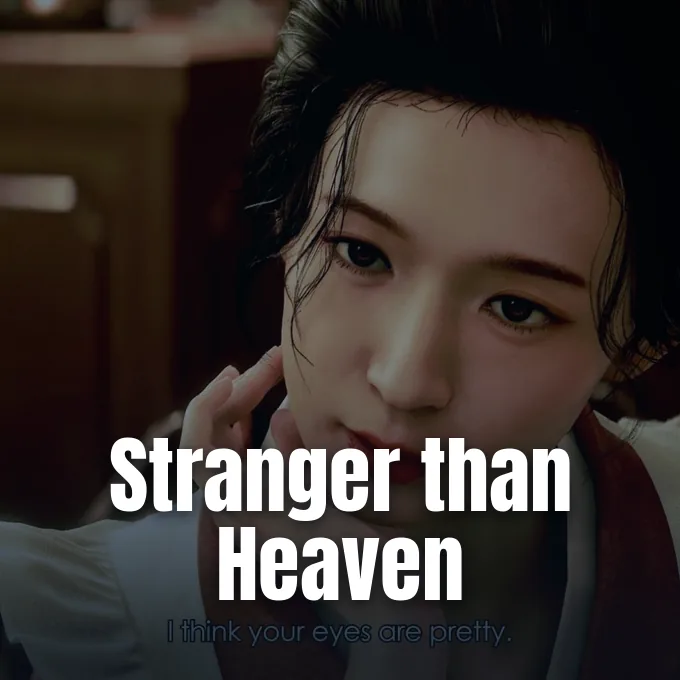
Sega and developer Ryu Ga Gotoku Studios began streaming a new Stranger Than Heaven trailer on Friday for their upcoming action game, previously known under the codename “Project Century” [1, 5]. The video marks the first chapter preview, titled “Act 1: Kokura Story Trailer,” introducing protagonist Makoto Daito as he flees early twentieth-century California for Japan [1, 3]. Sega described the overarching story as “A 50-year saga of those with nowhere to go and their desperate struggle to find a home”. The game arrives on January 15, 2027, for PlayStation 5, Xbox Series X|S, and Steam on PC, with day-one access on Xbox Game Pass for console and PC subscribers [1, 3]. It’s the first multi-era period drama from RGG Studio since expanding the Like a Dragon universe [1].
Following the Stranger Than Heaven Trailer to Kokura
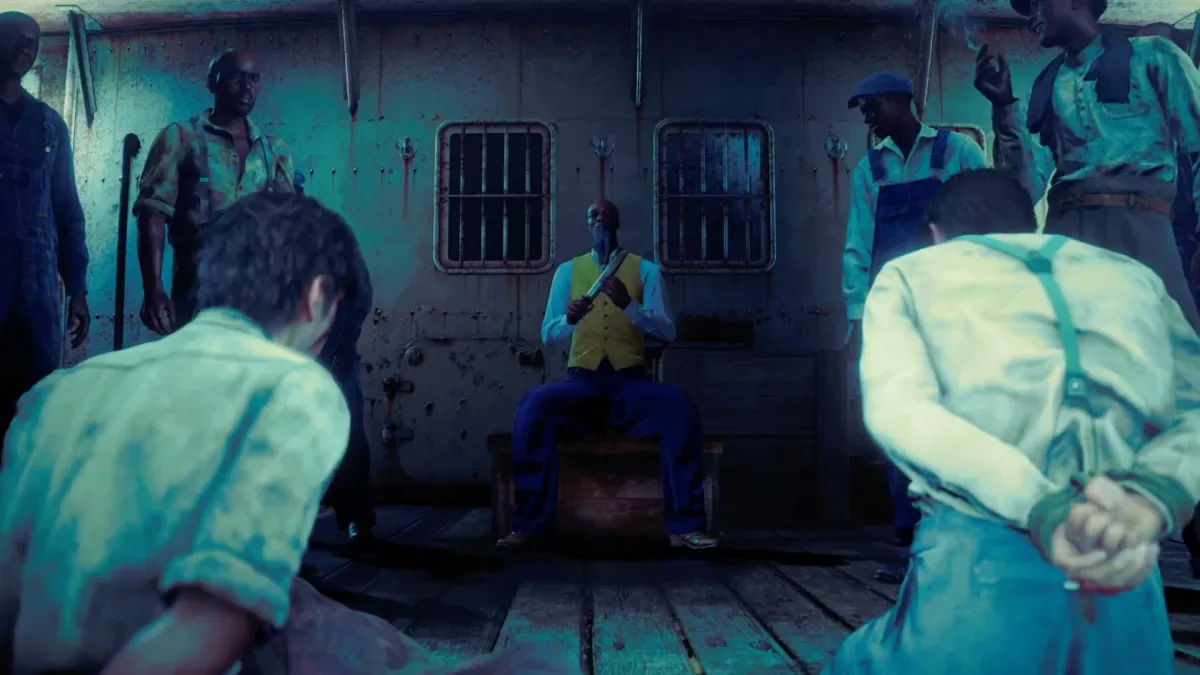
Makoto Daito’s journey starts in 1915 San Francisco. Born to an American father and a Japanese mother, he loses both parents early in life and endures harsh discrimination because of his Asian heritage, prompting him to sneak into the harbor under cover of night to seek shelter in his mother’s ancestral homeland. He boards the trading merchant Orpheus’ ship, known as the “ghost ship”. Orpheus doesn’t offer free passage, so Makoto must plead for transit across the Pacific Ocean [1, 4]. Sega said Makoto soon learns his voyage is anything but a “free ride” [1].
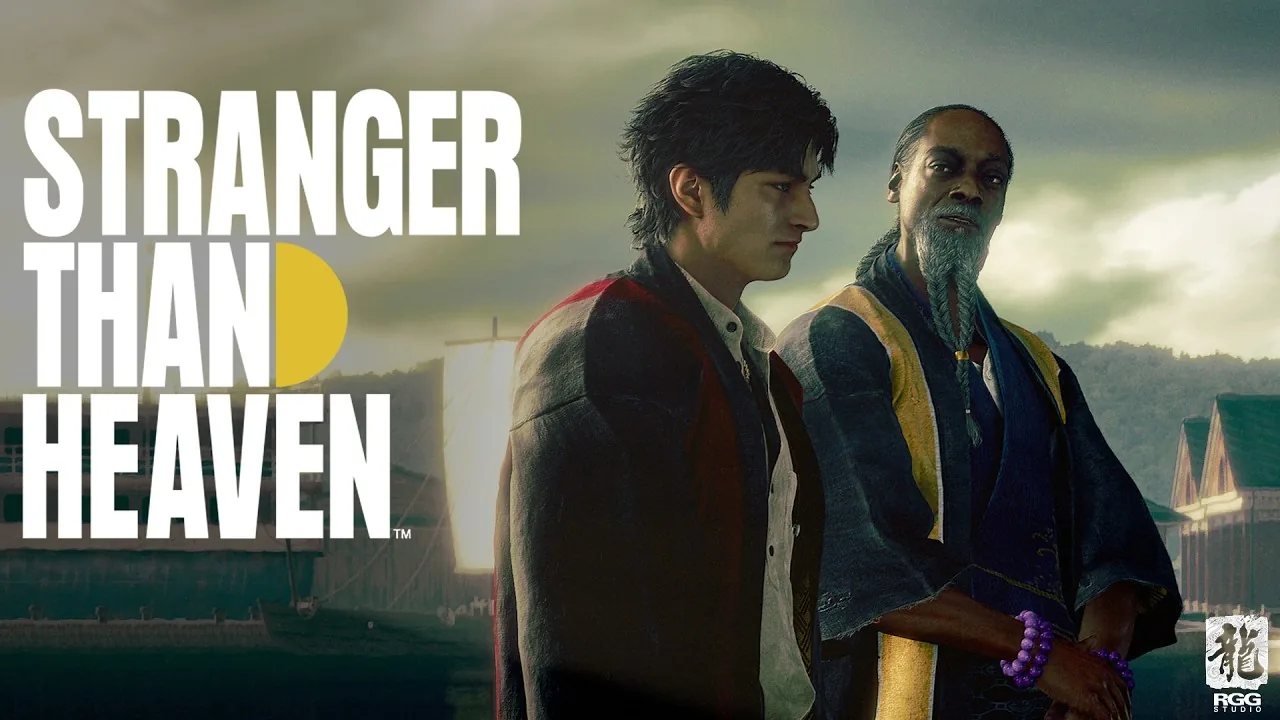
Below deck, Makoto meets fellow stowaway Yu Shinjo. Shinjo soon becomes his closest companion. The video shows Makoto learning how to rap from Snoop Dogg’s character, Orpheus, before the vessel docks in Kokura, Fukuoka Prefecture. In Kokura, both boys encounter harsh street poverty [3, 5]. Hardship tests their resolve. To make a living, Makoto works as a street showman, using performance to secure his footing in an unfamiliar society [1, 3]. He isn’t welcomed warmly. He relies on quick wits and musical talent to survive on the crowded docks [3, 4].
Sega structured the Stranger Than Heaven Act 1 video as the first in a set of multiple trailers previewing five eras [2, 3]. Mikhail Madnani at RPG Site reported that staff writer Josh and sister site Respec writer Alex previously evaluated Daito’s early narrative arc. It’s an opening designed to ground Makoto’s journey before the timeline advances [3].

Why the Stranger Than Heaven Trailer Begins in 1915
The narrative spans five decades from 1915 to 1965. Five cities host the story [4]. Kokura serves as the introductory stage, capturing northern Kyushu during the Taisho era. The second act jumps to the naval port of Kure, Hiroshima Prefecture, in 1929, followed by Osaka’s Minami district in 1943 as wartime mobilization reaches its peak [1]. Each chapter introduces new criminal factions and entertainment quarters reflecting the social realities of the period [4].
Reconstruction sets the backdrop for the fourth act in the seaside resort town of Atami, Shizuoka Prefecture, in 1951. The saga concludes in 1965 within Tokyo’s Shinjuku ward, specifically inside the fictional neighborhood of Kamurocho (modeled on the real-world Kabukicho entertainment district). Kamurocho serves as the iconic setting for RGG Studio’s Yakuza and Like a Dragon games. Setting the story in these five cities allows the writers to trace underground economies through half a century of national change [1, 4].
Starting in 1915 gives players a ground-level view of how urban life transformed between the First World War and the mid-1960s. In earlier previews of the 50-year saga, writers explained how Daito’s evolving age reflects these shifts across five decades. Alliances forged in Taisho-era Kokura carry consequences that reach into 1965 Tokyo [1, 4]. It doesn’t treat history as mere wallpaper [1].

Cast Members and Archival Likenesses
The voice cast brings together Japanese actors and international musicians across major narrative roles. Yū Shirota voices protagonist Makoto Daito, performing alongside Moeka Hoshi as Tae Matsumoto, Tori Kelly as Suzy Day, Akio Ōtsuka as Heigo Yashima, and Tokuma Nishioka as Kiyoshi Otsuru. Additional cast members include Satoshi Fujihara as Takashi, Cordell Broadus as The Veiled Stranger, Ado as Keiko Shirai, Kouhei Tsuji, and Takaya Kuroda, who portrays Kazuma Kiryu in the flagship series [1].
Actor Yasukaze Motomiya also joined the cast following his work in Like a Dragon Gaiden: The Man Who Erased His Name and the live-action Nihon Touitsu series. The most striking character design is Genzo Iwaki, whose appearance was digitally modeled on the late actor Bunta Sugawara, with vocal performance by Takashi Ukaji. Sega said it received consent from Sugawara’s family to recreate his likeness. Toei Company Ltd., which produced Sugawara’s classic film series Battles Without Honor and Humanity, provided archival photographs and footage so RGG Studio could craft the character model [1].
American hip-hop figures also appear in the narrative. Snoop Dogg plays Orpheus, while the game includes a digital depiction of late rapper Tupac Shakur [1, 5]. Wesley LeBlanc at Game Informer reported that studio leadership addressed the controversial decision to incorporate Shakur’s likeness in an interview conducted ahead of the Stranger Than Heaven trailer release [5]. Furthermore, Snoop Dogg, Tori Kelly, Ado, and Satoshi Fujihara collaborated to perform the game’s official theme song, titled “Stranger Than Heaven,” which will receive an independent music release this year [1].
Limb Combat via Controller Triggers
Beyond its storyline, the game introduces mechanics that diverge from typical brawlers. Makoto possesses strong musical talent, allowing players to collect environmental sounds from market stalls, harbor docks, and street musicians in each city. Players can assemble these audio recordings into original songs at recording venues later in the campaign. It’s a system that lets players craft music tracks as Makoto works as an entertainer in Kokura [1, 4].
Combat introduces a distinct limb-control scheme mapped to controller triggers. In battle, players command each arm and leg separately through the gamepad’s top triggers, timing punches, parries, and kicks rather than pressing standard attack buttons [4]. Game Informer reported that these fights blend rhythmic timing with street brawling, producing a tactile rhythm [5]. Players won’t just mash buttons; they must balance both sides of Daito’s body to win [4].
These sound-gathering and combat mechanics reinforce Makoto’s journey through entertainment quarters. Players aren’t simply punching rival gangsters; they’re gathering acoustic texture from each city to build a musical career. That rhythmic gameplay ties into the showmanship themes, giving players reasons to explore Kokura’s market alleys and harbor fronts [3, 4].
Platforms and Game Pass Access
Sega will release Stranger Than Heaven on January 15, 2027, for PlayStation 5, Xbox Series X|S, and PC via Steam [1, 3, 4]. The launch supports the Xbox Play Anywhere program, enabling cross-progression and shared purchases between PC and Xbox consoles. It will also arrive on Xbox Game Pass on day one, letting subscribers start the 1915 Kokura campaign without buying a standalone copy upfront [1, 3].
The game is also inspiring a live-action film adaptation currently in development at Netflix. This follows a busy period for Ryu Ga Gotoku Studio, which released Yakuza Kiwami 3 & Dark Ties on February 12 across PlayStation 5, PlayStation 4, Nintendo Switch 2, Xbox Series X|S, and Steam. That release combined a remake of Yakuza 3 with a new standalone adventure [1].
Sega plans to share more era trailers over the coming months to detail Kure, Osaka, Atami, and Shinjuku [1, 3]. As the first preview in this multi-part rollout, the Kokura video establishes Daito’s origins before his story spans half a century [2, 3]. With limb-based combat, detailed city recreation, and a star-studded cast, the game presents a fresh direction for Ryu Ga Gotoku Studio ahead of its early 2027 release [1, 4].
- ONLINE NEWS Hodgkins, C. (2026, October 17). Stranger Than Heaven Game Streams Story Trailer for 1st Act ‘Kokura’. Anime News Network. [Article Link]
- ONLINE NEWS Gematsu. (2026, October 16). STRANGER THAN HEAVEN ‘Act 1: Kokura’ story trailer. Gematsu. [Article Link]
- ONLINE NEWS Madnani, M. (2026, October 16). Stranger Than Heaven Act 1: Kokura Story Trailer released. RPG Site. [Article Link]
- ONLINE NEWS Joshua, O. (2026, October 16). Stranger Than Heaven Trailer Highlights Kokura Act And Makoto Daito’s Journey To Japan. Noisy Pixel. [Article Link]
- ONLINE NEWS LeBlanc, W. (2026, October 16). Stranger Than Heaven: Snoop Dogg Teaches Protagonist Makoto How To Rap In New Story Trailer. Game Informer. [Article Link]


