






Google released the Fitbit Edge on October 26, 2026, positioning the $179 fitness tracker as a successor to the Charge 6. It adds an AMOLED screen, a physical button, and an altimeter [1]. While an earlier Fitbit Edge tracker preview traced its initial teaser, full reviews show that Google dropped NFC contactless payments to keep the casing compact. Outlets like Tom’s Guide, Engadget, and 9to5Google spent two weeks testing the device to see how it performs against both the Charge 6 and the screenless Fitbit Air [1, 2, 3].
Fitbit Edge Casing Updates
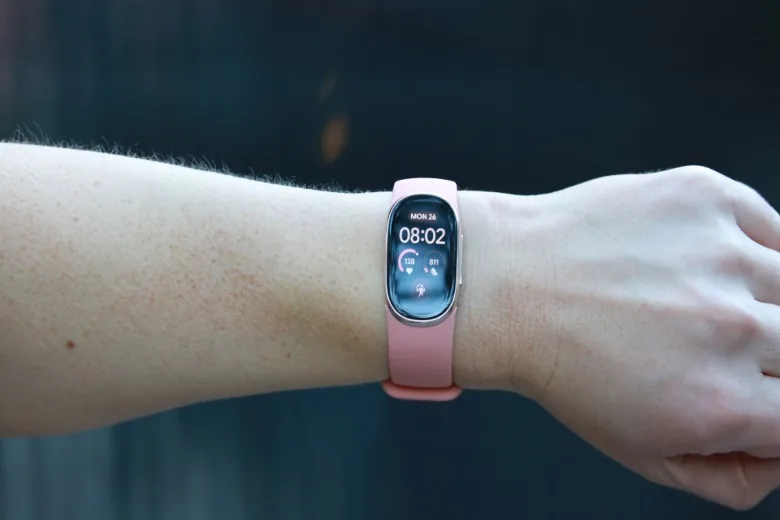
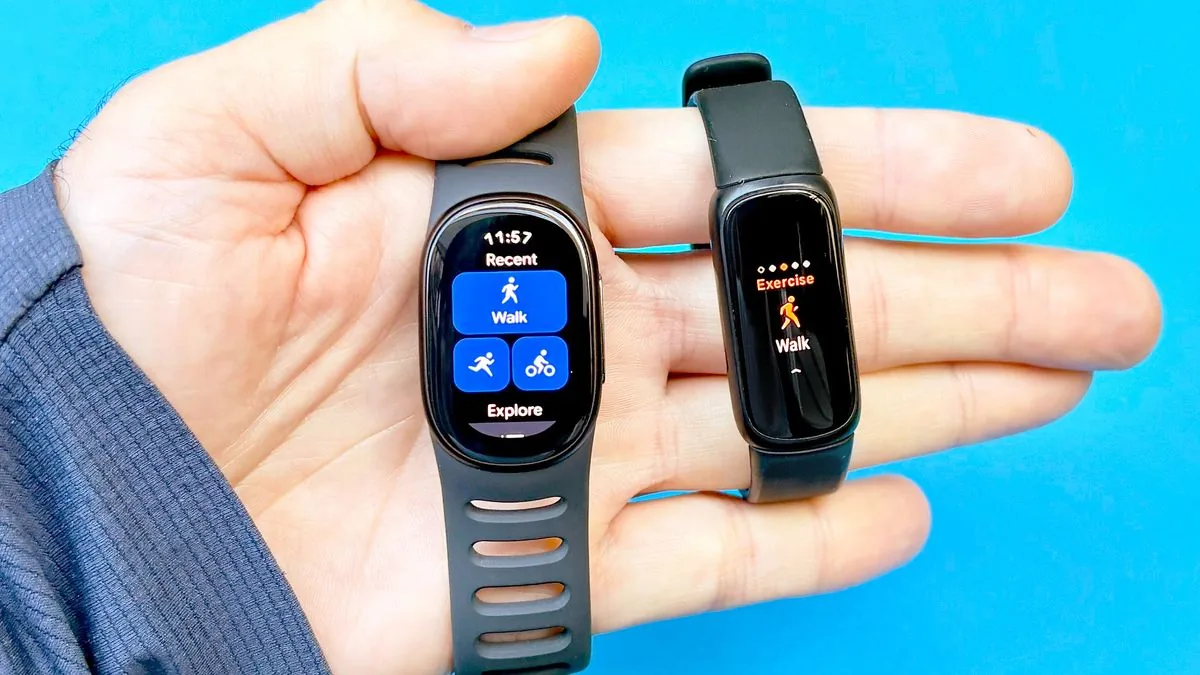
The Google Fitbit Edge features an aluminum casing measuring 39.2 by 25.6 by 11.6 millimeters, making it slightly taller than the 36.7-millimeter Charge 6. It weighs 32 grams [1]. Cherlynn Low tested the device for Engadget and compared its curves to earlier fashion trackers like the Fitbit Alta and Fitbit Luxe. She said that the rounded housing stayed out of the way during pushups and planks, avoiding the wrist pinch common with wider smartwatches like the Apple Watch. Wrist bends never triggered the side control [2].
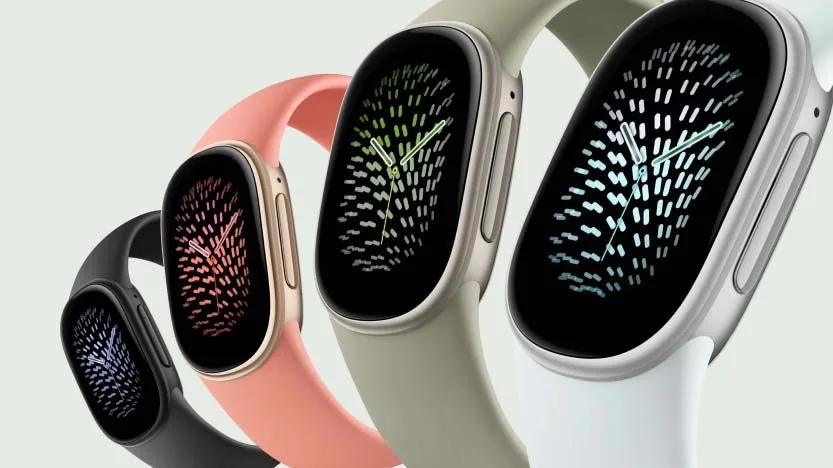
Google sells cases in Matte Black with Obsidian, Satin Silver with Fog, Satin Pyrite with Olive, and Champagne Gold with Canyon [1]. Shoppers can pair them with a $219 Stephen Curry band, a $150 gold Metal Links strap, a magnetic band with stainless steel lugs, or simple woven fabric straps [2]. Ben Schoon tested the silver Fog model for 9to5Google. He said the stock Active band picks up pet hair and unlatched twice during everyday use, dropping from his wrist once overnight and once while walking inside his house [3].
Water protection reaches 50 meters under a 5 ATM rating, with an IP68 dust score [1]. Users swap bands by pressing a release catch on the underside, just like on the Fitbit Air [2].
Display and Physical Controls
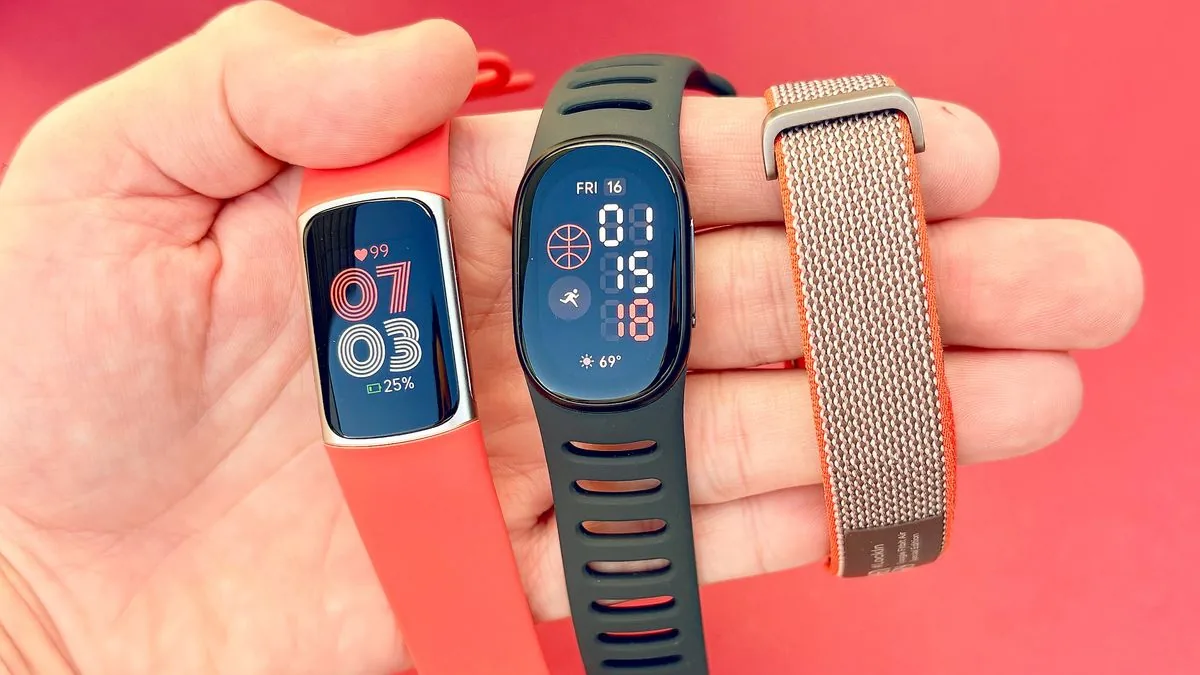
The front carries a 1.34-inch AMOLED display reaching 1,000 nits of peak brightness, more than doubling the 450-nit screen on the Charge 6. Dan Bracaglia said in Tom’s Guide that this extra brightness makes text and workout metrics substantially easier to read outdoors under harsh midday sunlight [1]. Swipes feel fast. Waking the screen from sleep can still produce a brief hesitation before tiles move [2].
Google discarded the capacitive side sensor of the Charge 6 and returned to a clickable physical button that gives immediate feedback on every press [1]. This tactile button wakes the display, navigates backward through menus, or opens the app drawer [2]. Both Dan Bracaglia and Ben Schoon called this tactile switch their favorite physical upgrade over the Charge 6 and the Fitbit Inspire 3 [1, 3].
A downward swipe reveals a Quick Settings panel with shortcuts for screen brightness, water lock, sleep mode, and an emergency light [2]. Swiping up opens unread messages. Horizontal swipes navigate through customizable tiles for step totals, heart rate readings, and media controls [2, 3].
Everyday Fitness Tracking
The Google Fitbit Edge includes an onboard GPS chip and a barometric altimeter, letting runners and hikers track routes and elevation gain without carrying a phone. During a 2.5-mile test walk in Seattle, Washington, Dan Bracaglia found that the tracker logged 4,643 steps and 183 feet of climb, closely matching the 4,642 steps and 187 feet recorded by an iPhone 16 Plus running Strava. The older Charge 6 lacked an altimeter entirely [1].
Optical sensors on the underside record resting heart rate, heart rate variability, skin temperature changes, and blood oxygen levels all day and night. Google presents these metrics on a Today tab in the Google Health app, while a separate Vitals page tracks cardio trends and estimated VO2 max. Safety tools include Health Guardian features that notify users about irregular pulse drops or breathing troubles [1]. Users can also take an electrocardiogram reading by touching the metal sides of the case for 30 seconds. During a clinic checkup, Cherlynn Low compared the device against medical gear: an oximeter read 65 beats per minute, the Edge showed 75 beats per minute, and an Apple Watch Series 12 fluctuated between 63 and 77 beats per minute [2].
Google supports over 50 exercise profiles and updated its machine learning model for automatic workout detection. However, automatic tracking only kicks in after 15 continuous minutes of activity, making it unhelpful for quick walks or interval training [1]. Cherlynn Low said the system prompted her after bike and scooter rides to confirm the exercise, helping the algorithm learn her habits over time [2].
New Google Fitbit Edge Software Features
The software on the Google Fitbit Edge takes design cues from the Pixel Watch 5, bringing Material style icons and watch faces with customizable complications to the tracker. The Modular face series lets users check step totals, battery levels, and weather data directly from the wrist. Ben Schoon praised the glanceable faces but said that modifying tiles in the Google Health app still relies on an older, clunky setup menu [3].
Smartphone alerts proved troublesome. Notification banners stack awkwardly and truncate incoming text after a few words unless users tap to open the full message. Ben Schoon had alerts stop working for days at a time, while Jordan Floyd on the 9to5Google video team could not get notifications running on his unit at all. Google told the outlet that an upcoming patch for the Google Health app will fix these sync problems [3].
Google includes a three-month trial of Google Health Premium, which otherwise costs $9.99 each month or $99 per year. The plan unlocks an AI coaching assistant called ‘The Coach’ powered by Gemini, plus long-term trend reports for blood pressure and insulin resistance. Dan Bracaglia wrote that the device offers “just the right amount of fitness tracker for most folks,” but noted that deeper recovery insights stay locked behind the paywall [1].
Battery Longevity and Missing Tools
Battery longevity stands out as a major strength [1]. Google rates the internal cell for up to seven days of typical use, and Ben Schoon wore the device for two weeks with the always-on display disabled while only charging the battery once [3]. Dan Bracaglia similarly observed multi-day runtimes during outdoor tests that relied on active GPS and altimeter sensors [1].
The most controversial hardware change is the loss of NFC support, which strips Google Wallet and mobile payments from the wrist [1, 3]. Google stated that few owners used NFC on the Charge 6, but reviewers argued that removing payments hurts its appeal against smartwatches. In addition, Google Maps on the device cannot initiate navigation independently, serving only as a mirror for walking directions from an Android or iOS phone [1, 3].
Despite those missing tools, the Google Fitbit Edge provides a balanced package for users wanting reliable health tracking without the bulk of a Pixel Watch 5 [1, 3]. At $179, it costs slightly more than the $159 launch price of the Charge 6, but the physical button, brighter AMOLED screen, and altimeter deliver meaningful hardware upgrades [1].
- ONLINE NEWS Bracaglia, D. (2026, October 26). Fitbit Edge review: Just the right amount of fitness tracker for most people. Tom’s Guide. [Article Link]
- ONLINE NEWS Low, C. (2026, October 26). Fitbit Edge review: Google strikes the right balance. Engadget. [Article Link]
- ONLINE NEWS Schoon, B. (2026, October 26). Fitbit Edge review: Too much and too little at the same time. 9to5Google. [Article Link]


