





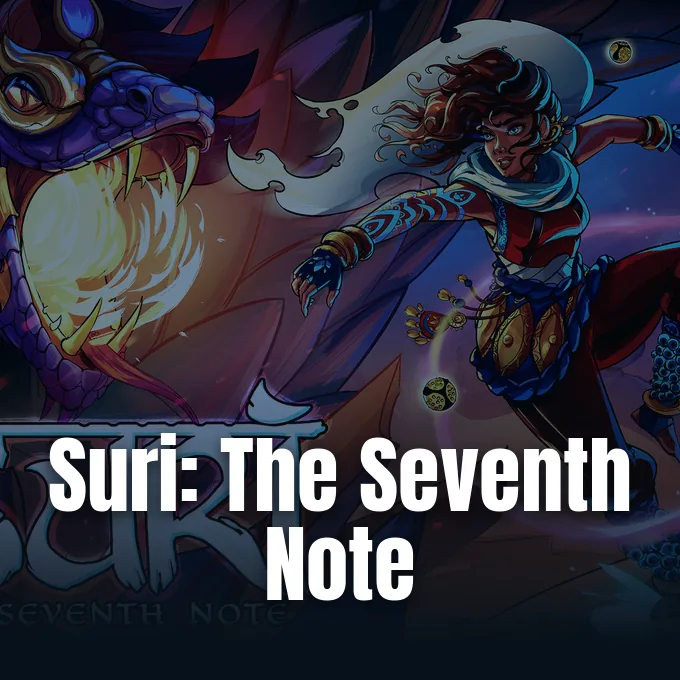
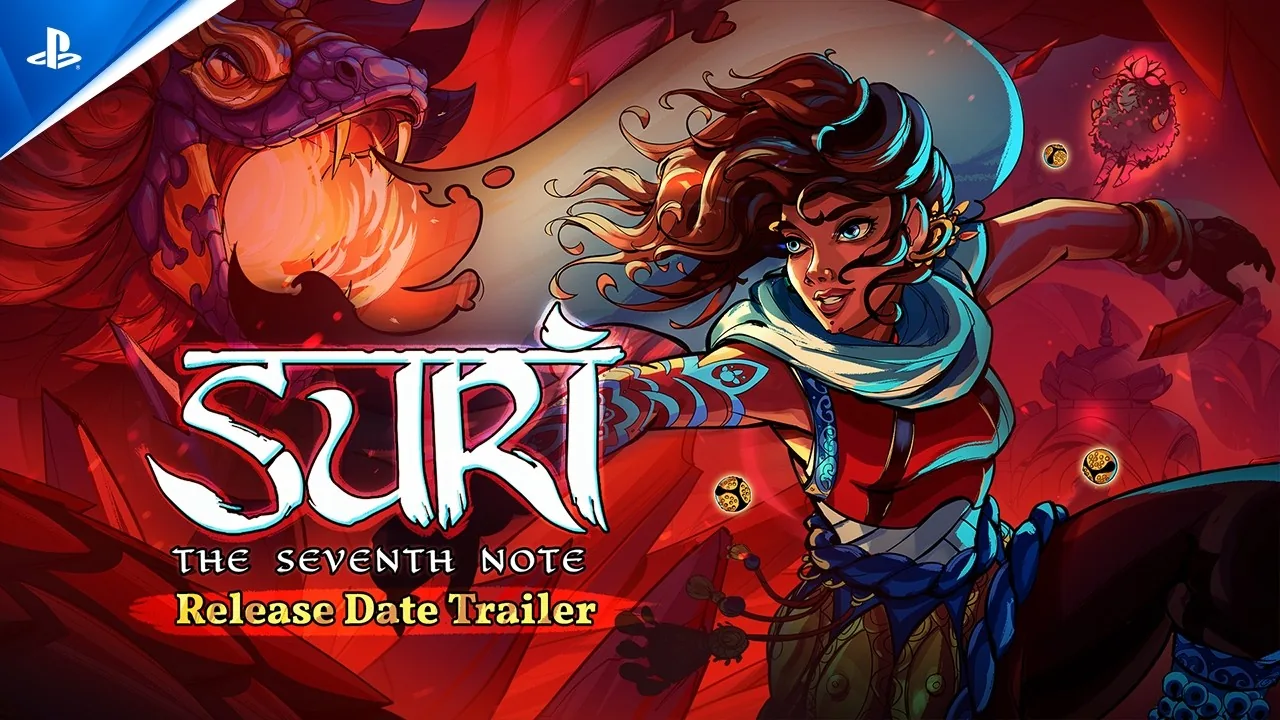
Bengaluru-based Tathvamasi Studios announced that Suri: The Seventh Note will launch on PlayStation 5 and PC via Steam on October 30, 2026. Supported directly by the PlayStation India Hero Project, the rhythm-driven action platformer follows a determined heroine named Ajira across an isolated mythical island plagued by a corrupting musical curse. Can fluid movement abilities harmonize with intricate percussive patterns across treacherous gaps? Glen Martin confirmed the official rollout with immediate digital pre-orders and a downloadable console trial build [1, 5].
Suri: The Seventh Note Release Date and Platforms
The console demo is live on the PlayStation Store. Players on PlayStation 5 can test the rhythm timing before purchasing [5].
Glen Martin, Tathvamasi Studios CEO and Game Director, announced the multiplatform launch on the PlayStation Blog on September 28, 2026, verifying simultaneous PC delivery across digital storefronts. Steam lists the matching date [1, 6]. Production required four years of sustained development across Indian creative spaces, with the core rhythm mechanics and navigational systems maturing through intensive internal prototyping over the final three years. Reflecting on the studio milestone, Martin highlighted the community journey: “After nearly three years SURI has gone from an idea in our heads to a fully-realised game for the PS5 and PC. It’s our first game and we wouldn’t be here without the gracious support of PlayStation India Hero Project. We had a blast making it, now it’s your turn to feel the rhythm.” [2]
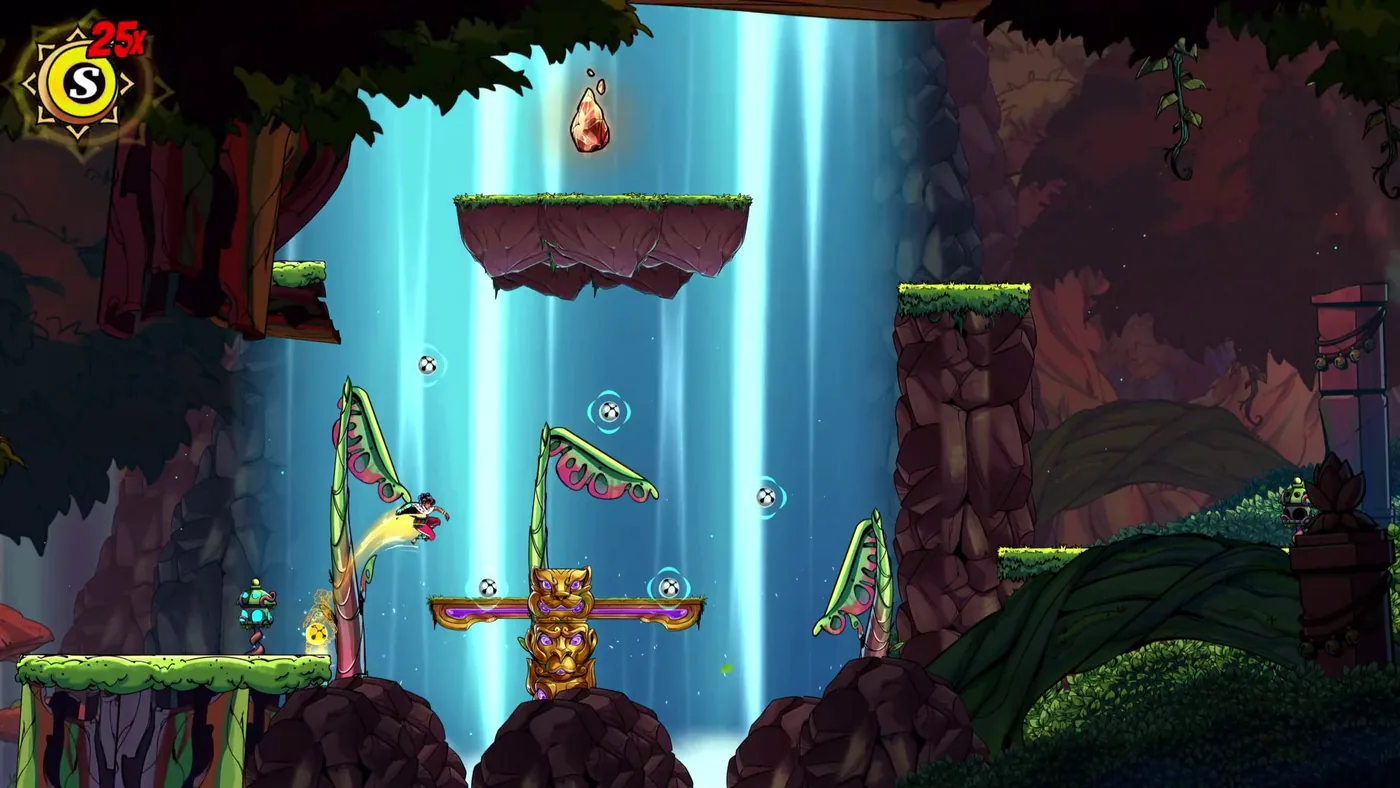
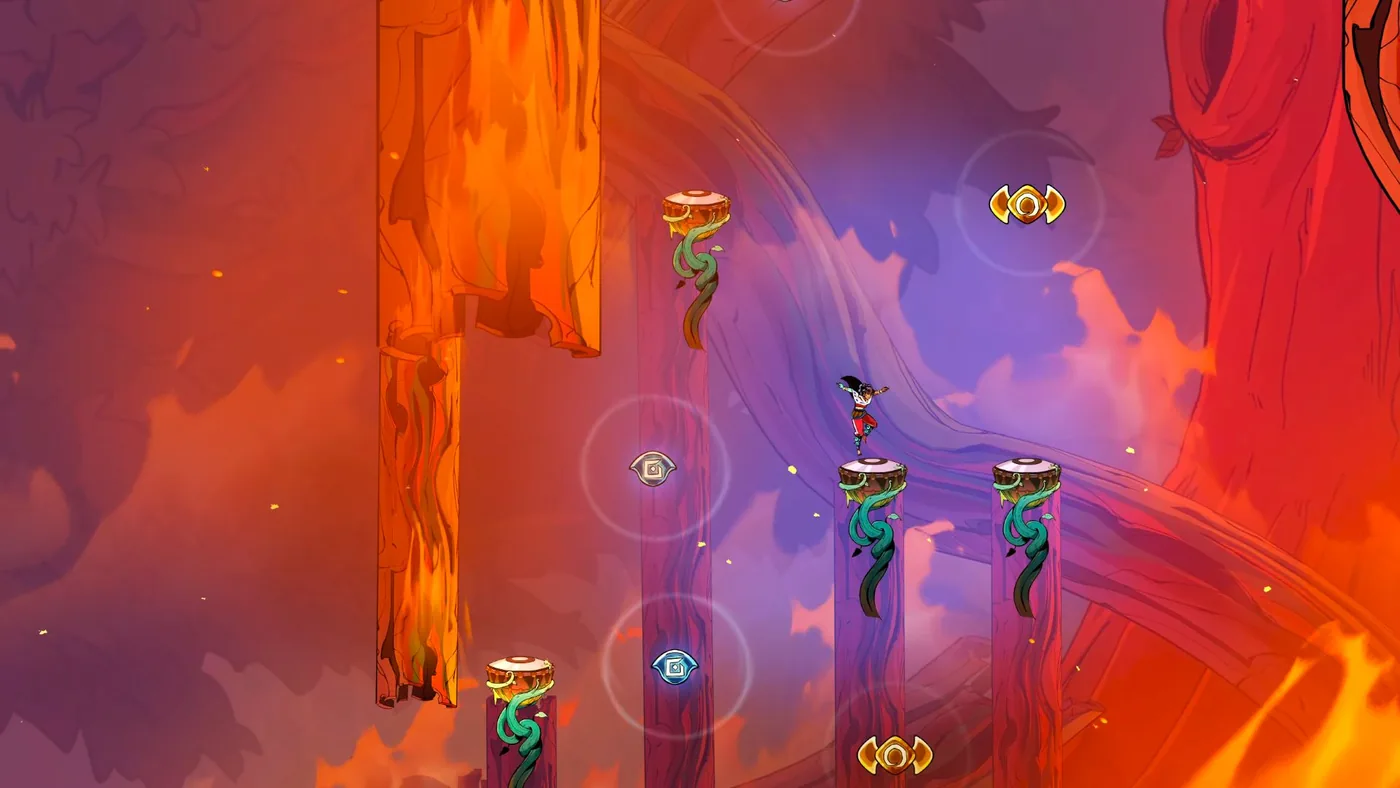
Drawing inspiration from celebrated platformers such as Hollow Knight and Rayman Legends, Bengaluru-based Tathvamasi Studios engineered kinetic stages where environment navigation demands strict adherence to musical tempo. Movement abilities, aerial maneuvers, and combat engagements all require players to synchronize their button presses to the underlying pulse of each handcrafted environment across the island of Suri [5]. While other autumn promotions spotlight massive gaming crossovers like the Kingdom Hearts Fortnite collab, Bengaluru-based Tathvamasi Studios focused entirely on expanding its standalone mythical setting. Rigorous playtesting established that combining expressive mobility with rhythmic discipline yields substantial replayability as players chase perfect traversal runs [1].
Designing Around a 480-Millisecond Rhythm Window
Designing responsive action platforming around musical beats forced Tathvamasi Studios to resolve an intricate mechanical constraint regarding how fast human thumbs can manipulate controller inputs during frantic traversal sequences. After extensive trial and error, the development team discovered an optimal interval of roughly 480 milliseconds between consecutive main beats across all stages. The interval spans 480 milliseconds. This calculated spacing provides adequate room for input recognition without diluting the momentum required for engaging action platforming [1].
Martin explained that stretching the gap beyond 480 milliseconds caused the entire platforming cadence to feel sluggish, whereas narrowing the threshold made failure states too abrupt for players to recognize their mistakes. The balanced window guarantees that missed beats register clearly without disrupting the continuous flow of traversal across hostile regional terrain [1]. Escape sequences, enemy encounters, and environmental obstacles all synchronize strictly with this central timing structure throughout the journey [6].
Narrative stakes intensify the rhythm-driven gameplay as Ajira Races to Save Her Mother across the corrupted island, searching for a rare magical fruit capable of curing a deadly illness. Ajira faces no easy path [3]. The hostile rhythm corrupting the land affects every creature and platform, turning what could have been a conventional rescue mission into a demanding test of auditory alertness. Mastering the beat becomes the only reliable method to cleanse corrupted zones and uncover hidden paths [1, 4].


DualSense Haptics in Suri: The Seventh Note PS5
To deepen tactile engagement, Tathvamasi Studios built a proprietary Rhythm Haptics Engine tailored specifically around the capabilities of the PlayStation 5 DualSense wireless controller. Assistance from the PlayStation India Hero Project allowed engineers to route audio frequency data directly into the controller’s advanced haptic actuators with minimal latency. DualSense feedback reinforces the beat. The resulting system transforms each musical composition into three unified sensory dimensions spanning sight, sound, and physical vibration [4].
In practice, DualSense Tathvamasi Studios calibration conveys nuanced vibrational feedback that distinguishes subtle melodic passages in peaceful areas from forceful percussive strikes during intense boss fights and corrupted hazards. Players can sense incoming rhythmic shifts through their hands before visual cues appear on screen, granting a subconscious advantage during complex platforming sequences [3]. Haptic feedback is also supported on PC, although Tathvamasi Studios completed specialized calibration exclusively for the DualSense hardware [2].
Will physical vibrations help newcomers internalize tricky rhythmic patterns faster than traditional visual indicators alone? Early demonstrations indicate that the tactile pulses reinforce the 480-millisecond cadence, allowing players to navigate treacherous gaps with greater timing precision while traversing dangerous island biomes. The mechanical integration ensures that rhythm functions as an active navigational guide rather than mere acoustic background decoration [1, 4].
Indian Architectural Heritage Shapes the Mythical Island
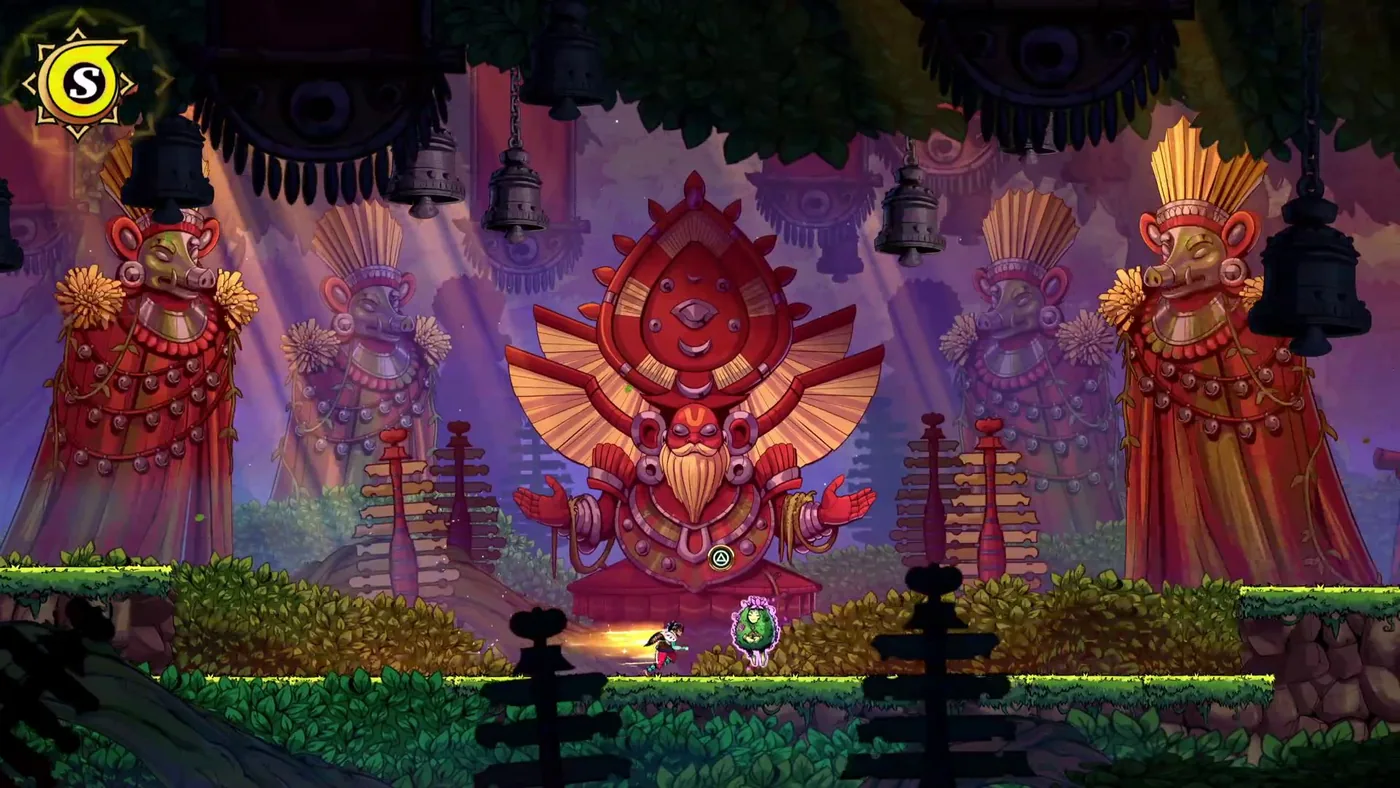
The visual and cultural landscape of the island establishes a distinct Indian-inspired artistic identity, featuring majestic Rajput Forts, ornate Himalayan Monasteries, and traditional regional settlements. Every setting and character model was hand-illustrated to merge mythical storytelling with vibrant cultural folklore [1, 5]. The striking visual palette also integrates dynamic ritual imagery from Theyyam, an ancient performing art tradition rooted in southwestern India [4].
Music composition mirrors this cultural depth, with roughly 80 percent of the soundtrack recorded using authentic analogue instruments rather than digital synthesizers to preserve rich acoustic resonance. Rajasthan inspired the desert tracks [1]. When Ajira explores southern territories, the score incorporates the rich resonance of a veena (a traditional plucked string instrument) instead of a sitar, adapting seamlessly as she enters arid zones. Desert areas feature distinct Rajasthani Traditions, introducing unique percussive energy to environmental encounters [6].
Tathvamasi Studios intentionally avoided rigid classical purism in order to maintain brisk arcade gameplay across challenging platforming stages. Instead, composers overlaid intricate Indian percussion textures onto an energetic hip-hop rhythmic foundation, creating a bouncy soundscape that keeps traversal lively and responsive through every hostile cavern and fortress corridor. Traditional classical instrumentation was reserved primarily for cinematic cutscenes and narrative story sequences to underscore key emotional moments [1].
Pre-Order Pricing and Digital Deluxe Bonuses
Pre-orders for Suri: The Seventh Note opened on September 28 across the PlayStation Store, offering two digital packages ahead of the late October rollout. The Standard Edition carries a retail price of $19.99 in the United States and Rs 1,331 in India, containing the complete base game [2, 4]. Pre-orders save 20 percent. PlayStation Plus subscribers can claim this 20 percent discount, reducing the entry cost to $15.99 on the console storefront [5].
Players seeking additional content can purchase the Digital Deluxe Edition, priced at $24.99 and Rs 1,664 in India before active subscriber discounts. PlayStation Plus trims the cost [5]. With the promotional 20 percent reduction applied, the Digital Deluxe package becomes available to PlayStation Plus members for $19.99 [4, 6]. This premium package includes entitlement to an upcoming post-launch expansion pack along with Three-Day Early Access, allowing Deluxe owners to begin exploring on October 27, 2026. Pre-ordering either digital edition through the console storefront guarantees immediate preload capability as soon as official download servers unlock ahead of launch day [1, 2, 3].
The Digital Deluxe tier also grants an Exclusive Chandini Skin for Ajira, altering her character appearance throughout her journey. Early access opens October 27 [2]. Tathvamasi Studios confirmed that neither the Chandini Skin nor the downloadable expansion will be sold as standalone purchases outside the Deluxe tier [1, 5]. However, players who purchase the Digital Deluxe Edition after the October 30 launch date will still receive all bundled bonuses automatically [6].
- PRESS RELEASE Martin, G. (2026, September 28). Suri: The Seventh Note launches Oct 30 on PS5. PlayStation.Blog. [Article Link]
- ONLINE NEWS Joshua, O. (2026, September 28). Rhythm Action Platformer SURI: The Seventh Note Launches October 30 For PS5 And PC, New Gameplay Trailer Released. Noisy Pixel. [Article Link]
- ONLINE NEWS Saw, W. (2026, September 28). Suri: The Seventh Note Launches October 30 on PS5 and PC, Pre-Orders Now Open. MonsterVine. [Article Link]
- ONLINE NEWS Majumder, S. (2026, September 29). SURI: The Seventh Note Pre-Orders Go Live Ahead Of October 30 Launch: All You Need To Know. ABP Live English. [Article Link]
- ONLINE NEWS Video Games, M. & M. (2026, September 28). Suri: The Seventh Note Has a PS5 Release Date, and Pre-Orders Are Live. How To Video Game. [Article Link]
- ONLINE NEWS Khan, A. (2026, September 28). SURI: The Seventh Note Launches October 30 on PS5 and PC. Techtroduce. [Article Link]


