






Ubisoft confirmed on November 19, 2026, that new Ubisoft layoffs will eliminate 166 jobs at its Canadian studios in Montréal and Quebec City. The job cuts fall mainly on production and support teams in Eastern Canada after Ubisoft decided to cancel or reshape several unannounced video game projects [1]. GamesIndustry.biz reporter Jon Hicks noted that the cuts represent less than 4% of total studio headcount, yet they hit a regional development community that has long anchored Canada’s broader digital economy [3].
Scope of the Ubisoft Layoffs
Ubisoft announced the cuts through an official statement, citing shifting production needs. The reductions remove 166 positions divided between its two major Canadian hubs, where hundreds of programmers and artists build some of the company’s biggest global game properties [3]. To help departing staff, Ubisoft is offering severance pay, extended health care coverage, and career transition support as contracts wrap up. The cuts took effect immediately [1]. It’s a painful blow to local staff.
GamesIndustry.biz reported that the cuts represent less than 4% of the total workforce across both locations [3]. While that proportion may sound small on paper, the losses eliminate experienced developers who handled production pipelines and live technical support for ongoing games [1].
Both Montréal and Quebec City serve as pillars for gaming in Eastern Canada, having drawn skilled talent through local employment programs and provincial tax credits over many decades [1]. Ubisoft stressed that it intends to treat departing staff with care. “We deeply value the contributions of these teams and recognise the impact this may have on our colleagues,” Ubisoft said in its written statement to media outlets [2]. Both cities have absorbed earlier rounds of Ubisoft layoffs, but local teams hope affected staff can find new roles quickly [1].

Canceled Projects and Changing Priorities
Reporting from both GamesIndustry.biz and IGN indicated that the job cuts specifically targeted internal teams assigned to projects that Ubisoft had recently cancelled or rescoped during broader portfolio reviews [2]. No canceled games were named [3]. Ubisoft said shifting production needs required it to realign staffing with current business goals, leaving unassigned developers without ongoing project work when early prototypes shut down [1].
“As our portfolio evolves, our production needs are changing, requiring us to adjust the size of some teams to ensure our resources are aligned with current production priorities and business needs,” Ubisoft said in its statement [3].
Cancellations have grown more common as video game companies reassess how much money they can pour into unproven game concepts [3]. When a project is rescoped, management often trims team headcounts to focus solely on core design systems, leaving secondary production personnel vulnerable to cuts [1]. Rather than keeping unassigned teams on payroll, Ubisoft moved ahead with these Ubisoft layoffs, cutting 166 roles after cancelling early prototypes [2]. It’s a calculated shift in how creative funding is spent.

How Ubisoft Layoffs Touch Vantage Studios
Game Developer reporter Imran Khan reported that some of the personnel losing their jobs belong to Vantage Studio, a collaborative venture founded in 2025 between Ubisoft and Chinese tech firm Tencent [1]. Ubisoft set up Vantage as a Creative House under its new business model, overseeing three major brands: Assassin’s Creed, Far Cry, and Rainbow Six [3]. The joint group links development hubs in Montréal and Quebec City with partner studios in Sherbrooke, Saguenay, Barcelona, and Sofia [1]. Uniting these studios was meant to streamline production on tentpole games, but changing creative roadmaps forced leaders to cut roles even within this high-profile group [3].
Ubisoft created Vantage Studios as part of a restructuring plan announced at the start of the year, aiming to generate €200 million in total cost savings [3]. Even though this division handles the company’s biggest brands, it couldn’t escape the budget cuts hitting Canadian teams [1].
The reorganization has also reshaped other creative units. In September, Ubisoft rebranded Creative House 2 as Massive Entertainment after hiring Cristoph Hartmann, a former executive from 2K and Amazon Games, to lead that division. Hartmann took charge shortly before Ubisoft cut more staff at its German offices in October [3]. The moves show how steadily Ubisoft is adjusting internal teams to control production costs [1].

Current Development at Montreal and Quebec
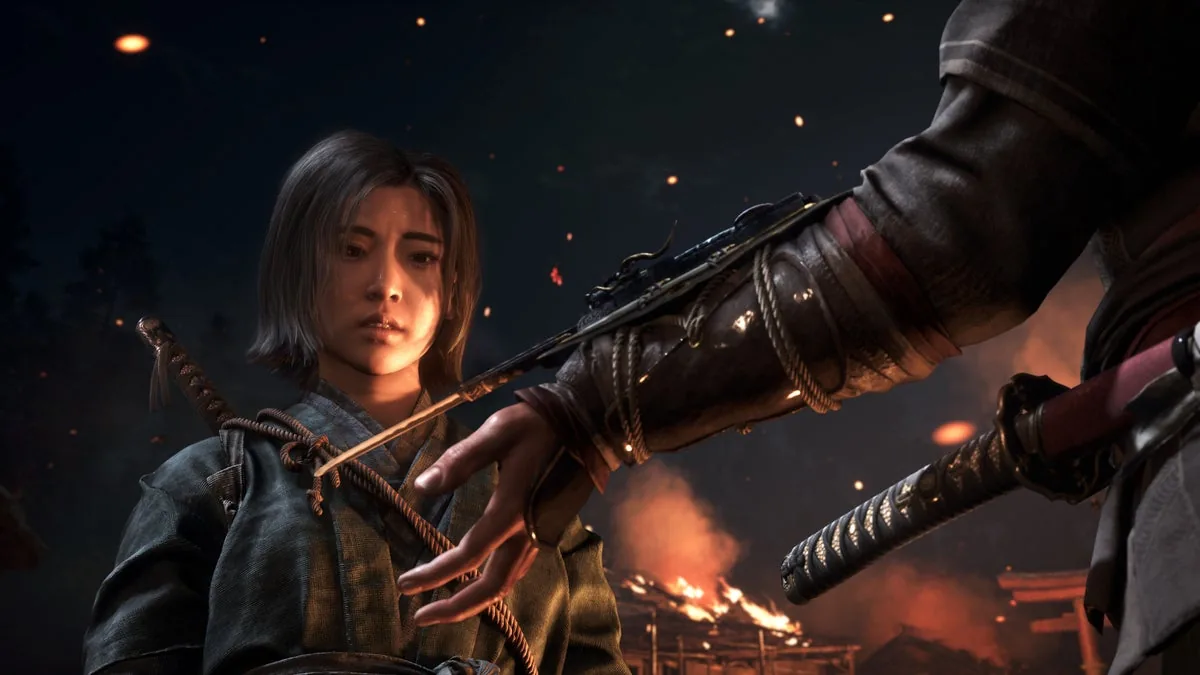
Both Ubisoft Montreal and Ubisoft Quebec hold key roles in company history. The two studios collaborated closely on last year’s Assassin’s Creed Shadows, bringing feudal Japan to life with joint art and programming teams [2]. Montreal remains a cornerstone of the global game industry [1]. Following the recent Ubisoft layoffs, both Canadian locations must adjust to leaner team rosters while managing demanding production deadlines for upcoming releases [3]. Release dates will test the smaller teams.
Ubisoft Montreal is currently focused on developing Assassin’s Creed Hexe, an unreleased game set during the Holy Roman Empire. The game switched creative directors earlier this year, yet it remains a top release that company executives want to deliver without major delays [2].
While the Montréal studio employs several thousand staff, Ubisoft Quebec operates on a smaller scale, having been founded in 2005. What Quebec developers have been making since finishing Assassin’s Creed Shadows remains unknown to the public. Mark Warren of Rock Paper Shotgun noted that Ubisoft Quebec previously proved it can direct massive open-world titles on its own, yet Ubisoft hasn’t revealed what its core teams are building today [2]. With 166 developers departing between both cities, team leads must hit demanding milestones with reduced headcount [3].

A Year of Global Studio Restructuring
The broader pattern of Ubisoft layoffs began earlier this year as the company reduced costs throughout several global studios. Months before this announcement, Ubisoft shut down its studio in Halifax, an office that had also benefited from public employment programs and Canadian tax credits [1]. Other regional sites met similar fates as Ubisoft shuttered offices in Winnipeg and Belgrade while trimming staff at Red Storm and at its main headquarters in Paris [2].
The company’s cost reductions have spread across its European operations, altering multiple development groups that spent years building popular franchises. Earlier this year, PerEXP Teamworks reported on this ongoing restructuring when the publisher moved forward with closing its RedLynx studio in Helsinki, ending an era for the long-running Trials motorcycle series. RedLynx closed its doors shortly before Ubisoft cut staff in Singapore and at three German offices, including Anno maker Ubisoft Mainz. In October, Ubisoft carried out further workforce reductions at its German locations, which followed closely on the heels of worker disputes over rigid return-to-office policies that sparked labor strikes among developers in France and Italy [2].
The video game industry continues to face widespread budget adjustments, studio closures, and unexpected project cancelations [1]. While management maintains that these Canadian cuts stem from project realignments rather than a complete retreat from the region, local game developers must now navigate an increasingly crowded and competitive job market. Job competition in Quebec remains fierce [3].
- ONLINE NEWS Khan, I. (2026, November 19). Ubisoft lays off 166 across Montréal and Quebec City. Game Developer. [Article Link]
- ONLINE NEWS Warren, M. (2026, November 19). Ubisoft lay off 166 more staff, this time at their Montreal and Quebec City studios. Rock Paper Shotgun. [Article Link]
- ONLINE NEWS Hicks, J. (2026, November 19). Ubisoft lays off 166 staff in Montreal and Quebec studios. GamesIndustry.biz. [Article Link]


