





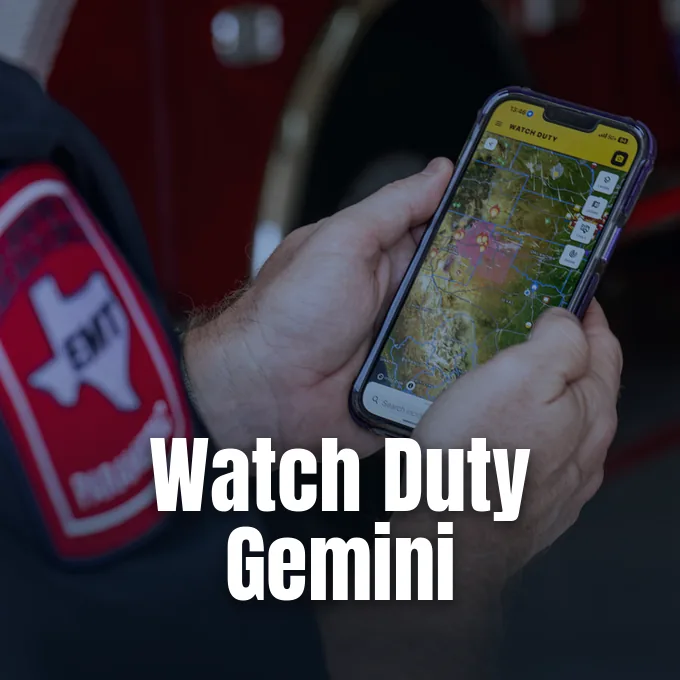
Google announced the results of a six-month engineering project with Watch Duty on Friday, revealing an artificial intelligence tool built to transcribe noisy radio chatter during wildland blazes. The charity behind the Watch Duty app relies on active and retired firefighters, dispatchers, and first responders who track brush fires across rural areas. By processing raw analog broadcasts, the software detects early incident reports before human monitors can review them [2]. The system flags 911 calls in less than 30 seconds. Fast alerts give volunteer crews extra time to warn nearby towns before flames spread into neighborhoods [1].
Nighttime Alerts During the Railroad Fire
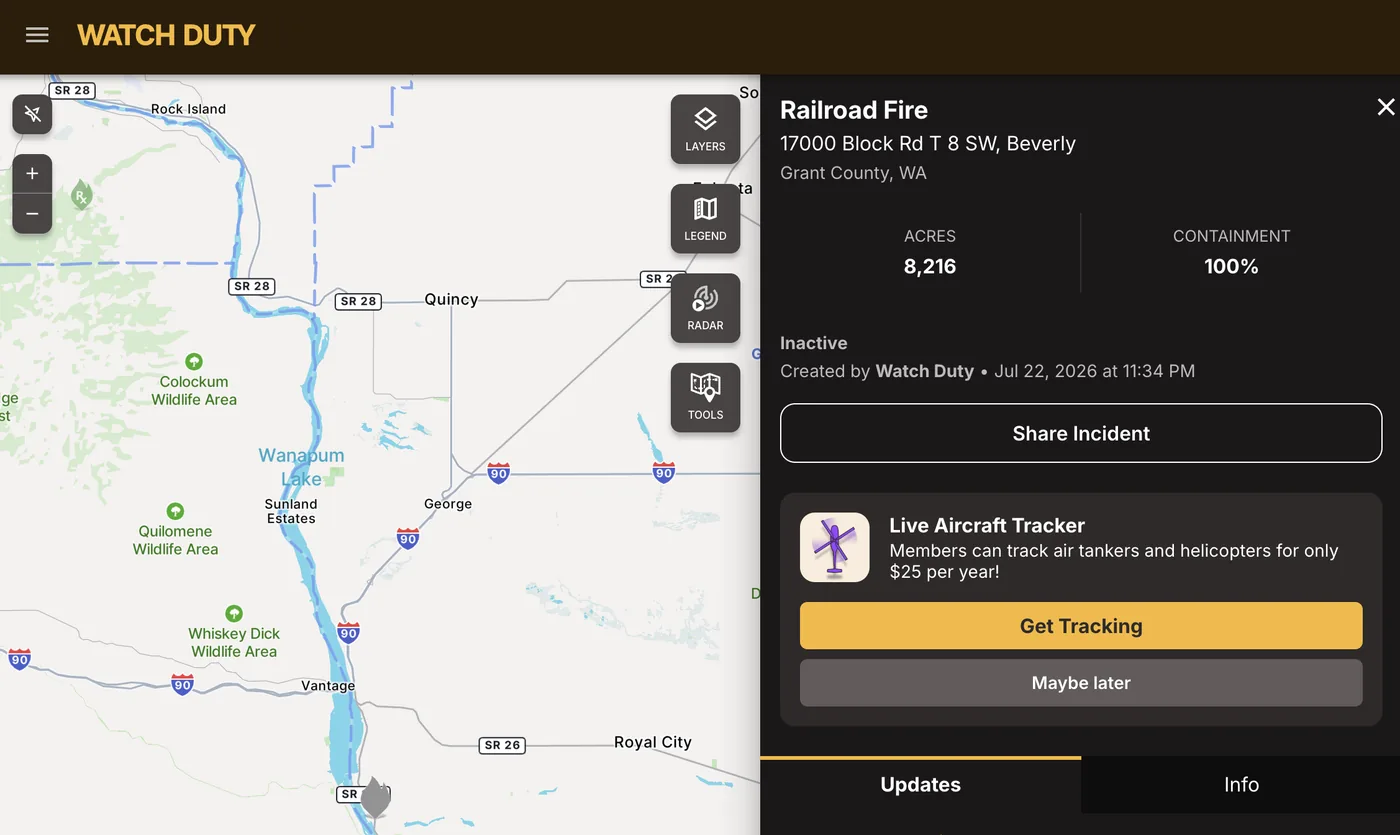
The system faced a major real-world test in July 2026 when the Railroad Fire ignited at night in Washington state. Fast-moving brush fires create acute hazards in darkness because sleeping residents cannot spot rising smoke plumes through their windows. When the first 911 dispatch went out over local emergency channels, the Gemini tool caught the call straight from noisy analog audio and alerted reporters in under 30 seconds. Washington saw rapid fire growth that evening. Early detection helped the Watch Duty app crew verify the blaze location because midnight flames move quickly through dry timber while mountain roads stay empty. The automated listener caught spoken coordinates clearly enough to launch alert pipelines without waiting for sunrise [1].
Early detection allowed Watch Duty to push its first-ever nighttime Critical Alert to mobile phones. Cell phones ring even in silent mode. The system wakes sleeping families so parents can pack vehicles, gather pets, and safely flee before flames block mountain escape routes. It was the first time Watch Duty ever sent an alert overnight [1].
Field teams depend on swift map updates during multi-county crises to position fire trucks where homes face the greatest danger. Watch Duty technology lead Dave Merritt said his crew monitors field conditions across county lines to keep first responders safe. “Across disasters, we hear feedback every day that first responders are using Watch Duty for additional situational awareness, especially for disasters that span multiple counties,” Merritt said. Local agencies check Watch Duty maps constantly [2].
Training Gemini on Radio Static
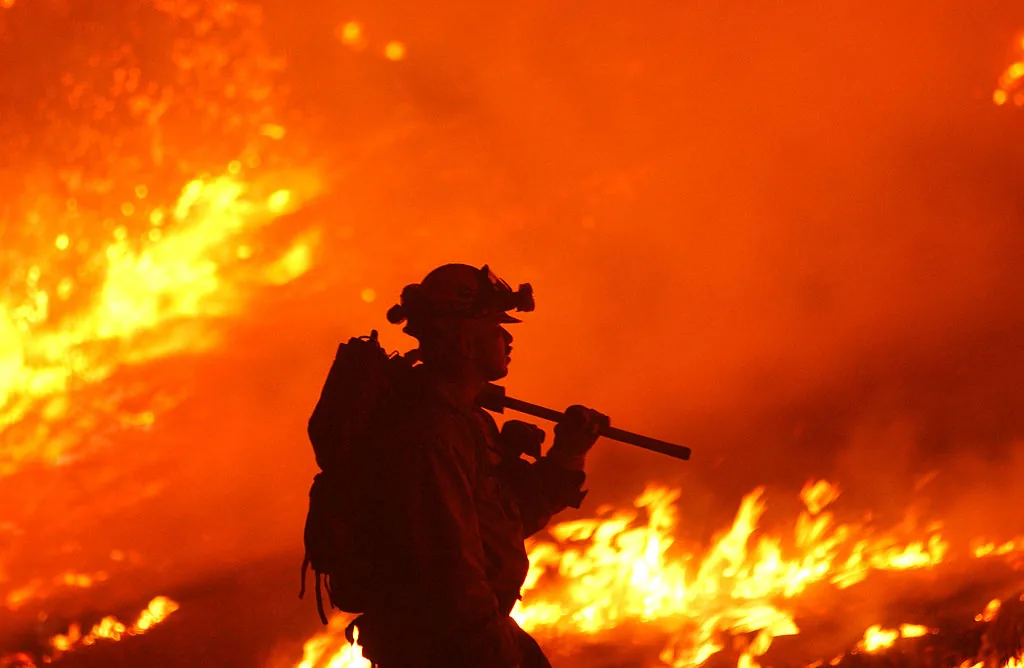
Teaching an AI model to catch fire dispatches required overcoming communication hurdles that scramble standard voice recognition software. Across mountain valleys, first responders rely on analog very high frequency (VHF) radio channels filled with engine roar, howling wind, and electrical hiss. Tactical jargon and rapid shorthand codes make these transmissions hard to parse. Most commercial AIs learn language from printed books and web pages that lack firefighting terms. To solve this gap, Google researchers Eve Andersson and Stephanie Chew embedded a team full-time with Watch Duty for six months through the Google.org Fellowship [1, 2]. They used more than 20,000 hours of past radio recordings to train Gemini to filter heavy static and convert garbled speech into clean, searchable text [1].
Watch Duty volunteers manually track up to 20 radio feeds at once. Human ears tire after hours of listening to static. Stephanie Chew said the AI model handles audio grunt work so field teams can focus on verifying blazes. “This tool takes on the demanding work of listening, freeing Watch Duty’s volunteers to focus on what matters most: confirming fires and getting warnings to people while they can still act,” Chew said [2].
Google confirmed the software does not replace human judgment during emergency calls. The tool acts as an acoustic filter that surfaces candidate dispatches for human review. Once Gemini flags an audio transmission, experienced fire volunteers inspect satellite data and local webcams before sending public notices [1]. Human dispatchers retain full control over every public alert. Safety rules require human sign-off [2].

How Does the Watch Duty App Filter Audio?
How does the model convert distorted radio chatter into readable text during an active fire? The software takes live audio from local repeaters, applies noise suppression filters, and transcribes spoken words through models tuned to wildland firefighting terms. Testing proved the AI reduced transcription errors on degraded VHF radio streams, dropping the error rate from 38% down to 22.34% for an overall gain of roughly 15% [1, 2]. That drop in errors prevents distorted road names from delaying rescue crews when smoke blocks landmarks. Volunteer operators read clean transcripts on their monitors within 30 seconds, letting them pinpoint blazes without guessing at muffled radio syllables [1].
Cleaner transcripts transformed daily routines for volunteer radio monitors. Operator satisfaction with radio tools jumped from 35.3% to 92.3% once Gemini went live [1]. CNET reported that satisfaction among Watch Duty volunteers climbed from around 35% to 92% after the update [2]. Volunteers track 400 active channels daily. They no longer replay muffled audio clips five times to decode remote canyon checkpoints. The system transcribes over 200 hours of emergency speech every day [1].
Google engineers tested the cloud system to process more than 10,000 radio feeds at once without lagging. A large processing cushion allows the Watch Duty app to expand coverage into new rural counties without dropping feeds during summer heat waves [1]. CNET noted that the project was completed at no cost through the Google.org Fellowship, ensuring that all resulting safety features remain free for public users [2].
Google Cloud Funding and Scale
The radio transcription tool marks the latest phase in an ongoing partnership between Google and the wildfire alert service. Two years ago, Google.org awarded Watch Duty $2 million in funding and $300,000 in Google Cloud credits so workers could gather satellite feeds, ground cameras, and voice logs to verify wildland blazes. The grant helped the group build resilient cloud infrastructure capable of absorbing massive traffic spikes when brush fires threaten homes, giving engineers the freedom to refine speech models without draining charity funds. Volunteer groups cannot fund continuous audio servers alone [1].
Public adoption expanded as wildfires threatened populated valleys in Western states. Watch Duty grew to more than 16 million people last year, putting heavy loads on push notification systems. Google Cloud raised its Firebase Cloud Messaging ceiling from 600,000 to 1 million alerts per batch, keeping evacuation warnings moving when multiple fires break out simultaneously across dry canyons. Alert delivery stayed fast [1].
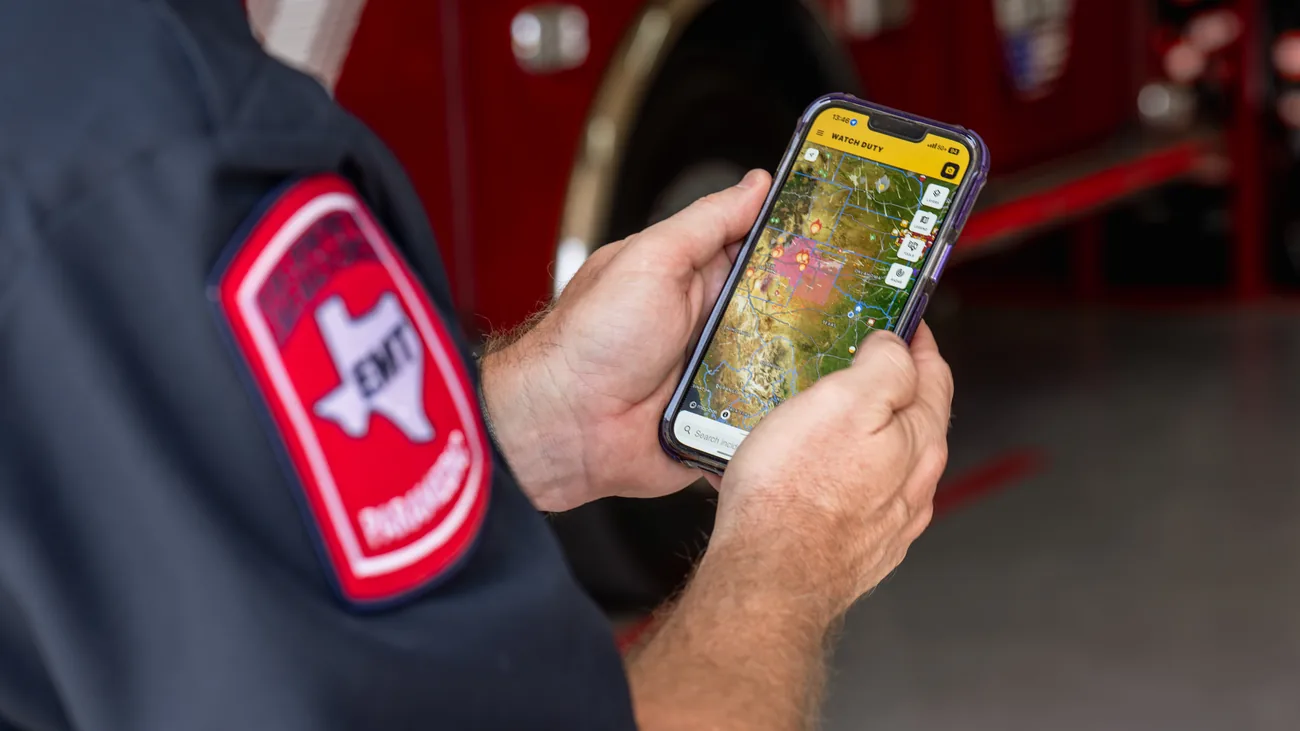
Google also featured Watch Duty in Google Search SOS alerts during major California emergencies, including the Palisades Fire, Eaton Fire, Hurst Fire, and Auto Fire. While Google manages changes to consumer hardware programs such as the Pixel Watch Safety Signal sunset, its work with emergency responders focuses on community alert infrastructure. The search integration ensures that residents looking for local conditions see verified firefighter reports next to official evacuation maps [1].
Future Uses for Watch Duty Responders
Watch Duty is expanding its technical tools across all 50 states through the AI Collaborative: Wildfires initiative, sharing emergency data models with local first responders. The organization shares operational models and data with partner agencies to build software tools that local firefighters trust and use. Field tests in fire zones provide live data on how machine learning handles noisy disaster environments. Language models perform reliably even when smoke, wind, and engine sirens corrupt incoming analog voice frequencies. Volunteer reporters rely on the Watch Duty app to build detailed fire perimeter maps that keep rural towns informed during dangerous fire weather [1].
The transcription technology may soon assist other emergency response organizations that monitor noisy radio frequencies. Merritt said the model also interprets radio transmissions during severe weather events, including flash flooding. “This is something the tool also has the capability to do if reports of flooding are communicated via radio,” Merritt said, explaining that early detection helps crews warn drivers before rivers wash out highways. Floods create fast road hazards [2].
Public safety planners believe similar audio-clearing tools could benefit local fire departments, 911 dispatch centers, and Coast Guard operations where heavy radio static complicates emergency rescue work. CNET reported that the platform’s scalability could eventually bring similar audio tools to Coast Guard operations and 911 call centers under pressure. Clearer audio helps boat crews and dispatchers confirm coordinates without repeating urgent radio messages [2]. Faster audio processing gives rescue teams more time to coordinate responses before disasters threaten coastal or rural communities [1].
- PRESS RELEASE Andersson, E., & Chew, S. (2026, November 20). How Watch Duty is using Gemini to get wildfire alerts out faster. Google. [Article Link]
- ONLINE NEWS Lacoma, T. (2026, November 20). Google Gemini Partners With Watch Duty to Clear Static From Firefighter Radio. CNET. [Article Link]


