




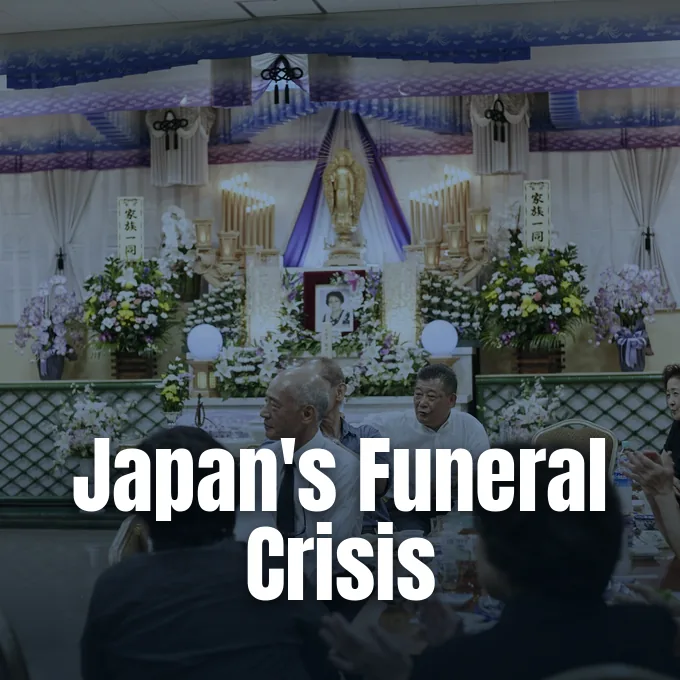
Along the Shuto Expressway in Tokyo, where roughly 1 million vehicles travel each day, roadside billboards advertise dentists, hotels, tire shops, and low-cost funerals. For generations, household ties and Buddhist temples sustained ancestral resting places in Japan. Today, rising Japanese funeral costs and a steep decline in national birthrates have placed heavy strains on this customary system. National survey data from 2024 revealed that a funeral now averages approximately 1.2 million yen (about $7,600), an expense that equals roughly twenty-five percent of an ordinary employee’s yearly income in Japan. When combined with the price of buying a grave plot, these duties place heavy financial and logistical loads onto younger generations who have fewer descendants to share the care [1].
Rising Japanese Funeral Costs in Modern Cities
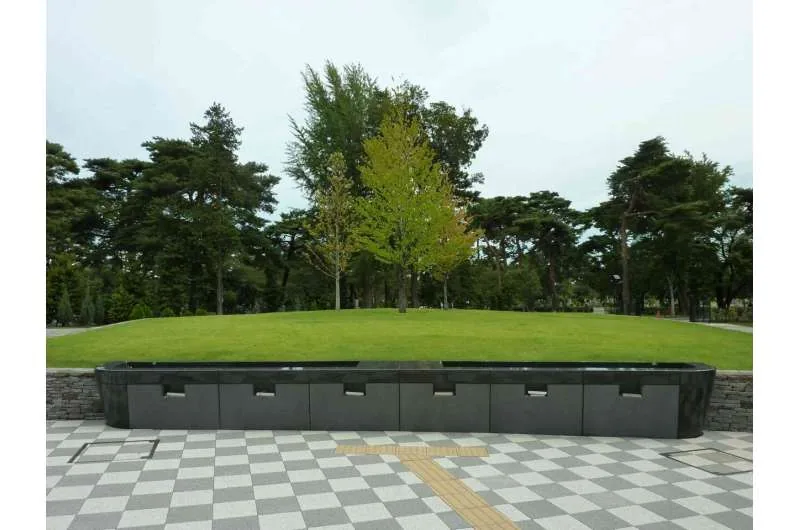
Cremation is virtually universal in Japan, with official records documenting that between 99.7% and 99.9% of deceased persons undergo the fire ritual, while uncremated burials account for fewer than 400 cases in any given year [1]. Once the casket burns in the crematorium, close relatives use elongated wooden chopsticks to lift skeletal fragments into a ceramic urn. This urn usually travels home to rest on a family altar for months or years prior to outdoor interment [2].
Buying a family grave in Japan means paying for a stone monument while leasing the plot from a temple, municipal cemetery, or private company that owns the land. In 2025, stone markers, plot leases, and cemetery fees reached an average of 1.52 million yen (nearly $10,000) [1]. Surging Japanese funeral costs consume almost 60% of an average worker’s annual earnings when combined with service fees, placing an immediate financial strain on household savings. Return gift customs dictate sending tea, towels, or soap packages worth half of all condolence cash back to mourners [2].
Post-death Buddhist rituals continue weekly through the forty-ninth day and repeat through the third death anniversary. As religious studies scholar Rowe argued in an analysis of sōshiki Bukkyō (funerary Buddhism), temple revenue systems in major Buddhist sects have long depended on these recurring memorial ceremonies to preserve financial ties with patron households [4].
Why Traditional Japanese Graves Face Abandonment
A shrinking national population, the world’s highest life expectancy, and falling birthrates have accelerated a quiet crisis for Japanese burial plots that presuppose perpetual family continuity. Because many lineages lack heirs, Tanaka discovered through the Japanese General Social Survey 2001 (JGSS) that younger citizens increasingly favor diversified grave arrangements over rigid generational succession. This preference was notably stronger among women, who often object to compulsory burial in their husband’s ancestral vault [3]. When descendants stop visiting and annual maintenance fees lapse, cemetery administrators place warning notices on stone markers before repossessing the land and moving unclaimed bones into communal holding vaults [1].
In crowded cities, isolated death produces what anthropologist Kim termed necrosociality, where ties between the living and dead form outside family bloodlines. Conducting fieldwork in Yokohama, Kim documented how community volunteers took charge of burials for muenbotoke (disconnected spirits) and victims of kodokushi (isolated death) when biological relatives were absent or refused to pay storage charges [5].
Tree Burials in Municipal Forests
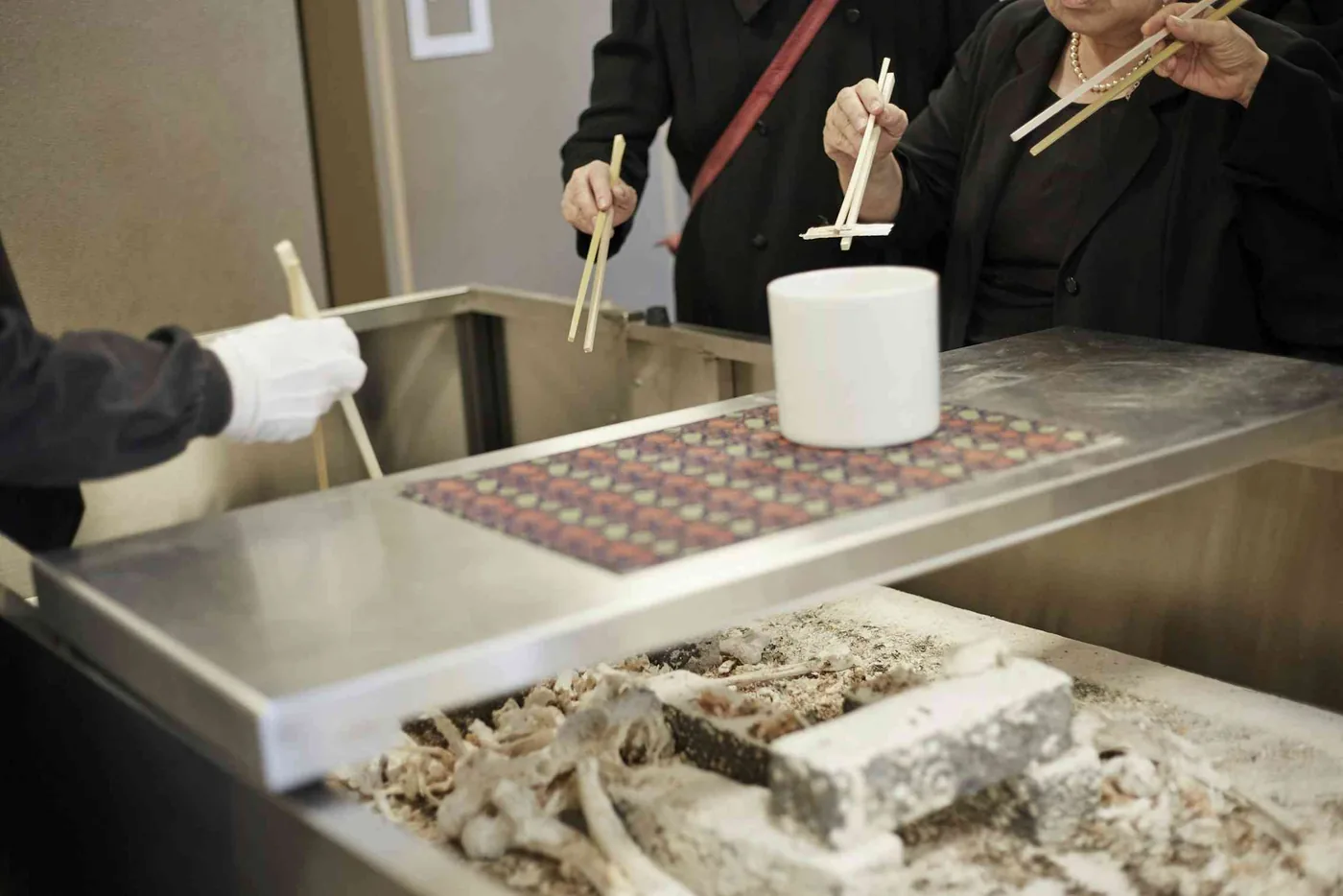
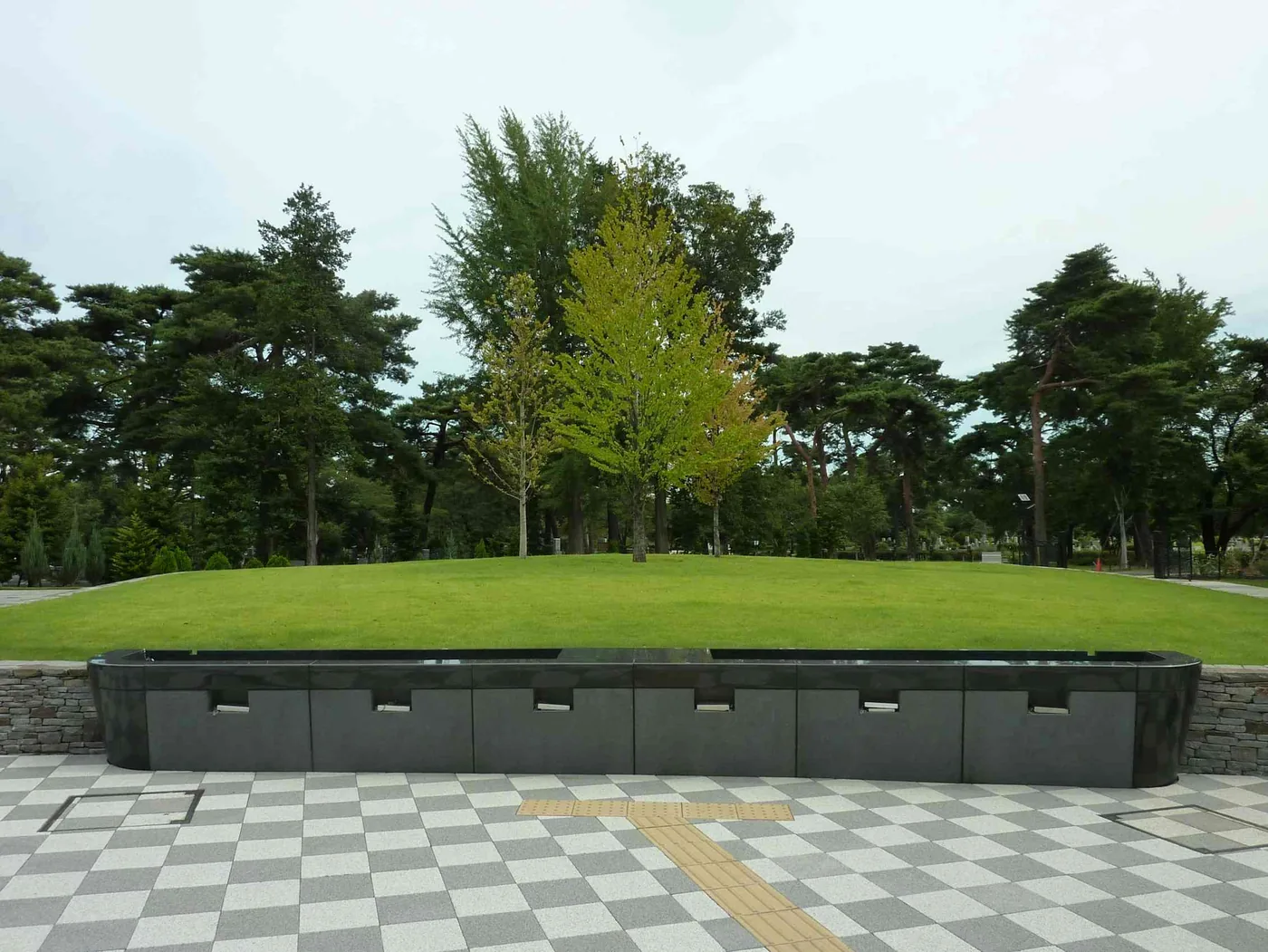
High burial costs drive Japanese families to choose tree interments, known locally as jumokusō, where cremated bone fragments rest beneath living trees or flowering woodland groves instead of heavy granite monuments. A national consumer survey conducted in 2022 showed that tree plots now represent over 40% of all newly purchased graves nationwide. By eliminating perpetual masonry repairs and recurring maintenance dues, these woodland graves spare surviving children future logistical strain [2].
Two Tokyo Metropolitan public cemeteries now provide Jūrin-gata (forest-style) burial grounds, where cremated bone dust in silk bags is interred in designated woodland earth. Living citizens can reserve these plots in advance with no perpetual management fees, avoiding the unpredictable first-come lottery that governs conventional municipal plots [2].


Automated Columbariums
Urban density and transit access in Tokyo have spurred the growth of indoor columbariums, known as nōkotsudō. These permanent facilities house urns in dedicated compartments, ranging from quiet Buddhist temple alcoves to multi-story automated buildings operated by robotic storage systems. When mourners visit an automated columbarium in Tokyo, they swipe an electronic identification card at an indoor reception terminal, prompting a robotic lift to retrieve the family urn from a centralized basement vault and deliver it directly into an illuminated memorial booth. Relatives burn incense and pray in privacy without traveling to distant hillside cemeteries [2].
For families seeking lower expenses, communal ossuaries offer shared burial spaces where bones are mingled with those of other individuals. Most Tokyo municipal cemeteries charge under $40 per year for basic maintenance, yet communal vaults provide a low-cost alternative for families struggling with Japanese funeral costs [1].
Bone Buddha Sculptures
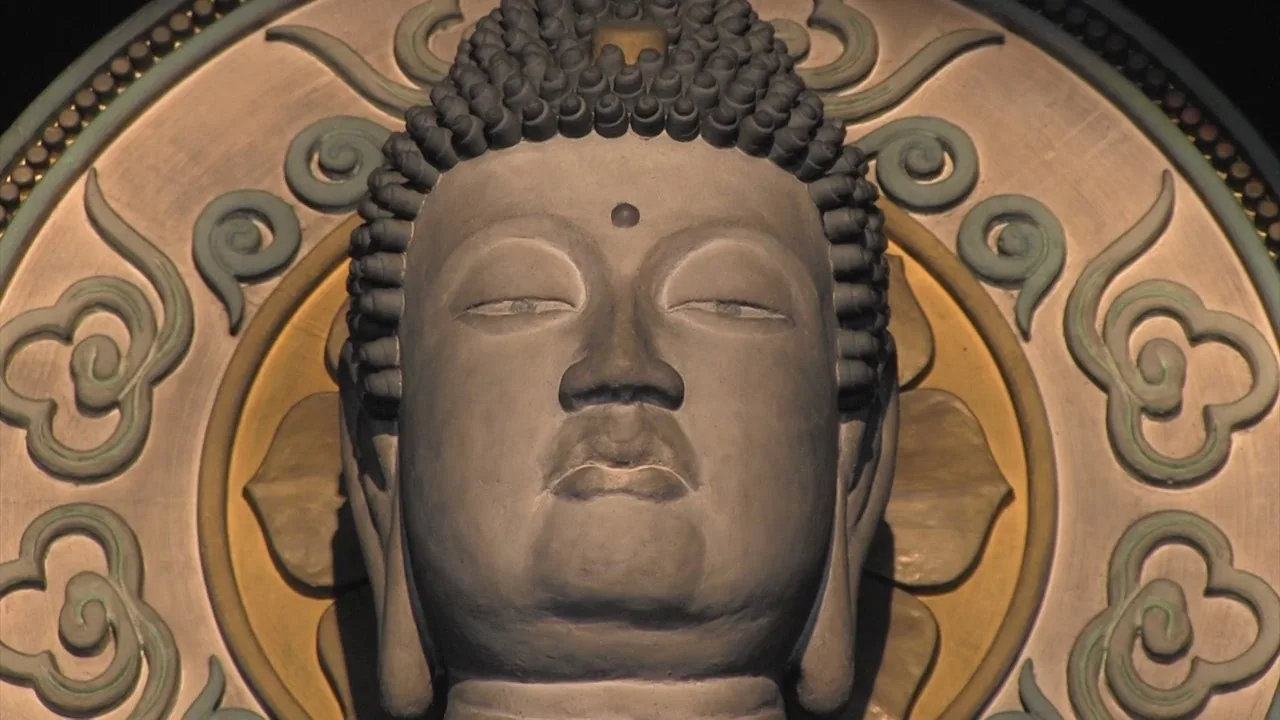
A rare response to unclaimed ashes is the creation of kotsubotoke, monumental statues of Amida Buddha molded from pulverized human bone ash. Anthropologist Gould examined this memorial technology in Nagoya, where artisans and temples compress thousands of cremated ashes into communal Buddha figures [6]. Because devotion to Amida Buddha (the Buddha of Infinite Light) guides souls to rebirth in the Pure Land, temples in earlier centuries constructed bone buddhas to inter impoverished travelers, foreigners, and laborers whose ashes nobody claimed. Today, temples accept both complete skeletons and tiny bone fragments [2].
As religion researcher Mimi Hanaoka noted, “These new rituals reshape some traditions but preserve the importance of remaining connected with the dead” [1]. Rather than cutting ties with ancestry, communal sculptures allow fragmented bones to form durable spiritual connections without requiring descendants to manage isolated plots. Artisans in Nagoya continue compressing bone fragments into sacred monuments [6].
Many families resolve burial dilemmas through hakajimai, or grave-closing. Under this formal process, families disinter urns from family plots, pay contractors to remove the headstone, and transfer the bones to communal ossuaries. Performing hakajimai ends the family’s obligation to pay annual fees, ensuring neglected plots do not become neighborhood blights [1].
Rethinking Japanese Funeral Costs in Tokyo
Mortuary adjustments in contemporary Tokyo demonstrate that mourning practices evolve alongside urban economic conditions. Studying two major Tokyo cemeteries, anthropologist Makino showed how spatial closeness among the dead is negotiated within financial constraints, revealing that purchasing capacity creates clear patterns of exclusion between private monuments and communal vaults [7]. Similar questions about social survival during past disruptions appear in PerEXP Teamworks research into prehistoric survival during Japan’s caldera eruption, where ancient islanders reorganized settlement habits to endure catastrophic displacement.
Structured mourning periods in diverse world cultures offer comparable frameworks for community solace. Comparative studies by PerEXP Teamworks documenting Armenian Karasunk forty-day mourning traditions illustrate how periodic rituals provide meaningful spiritual closure. In Japan, weekly memorial rites leading to the forty-ninth day likewise comfort families navigating loss [4].
In Japan, deceased ancestors stay central in the ongoing social life of surviving relatives. While high Japanese funeral costs and demographic contraction have eroded the classic patriarchal grave system, households continue creating practical adaptations to honor departed generations with dignity [1]. Consumer preference data confirms that tree burials account for over 40% of new choices. By embracing municipal forest plots, automated columbariums, and communal bone buddhas, Japanese society is rebuilding ancestral veneration to survive severe demographic challenges while preserving spiritual connections through the generations [2].
- ONLINE NEWS Hanaoka, M. (2026, October 21). Japan’s expensive funerals and declining birthrates are transforming ancestral traditions. Phys.org. [Article Link]
- ONLINE NEWS Hanaoka, M. (2026, October 21). Japan’s expensive funerals and declining birth rates are transforming ancestral traditions. The Conversation. [Article Link]
- ACADEMIC JOURNAL Tanaka, K. (2007). Graves and families in Japan: Continuity and change. The History of the Family, 12(3), 178–188. [Article Link]
- ACADEMIC JOURNAL Rowe, M. (2009). Death, Burial, and the Study of Contemporary Japanese Buddhism. Religion Compass, 3(1), 18–30. [Article Link]
- ACADEMIC JOURNAL Kim, J. (2016). Necrosociality: isolated death and unclaimed cremains in Japan. Journal of the Royal Anthropological Institute, 22(4), 843–863. [Article Link]
- ACADEMIC JOURNAL Gould, H. (2025). Becoming a Bone Buddha: Fragmenting and Remaking Death Rites in Contemporary Japan. Asian Studies Review, 49(3), 479–499. [Article Link]
- ACADEMIC JOURNAL Makino, F., Danely, J., & Papadakis, Y. (2025). Close together and far apart: necrosocialities in urban Japan. Japan Forum, 37(3), 303–330. [Article Link]
APA 7: PerEXP Teamworks. (2026, October 22). Japanese Funeral Costs Transform Ancient Burial Rites. PerEXP Teamworks. https://perexpteamworks.com/en/japanese-funeral-costs-grave-traditions/


