




Logan stops fighting long enough to play a cartoon pirate cat for children in Eurogamer’s contribution to the Marvel’s Wolverine reviews published on September 10. Insomniac Games gives its clawed hero room to hug, apologise and smile, Chris Tapsell reports. The fighting draws a less consistent response. Game Rant and DualShockers find plenty to celebrate, while Eurogamer and GamesRadar+ question whether the combat and corridors sustain the adventure. Liam McIntyre’s vulnerable Logan emerges as a stronger point of agreement. [1–4]
Marvel’s Wolverine Reviews Split Over Logan
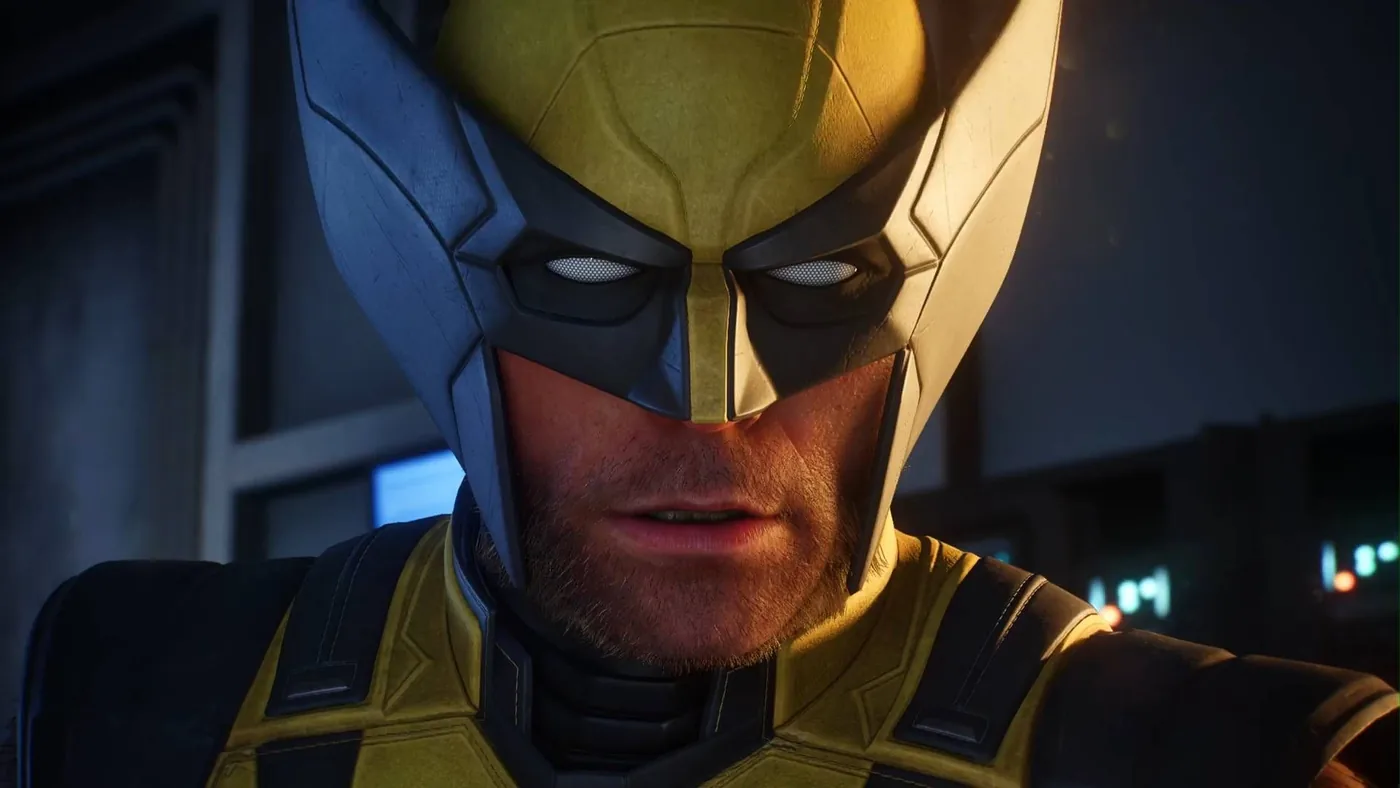
Tapsell calls McIntyre’s performance an example of “puppy-dog innocence”, describing a Wolverine who comforts other people and rescues strangers because he cares about them, even while the story surrounds him with violence. Logan’s tenderness survives the carnage. Game Rant’s Anthony Taormina also singles out McIntyre, whose performance must establish a character many audiences already associate with Hugh Jackman. He praises the animation for carrying both grief and anger across Logan’s face. [1, 2]
Jean Grey divides them. Taormina considers Krizia Bajos’ Jean effectively the second lead, with her relationship with Logan driving many of the emotional scenes. Tapsell praises the performance but argues that the writing leaves Jean too dependent on Logan, frequently reducing her contribution to opening doors and lifting platforms. Both critics describe the same partnership; they disagree about how much room Insomniac gives Jean within it. [1, 2]
Christian Bognar at DualShockers finds the gradual account of Logan’s trauma compelling enough to carry the journey. Tapsell wants more agency from Logan himself. In his account, optional Nightmare Doors (short challenges that reveal recollections) push parts of the character’s past away from the main plot, while Logan spends too much time following other people’s instructions. How much can McIntyre’s performance carry when critics disagree about the story beneath it? [1, 3]
Team X Takes the Lead
Insomniac opens with Team X. Tapsell describes Logan returning to a group led by Nathanial Essex, whom Troy Baker portrays with an English accent. The Essex Institute offers refuge to mutants, and the team searches for others who need rescuing. The familiar X-Men team is absent from this setup. Tapsell sees an alternative version of its found-family dynamic, although he thinks the opening demands substantial explanation before the relationships settle into place. [1]
Taormina describes three story arcs that eventually connect, though he finds stretches meandering and some transitions unclear. Bognar responds more warmly to the gradual revelations about Logan’s identity, his anger and his connection to Jean Grey, treating those unanswered questions as a reason to keep playing. GamesRadar+’s Leon Hurley has a much harsher response: he finds the sections loosely connected, with changing antagonists and important characters drifting in and out before their roles have properly developed. Tapsell adds a different objection, arguing that readers familiar with X-Men stories will anticipate major turns long before Logan reaches them. The disagreement extends beyond whether the story surprises. It concerns whether each episode gives Logan a convincing reason to move forward. [1–4]
Sabretooth and Mystique also get emotional moments, according to Tapsell and Taormina. Between those encounters, the reviews return to the same practical concern: the fighting. [1, 2]
Rage Fuels the Combat Dispute
Logan leaps between enemies, staggers them and tears into them with finishers. Taormina describes aggression as the most effective approach, with combos, kicks, skills and parries (timed defensive counters) helping create openings. Rage rewards sustained attacks. Bognar loves the resulting pace and compares its constant movement with Ninja Gaiden, while explicitly finding Wolverine less complex. His account of the combat is among the most enthusiastic in the available Marvel’s Wolverine reviews. [2, 3]
Hurley disputes the payoff. He argues that the Rage system takes too long to deliver its potential because important effects depend on Adaptations, the perks players unlock and equip as they progress. Taormina identifies another problem: attack animations can leave Logan exposed while several opponents strike at once, making crowded fights feel clumsy despite the satisfaction of the eventual finishers. Tougher enemies also stretch the time spent making a target vulnerable. [2, 4]
Multi-parry arrives relatively late, Hurley reports. Before unlocking it, he repeatedly deflects one attack only to catch another immediately afterward; once it becomes available, crowded encounters feel much more fluid. Bognar values the wider Adaptation choices, including more forgiving parry timing and reduced ranged damage. Players can equip four special abilities at once. Hurley and Tapsell count six available overall, leaving a limited selection even after the progression system opens up. [1, 3, 4]
Why do these upgrades satisfy Bognar but frustrate Hurley? Their accounts diverge over whether progression meaningfully develops Logan or delays abilities the fighting needed from the beginning. [3, 4]
Tokyo Opens the Corridors
Tokyo gives Hurley space to linger. He describes a compact district filled with alleys, neon signs, shop windows and conversations, where Logan follows clues through locations that later acquire new significance. The game is not open world. Its chapters generally lead players along prescribed routes, though this middle section offers more freedom. Hurley enjoys the changing activities and clearer sense of purpose here, making Tokyo a highlight within an otherwise disappointing review. [4]
Why is Marvel’s Wolverine not open world? Taormina interprets the contained levels as a way for Insomniac to control the pace of gameplay and storytelling, distinguishing the adventure from its Spider-Man games. That is a reviewer’s explanation, rather than a developer statement supplied with these reviews. His account describes invisible barriers steering players toward objectives, with occasional detours for collectibles and quieter sequences devoted to conversation. Tighter routes do not guarantee that every section moves briskly. [2]
Bognar wants more interruptions to the fighting. He praises a motorcycle chase through buildings and over ramps, then questions why so much platforming variety stays inside optional Nightmare Doors instead of the main missions. Tapsell similarly argues that linearity has failed to prevent repetition. Across these Marvel’s Wolverine reviews, the issue is what fills the corridors: several critics welcome the smaller scale while asking for more distinctive encounters between the story scenes. [1, 3, 4]
Blood, Extras and Playing Time
Blood and dismemberment dominate the reviewers’ descriptions, helping explain why the game carries the Mature classification listed in DualShockers’ review. Its listing names intense violence, blood and gore, strong language, partial nudity and a drug reference. These are the review’s reported descriptors; the supplied material does not include an official ratings-board entry. Bognar also reports an option to switch off gore. Taormina describes Logan suffering extensive visible injuries as well as inflicting them. [2, 3]
Costumes give exploration another purpose. Taormina describes crafting materials that unlock outfits drawing on different periods of Wolverine’s history, including an animated look that can appear incongruous during emotional scenes. Whiskey bottles add references and unlock progression options, while Nightmare challenges test traversal and combat against a timer. Bognar enjoys those challenges but finds collectibles too easy to locate in many of the narrow levels, weakening the reward for searching. [1–3]
Hurley puts a completionist run at around 20 hours or less, a reviewer estimate rather than an official duration or a measured average across players. Main-story time remains less clear. The supplied Marvel’s Wolverine reviews do not establish a separate, dependable figure for finishing only the campaign. Hurley tested publisher-provided code on a standard PS5 and captured screenshots in Performance Mode. His remaining complaint concerns replaying missions: returning to those routes makes their simplicity more apparent. [4]
- ONLINE NEWS Tapsell, C. (2026, September 10). Marvel’s Wolverine review – Logan’s puppy-dog charm carries an otherwise uninspired take on the old-school linear action formula. Eurogamer. [Article Link]
- ONLINE NEWS Taormina, A. (2026, September 10). Marvel’s Wolverine review: A brutally violent thrill ride. Game Rant. [Article Link]
- ONLINE NEWS Bognar, C. (2026, September 10). Marvel’s Wolverine review: A gripping emotional bloodbath. DualShockers. [Article Link]
- ONLINE NEWS Hurley, L. (2026, September 10). Marvel’s Wolverine review: “Missing that crucial X-Factor”. GamesRadar+. [Article Link]
- ONLINE NEWS Review: Marvel’s Wolverine (PS5) – The ultimate Wolverine simulator. (n.d.). Push Square. [Article Link]


