




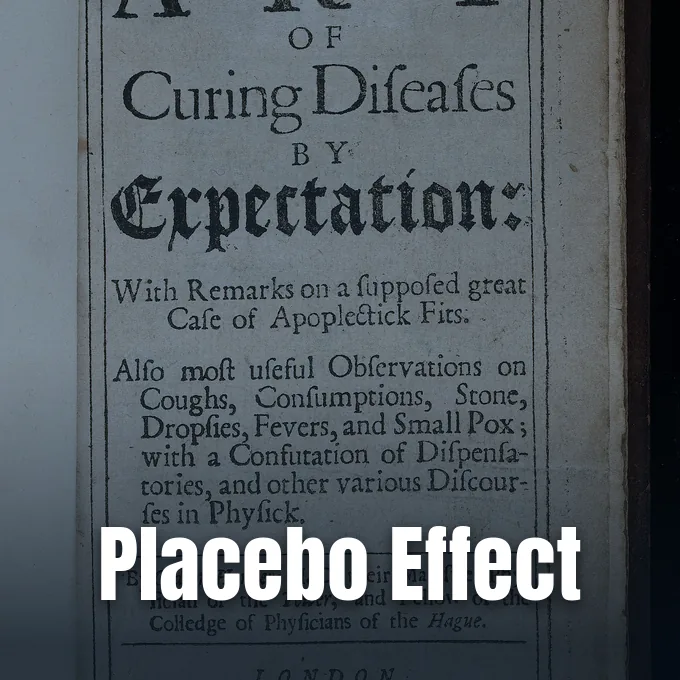
The placebo effect describes a measurable improvement in health or symptom relief that occurs after a person receives an inert substance or dummy therapy. In clinical trials, researchers separate active pharmacological effects from natural healing, statistical regression toward the average, and observer bias [12]. Even though sham treatments contain no active medicinal chemicals, the expectation of recovery sparks real neurobiological changes in the central nervous system. These mental and bodily reactions alter how patients feel pain, nausea, and fatigue. The response shows how deeply human psychology and physical biology intertwine during medical care.
- What Is the Placebo Effect?
- Historical Roots from Vespers to Trials
- Biological Pathways and Endogenous Chemistry
- Why the Placebo Effect Varies Across Cultures
- The Negative Mirror of the Nocebo Reaction
- Functional Unblinding and the Inverse Placebo Response
- Open-Label Studies and Mindset Experiments
- Ethical Limits in Clinical Medicine
What Is the Placebo Effect?
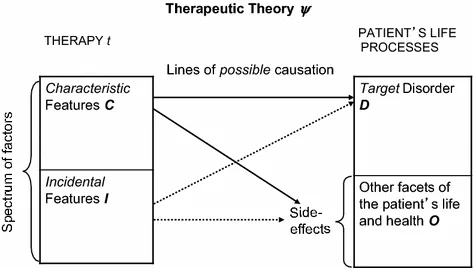
Why do patients report physical recovery after receiving an inactive tablet? A placebo is an intervention designed to look like real treatment (like sugar pills or saline injections) without containing active therapeutic ingredients. Philosopher Jeremy Howick described how every clinical encounter divides into characteristic factors, which belong to the specific drug, and incidental factors that accompany its delivery [2]. In research settings, any measured improvement in an inactive control group is termed the placebo response, while the distinct difference between that response and an untreated group reveals the true placebo effect.
Controlled medical trials rely on sham comparisons to determine whether a new compound offers genuine therapeutic value over inert materials. In 2001, Danish researchers Asbjørn Hróbjartsson and Peter C. Gøtzsche published an influential meta-analysis examining clinical trials across 40 different medical conditions. Their systematic review found that dummy treatments produced little objective difference in chronic organic illnesses, but generated noticeable benefits for patient-reported subjective outcomes [12]. A follow-up Cochrane review in 2010 confirmed that inert therapies modify continuous subjective sensations like discomfort while leaving underlying disease pathology unchanged.
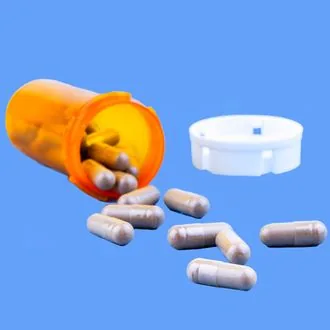
The physical form and presentation of an inert treatment alter the strength of the resulting physical response [9]. Two dummy capsules routinely produce greater symptom relief than a single tablet, and sham injections deliver larger perceived benefits than oral medicine [12]. When clinicians interact with warmth, show genuine empathy, and speak with confidence about an upcoming therapy, patients report superior improvement compared to visits with hurried or aloof doctors [9]. The entire social ritual surrounding clinical administration helps shape how the nervous system interprets relief.
Historical Roots from Vespers to Trials
The medical term originates from the Latin verb placebo, translating to “I shall be pleasing”. In medieval liturgy, priests sang the word as the antiphon of vespers for the Office of the Dead, from Psalm 114:9 in the Vulgate. Mourners attending funerals to secure free feast food were mockingly called placebos [6, 14]. By the late eighteenth century, English doctors used the term for treatments given to comfort patients [14]. In 1811, Hooper’s Quincy’s Lexicon-Medicum defined the word as any remedy intended more to please than benefit a patient.
Sham controls emerged long before modern pharmacology. During the sixteenth century, Catholic officials used fake relics to test claims of demonic possession, finding that violent convulsions occurred only when subjects believed objects were sacred. In 1799, British physician John Haygarth conducted a trial testing metal rods called Perkins tractors, sold to draw out illness [14]. Haygarth treated patients with fake wooden rods painted to resemble metal, proving that wooden tools produced the same relief as expensive patented devices.
French apothecary Émile Coué ran a pharmacy between 1882 and 1910, discovering that praising a medicine’s power improved recovery. Coué published his autosuggestion methods in England in 1920, urging patients to repeat positive affirmations. In 1903, American doctor Richard Cabot argued that prescribing sugar pills constituted dishonesty that damages clinical trust. Physician T. C. Graves discussed the concept in The Lancet in 1920, and Henry K. Beecher brought global attention to the field in 1955 with his paper “The Powerful Placebo” [8, 14].
Biological Pathways and Endogenous Chemistry
Brain imaging experiments prove that psychological expectations trigger physical cascades inside the human nervous system. When a patient expects pain relief after taking a dummy tablet, the prefrontal cortex activates descending pathways that stimulate the release of natural endorphins in the spinal cord. These internal biochemicals attach to opioid receptors and block ascending pain signals before they reach conscious awareness [8, 9]. Brain scans also show increased dopamine transmission within the nucleus accumbens, linking anticipation of therapeutic success to internal reward circuitry [1].
At the University of Turin, Professor Fabrizio Benedetti unraveled the molecular mechanisms connecting conditioning with expectation. Benedetti conditioned volunteers by administering real narcotic analgesics for several days before replacing the drug with an inert saline injection without their knowledge [8, 9]. The saline injection continued to deliver clear pain relief through the exact same cellular opioid channels as the drug. Crucially, when Benedetti covertly infused the opioid receptor blocker naloxone, the pain-relieving effect of the saline injection disappeared, proving that psychological belief recruits concrete neurochemical pathways [9].
These expectation-driven biological shifts extend into cognitive functioning and mental stamina as well. In 2011, researcher A. W. Ashor ran a single-blind trial evaluating psychomotor speed and working memory among 31 medical students using three different placebo conditions. When students received an inert pill presented as an active stimulant, their choice reaction times sharpened and working memory capacity improved significantly. However, when students received the same pill labeled as an unknown agent, their working memory performance declined, confirming that verbal cues directly modulate attention networks [1].
Why the Placebo Effect Varies Across Cultures
The strength of dummy treatments is not fixed across human populations or clinical trial environments. An extensive study by Jeffrey Mogil and investigators at McGill University examined 84 pain trials conducted between 1990 and 2013. In 1996, active pain drugs outperformed inactive control pills by an average margin of 27 percent. By 2013, that therapeutic difference had dropped to only 9 percent in United States trials, where control subjects experienced rising levels of pain relief from dummy pills [7]. This shift created headaches for pharmaceutical companies developing new pain medications.
Intriguingly, the rise in control group recovery appeared only in trials run in the United States, remaining flat across European and Asian centers. Researchers identified several causes, noting that American trials expanded in size and duration over two decades. The average clinical trial grew from four weeks with 50 patients in 1990 to 12 weeks with over 700 participants by 2013, adding additional study coordinators and frequent clinical checkups. Furthermore, the United States and New Zealand are the only two countries allowing direct-to-consumer prescription drug commercials, priming citizens with powerful narratives of pharmaceutical healing [7].
Medical anthropologist Daniel E. Moerman emphasized that cultural symbols and doctor-patient relationships shape biological outcomes [10]. Wayne Jonas described how healing rituals alter recovery, pointing out that sham surgery trials for back and knee pain produced benefits matching real operations. In studies of irritable bowel syndrome led by Ted J. Kaptchuk at Harvard Medical School, patients receiving sham acupuncture from warm, attentive practitioners experienced greater relief than those receiving approved medications [9]. As Matt Benning noted, traditional healing practices in Asia integrate chanting, amulets, and focused care, mobilizing the bodymind through shared cultural meaning [10].



The Negative Mirror of the Nocebo Reaction
Negative expectations can also trigger unpleasant physical symptoms from completely harmless substances [8, 12]. In 1961, Walter Kennedy introduced the concept of the nocebo reaction (derived from the Latin verb nocebo, meaning “I shall harm”) to explain adverse side effects induced by a patient’s anticipation rather than pharmacology. When patients read extensive warning labels or recall previous negative experiences with medication, their fear can produce tangible physical distress [8]. The same inert capsule that relieves pain in one individual can induce headaches, stomach cramps, or dizziness in another who anticipates trouble.
Biochemical investigations reveal that anticipatory pain amplification operates through the peptide hormone cholecystokinin. Professor Fabrizio Benedetti discovered that giving healthy volunteers the cholecystokinin antagonist proglumide abolished expectation-induced pain without halting the accompanying release of cortisol from the hypothalamic-pituitary-adrenal axis. In clinical experiments where participants received saline injections, those warned that the shot would intensify discomfort experienced higher cortisol surges and reported sharper pain [8]. Anticipating discomfort activates specific neuroendocrine channels that physically amplify nociceptive signals.
Unintended adverse reactions occur frequently across double-blind drug trials [8, 12]. A systematic review of over 100 Phase I safety studies found that 19 percent of healthy volunteers receiving dummy pills spontaneously reported side effects like fatigue, nausea, and drowsiness. Patients with Type A personality traits were nearly three times as likely to report adverse symptoms after taking inert pills as those with Type B traits [8]. In the Women’s Health Initiative study, 4.8 percent of women who took inactive pills for an average of 5.7 years developed withdrawal symptoms when pills were stopped, compared to 21.3 percent taking active hormone therapy [12].

Functional Unblinding and the Inverse Placebo Response
Evaluating psychoactive drugs presents unique hurdles because marked subjective alterations make double-blind designs difficult to sustain. In trials testing psychedelics (such as psilocybin, ketamine, or MDMA), volunteers guess whether they received the active drug in over 90 percent of sessions. When control participants realize they received an inert pill, disappointment depresses their mood and weakens normal recovery, producing what Balázs Szigeti at UCSF called an inverse placebo effect or knowcebo reaction [4, 13]. John Francis Leader at Dublin Business School also found that knowledge and anticipation significantly affect alertness during inert substance administration [16].
Depressed recovery rates in control groups artificially magnify how potent experimental drugs appear. In traditional antidepressant trials, inactive pills lower depression scores by roughly 8 points on standard clinical scales, while active antidepressants reduce scores by 10 points. In psychedelic studies, however, control group improvement drops to around 4 points due to unblinding disappointment. That drop widens the statistical gap between active drug and control to 6 or 7 points, creating an illusion of large pharmaceutical strength [4, 13].
When researchers remove blinding disparities by comparing psychedelics directly against standard antidepressants, their supposed superiority disappears [4, 5, 13]. A comprehensive review of 24 clinical trials published in JAMA Psychiatry found that traditional antidepressants outperformed psychedelic therapy by just 0.3 points on a 52-point depression scale [4, 5]. In a direct trial comparing psilocybin with the antidepressant escitalopram, symptom relief showed no statistically significant difference [5, 13]. Concerns over unblinding bias contributed directly to the Food and Drug Administration rejecting MDMA for trauma therapy in 2024 [13].
Open-Label Studies and Mindset Experiments
For decades, physicians assumed that healing through belief required concealing the dummy nature of a pill [9, 14]. However, Ted J. Kaptchuk and colleagues at Beth Israel Deaconess Medical Center challenged this dogma by testing open-label placebos [9, 11, 12]. In clinical trials involving patients with irritable bowel syndrome, researchers handed participants bottles labeled as inert pills. Clinicians explained that while the tablets contained no pharmaceutical medication, clinical studies showed that the mind-body ritual of taking them could trigger real self-healing processes [9].
The results challenged conventional medical wisdom regarding therapeutic deception [9, 12]. Patients knowingly taking inactive pills experienced significantly greater relief from chronic abdominal discomfort than an untreated control group receiving identical clinical attention [9]. A 2021 meta-analysis examining 11 independent trials confirmed that open-label dummy treatments deliver modest but statistically meaningful benefits across conditions like lower back pain and cancer-related fatigue [12]. Knowing that a pill contains only sugar does not extinguish the bodily conditioning associated with medical routines [9].
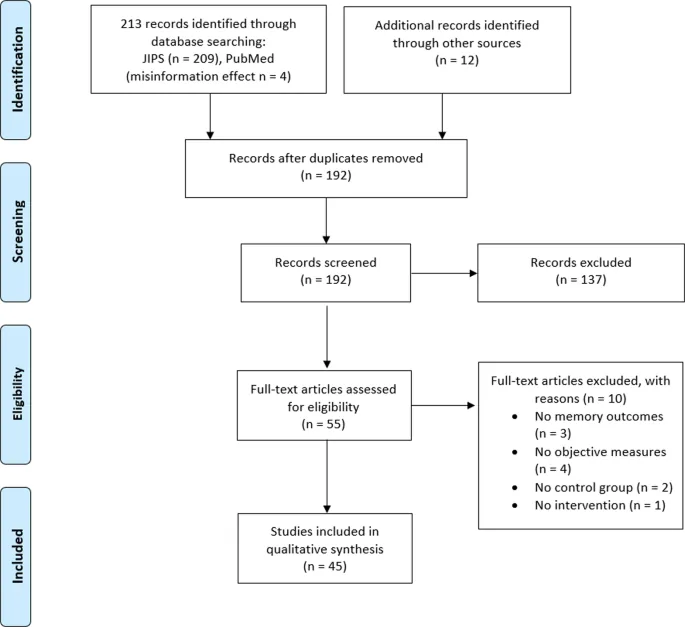
Psychological mindset also influences cognitive performance in non-clinical settings [1, 10]. A 2021 experiment by S. An and coauthors published in Cognitive Processing revealed that superstitious participants given an inert cognitive enhancer recalled more words on memory tests than less superstitious peers [1]. Meanwhile, psychologist Alia Crum at Stanford emphasized that an individual’s mindset can transform physical stress responses. When people view their daily routines or interventions through a positive framework, neuroendocrine responses shift to support resilience and recovery [10].
Ethical Limits in Clinical Medicine
Employing inactive treatments in healthcare practice presents deep bioethical challenges [3, 12, 15]. Bioethicist Miguel Kottow argued that routinely giving control placebos in Phase III research risks harming patients when proven therapies already exist. When participants are denied effective standard medicine, they risk disease progression simply to satisfy trial design preferences. International ethical guidelines under the Declaration of Helsinki now urge researchers to test experimental drugs against the best available therapy rather than inactive dummy pills whenever safe options exist [12, 15].
Deceptive prescribing in outpatient clinics creates another major risk by eroding patient trust [3, 12]. Edzard Ernst, professor of complementary medicine at Exeter, pointed out that promoting unproven remedies like homeopathy deprives patients of informed consent and genuine medicine. Ernst argued that if a patient needs an aspirin for headache, a compassionate doctor provides both the pharmacological drug effect and the reassuring clinical encounter. Prescribing sugar pills instead robs patients of real chemical therapy, and might prompt them to neglect serious medical conditions [3].
Rather than handing out dummy tablets, modern healthcare seeks to harness the human therapeutic encounter honestly. Research from the Program in Placebo Studies at Harvard Medical School confirms that patient-provider empathy, attentive listening, and clear communication stimulate natural healing pathways [9, 11]. By combining validated medical interventions with genuine personal care, clinicians can maximize recovery without deception [9, 12]. The power of expectations reminds medicine that compassionate treatment remains a central component of physical health.
- ACADEMIC JOURNAL Lombardi, F., Frisoni, M., Committeri, G., & Sestieri, C. (2026). Placebo and Nocebo Effects in Memory Performance: A Narrative Review. Journal of Cognitive Enhancement. [Article Link]
- ACADEMIC JOURNAL Howick, J. (2016). The relativity of ‘placebos’: defending a modified version of Grünbaum’s definition. Synthese, 194(4), 1363–1396. [Article Link]
- ONLINE NEWS Ernst, E. (2010). No to homeopathy placebo. The Guardian. [Article Link]
- ONLINE NEWS Hamzelou, J. (2026). Mind-altering substances are (still) falling short in clinical trials. MIT Technology Review. [Article Link]
- ONLINE NEWS Busby, M. (2026). Psychedelics may be no better than antidepressants for depression. New Scientist. [Article Link]
- DICTIONARY ENTRY Dictionary.com. (2020). Definition of placebo. [Article Link]
- ONLINE NEWS Dahl, M. (2015). The Placebo Effect Is Getting Stronger — But Only in the U.S. The Cut. [Article Link]
- ACADEMIC JOURNAL Rajagopal, S. (2007). The nocebo effect. Priory.com. [Article Link]
- WEBSITE Healing Works Foundation. (2020). Placebo and How Culture Affects Healing Outcomes. [Article Link]
- ONLINE NEWS Benning, M. (2023). Are the Dharma’s Healing Powers Just Placebo? Lion’s Roar. [Article Link]
- WEBSITE Program in Placebo Studies and the Therapeutic Encounter. (2014). Welcome to PiPS. Beth Israel Deaconess Medical Center and Harvard Medical School. [Article Link]
- WEBSITE Wikipedia. (2026). Placebo. [Article Link]
- WEBSITE Wikipedia. (2026). Inverse placebo effect. [Article Link]
- WEBSITE Wikipedia. (2026). Placebo in history. [Article Link]
- ACADEMIC JOURNAL Kottow, M. (2018). The improper use of research placebos. Journal of Evaluation in Clinical Practice, 16(6), 1041-1044. [Article Link]
- ACADEMIC JOURNAL Leader, J. F. (2026). The ‘knowcebo’ effect; an investigation into the relationship between knowledge, anticipation and the placebo effect. Dublin Business School. [Article Link]
Cover image: Wikimedia Commons, CC BY 4.0


