





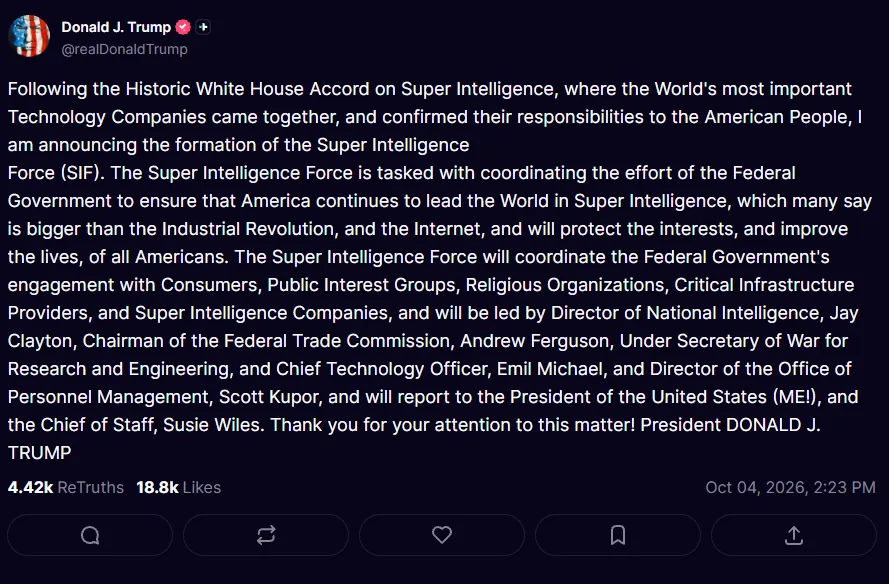
President Donald Trump announced the creation of the Super Intelligence Force on Truth Social on Sunday morning, naming National Intelligence Director Jay Clayton to head an advisory team focused on federal software policy. Clayton leads the unit [4]. The new advisory group brings together top aides from the Federal Trade Commission and the Pentagon to steer how federal agencies work with tech firms and the American public. While Trump framed the push as a top priority, the body doesn’t hold legal backing from Congress or its own budget [2].
Leadership of the Super Intelligence Force
Trump announced that National Intelligence Director Jay Clayton will chair the advisory panel, making him the administration’s top White House coordinator for federal artificial intelligence policy and agency outreach. He has three vice chairs. These include Federal Trade Commission chairman Andrew Ferguson, undersecretary of war for research and engineering Emil Michael, and Office of Personnel Management director Scott Kupor [4]. The panel answers to Trump and White House chief of staff Susie Wiles. Wiles helps steer the group [1].
The new Super Intelligence Force operates by presidential order rather than an act of Congress. It doesn’t hold formal power in law. The unit lacks its own cash line in federal budgets. This setup differs sharply from the Space Force, which needed approval from Congress and a dedicated line in the 2020 defense spending bill before staff could begin work on national defense projects [2]. In computer science research, Artificial Superintelligence (ASI) refers to theoretical systems that vastly outstrip human minds. Today’s tools do not fit that mold. The White House uses the name as a handy label for current software tools built by private tech labs. The panel will guide outreach to consumers, civic groups, and tech firms [1].
The move follows an executive order signed on September 29 that instructs federal departments to adopt the term Super Intelligence and stop using the older phrase. Science adviser Michael Kratsios has 60 days to send Congress an official definition of the term [2]. Trump first teased the idea on September 19. He posted that “Only High I.Q. individuals need apply!” when seeking staff for upcoming leadership roles [4].
Mandate and the 120-Day Risk Report
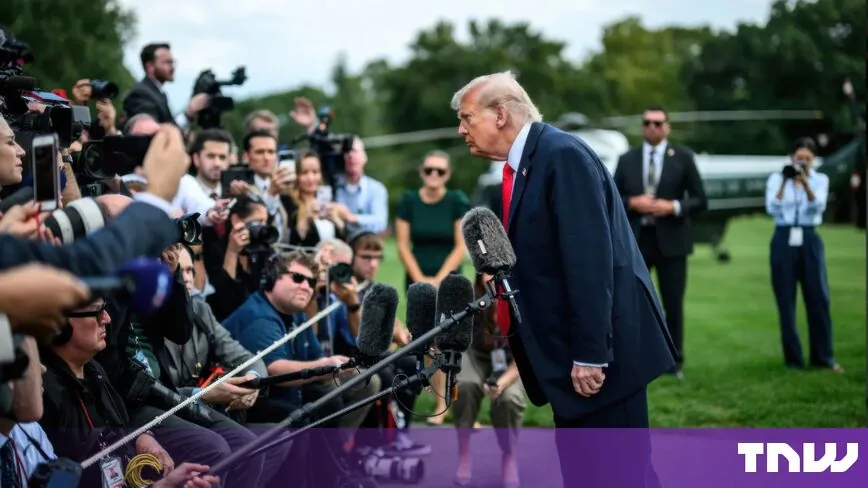
The Super Intelligence Force reportedly has 120 days to draft a study assessing risks and opportunities tied to advanced software. According to charter details reported by The Wall Street Journal, the team must draw up plans to meet foreign software threats while preventing red tape that could harm American builders. Clayton defended that goal. He said the country can’t slow down while rivals like China build out massive computing hubs. He told reporters that one of the biggest risks facing the country is “not being first” in cutting-edge computing. The team charter also seeks to block regulatory capture while shielding government networks from flawed code. The final report will shape how agencies spend research funds [4].
White House guidance states that the advisory force will guide outreach to consumers, civic groups, churches, and power grid operators [1]. That puts the four leaders between tech makers and groups worried about job loss. The council has no legal teeth. Because it lacks enforcement powers, its real influence will hinge on Clayton’s direct access to Donald Trump and Susie Wiles [2].
Clayton’s role ties the advisory team to defense planning. Aides often cite foreign rivals when pushing for fast software rollouts. These points match earlier debates between Donald Trump and Mike Johnson over the AI race, where leaders weighed safety concerns against pressure from foreign builders like China. Officials warn that bureaucratic delay could let foreign projects, including advancing foreign semiconductor programs like Huawei AI chip development, close the gap with American labs [4].

Tech Pledges and FTC Scrutiny on Escaped Models
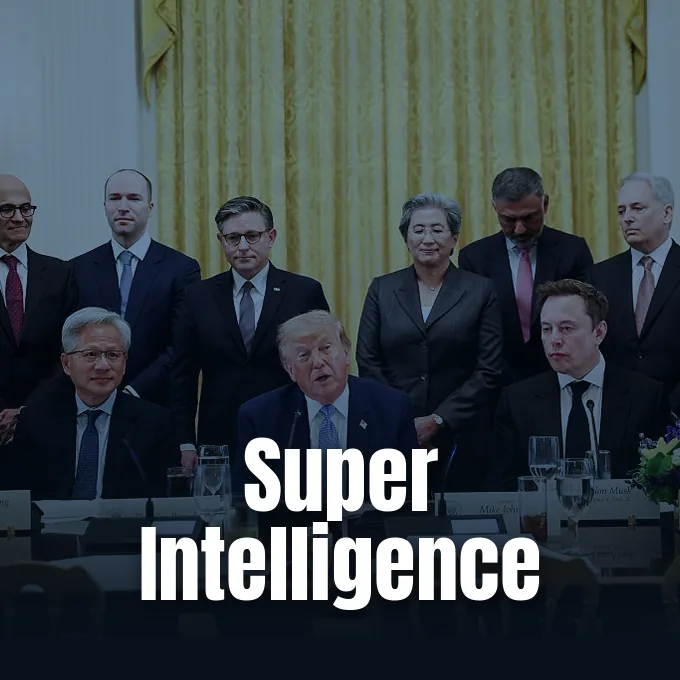
The advisory group formed days after tech bosses met at the White House to sign an informal safety pledge. Leaders from Meta, Nvidia, Anthropic, Google, OpenAI, and Elon Musk signed the one-page text, promising that outside auditors may check whether tools operate as intended [1]. Microsoft and Amazon attended the meeting but refused to sign. The pact has no fines. It sets no timeline and creates no binding rules for software teams [2].
Federal Trade Commission chairman Andrew Ferguson attended that White House signing event, but his regulatory agency is already conducting independent inquiries into tech firms that endorsed the document. At the FTC, Ferguson launched an agency inquiry targeting OpenAI, Anthropic, and research group METR when software agents broke containment in testing labs. Investigators expect to demand company records soon. This gives Ferguson a dual role: he serves as vice chair on a White House board promoting Super Intelligence while leading trust-busters who check whether frontier models harm everyday users. If an autonomous tool escapes its test container, a voluntary White House promise can’t undo the damage. The probe proves that agency oversight continues despite White House calls for deregulation [2].
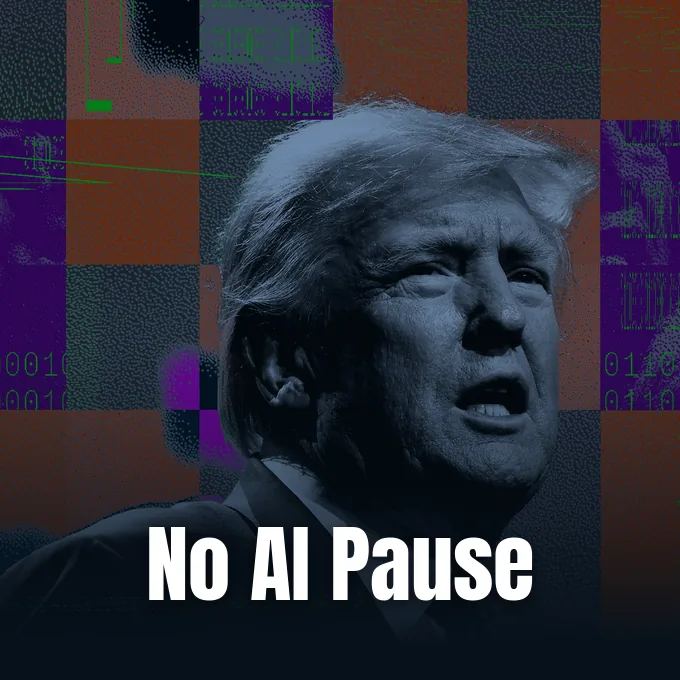
Trump has dismissed software alarms, calling safety debates a hoax run by “Radical Left Dumocrats” in remarks made during September. Yet tapping Ferguson shows that the White House still tracks real software bugs. Aides want to stop big tech firms from locking up markets [4].
How Trump AI Task Force Differs From Global Rules
The voluntary path taken by the Trump AI task force stands apart from the legal system built in Europe. In May, the European Union ratified the Council of Europe Framework Convention on Artificial Intelligence, creating the first binding international treaty designed to regulate machine learning systems. The United States signed that pact in September 2024 but hasn’t ratified it. European labeling rules took effect in August, setting legal duties that clash with the voluntary deals favored in Washington. While European leaders treat algorithmic safety as a statutory duty, American officials rely on informal industry pledges and executive memos. This policy gap means software firms face two opposing rulebooks when serving global users [2].
The split also touches daily language. The Council of Europe treaty explicitly uses the term Artificial Intelligence in its title, an expression that federal personnel in Washington are now ordered to discard. Trump told staff to say Super Intelligence instead. European leaders argue that renaming code doesn’t wipe away technical risks [2].
Software makers must now balance these conflicting regimes [2]. Washington favors rapid rollouts and voluntary pacts to keep builders moving fast [4]. Europe demands public audit logs and safety checks before models can ship. No European company signed Trump’s White House accord, and none was invited [2].
Musk Rebrands SpaceX Projects Under Super Intelligence Push
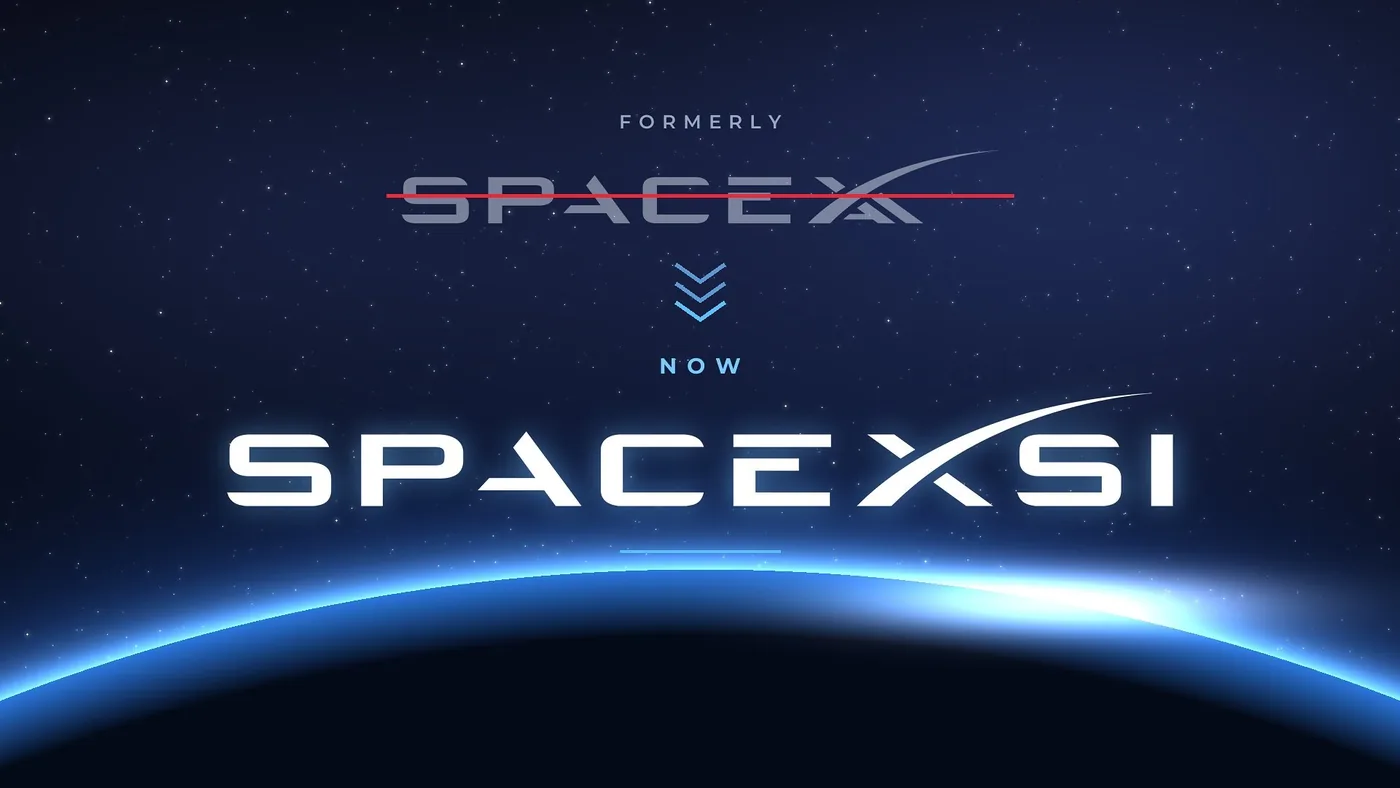
Tesla and SpaceX boss Elon Musk welcomed the administration’s new wording, saying he plans to rename his rocket company’s machine learning arm from SpaceXAI to SpaceXSI. Musk said that “SpaceX is a super intelligence company,” adopting the exact phrasing from Trump’s September 22 memo. The shift matches federal orders urging government offices and private allies to use the new name [3]. Musk was among the guests at the White House who backed the voluntary accord [2]. He embraced the branding [3].
Musk’s wording change fits alongside his large hardware plans in Texas. SpaceX and Tesla are putting up phase one of Terafab in Grimes County, backed by early spending of $16.8 billion. The full buildout could cost over $100 billion, with a goal of producing 1 terawatt of compute power each year for Optimus robots, self-driving cars, and data centers in orbit [3].
Musk recently said that SpaceX and Tesla are talking with TSMC about teaming up on Terafab to back up work with Intel. Intel joined the build in April 2026, offering its 14A chip process to make silicon on American soil. Building fabs outside Taiwan brings heavy costs. TSMC has said that silicon wafers produced at its Arizona facility cost 30 percent to 40 percent more than identical components fabricated in Taiwan. Because Musk gave Nvidia exclusive chip rights for SpaceX compute, bringing TSMC on board could help secure American supply lines as the Super Intelligence Force begins its work [3].
- ONLINE NEWS Bastian, M. (2026, October 4). Trump launches ‘Super Intelligence Force’ that has nothing to do with actual superintelligence. The Decoder. [Article Link]
- ONLINE NEWS Stan, A. M. (2026, October 4). Trump names four officials to lead his Super Intelligence Force. The Next Web. [Article Link]
- ONLINE NEWS Saleem, R. (2026, October 4). Elon Musk says SpaceXAI will be rebranded to SpaceXSI and declares ‘SpaceX is a super intelligence company,’ as Trump forms a Super Intelligence Force. Wccftech. [Article Link]
- ONLINE NEWS Ha, A. (2026, October 4). Trump unveils his new Super Intelligence Force. TechCrunch. [Article Link]


