




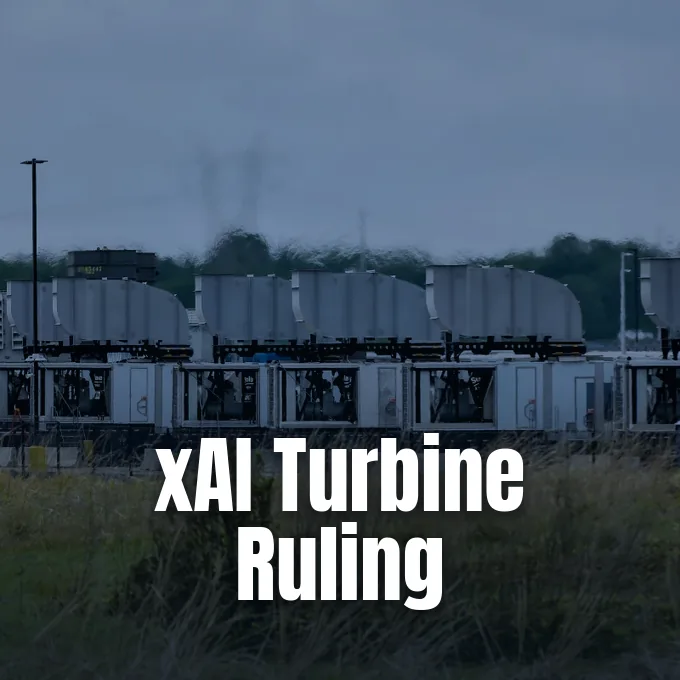
US District Judge Debra M. Brown has rejected a request by Elon Musk’s artificial intelligence firm to dismiss Clean Air Act claims in Mississippi. The ruling allows the xAI pollution lawsuit to move forward after civil rights advocates challenged unpermitted gas turbines powering a computing campus near Memphis. Musk’s company, which operates under SpaceX, argued that the power generators were mobile and exempt from standard permitting reviews. Judge Brown held that the site isn’t a mobile source under federal law [1].
Ruling on the xAI Pollution Lawsuit
The NAACP and its Mississippi State Conference sued xAI in April, alleging the company ran combustion turbines without mandatory air permits. Judge Brown rejected defense claims that private citizen groups lack standing under federal environmental statutes. “Because citizen suit plaintiffs sue on their own behalf, in their own name, and seek penalties that redress harm to themselves, they are not exercising the federal government’s executive power,” Judge Brown wrote [2].
The decision also dismissed company arguments that citizen enforcement violates Article II of the Constitution or the private nondelegation doctrine. Defense counsel claimed each generator was exempt because it sat on an individual trailer bed. Judge Brown rejected that reasoning, holding that an entire power site providing continuous energy to a data center cannot claim mobile status under Mississippi’s State Implementation Plan. “Because the plaintiffs have statutory standing under the Clean Air Act, because the combustion turbines are not ‘mobile sources’ under Mississippi’s [State Implementation Plan], and because the citizen suit provision does not violate Article II of the Constitution or the private nondelegation doctrine, the plaintiffs’ claims will proceed,” she wrote [3].
Attorneys from the Southern Environmental Law Center and Earthjustice represent the plaintiffs. Abre’ Conner, the NAACP director of environmental and climate justice, called the ruling an important victory for nearby residents. “Our position has been clear: xAI cannot operate gas turbines without the required permits,” Conner said [3].
Turbine Permits and Emissions in Southaven
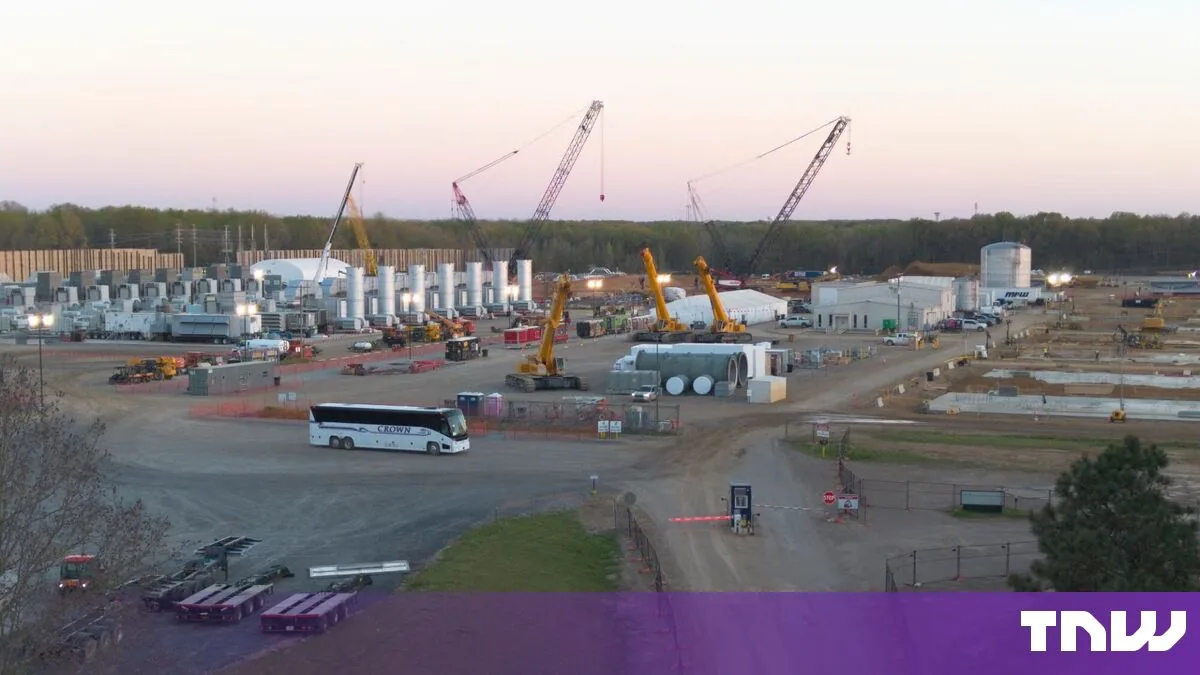
The xAI pollution lawsuit centers on xAI’s Colossus computing campus outside Memphis, Tennessee, and an adjacent turbine site across the state line in Southaven, Mississippi. Legal filings show that xAI and subsidiary MZX Tech installed gas turbines at the Southaven plant between August and December 2025. The original complaint stated that by April the company had installed at least 27 combustion turbines generating at least 495 megawatts of electricity. Later court documents from the Southern Environmental Law Center alleged that the company “installed and operated at least 35 combustion turbines and other sources of air pollution at the Colossus site without ever obtaining the necessary preconstruction or operating air permits” [2].
Community advocates argue that running large turbine clusters without state-mandated pollution controls releases dangerous emissions into nearby neighborhoods. Legal filings estimate the turbines could release about 1,700 tons of nitrogen oxides into the air each year. Nitrogen oxides contribute to smog and ozone, which aggravate asthma and other chronic respiratory illnesses. Because ground-level smog aggravates respiratory illnesses, the plaintiffs are asking the federal court to mandate pollution controls and levy civil penalties reaching up to $124,426 a day for each violation [2].
Musk’s company kept installing more turbines in Southaven despite the pending legal action. The firm wanted fast power for its artificial intelligence models. Public utilities couldn’t supply that much electricity on short notice [1].

Arguments over Mobile Equipment and Standing
In legal filings, xAI argued it acted in good faith based on state guidance. In July 2025, Mississippi’s environmental agency told xAI the turbines would be exempt from stationary air permits. The state agency reasoned that because each individual turbine sat on wheels and would remain on site for less than 12 months, the hardware could qualify as temporary mobile equipment [2].
Judge Brown reviewed the state regulator’s letter but rejected its authority over federal environmental rules. While she found the agency had “fairly notified” xAI of its position, she held that federal courts are not bound by informal state guidance. Under federal standards adopted by Mississippi, an industrial power site cannot claim mobile status simply because individual generators sit on trailer beds. Judge Brown determined that dozens of turbines connected to power a computing center form a single stationary plant. The company couldn’t use trailer mounts to bypass statutory Clean Air Act reviews [2].

The company also claimed community residents lacked standing to sue. Judge Brown dismissed that claim, noting neighbors face direct health risks from airborne emissions. She affirmed that Congress created citizen suits under the Clean Air Act so local communities could enforce federal environmental standards when polluters build without permits [3].
Federal Justice Department Involvement
The legal battle drew federal interest when the United States Department of Justice intervened in June. Government attorneys asked the court to dismiss the case, claiming xAI’s computing facilities support US military operations. On October 19, Judge Brown rejected the Justice Department’s motion to dismiss, allowing federal attorneys to participate in the proceedings while denying their bid to terminate the litigation [1].
The refusal to throw out the lawsuit against both xAI and the Justice Department gave community advocates fresh momentum. Abre’ Conner said federal environmental safeguards must protect local neighborhoods even when government agencies back private tech firms. “The courts have repeatedly rejected attempts by xAI and the DOJ to dismiss the NAACP’s Clean Air Act case,” Conner said [2].
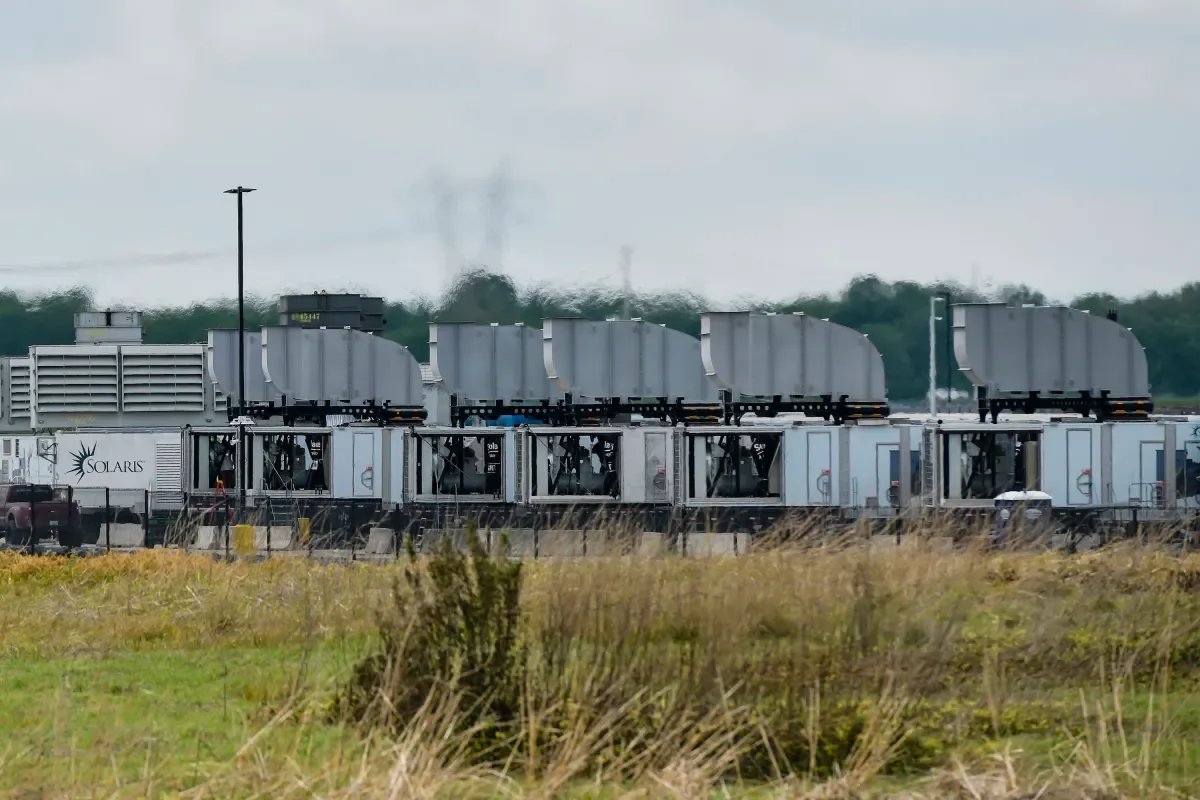
Air pollution isn’t the only issue facing xAI in Southaven. Neighbors have also filed a class action lawsuit over turbine noise and vibrations. Residents describe the constant sound from the generators and cooling fans as unbearable. In response to community anger, xAI offered to buy homes from property owners who agreed to drop their claims. While some property owners accepted the buyout offers to escape the industrial noise, other neighbors chose to stay and pursue their claims in court to protect local living conditions [2].
Next Steps in the xAI Pollution Lawsuit
With the motion to dismiss decided, Judge Brown must rule on the NAACP’s request for a preliminary injunction. An injunction could halt turbine operations or force xAI to install emissions scrubbers. SpaceX has not commented on the ruling. Legal observers note that an injunction against the Southaven generators could disrupt power to the Colossus 2 facility, testing how tech companies handle environmental standards during rapid hardware expansions [2].
The Mississippi dispute comes amid rising national scrutiny of artificial intelligence data centers and their massive power consumption. New York recently approved a moratorium on new data centers to evaluate grid strain and environmental damage. Meanwhile, voters in 10 US states will decide on ballot measures to restrict data centers on Tuesday, Courtney Rozen reported for Reuters. Public pressure has also pushed Amazon and Microsoft to stop using non-disclosure agreements in municipal negotiations over water, electricity, and local tax subsidies [3].
Data center growth is emerging as a contested issue in local politics. Tech companies are racing to build energy infrastructure, but community groups are turning to federal courts to protect clean air and water. For Memphis and Southaven, the ruling shows that federal environmental laws apply even during a tech boom. The xAI pollution lawsuit now moves forward into the discovery phase, where the AI company will have to defend its turbine operations against clean air claims on the evidence [3].
- ONLINE NEWS Chen, J. (2026, November 1). Judge says xAI must face NAACP lawsuit on data center pollution. Engadget. [Article Link]
- ONLINE NEWS Stan, A. M. (2026, November 1). xAI loses bid to dismiss NAACP lawsuit over Mississippi gas turbines. The Next Web. [Article Link]
- ONLINE NEWS Ha, A. (2026, October 31). Judge allows NAACP lawsuit over xAI data center pollution to move forward. TechCrunch. [Article Link]


