




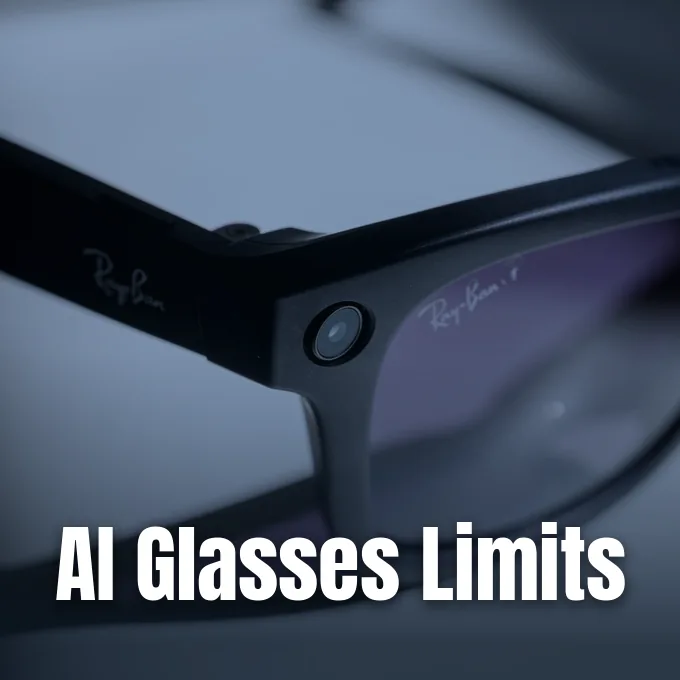
Hardware makers and consumers face real hardware boundaries as camera-equipped eyewear attempts to reach mainstream buyers. While a 2026 Security.org survey showed that 25 percent of respondents plan to purchase smart frames in the coming year, early feedback from tech publications shows that AI glasses disadvantages have begun to temper early market hype. Buyers encounter persistent compromises between optical comfort, battery runtimes, and public privacy that current models can’t yet eliminate [1].
Bystander Privacy in Public Spaces
Placing miniature lenses onto human eyewear creates social friction that handheld smartphones rarely provoke in daily routines. When someone lifts a phone, bystanders quickly recognize the body posture associated with video recording, but camera frames make capture far less noticeable. José Adorno of BGR said that smart glasses cameras aren’t easily noticeable, leaving nearby people unsure whether an audio clip or photo is being taken without their knowledge. Some brands have tried to skip the problem entirely. For instance, XGIMI designed its MemoMind One frames without an onboard camera, aiming to eliminate privacy disputes while preserving battery power [3].
Hardware protections have struggled to reassure the public or satisfy data protection authorities. Meta places a small notification LED on its frames to signal when recording, but researchers at Birmingham City University pointed out that the light is too subtle to offer meaningful notice in busy spaces. The problem deepens because captured audio and images feed straight into cloud systems, where transcripts and visual data can be saved for model training unless users proactively opt out. Within regions governed by strict data laws like the UK GDPR, storing bystander images and conversations without consent creates legal uncertainty for university campuses, workplaces, and public cafés [5].

Face-worn sensors also disrupt normal human connection by placing a digital filter between conversational partners. Wangfred wrote for INAIRSPACE that face-mounted displays create an uncomfortable dynamic where non-wearers can’t tell if they are receiving genuine eye contact or silent scrutiny. He said the device creates a clear power imbalance, allowing wearers to check a hidden feed while non-wearers stay in the dark. Instead of bringing people closer, the hardware can act as a shield that isolates users in crowded social gatherings [6].
Examining AI Glasses Disadvantages in Battery Runtimes
Balancing light frame construction against heavy battery capacity is the toughest engineering hurdle in wearable electronics. Everyday spectacles generally weigh between 35 to 50 grams, meaning any added battery bulk quickly causes discomfort along the nose bridge and behind the ears during extended wear. Wangfred explained that powering high-resolution micro-displays, wireless chips, and multi-sensor camera arrays all day is impossible within the confines of a slim spectacle frame. As a result, early adopters face an unwelcome choice between brief operating times or tethering the glasses to a separate battery puck (often carried inside a jacket pocket) with a dangling cable [7]. José Adorno observed that white-label frames shown at IFA 2025 all hit this power bottleneck, running down their cells in just a few hours of multimedia use [3].
Energy drain escalates when glasses attempt to deliver true augmented reality rather than basic audio playback. Snap’s 2026 Specs pack spatial projection hardware, but they manage only about four hours of runtime on a full charge before needing their case. In contrast, simpler audio designs like Meta’s Ray-Ban Meta Audio run for up to 12 hours on assistant tasks because they omit power-hungry optical displays. Removing the display extends battery life, but it turns the glasses into little more than high-priced earbuds with a camera [2].
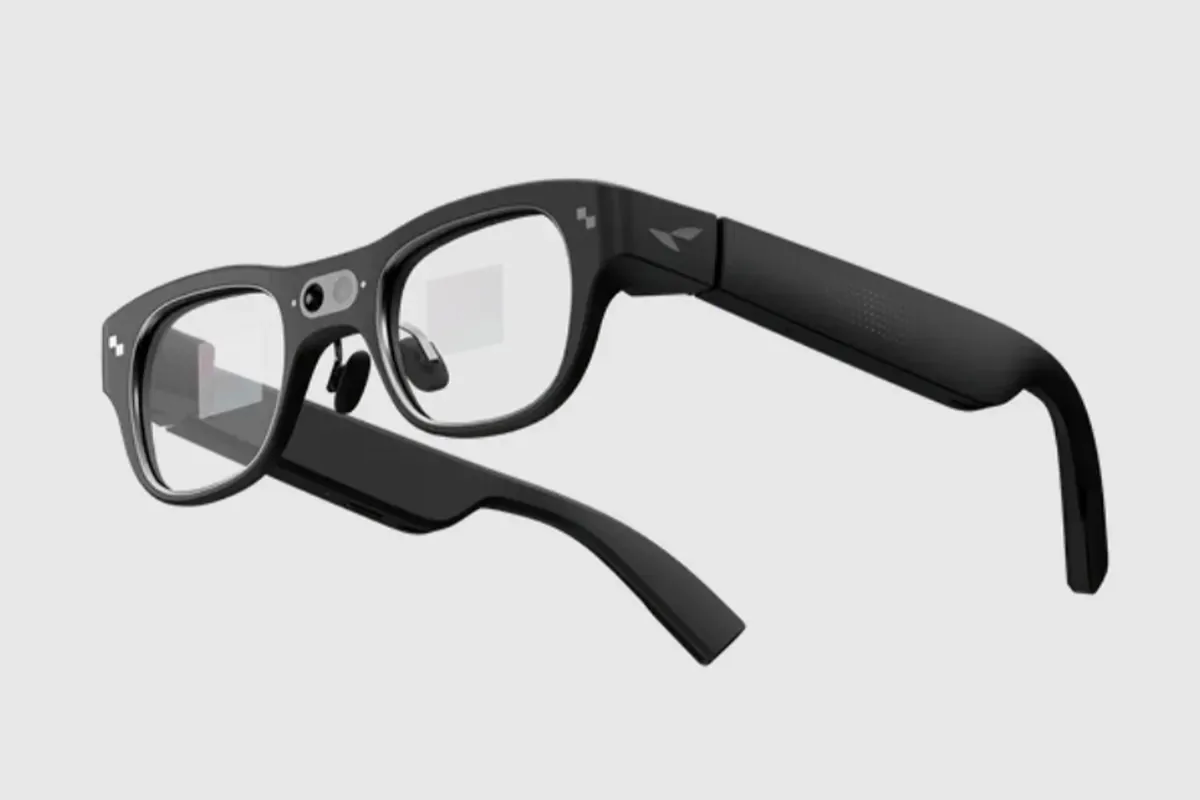
Hardware makers have responded with fast-charging technology and split device architectures to keep products usable. The RayNeo X3 Pro uses a charging system that restores power in about 38 minutes, combining a Snapdragon AR1 chipset with Bluetooth 5.3 and Wi-Fi 6 connectivity. Yet even with quick replenishment, author Yan Qi said AI glasses disadvantages include heavy reliance on companion smartphones, as miniature frames lack the processing power and battery headroom to run demanding computer vision locally [4].


Optical Constraints Causing Eye Strain
Positioning digital screens just centimeters from the human retina creates optical obstacles that standard television and computer screens avoid. Waveguide lenses beam graphics into the eye, but narrow fields of view restrict floating images to a small box in the center of the user’s vision. Wangfred reported that retinal micro-projectors provide sharper colors but suffer from a tiny eye box, where a minor slip of the frames on the nose can cause the entire interface to blur. Wearers must constantly adjust their frames while walking or speaking to keep the screen in focus [7].
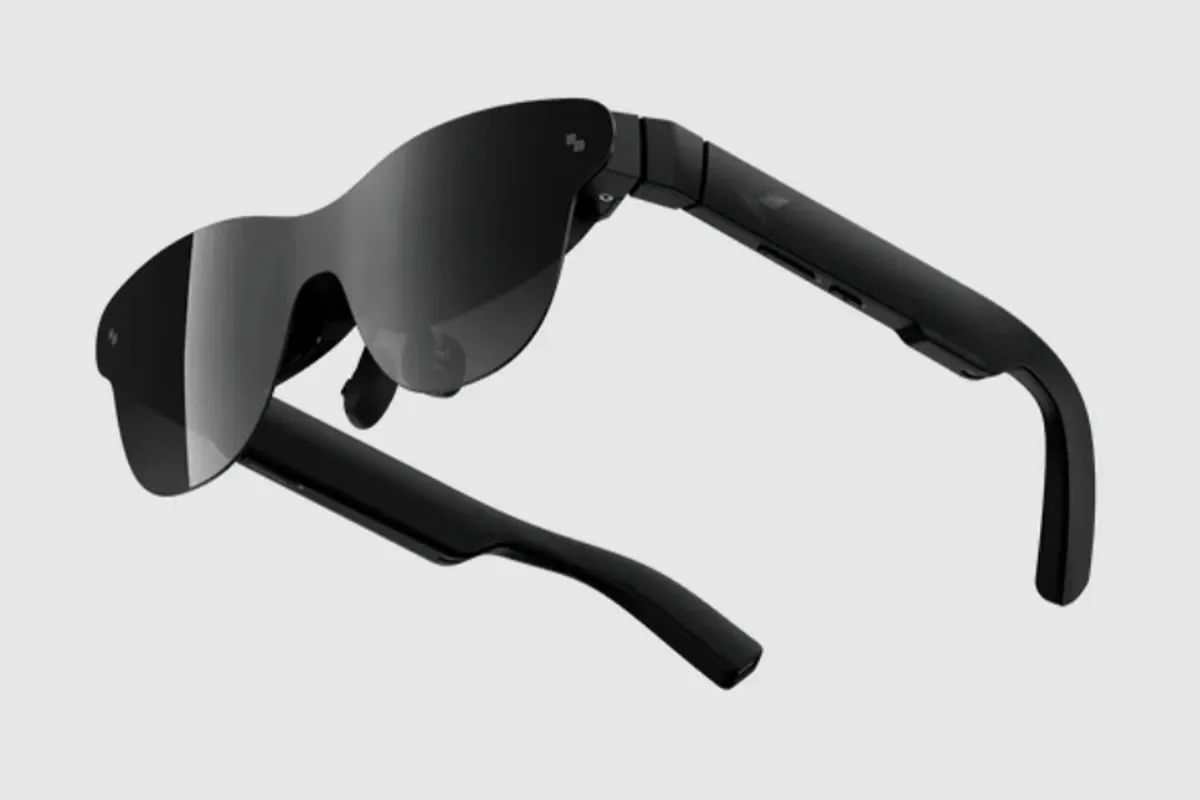
Constant focal switching takes a heavy toll on visual comfort. The eye must constantly jump between distant objects in the real-world room and bright text floating right before the pupil, triggering symptoms of digital eye strain. RayNeo warns that prolonged wearing can cause headaches, eye dryness, and temporary blurred vision, advising users to treat wearable displays like private entertainment viewports rather than all-day optical replacements. Some products, like the RayNeo Air 4 Pro, focus purely on projecting a 201-inch virtual screen with 120Hz refresh rates for movies, avoiding constant heads-up notifications [4].
Visual fatigue often leads to cognitive overload and dangerous real-world distractions. Filtering floating weather alerts, navigation arrows, and text messages while crossing busy streets strains mental energy and divides human attention. Wangfred warned that digital overlays in a person’s peripheral vision pose safety hazards on roads and sidewalks, stating that hands-free eyewear is “decidedly not minds-free” when busy moments demand full focus. The constant buzz of notifications can leave wearers mentally drained after just a few hours [6].
Assessing Smart Glasses Disadvantages in Consumer Pricing
Consumer adoption runs into steep financial hurdles in the wearable hardware market. Basic audio and camera frames from Meta start at $249, while newer Ray-Ban Meta Audio models cost $349, and display-enabled frames like Ray-Ban Display reach $799. At the experimental tier, Snap sells its augmented-reality Specs for $2,195, placing them out of reach for general consumers. When shoppers compare these prices to what they already own, buying wearable eyewear feels like paying hundreds of dollars for features their smartphone already delivers [2].
Custom vision needs push ownership costs even higher. José Adorno said that people who need corrective lenses must pay extra for prescription inserts, and brands often can’t accommodate strong astigmatism or high myopia within slim designer frames [3]. In addition, manufacturers may lock advanced features behind paid service tiers. INAIRSPACE observed that ongoing subscriptions for real-time translation and object recognition could turn hardware into an ongoing financial burden, deepening economic divides between those who can afford augmented vision and those who cannot [7].

These steep investments make clear sense for certain accessibility users, but struggle to justify themselves for general shoppers. A 2025 Scientific Reports study showed how connected frames assist people living with aphasia, while blind veteran Don Overton uses visual AI to read menus and navigate streets. Marine Corps veteran Noah Currier, who lives with quadriplegia, relies on voice-activated camera frames to take photos without hand controls. For people without accessibility needs, however, the financial cost outweighs the everyday benefits [2].
Platform Gaps and Missing Major Brands
The wearable computing sector suffers from an identity crisis partly because the industry’s most influential hardware makers haven’t launched competing products. Adorno wrote in BGR that smart eyewear won’t achieve clear purpose until Apple enters the race, with rumors suggesting the Cupertino company won’t debut its own glasses until 2027. Smaller innovators like Rokid and L’Attitude continue to release hardware, but the market currently revolves around Meta’s designs, leaving buyers with variations of a single template [3].
Upcoming entries from Google and Samsung aim to shift momentum through Android XR partnerships with eyewear labels Warby Parker and Gentle Monster. While Gemini-powered visual assistants promise contextual answers, users still face the risk of model hallucinations. TechnologyHQ pointed out that relying on heads-up AI for medical advice, street directions, or food allergens carries serious hazards when models misinterpret visual scenes [2]. Latency between user speech and cloud responses can also make real-time translation awkward in fast-paced conversations [7].
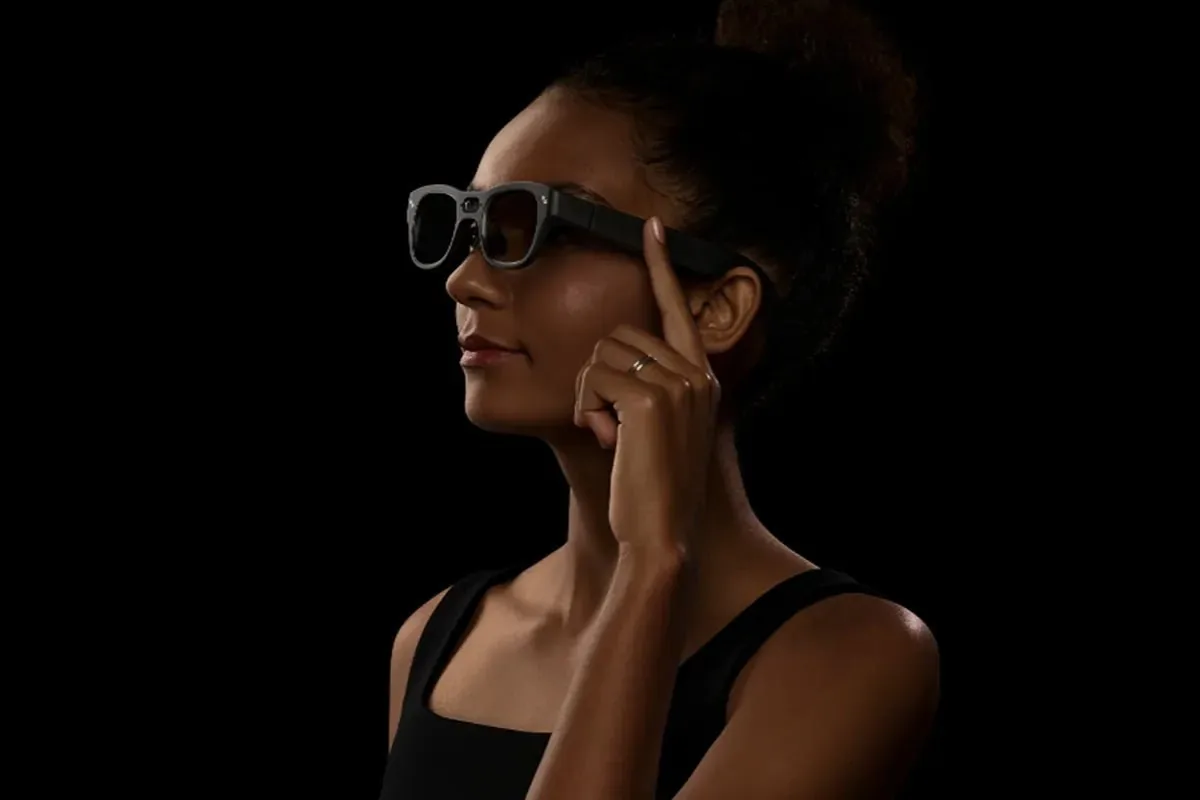
Smart eyewear is still an evolving category trying to define where it fits into everyday life. Early adopters must balance hands-free convenience against battery limits, social hesitation, and the chore of managing another connected ecosystem. Until manufacturers solve optical eye strain and build universally accepted privacy norms, smart glasses will function as niche companion gadgets rather than effortless replacements for the pocket smartphone [1].
- ONLINE NEWS Fisher, M. (2026, November 8). The biggest disadvantages of using AI glasses. Engadget. [Article Link]
- ONLINE NEWS TechnologyHQ. (2026, September 24). Smart Glasses in 2026: The Pros and Cons You Should Know Before You Buy. TechnologyHQ. [Article Link]
- ONLINE NEWS Adorno, J. (2026, July 17). 5 Disadvantages Of Buying Smart Glasses In 2026. BGR. [Article Link]
- WEBSITE Qi, Y. (2026, July 30). Advantages and Disadvantages of Smart Glasses: What You Need to Know. RayNeo. [Article Link]
- WEBSITE Birmingham City University. (2026, January 1). The hidden risks behind Meta’s AI glasses. BCU Computing Blog. [Article Link]
- WEBSITE Wangfred. (2025, September 25). Disadvantages of Smart Glasses: The Hidden Costs of Wearing the Future on Your Face. INAIRSPACE. [Article Link]
- WEBSITE Wangfred. (2025, November 30). Biggest Limitations of AI Glasses 2025: The Gaping Chasm Between Hype and Reality. INAIRSPACE. [Article Link]


