




Toei Animation premiered the enhanced remake series Dragon Ball Super: Beerus on Fuji Television, introducing subtle revisions to early lore that reshape how fans understand Saiyan history. The production updates animation sequences and refines the narrative structure originally broadcast in 2015, adjusting visual cues that surround the legendary origins of the Super Saiyan God [2]. Most notably, the new presentation replaces an older silhouette with a clear Yamoshi redesign that ties Goku directly to an ancient family line [1].
Reconstructing the Battle of Gods Arc
Toei Animation developed the enhanced anime for its 70th anniversary and the 40th anniversary of Akira Toriyama’s manga. Executive producer Keisuke Naitō and unit director Matsuto Seya altered the narrative pacing to align the story with the published manga created by Toriyama and Toyotaro [2, 3]. Early episodes trim Goten’s search for Videl’s wedding gift and reduce Vegeta’s family vacation. Animators also redrew the alien defender on planet Mogina. By eliminating those secondary diversions, Toei Animation prioritized the central deity confrontation over comedic filler that originally stretched the broadcast length during the 2015 television debut [2, 3].
The production team relied on archived audio tracks from the original cast while re-recording selected roles like Yamcha, voiced by Ryōta Suzuki. Akio Iyoku said creative planning started several years before release, focusing on narrative reconstruction instead of cosmetic polish. Seya discarded unrecyclable cuts. Artists redrew entire combat sequences from scratch to integrate modern compositing with classic animation [2].
International distribution expanded quickly after the domestic premiere, reaching North American audiences through Crunchyroll and Hulu. Netflix added the episodes to select international catalogs on October 14 and American libraries on October 17 [2]. International viewers following the Netflix streaming release of Dragon Ball Super: Beerus noticed that the streamlined cuts keep audience attention locked on the central deity conflict. Streamlined storytelling creates room for sharper mythological reveals.
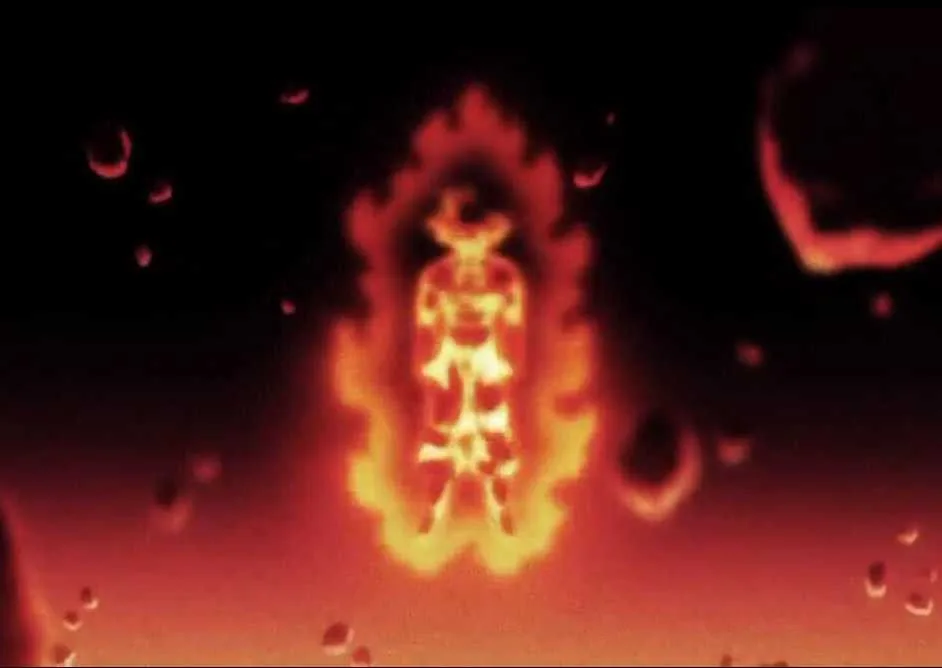
Yamoshi Redesign in the New Anime
Yamoshi first unlocked Super Saiyan power thousands of years in the past. In Dragon Ball Z: Battle of Gods, Toei depicted Yamoshi with a Vegeta-inspired hairstyle that closely mirrored Vegeta’s silhouette. Fans assumed Yamoshi belonged to the Saiyan Royal Family, even though Akira Toriyama established that the ancient rebel fought directly against ruling evil Saiyans rather than serving them [1]. Alberto González of Vandal Random reported that the 2015 anime maintained that ambiguous outline. Debate persisted because the television series left his ancestry unresolved [3].
Dragon Ball Super: Beerus discards that old silhouette entirely, opting instead for a deliberate Yamoshi redesign that gives the ancient hero Goku’s facial structure and hair. Renan Fontes of GameRant said the change removes accidental ties to Vegeta’s family, bringing the visual identity into harmony with Toriyama’s underlying canon [1]. Beerus no longer sees a royal frame in his Episode 1 vision [3]. The deity sees a warrior resembling Goku [1].
Toriyama originally described Yamoshi as a pure-hearted warrior whose spirit wandered through space searching for righteous Saiyan allies [3]. The enhanced anime uses his new look to align disparate lore threads into a unified continuity. Writers at Toei Animation have frequently trimmed or reconciled non-canon Dragon Ball characters to keep the broader timeline clean. By replacing the Yamoshi Vegeta-esque silhouette, the creative staff used the Yamoshi redesign to erase an old contradiction and anchor Goku’s appearance in ancient history [1].


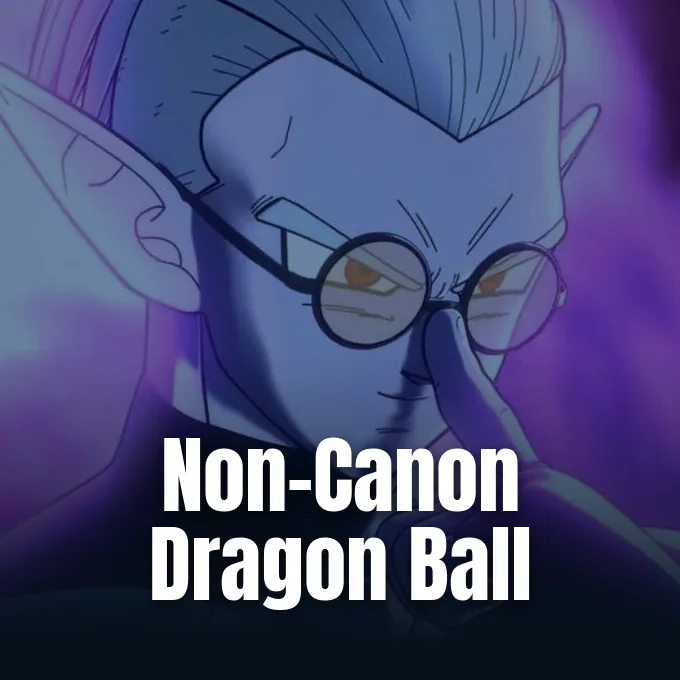
The Dream Vision and Ancient Armor
Beerus woke from a decades-long nap with an elusive dream about fighting a divine Saiyan warrior. He destroyed half an alien planet because their local food tasted too greasy. Old Kai sensed this sudden destruction from afar and warned King Kai, while Beerus consulted the Oracle Fish to verify the prophecy even though his nocturnal visions never provided true future sight [1, 2].
Why did Beerus envision a warrior in ancient armor instead of modern clothing? Fontes said Beerus is neither a psychic nor a prophet capable of seeing exact future events. Instead, Beerus heard the Oracle Fish describe a Super Saiyan God and filled the gaps in his memory with past encounters. Because Beerus and Yamoshi both lived as Ancient Gods from Universe 7, the deity likely remembered Yamoshi’s legendary rebellion against evil Saiyans or encountered him during earlier galactic eras. The warrior in the vision does not wear the Turtle School Gi Goku wears in battle, nor does the attire match the Goku Resurrection F dogi. The figure wears an ancient combat tunic, matching primitive Saiyan armor [1].
Whis eventually retrieved historical visual records of Goku defeating Frieza on planet Namek, convincing Beerus to travel directly to King Kai’s small world. Goku challenged the deity using Super Saiyan 3, but Beerus ended the battle with a simple shoulder tap. The deity realized Goku had not yet unlocked godly power [2].
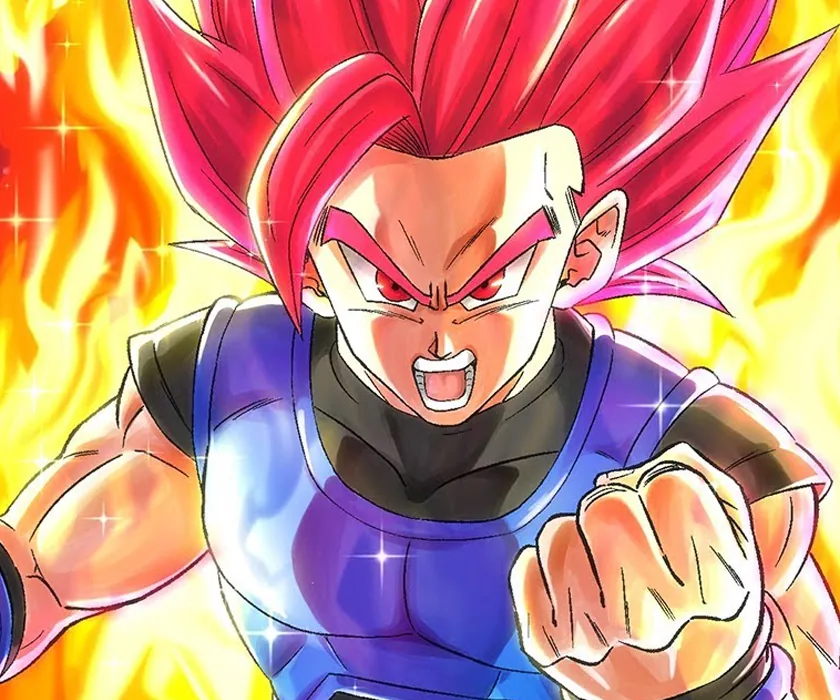
How Legends Connects the Yamoshi Redesign
The visual clues linking Yamoshi to Goku find concrete backing in Dragon Ball Legends’ expanded mythology. Akira Toriyama designed the mobile game’s protagonist, Shallot, as an ancient Saiyan from Yamoshi’s era who shares Goku’s gentle demeanor, fierce combat drive, and distinctive physical features. Shallot struggles against a twin brother named Giblet, mirroring the famous rivalry between Goku and Vegeta. In the mobile game’s story, Shallot is explicitly established as a direct blood descendant of Yamoshi, carrying the legendary warrior’s heritage forward across generations. Toriyama created an unbroken family line [1].
The Yamoshi redesign in the new anime cements this genealogical link by matching Yamoshi’s face to Goku instead of Vegeta. While Broly stands as Universe 7’s true Legendary Super Saiyan in physical anomaly, Yamoshi’s biological lineage flows through Goku’s household. Their shared ancestry indicates that Bardock, Raditz, Gohan, and Goten all share Yamoshi’s ancient bloodline [1].
Goku’s ancient ancestry explains why he consistently exhibits an affinity for God Ki without belonging to the Saiyan ruling aristocracy. Though the villain Turles proved that low-class Saiyans often share similar spiky hairstyles, Shallot’s canonical ties confirm that Goku’s look isn’t a random genetic coincidence [1]. Toriyama repeatedly used generational parallels to enrich character backgrounds across his creative career [3]. By integrating visual elements from Dragon Ball Legends, Toei Animation validates decades of subtle worldbuilding through a single coherent redesign [1].
Episode Releases and Broadcast Details
The Japanese television broadcast began on October 11, 2026, when Fuji Television aired the first episode in a late-night timeslot at 11:15 p.m.. The series replaced One Piece on the network schedule while that production took a planned hiatus. Before the domestic broadcast, Toei Animation hosted a world premiere at New York Comic Con on October 8, featuring Bulma’s voice actress Monica Rial with Jason Douglas and Ian Sinclair. The opening chapter introduced peaceful domestic life, showing Mr. Satan delivering 100 million Zeni so Goku could train freely with King Kai. Goku resumed training immediately [2].
Subsequent installments pushed the narrative toward the Earth confrontation, culminating in Episode 3 on October 25. In that chapter, Beerus crashed Bulma’s birthday celebration, easily knocking out Android 18, Piccolo, Tien, and Gotenks. Even Vegeta’s furious assault failed to damage the deity [2].
Episode 4, titled “The God of Saiyans,” arrived on November 1, 2026, setting the stage for the formal debut of the Super Saiyan God transformation. Composer Norihito Sumitomo scored the enhanced soundtrack. Opening theme “Onogami” is performed by Megatera-Zero, whereas ending track “Kanpeki no Peki” features vocals from VK Blanka. Director Seya and chief animator Tadayoshi Yamamuro rebuilt individual frames and composited fresh cuts so that every revised battle sequence honors Toriyama’s creative legacy while solidifying Goku’s central place in ancient Saiyan lore [2].
- ONLINE NEWS Fontes, R. (2026, November 1). Dragon Ball Super: Beerus Confirms Goku & Yamoshi Are Related By Blood. GameRant. [Article Link]
- WEBSITE Wikimedia Foundation, Inc. (2026, September 6). Dragon Ball Super: Beerus. Wikipedia. [Article Link]
- ONLINE NEWS González, A. (2026, October 17). ‘Dragon Ball Super: Beerus’ cambia una parte importante del anime original y deja fuera de su arco al primer Super Saiyan God. Vandal Random. [Article Link]


