




Comic Book Resources published a curated analysis on October 18, 2026, examining how anime fight choreography separates memorable action series from shows that rely purely on explosive special effects. Writer Angelina Bonilla pointed out that exceptional battles depend on fluid movement, creative camera work, and disciplined pacing. Screen Rant writer Casandra Ronning echoed that perspective on the same day, reviewing superpowered anime that appeal to fans of Marvel Comics and DC Comics looking for episodic action [2]. Both outlets showed that lasting fight scenes succeed when clear personal stakes and sharp character movement anchor each brawl [1].
Anime Fight Choreography in Boxing Stories
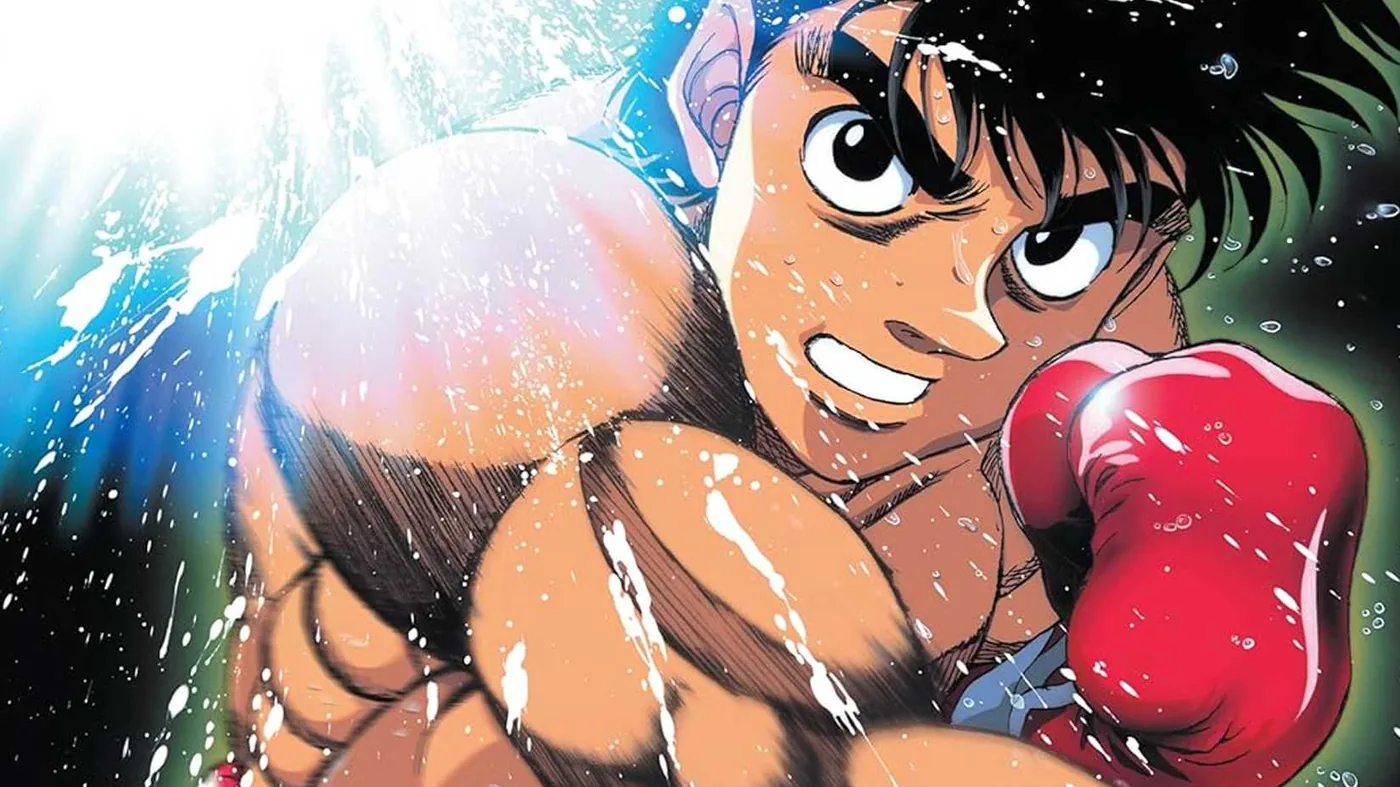
The boxing matches in Hajime no Ippo rely on genuine pugilistic fundamentals instead of supernatural energy blasts. The manga began serialization in 1989, and the original television run aired from 2000 to 2002 before later specials arrived, adapting events up to around chapter 557 when Ippo Makunouchi defends his championship belt for the very first time. Bonilla said the matches succeed because they center on footwork, head movement, and well-timed counterpunches. It doesn’t lean on unearned power upgrades to resolve a difficult round [1].
Capcom drew inspiration from these exchanges for the boxer Dudley in Street Fighter, translating the rhythm of the punches to fighting game inputs. Realistic pacing and defensive precision also shape how developers build close-range combat systems, a topic explored in the Marvel Tokon Fighting Souls review. Speed lines and impact frames convey the force behind every blow as stamina drains from both athletes. The bout turns into a “battle of technique and endurance” where split-second choices decide the outcome rather than simple brute strength, making even basic jabs feel thrilling to watch [1].
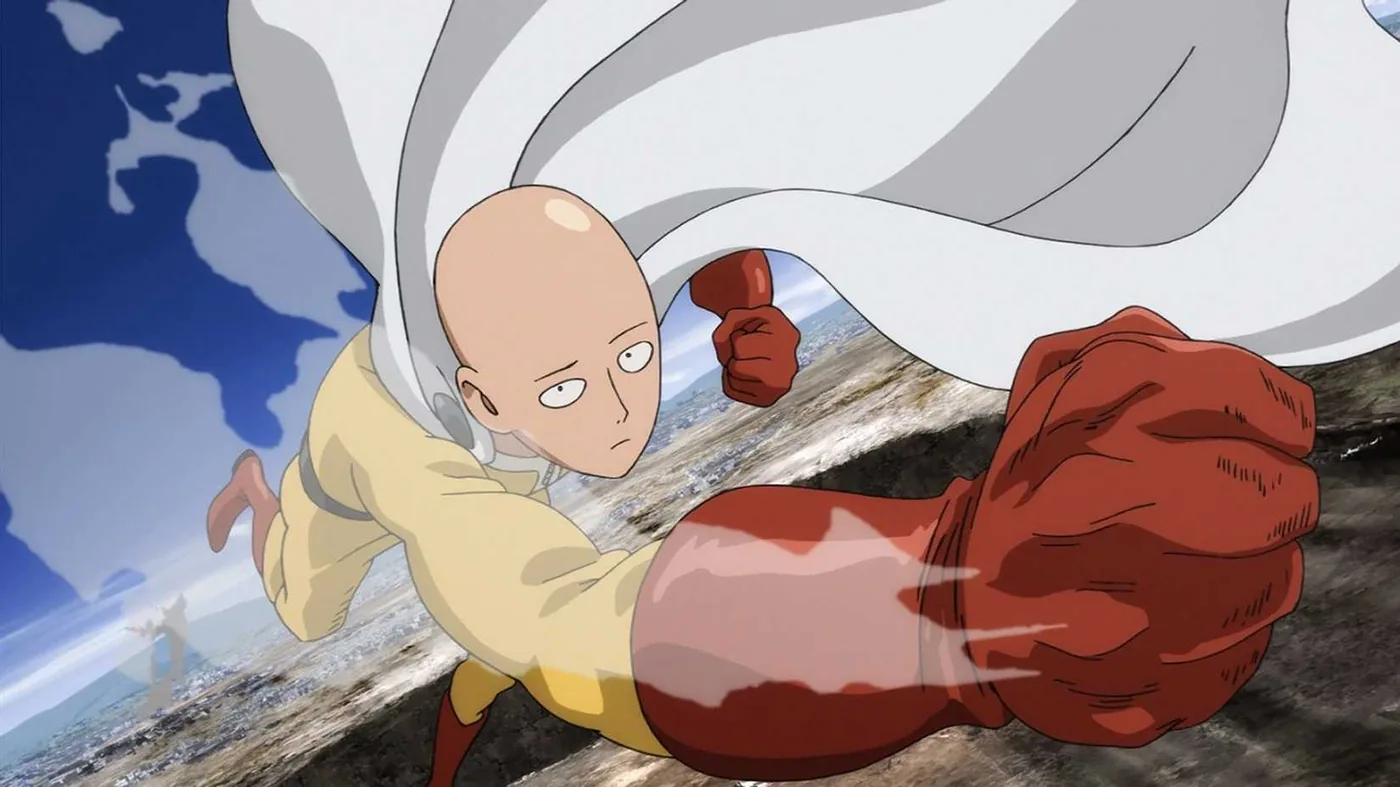
Pugilism in One-Punch Man takes an opposite turn. Saitama defeats every challenger with a single punch, an effortless routine that leaves him bored after joining the Hero Association during the 2015 anime season [2]. He can’t enjoy easy wins.
Mercenary Gunplay and Katana Duels
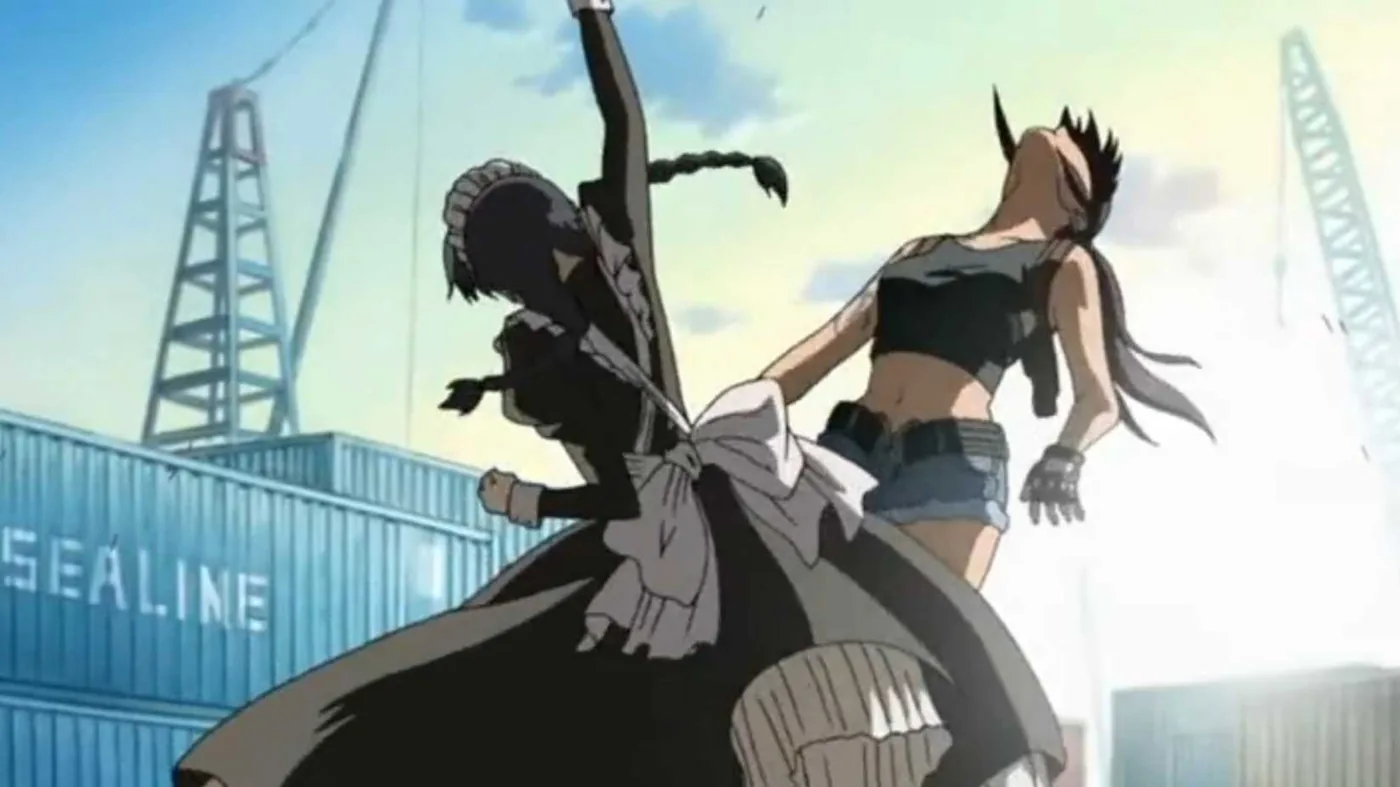
Firearm clashes in Black Lagoon take a different route by turning underworld skirmishes into mobile tactical contests. Revy carries twin cutlass pistols through criminal havens in Southeast Asia, where her short temper sparks chaotic shootouts. The animation staff didn’t give her magical shields or supernatural agility. Instead, her survival depends on spatial awareness, physical cover, and rapid positioning during close-range shootouts where environmental hazards and ricocheting bullets force combatants to constantly shift their angles of attack. When she trades punches with the maid Roberta, the confrontation shifts from dual pistol fire to raw brawling as both fighters run out of ammunition [1].
Sword duels add heavy personal stakes when paired with patient narrative pacing. Production I.G released Blood+ in 2005, drawing creative inspiration from the animated film Blood: The Last Vampire. The story spans 50 episodes, following Saya Otonashi as she wields a sharp katana to eliminate monstrous Chiropterans in a centuries-old supernatural conflict. Fights in the series are spaced far apart, letting emotional tension build between skirmishes. That buildup leads to Saya’s duel against her twin sister Diva at the Metropolitan Opera House, where both coat their swords in their own blood before charging toward each other in a final simultaneous strike that resolves their long family war. In Moribito: Guardian of the Spirit, the bodyguard Balsa uses spear combat to protect Prince Chagum, relying on reach and defensive leverage against veteran swordsmen [1].
Balsa outmaneuvers her opponents through patience and foot placement, avoiding reckless brawling. Her bodyguard duties demand quick defensive adjustments when multiple attackers strike together. Every spear thrust carries weight because her enemies are experienced warriors who test her stamina [1].
Fluid Anime Fight Choreography in Fantasy Battles
Unusual weapons help push anime fight choreography into fresh visual territory. In Read or Die (R.O.D), British Library agent Yomiko Readman controls paper sheets, hardening them into razor blades, defensive shields, and giant paper constructs. Her battles stay unpredictable because she turns office supplies into lethal tools against heavily armed opponents. Land of the Lustrous takes another approach by using three-dimensional computer graphics for crystalline Gems whose brittle limbs shatter during high-velocity clashes, giving each exchange an uncommon sense of speed. Dynamic camera angles sweep through the battlefield, showing agility that traditional hand-drawn frames struggle to capture [1].
Even in Futari wa Pretty Cure, Cure Black and Cure White skip magical distance beams, choosing pro-wrestling throws and tandem kicks to defeat evil forces. Their acrobatic combinations make the heroines feel like seasoned martial artists who rely on teamwork. In Hunter x Hunter, the Nen system functions through binding vows and creative trade-offs where mastering Nen requires more than raw strength alone. Gon Freecss pushes his Nen to fatal limits against Pitou in the Chimera Ant arc, while Kurapika risks his life to bind Uvogin. In The Garden of Sinners (Kara no Kyōkai), Shiki Ryougi uses her Mystic Eyes of Death Perception to perceive lines of mortality, pairing knife strikes with calm precision [1].
In Samurai Champloo, sword duels match hip-hop beats in an alternate Edo period. Mugen uses breakdance footwork while Jin relies on disciplined swordsmanship [1]. It keeps every duel fresh.
Superhero Clashes for Comic Readers
Western comic enthusiasts often look for serialized stories with deep rosters of heroes and villains. In her Screen Rant feature, Casandra Ronning said that anime offers natural starting points for fans of Marvel Comics and DC Comics who want episodic action. Bungo Stray Dogs introduces Atsushi Nakajima, an orphaned youth who discovers his ability to transform into a white tiger before joining the Armed Detective Agency in Yokohama. The investigators use literary abilities to solve supernatural crimes and confront syndicates, echoing detective comic story arcs. The series avoids clean divides between good and evil, questioning character motives as battles unfold. The agency’s detectives must outthink rivals whose abilities counter their own, producing battles that feel like tactical chess matches rather than simple showdowns [2].
Buddy-cop tension and commercial sponsor influence drive Tiger & Bunny, set in the futuristic metropolis of Stern Bild City. Superpowered humans known as NEXT compete on the reality program Hero TV, earning sponsorship points while fighting crime. Veteran hero Kotetsu T. Kaburagi, known as Wild Tiger, clashes with his newcomer partner Barnaby Brooks Jr. over ideological differences and public investigation tactics. Their armored skirmishes blend superhero aesthetics with commentary on commercial branding. It isn’t just about punch power; commercial sponsors dictate which heroes gain public favor [2].
My Hero Academia: Vigilantes explores a similar street-level perspective through Koichi Haimawari, Pop Step, and Knuckleduster. Operating without hero licenses, they protect neighborhood alleys while shedding light on the early backstories of Pro Hero Shota Aizawa and the ruthless vigilante Stain [2].
Superpowered Action in Recent Adaptations
Fresh anime adaptations continue to test experimental animation and dark premises. Psyren debuted on October 5, 2026, adapting manga material that first saw publication in 2007 before expanding into a high-stakes survival struggle. High school student Ageha Yoshina enters an apocalyptic wasteland, forced into survival games where psychic powers awaken under lethal pressure. Meanwhile, the Chinese animated production To Be Hero X “takes place in a world where public trust determines a hero’s strength” and appearance. Ranked heroes like Nice and Queen fight in a tournament held every two years for the title of X, switching between 3D and 2D animation styles. That stylistic mix gives each hero a clear presence during clashes [2].
Combat takes a physical toll. In Kaiju No. 8, protagonist Kafka Hibino is a 32-year-old worker who gets an opportunity when the Defense Force raises its enrollment age ceiling to 33. After absorbing a small kaiju, he gains monstrous strength while hiding his transformation from squadmates. That balance between vulnerability and raw power mirrors Denji’s journey in Chainsaw Man, where devil hunting exacts heavy personal costs. Mob Psycho 100 delivers energetic animated sequences as psychic middle schooler Shigeo Kageyama balances telekinesis against everyday emotional growth under con man Reigen Arataka. As production teams refine their craft, Solo Leveling anime rivals won’t succeed without sharp anime fight choreography to keep viewers invested in every brawl [2].
In My Hero Academia, Izuku Midoriya trains at U.A. High after inheriting power from the world’s greatest hero. His journey shows that combat choreography works best when character growth drives every punch [2].
- ONLINE NEWS Bonilla, A. (2026, October 18). 10 Anime Series Where Every Fight Is a Masterpiece. Comic Book Resources. [Article Link]
- ONLINE NEWS Ronning, C. (2026, October 18). 10 Masterpiece Anime Every Marvel And DC Fan Has To Watch At Least Once. Screen Rant. [Article Link]


