





Patients who wear noise-cancelling headphones during surgery under general anesthesia experience less nausea and vomiting afterward, according to clinical trial findings presented at the Anesthesiology 2026 annual meeting in San Diego. The randomized trial, led by anesthesiologist Dr. Huayue Liu at the First Affiliated Hospital of Soochow University in Suzhou, China, tested whether acoustic shielding could lessen a common postoperative problem. While standard anti-nausea drugs do not always protect every patient, simple auditory defense reduced complication risk by 32 percent [1].
Clinical Trial at Soochow University
Postoperative nausea and vomiting is among the most frequent and unpleasant complications that follow surgical anesthesia. Patients who suffer from it face fluid loss, longer hospital recovery stays, and extra medication use. For surgical teams, preventing these symptoms without piling on additional medications is an ongoing clinical challenge [1].
To investigate whether a non-pharmacological intervention could shield patients, Dr. Huayue Liu and his colleagues at the First Affiliated Hospital of Soochow University in Suzhou, China, designed a randomized clinical trial involving 192 adults (ages 18 to 65) [1]. All participants underwent keyhole gynecological surgery under general anesthesia, a patient category recognized for carrying high baseline rates of postoperative nausea and vomiting [2]. Even when receiving recommended preventive medicines before surgery, these patients often experience sickness while waking up from general anesthetics. By focusing on this high-risk surgical group, the researchers aimed to evaluate whether reducing operating room noise could provide measurable clinical protection [1].
Dr. Liu and his Soochow University team divided the 192 participants into two study groups to isolate the impact of sound. Half wore over-the-head noise-cancelling headphones from the start of anesthesia until surgery ended, while the remaining half had the procedure without ear protection. Both groups received the same anesthesia protocols and standard drugs for postoperative nausea and vomiting, ensuring that noise dampening was the sole variable tested during surgery [1].
Can Noise-Cancelling Headphones Lower Surgical Risks?
Within 48 hours following surgery, 35.4 percent of patients who wore noise-cancelling headphones experienced postoperative nausea and vomiting, compared to 52.1 percent of patients who did not receive acoustic protection. Shielded patients had a 32 percent lower risk than those without acoustic protection. In clinical terms, about 17 fewer patients developed nausea or vomiting for every 100 people who wore the headphones throughout their operation [1].
The benefit of wearing headphones was clearest during the first 24 hours of recovery, when nausea and vomiting episodes were noticeably lighter [1]. In New Scientist, science writer Chris Stokel-Walker noted that shielded patients vomited less frequently and felt far less disruption to their daily recovery routines [2]. In addition, clinical teams at Soochow University confirmed that wearing the gear caused no rise in adverse events, showing that acoustic shielding carries no extra safety penalty for patients under general anesthesia. Hospital teams could keep the devices on without complicating anesthesia maintenance or surgical monitoring during the operation [1].
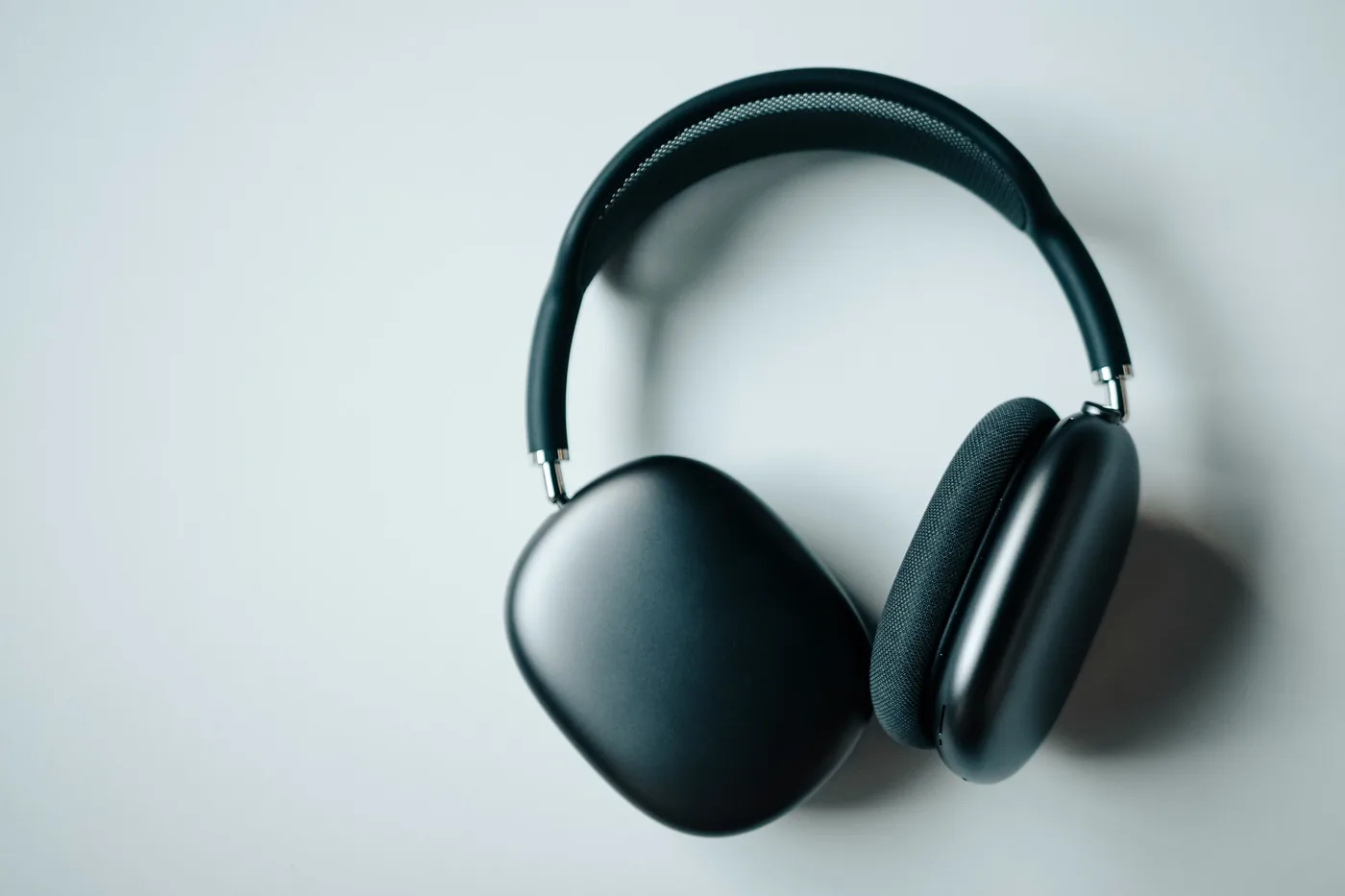
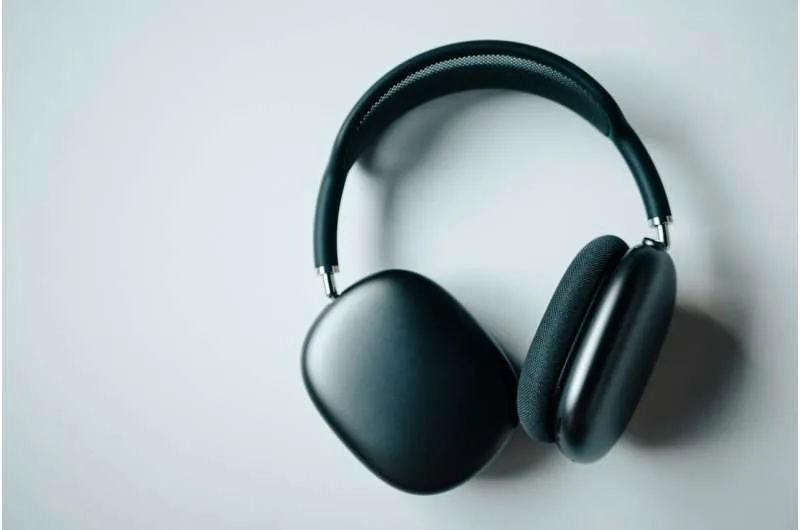
Unlike consumer audio products like earbuds with noise canceling made for listening to music, the trial used over-the-head hardware that sealed the ears throughout surgery. “Our findings suggest that simply reducing intraoperative noise could give anesthesiologists another tool to help prevent PONV after surgery, without adding another medication,” said Liu [1].
Postoperative Nausea and Recovery Outcomes
Postoperative nausea and vomiting, known in clinical shorthand as PONV, is notoriously tough to prevent because multiple bodily pathways trigger the emetic response. Standard anti-nausea medications block specific neurotransmitters, but many patients still feel sick after waking up from general anesthesia [1]. When vomiting occurs after keyhole gynecological surgery, the sudden abdominal contractions can pull on fresh incisions and elevate surgical pain [2]. Finding non-drug methods that stop these episodes before they start could ease the post-anesthesia recovery process while lowering the total volume of pharmaceutical drugs administered to patients [1].
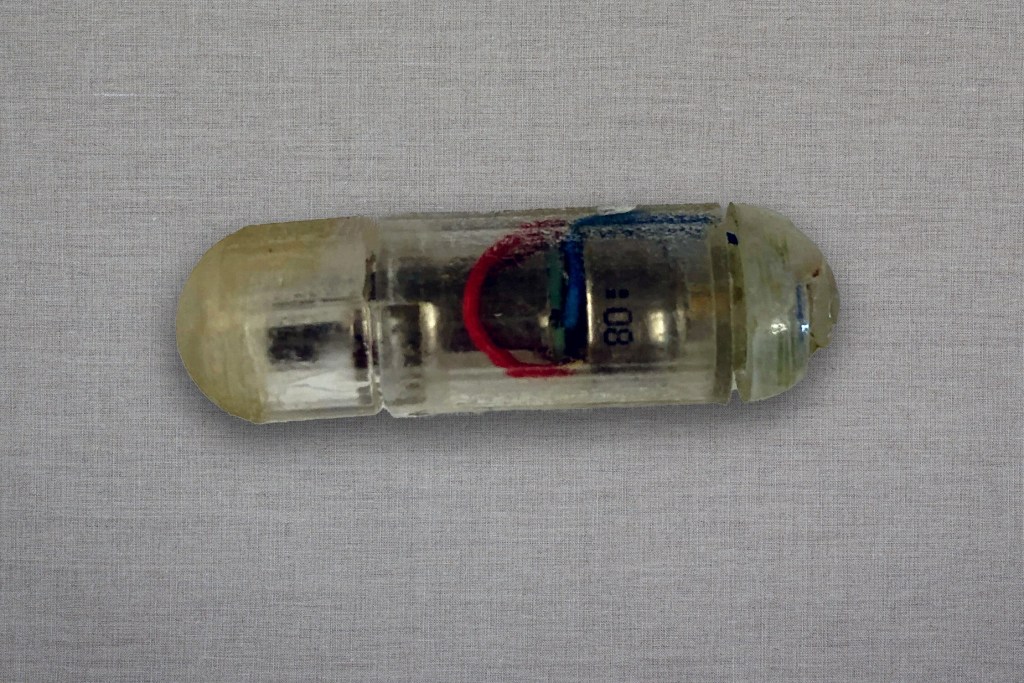
Non-drug interventions have gained momentum as clinical teams look for ways to manage recovery without systemic side effects [2]. Similar mechanical approaches in clinical medicine, such as a vibrating capsule engineered to stimulate gastrointestinal sensations, show how physical stimulation can alter physiological responses without chemical drugs. In surgical suites, physical ear protection shields patients from environmental disruption, working with standard medications without interfering with surgical access [1].
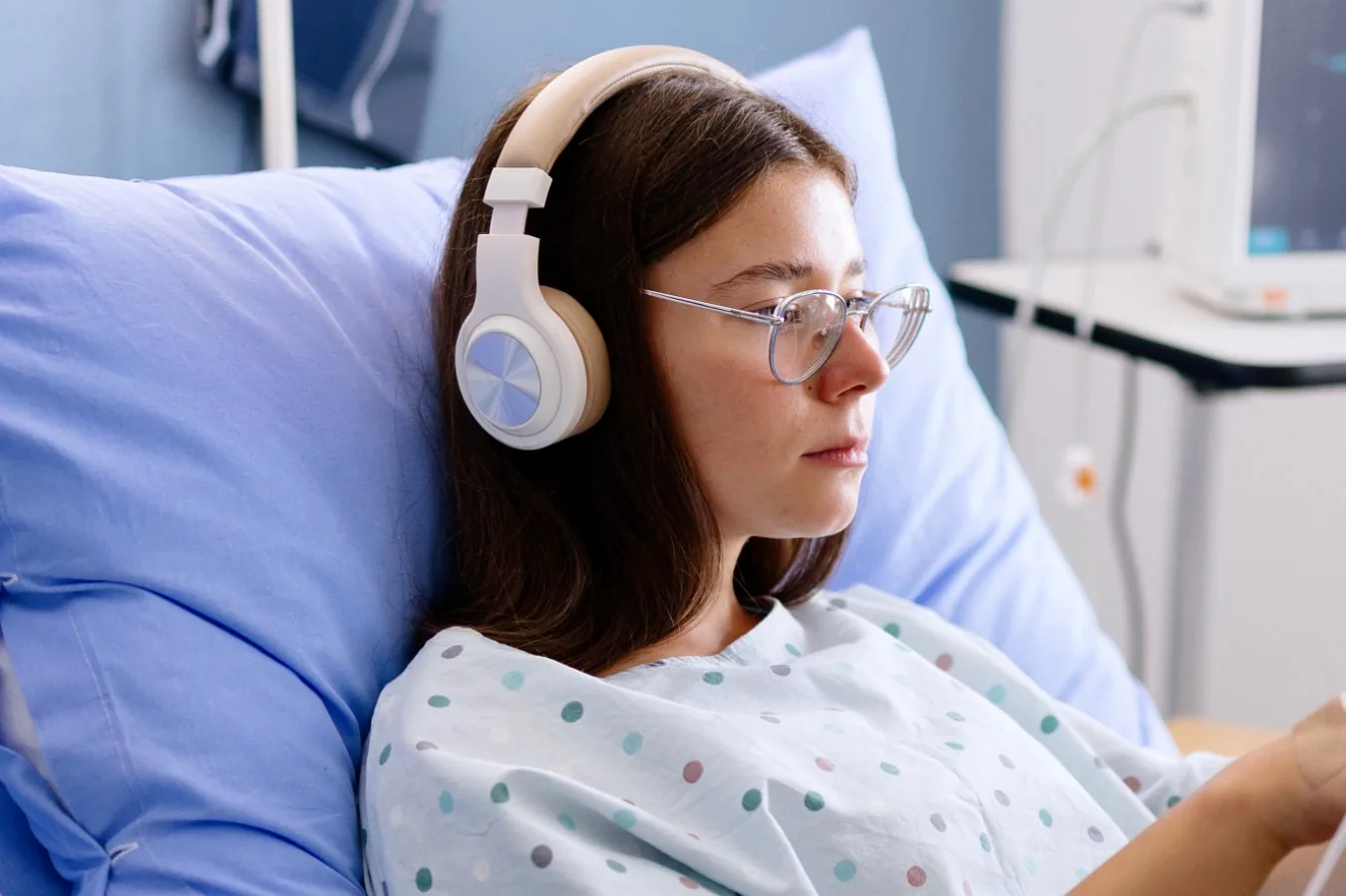
Because the headphones caused no side effects or technical complications, Soochow University clinicians could introduce them without disrupting standard operating room routines. The trial shows that acoustic management can aid surgical recovery. “Patients under general anesthesia aren’t consciously aware of what’s happening around them, but that doesn’t mean the brain completely stops processing sound,” said Liu [1].

Operating Room Sound and Brainstem Pathways
Operating suites at the First Affiliated Hospital of Soochow University are busy work environments filled with background sound. Dr. Liu and his research team tracked acoustic levels during procedures and found that noise in the suites averaged about 66 decibels. That volume sits between normal human conversation and a nearby vacuum cleaner, providing steady acoustic stimulation throughout the surgical case [1].
Even though patients under general anesthesia do not consciously hear surgical tools clattering or staff talking, the auditory system continues to transmit signals into the autonomic nervous system. This autonomic network regulates involuntary functions like heart rate and respiration, and it interacts directly with emetic pathways located inside the brainstem. Stress triggered by noise can stimulate these deep brainstem centers, potentially provoking postoperative nausea and vomiting reflexes once anesthesia begins to wear off. Similar brainstem pathways regulate other involuntary body reflexes, as seen in research into why do we yawn and how the nervous system reacts to unconscious sensory inputs. By blocking incoming sound waves, ear defenders help keep autonomic pathways calmer during surgery [2].
Why Do Brains Process Sound Under Anesthesia?
The clinical data presented in San Diego challenges common perceptions that anesthesia acts as a total shutdown of brain activity. “That data is really encouraging and is actually in line with decades of research showing that anaesthesia is not simply an off switch,” said Vigi Katlowitz at the Baylor College of Medicine in Houston. While general anesthesia produces unconsciousness and prevents surgical recall, subcortical sensory networks can still register auditory stimulation and pass signals to other brain regions [2].
Dr. Huayue Liu addressed this neurological question during his presentation at the Anesthesiology meeting in San Diego [1]. “The biological plausibility is that general anaesthesia produces unconsciousness without necessarily eliminating all neural processing of sound,” said Liu. Auditory inputs can travel along ascending auditory nerves to the midbrain and brainstem, provoking autonomic stress responses even when higher cognitive areas in the cerebral cortex remain completely inactive during surgery [2].
Huayue Liu pointed out that the Soochow University team did not directly track neural signals during this study, so the link between sound dampening and reduced emetic signaling stays an unproven hypothesis. But the clinical results suggest the effect is real. Protecting the ear canal offers a low-risk intervention that improves patient comfort during surgical recovery [2].
Future Research on Noise-Cancelling Headphones
To confirm whether noise-cancelling headphones should become standard hospital equipment, researchers need larger trials across diverse medical settings. Dr. Liu hopes to run future clinical investigations at multiple medical centers to track noise exposure while measuring autonomic nervous system activity during operations. Recording nerve activity under general anesthesia will help scientists determine whether auditory protection directly reduces stress hormones or calms brainstem reflexes that control postoperative nausea [2].
Future studies will also examine whether noise reduction benefits patients having different surgical procedures beyond gynecological keyhole surgery. Operating room noise remains far below the loud clatter of a jackhammer, but researchers note that unconscious bodies still process sound in ways that modern medicine does not fully understand. “Future studies should measure the amount of noise patients are exposed to during surgery and how their brains and bodies respond to better understand whether and how sound may affect PONV,” said Liu. If future trials replicate these findings, simple acoustic protection could give hospital teams an effective, non-pharmacological tool to improve postoperative recovery and spare patients from distress [1].
- ONLINE NEWS Harley, S., & Pol, A. (2026, October 17). Wearing headphones during surgery may reduce nausea and vomiting afterward. Medical Xpress. [Article Link]
- ONLINE NEWS Stokel-Walker, C. (2026, October 17). Noise-cancelling headphones prevent vomiting after surgery. New Scientist. [Article Link]
APA 7: PerEXP Teamworks. (2026). Surgical Trial Shows Noise-Cancelling Headphones Prevent Vomiting. PerEXP Teamworks.


