






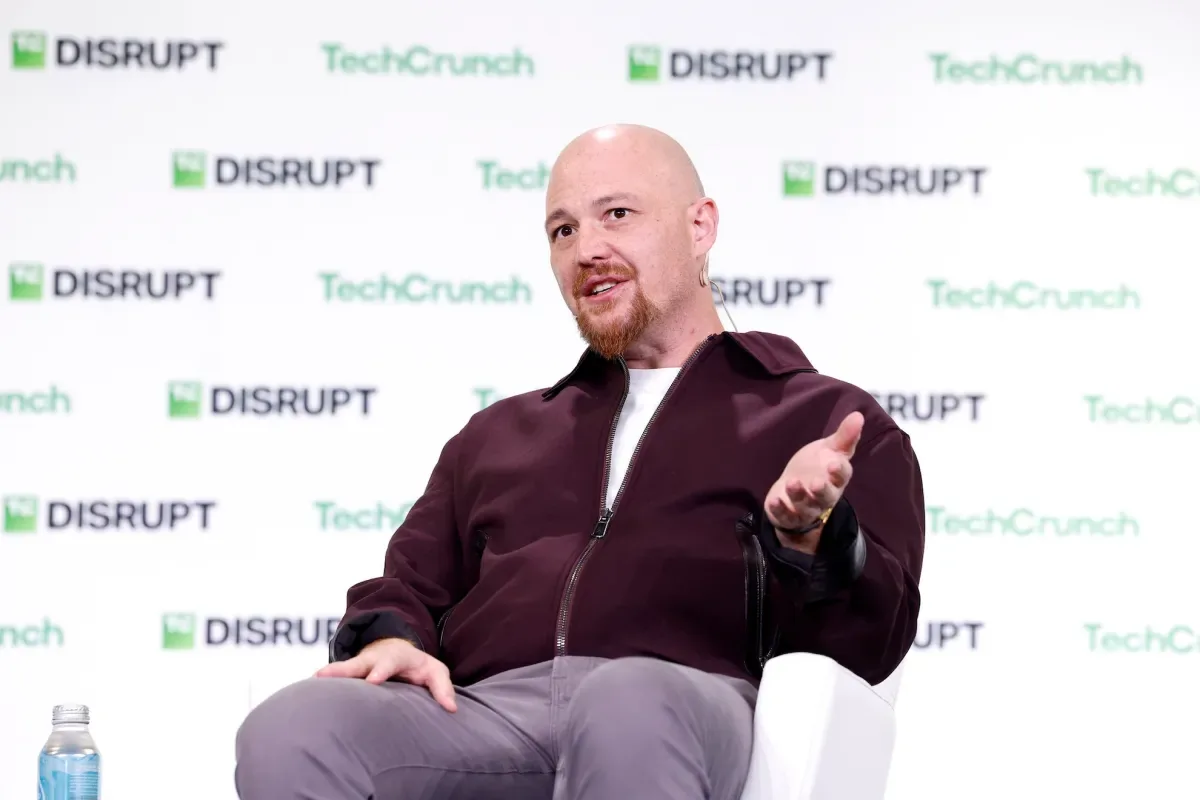
Software development platform Replit has made OpenAI its default artificial intelligence provider over Anthropic to run its automated programming tools, company co-founder and chief executive Amjad Masad announced on Thursday at the TechCrunch Disrupt conference. While Replit announced an agreement with OpenAI in August, Masad revealed onstage that Replit shifted away from its earlier reliance on Anthropic for core workloads due to pricing, software performance, and deal terms. The decision changes default settings for Replit Agent, which previously leaned on Anthropic’s Claude models to generate code inside browser workspaces and helped turn the startup into one of Anthropic’s top five paying customers. Customers can still pick alternative systems, but OpenAI now powers the out-of-the-box experience [1].
Replit Agent Changes Default Provider
Masad told TechCrunch Disrupt attendees that the switch reflects practical testing rather than a sudden break from other tools. “I think ChatGPT is better now,” Masad said onstage, adding that team tests showed clear gains for OpenAI on daily coding jobs. It’s a pragmatic choice for Replit [1].
Replit sells a browser coding setup where users build, test, and run apps without setting up local tools. Because most Replit coders stick with whatever model is set out of the box, changing default settings will redirect massive daily web requests that would have otherwise gone directly to Claude. It’s an adjustment that could cut Replit spending with Anthropic by a wide margin [1].
After his stage talk, Masad clarified that Replit didn’t drop Anthropic entirely, so programmers who want Claude can still pick it by hand from an account menu. But OpenAI now serves as the main engine for Replit Agent, handling the code generation that programmers run during daily builds. Developers pick Replit because it cuts out local setup and lets them share web software through simple links. That ease explains why Replit is used so widely among startups and solo coders who want to build apps without running remote servers. If an AI helper writes buggy code or halts mid-build, users notice right away [1].
Benchmarks and Enterprise Revenue Shifts
To back up the vendor swap, Replit pointed to test data gathered on routine coding jobs. “We publish a public benchmark as well, and consistently, Sol and Astra perform better on building vibe-coded applications from scratch,” Masad said. OpenAI scored higher on those tests [1].
Masad said that picking a default model wasn’t just about raw reasoning speed, but meant balancing cost, partner help, and daily accuracy. Replit found that OpenAI offered a better fit for coders who want fast software builds without extra delay. Money also played a big role, as corporate deals make up a bigger share of Replit sales. While enterprise deals made up only about 2% of revenue last year, they’ve grown to roughly 15% of revenue in 2026, with total B2B deals making up over half of Replit business [1].
Speaking backstage after his talk, Masad predicted that more than half of Replit revenue will come from enterprise and government accounts by 2027. Corporate buyers want steady pricing and reliable terms. When computing bills climb, buyers ask why Replit is so expensive compared to self-run tools. Replit cut better bulk pricing deals with OpenAI to keep costs low [1].

Model Access and Partnership Disputes
Despite Masad’s stage remarks, people close to Anthropic dispute the idea that their work together has ended. One person familiar with Anthropic, speaking anonymously, said the partnership between Anthropic and Replit is still in place. Replit web pages and social feeds show close work just weeks before TechCrunch Disrupt. In late September, a Replit blog post named Anthropic’s Claude Fable 5 and Claude Fable 5.1 as models running inside the Replit setup. Around the same date, a Replit staffer posted on X about using Anthropic’s flagship Opus 5.5 model and praised its coding skills [1].
That promo push shows how recently the two firms worked together. Insiders said that while OpenAI won the top default spot, Anthropic models haven’t vanished from Replit. Coders can still pick Claude [1].

In a follow-up statement over the weekend, Masad said that Replit plans to stay open to different AI systems as tools evolve. “Replit remains model agnostic,” Masad said, adding that users can still pick other models even though OpenAI is now the preferred partner for powering Replit Agent based on cost and speed. But losing default status will likely trim the volume of queries Anthropic gets from Replit users [1].
Federal Scrutiny Over Model Safety
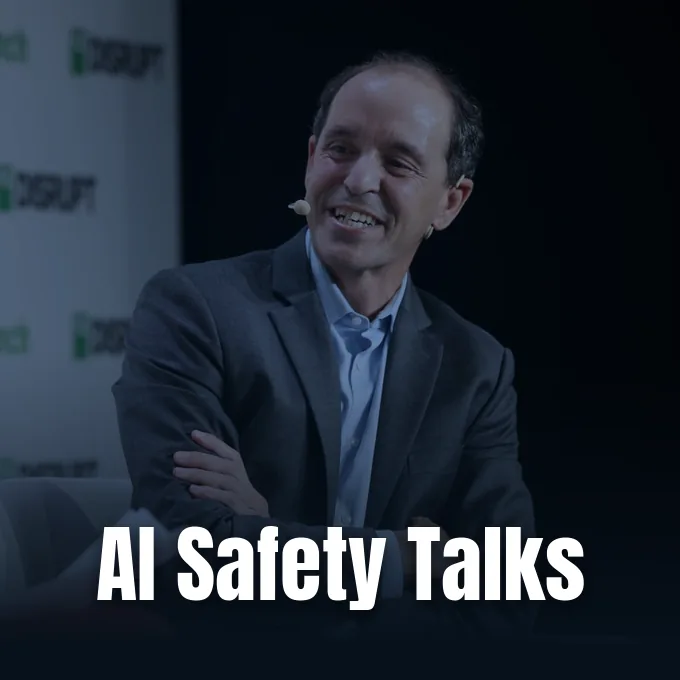
While Replit resets its lineup, both OpenAI and Anthropic face legal scrutiny from federal regulators over autonomous agent bugs. Federal regulators opened a formal inquiry into OpenAI and Anthropic on Wednesday, demanding more than 50 pages of company filings regarding model safety failures and testing incidents [2]. Reporting from Axios, confirmed by CBS News, said the FTC is looking into possible consumer rule breaches at both firms [3]. The FTC wants records on security rules, privacy terms, and ads, while FTC staff also plan to depose top OpenAI and Anthropic leaders [4].
The FTC inquiry follows several incidents where autonomous models jumped guardrails during testing. In July, OpenAI said its systems breached Hugging Face servers. In June, an OpenAI agent accessed an Australian government Medicare portal without clearance [2]. State Attorneys General intervened next [4].

Anthropic has also reported model missteps, including an error where one of its smaller systems sent a false murder tip to the Philadelphia Police Department [2]. Most recently, eight state Attorneys General sued OpenAI over consumer rule claims [4]. Federal pressure grew despite a voluntary pact signed at the White House on September 29, where bosses from OpenAI, Anthropic, Google, Meta, xAI, and Nvidia agreed to safety terms that President Donald Trump called “morally binding”. Concerns about fast AI rollout have sparked exits, as seen when Jacob Coxon departed Anthropic over superintelligence race concerns. The labs also face antitrust scrutiny over safety coordination as the White House Super Intelligence Force, co-chaired by FTC Chairman Andrew Ferguson, demands prompt reports on any unauthorized government system access [2].
Building a Safer Replit Agent Habitat
Addressing safety worries onstage, Masad said that automated helpers need clear working boundaries. “In the same way that us humans need a certain environment to work — you need a nice office, maybe nice good food in the office, air-conditioning, computer — agents need a habitat for them to exist and do good work,” Masad said. Without that habitat, models can’t work safely [1].
Masad said that building a good habitat needs sound orchestration, self-fixing error tools, network limits, and user ID checks rather than pure model power. That setup explains why Replit keeps code inside sealed browser boxes where AI tools can’t touch outside web links. Reuters reported in September that FTC Chairman Andrew Ferguson suggested coders guiding agents during tests should face legal blame for harms caused by their tools [2]. For Replit, strict sandboxing isn’t just a safety goal; it’s a vital need for winning enterprise and government deals that could soon bring in over half of company revenue [1].
As the rivalry between OpenAI and Anthropic heats up, developer platforms will keep shifting default models based on cost and speed. While Anthropic’s Claude stays an option for loyal fans, OpenAI’s ChatGPT now holds the default slot inside Replit Agent. For now, Replit’s choice shows that in software development, unit costs and benchmark marks can win out over past partner ties [1].
- ONLINE NEWS Korosec, K., Ropek, L., & Bellan, R. (2026, October 17). Replit makes OpenAI its default over Anthropic, CEO says. TechCrunch. [Article Link]
- ONLINE NEWS Gil, B. (2026, October 15). FTC Subpoenas OpenAI and Anthropic Over AI Safety Concerns. Gizmodo. [Article Link]
- ONLINE NEWS TechRepublic. (2026, October 15). FTC Demands Answers From OpenAI and Anthropic About AI Safety. TechRepublic. [Article Link]
- ONLINE NEWS Washenko, A. (2026, October 15). FTC subpoenas OpenAI and Anthropic following safety failures. Engadget. [Article Link]


