



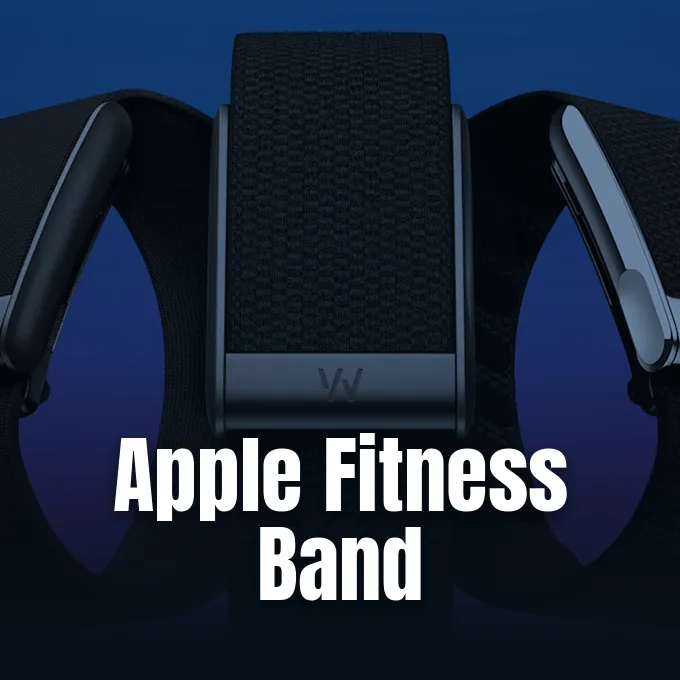
Apple is developing an activity tracker without a display. Hardware teams inside Cupertino are testing an Apple fitness tracker designed to monitor physical strain and recovery without touchscreen interruptions, according to reporting from Bloomberg [2]. The prototype pairs a lightweight fabric wrist strap with a compact, sensor-equipped computing module. Internal leadership treats the effort as an exploratory assessment rather than an imminent commercial rollout, leaving any potential debut pushed beyond 2028 [1].
Prototypes Reveal Apple Fitness Tracker Ambitions
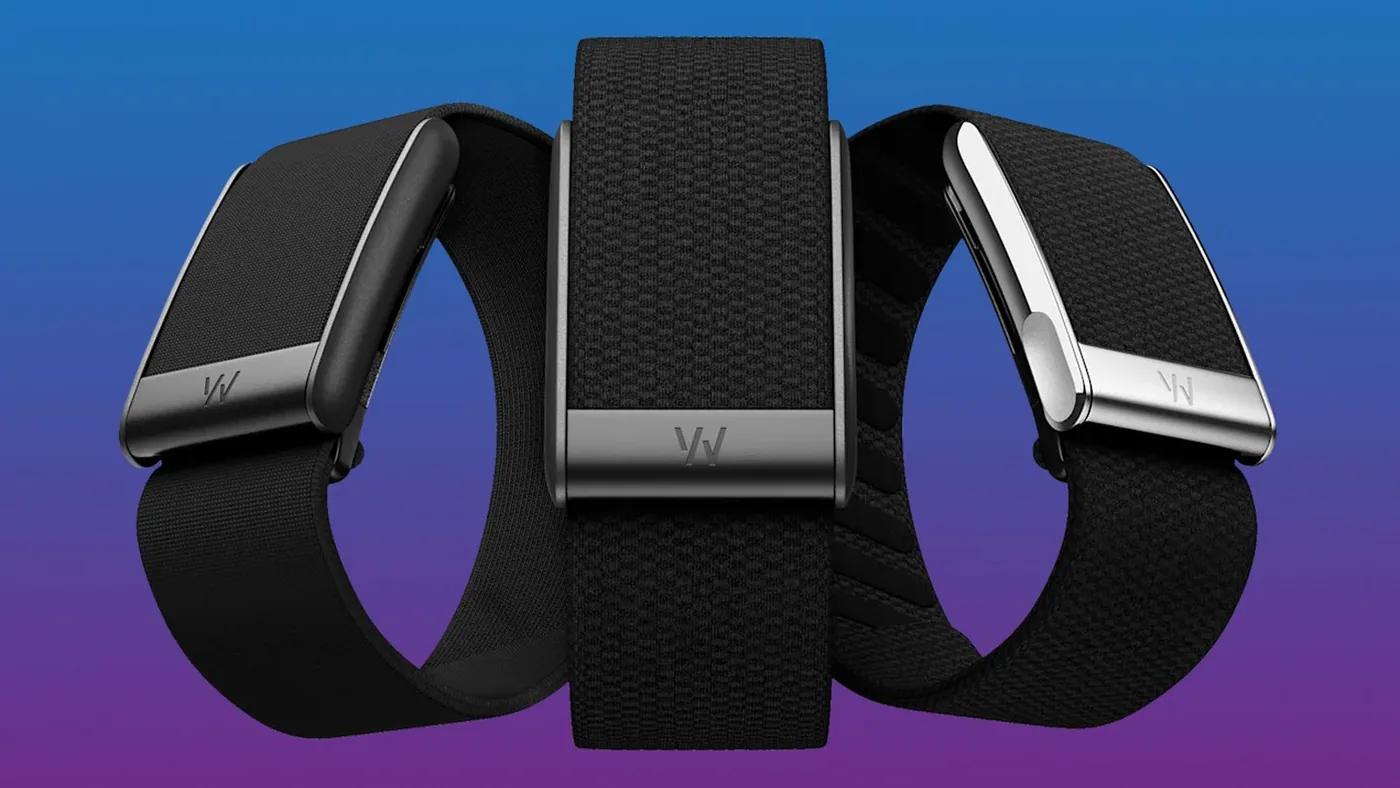
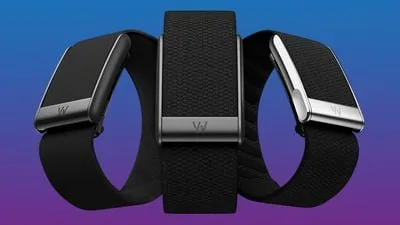
Inside Apple’s hardware laboratories, engineers are treating the screenless project as a formal technology investigation. This early research classification allows engineering groups to construct physical prototypes, validate biometric components, and evaluate ergonomic comfort before corporate leaders commit to manufacturing tooling. Several working units have already been assembled for internal evaluation [1]. The test hardware consists of a thin fabric band attached to a sensor-equipped computing module that rests against the wrist, adopting the minimalist design language popularized by Whoop [2].
Cupertino is studying whether a dedicated fitness device without a display can coexist with the multi-purpose Apple Watch. Modern smartwatches demand frequent charging cycles and regularly interrupt wearers with notifications, whereas screen-free activity bands emphasize quiet biometric tracking that operates continuously in the background [4]. Whoop demonstrated that athletic consumers eagerly sacrifice touchscreens in exchange for multi-week battery stamina and lightweight wrist ergonomics [3]. Apple wants to determine whether its proprietary optical sensors can deliver equal or superior physiological insight within that same unobtrusive form factor [2].
Cupertino has not approved commercial mass production or established assembly timelines for the hardware. Project teams have spent months evaluating prototypes, yet executive committees regularly terminate speculative hardware experiments that fail to clear rigorous financial thresholds. The prototype lacks a screen [2]. If the screenless band fails to secure executive approval, engineering teams will repurpose the experimental sensor architectures for upcoming Apple Watch models [1].
Leadership Shifts Guide Screenless Fitness Tracker
High-level executive interest is driving the internal momentum behind the project [4]. Apple executive chairman Tim Cook and services chief Eddy Cue have both backed explorations into a screenless fitness tracker to complement Apple’s broader wearable ecosystem [2]. Operational authority over digital wellness shifted last October when Cue took command of Apple’s health engineering division following the departure of Jeff Williams [4]. Eddy Cue now leads health engineering [2].
Cue is pushing Apple’s health teams to embrace minimalist design concepts proven by dedicated competitors like Whoop and Oura Health [2]. Those companies captured dedicated followings by eliminating bright displays and distracting notification alerts in favor of uninterrupted physiological tracking [4]. Under Cue’s guidance, engineers are examining how lightweight form factors encourage users to wear sensors during sleep, addressing an area where heavier smartwatches often end up removed for overnight charging [2]. This strategic exploration unfolds as Apple executes a historic leadership transition, after Tim Cook stepped down as chief executive in August to become executive chairman while John Ternus assumed the role of chief executive officer. Ternus faces an intricate product roadmap that balances rising component costs from an industry-wide memory shortage as well as high-stakes hardware initiatives, including upcoming foldable devices, refreshed iPad tablets, and new MacBook Pro computers [1].
Executive enthusiasm alone cannot guarantee that the project will enter commercial production. Apple routinely evaluates nascent product concepts for multiple years before deciding whether to fund manufacturing pipelines. Litigation against OpenAI continues [1]. Apple agreed to pay $250 million to settle a class action lawsuit over Siri AI delays, with eligible iPhone owners receiving approximately $25 per device [2].


Biometric Sensors and Endurance Shape Hardware
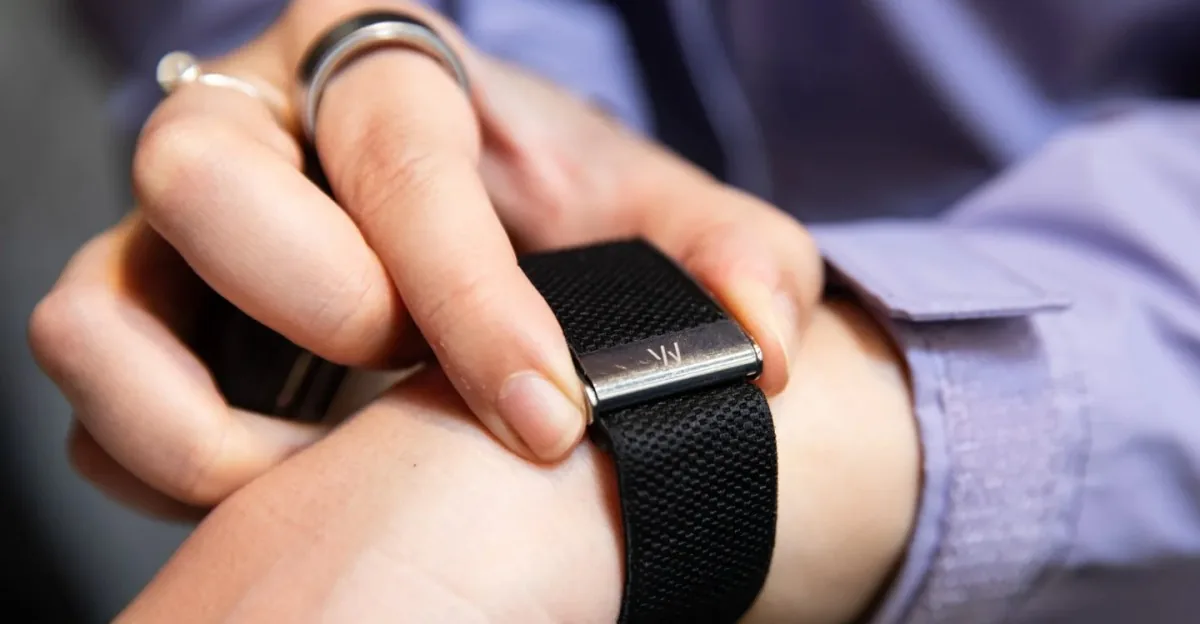
Biometric telemetry forms the primary engineering focus of the experimental wristband. Hardware teams have integrated optical sensor arrays into the wrist module to record pulse fluctuations, skin temperature shifts, and movement trends [2]. While earlier Apple Watch editions sampled pulse rates intermittently to conserve battery capacity, Apple added continuous heart rate tracking to the Apple Watch Series 12, mirroring Whoop’s continuous measurement architecture [3]. That sensor package operates without an illuminated display, funneling available electrical power strictly toward continuous physiological sampling [2].
Battery stamina divides smartwatches from dedicated activity bands. Whoop trackers operate continuously for more than 14 days on a single charge [3].
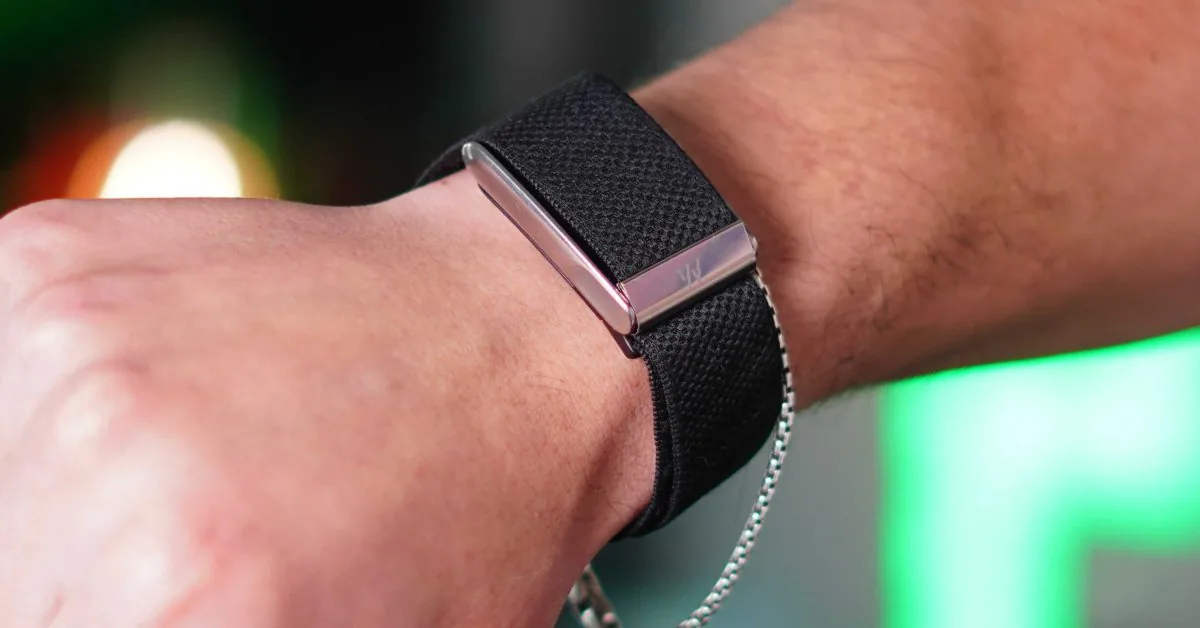
Replicating multi-week battery life presents Apple with significant industrial packaging constraints [3]. Standard Apple Watch models rarely function beyond two days between charging sessions, forcing users to interrupt their continuous health monitoring during sleep cycles [4]. In contrast, the market standard set by the Whoop 5.0 lineup and its specialized MG—or medical grade—variants incorporates continuous electrocardiogram (EKG) monitoring within a sealed chassis that never needs removal for showers [3]. Omitting an illuminated OLED display eliminates the heaviest power drain in modern wristwear. Without display pixels consuming energy, an Apple fitness band could allocate its entire cell capacity toward low-power sensor arrays and prolonged data syncing [2].
Commercial Pressure From Whoop and Oura Ring
Surging revenue across specialized health wearable manufacturers has prompted Cupertino to re-examine its single-watch product strategy [4]. Whoop carries a $10 billion valuation [1]. Concurrently, smart ring manufacturer Oura is preparing for an initial public offering (IPO) after posting substantial commercial growth. According to Reuters reporting cited by 9to5Mac, Oura sold 3.6 million Oura Rings during the twelve months ending June 30 [4].
Oura’s revenue expanded 74 percent to $1.21 billion for the nine months ending June 30. Why are screen-free form factors generating such rapid commercial momentum? Consumers increasingly desire granular sleep and recovery analytics without the persistent cognitive interruptions that accompany digital notifications. Furthermore, many traditional watch enthusiasts wear mechanical timepieces and refuse to occupy their wrists with glowing digital displays. A discrete fabric strap worn on either arm or a lightweight finger ring solves that personal aesthetic conflict without forfeiting digital health telemetry [4].
Failing to address this market segment leaves Apple exposed to specialized competitors that lock active subscribers into rival software platforms [4]. Whoop and Oura have demonstrated that customers will gladly pay recurring subscription fees when proprietary algorithms deliver meaningful recovery guidance [2]. Apple generates substantial services revenue through Fitness+ and Apple Health integrations, but physical hardware remains the essential gateway to user data [1]. Offering a dedicated screenless health tracker would close that competitive gap before independent brands establish permanent customer loyalty [4].
Smartwatch Dominance and Apple Fitness Band Timelines
Despite the rapid rise of boutique hardware brands, Apple remains the dominant player in the worldwide smartwatch market. The Apple Watch handles hundreds of interactive functions that screenless bands cannot replicate, encompassing cellular calling, contactless mobile payments, onboard GPS mapping, and music streaming. To protect that market leadership, Bloomberg reports that Apple is preparing a major visual and architectural redesign of the Apple Watch scheduled for late 2027. That revision follows a thinner Series 10 casing introduced two years ago, while the rugged Ultra model has preserved an identical enclosure for four consecutive years [4].
Software infrastructure is advancing in parallel with these experimental wristband prototypes [2]. Apple has introduced readiness scores and biological age estimates into its Health platform, adopting evaluation metrics popularized by Fitbit, Oura, and Whoop [3]. As Apple rolls out broad system software updates and Siri AI reshapes macOS systems, upcoming test builds of iOS 27.2 deliver a streamlined Health interface with clearer user guidance. These software enhancements indicate that Apple is engineering its operating systems to synthesize 24/7 biometric measurements regardless of which physical hardware captures the underlying signals [2].
Consumers should not anticipate purchasing an Apple fitness tracker in the near future [1]. Apple’s consumer electronics roadmap prioritizes wearable AI smart glasses and camera-equipped AirPods before any screenless wristband reaches market maturity [2]. No commercial release is planned before 2028 [1]. Whether the project advances from an exploratory technology investigation into an official retail product depends on whether leadership believes a screen-free strap strengthens or fragments the enduring dominance of the Apple Watch [4].
- ONLINE NEWS Ropek, L. (2026, September 22). Apple could take on Whoop with a new fitness tracker, report says. TechCrunch. [Article Link]
- ONLINE NEWS Clover, J. (2026, September 22). Apple testing prototypes of Whoop-like screenless fitness band. MacRumors. [Article Link]
- ONLINE NEWS Roth, E. (2026, September 22). Apple is reportedly working on a Whoop-like fitness tracker. The Verge. [Article Link]
- ONLINE NEWS Miller, C. (2026, September 22). Apple working on Whoop-style screenless fitness tracker, per report. 9to5Mac. [Article Link]


