



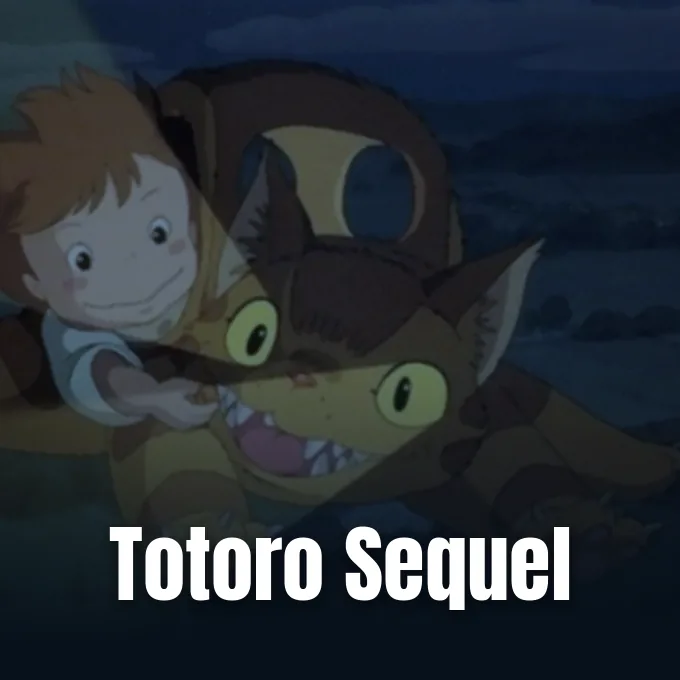
Former Studio Ghibli executive Steve Alpert revealed that legendary animator Hayao Miyazaki agreed to make a short sequel to My Neighbor Totoro because he wanted to draw the Catbus again [1]. For Studio Ghibli Hayao Miyazaki rarely considered returning to past stories, but a personal conversation convinced him to revisit the world of Mei and the magical forest spirits [2]. The resulting 14-minute short debuted in 2002 at the Ghibli Museum in Mitaka [1].
Why Studio Ghibli Hayao Miyazaki Made a Sequel
On September 29, series host Justin Sevakis interviewed Steve Alpert on The Anime Business podcast to explore his long career at Tokuma Shoten and Tokuma International, where he served as a senior executive from 1996 to 2011 and managed foreign distribution for anime releases while working closely with Miyazaki for over a decade. During their conversation, Alpert explained that the director had to be “talked into” creating a second Totoro anime because he didn’t want to repeat old concepts. The director preferred to put his energy into fresh cinematic territory [2].
At Studio Ghibli Hayao Miyazaki has consistently avoided returning to finished films simply to produce standard follow-ups for profit. Alpert described him as a creator focused on creative progress rather than building franchises, which made Mei and the Baby Cat Bus an unusual exception in his filmography. A close friend finally persuaded him by reminding him how much joy he found while sketching the Catbus during the original 1988 production. That fond memory revived his interest in the character [1].
The conversation shifted Miyazaki’s mindset because he genuinely loved the character and wanted to explore how young Catbuses might behave in the woods without distributor pressure [1]. He wasn’t interested in making another full movie, but the short format gave him total freedom to draw new scenes. He decided that a museum screening would protect the story from unwanted distribution compromises [2].
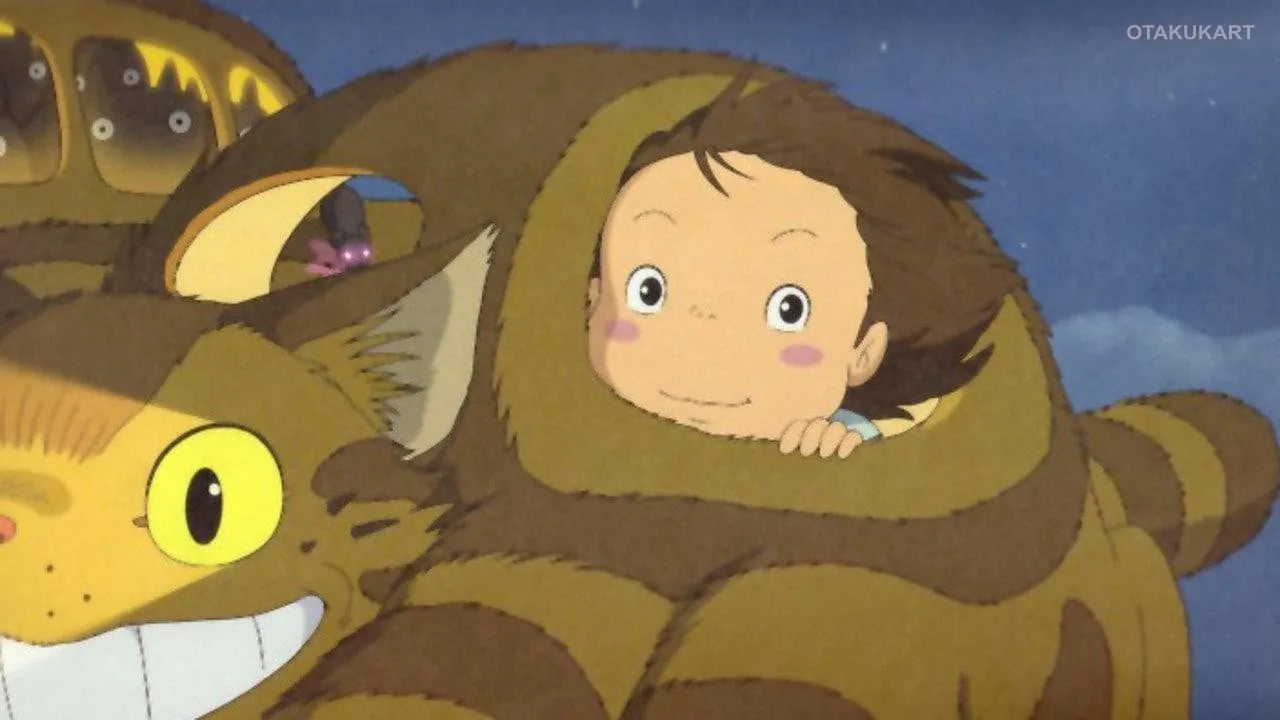
Catbus Drawings Convinced the Reluctant Director
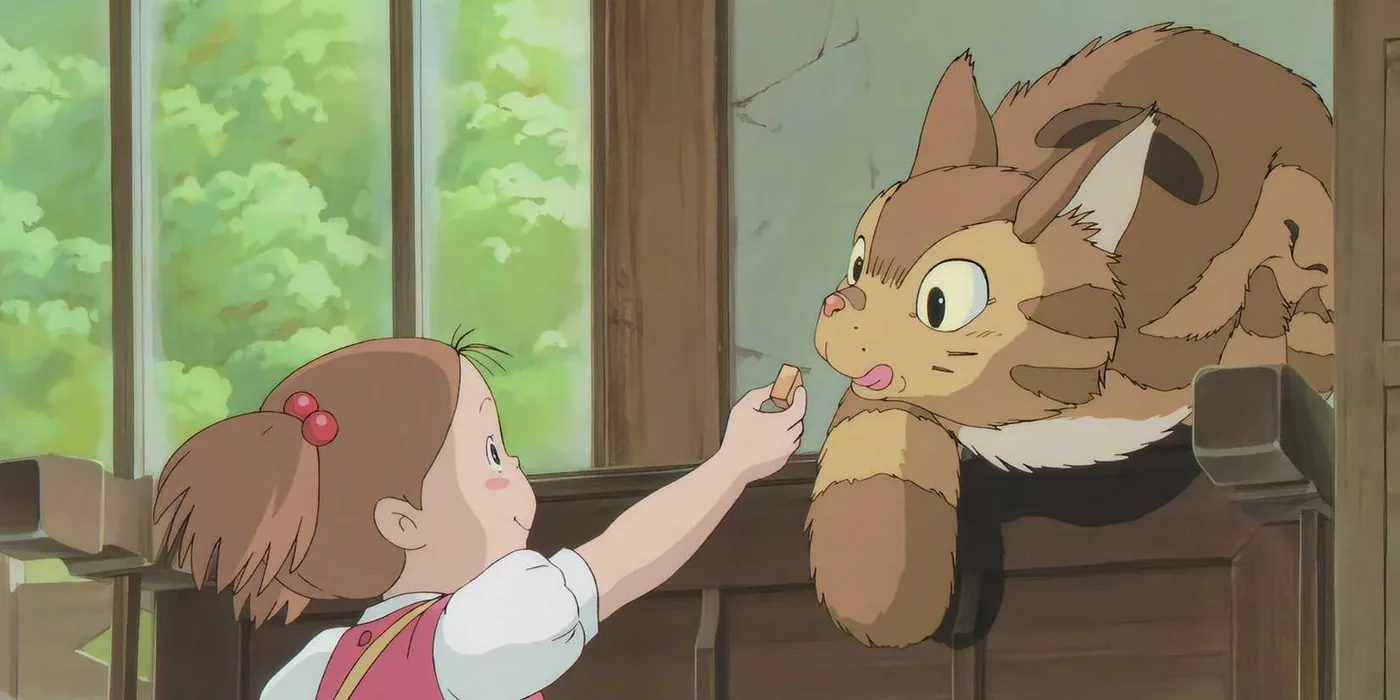
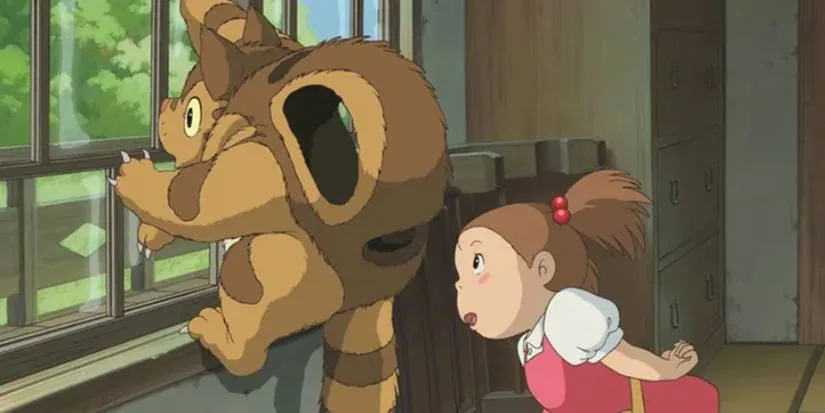
In 2002, the Studio Ghibli Museum in Mitaka added the 14-minute short to its exclusive screening schedule [2]. At Studio Ghibli Hayao Miyazaki crafted the short with his core creative team, featuring an original score composed by Joe Hisaishi, who also scored the original 1988 feature. The narrative follows four-year-old Mei Kusakabe as she encounters a tiny whirlwind that turns out to be a young Catbus [1].
After Mei shares a piece of candy with the creature, she befriends the young Catbus and joins it on a nocturnal adventure through the deep woods. The mini-sequel widens the lore of the original film by revealing a gathering of Catbuses of different ages and sizes, and gives audiences a rare glimpse into the secret lives of these magical forest spirits [1]. Unlike the 86-minute theatrical release from April 16, 1988, which featured voice actors Noriko Hidaka as Satsuki and Chika Sakamoto as Mei, this project centered entirely on Mei’s curious friendship with the baby vehicle. It didn’t try to retell the sisters’ family story or introduce artificial conflict, but let Miyazaki focus on lively movement and whimsical visual comedy [2]. The short runs for 14 minutes [1].
Ghibli keeps the mini-sequel locked inside its museum walls and at its official theme park. While global streaming platforms like Netflix and HBO Max license Ghibli’s feature library, the studio hasn’t released its museum shorts on home video or digital platforms, turning the title into a legend among anime enthusiasts who travel to Mitaka just to view it [2]. The museum catalog still lists the work [1].

Why Hayao Miyazaki Studio Ghibli Rejects Sequels
During his tenure managing foreign distribution, Alpert observed how Miyazaki approached creative decisions without following common entertainment practices, noting that the director even pushed back against the Walt Disney Company when the American distributor sought to release his theatrical movies on home video tape. “He never repeats himself; it’s always about forward progress,” Alpert explained during the podcast, adding that Miyazaki resists looking backward once an animated world is complete [2].
Miyazaki deliberately removes himself from financial matters, leaving marketing, sponsorships, and business partnerships to veteran producer Toshio Suzuki. This division of labor gave Miyazaki complete freedom to pursue challenging projects that seemed like a hard sell to general audiences, including his dark fantasy film Princess Mononoke in 1997. “He never wants to make any money … he’s not a consensus guy. He does what he thinks is right whether everybody agrees or not,” Alpert said [2].
Because Miyazaki views animation as personal artistic expression, he doesn’t treat successful releases as brands waiting for serialized sequels [1]. Alpert told Justin Sevakis that fans shouldn’t expect the director to revisit Satsuki and Mei for a full theatrical feature, saying, “…He wouldn’t make another feature film” [2]. Drawing the Catbus for 14 minutes satisfied his curiosity without compromising his artistic principles [1].
Is Studio Ghibli Owned by Hayao Miyazaki?
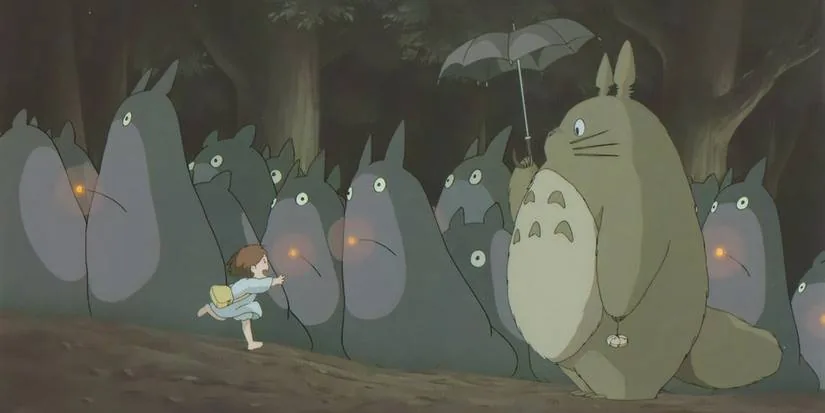
Casual viewers often ask whether Studio Ghibli Hayao Miyazaki owns outright, but the company’s business structure has always relied on separate executive leadership. While Miyazaki co-founded the animation house with Suzuki and producer Tooru Hara, he chose not to run its daily business operations. In September 2023, Studio Ghibli was acquired by Nippon Television Holdings, making the television network the parent entity of the legendary animation studio [2].
This ownership change didn’t alter Miyazaki’s everyday creative routine at the studio, where he continues to develop hand-drawn concepts at his own pace. Outside partners manage the financial risks and theatrical distribution of his work, which lets the director concentrate on storyboards rather than balance sheets. Hiroyasu Matsuoka, the CEO of Toho, regularly meets with studio leadership to discuss theatrical releases and confirmed to Bloomberg that Ghibli has no plans to produce “My Neighbor Totoro 2 or anything similar”. Toho manages theatrical distribution in Japan [2]. Studio executives recognize that forcing a sequel without Miyazaki’s genuine creative drive would run counter to Ghibli’s founding identity [1].
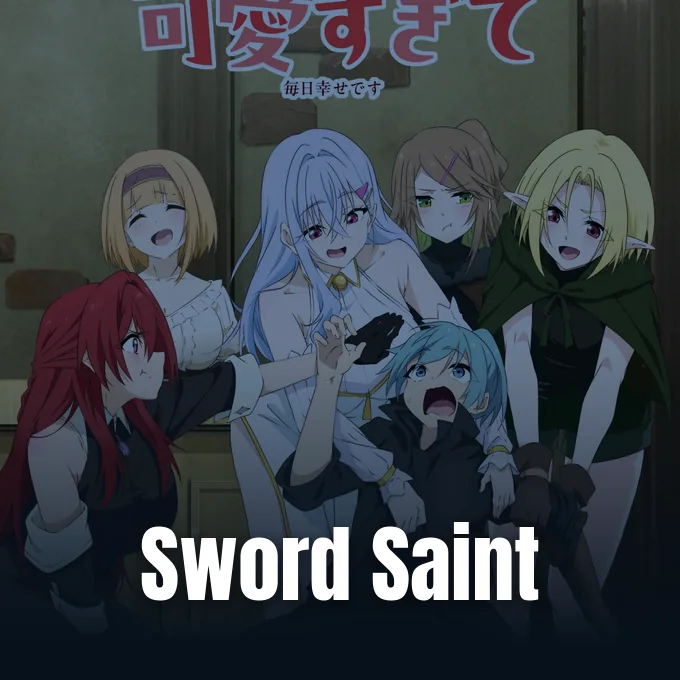
While industry updates like the production team visual for My Sword Saint Master show how anime teams often promote new staff and upcoming releases, Ghibli prefers quiet development cycles. Miyazaki doesn’t announce projects until production is well underway, so his animators can work without public deadlines. That patience helped him finish his latest feature film after years of quiet labor [2].
Future Totoro Projects and Stage Adaptations
Rather than producing animated movie sequels, Studio Ghibli has explored fresh creative avenues for its classic properties in live venues. In 2022, both Spirited Away and My Neighbor Totoro debuted as stage adaptations before large audiences in Tokyo and London. The theatrical Totoro production was developed by composer Joe Hisaishi in partnership with theater company Improbable and the Royal Shakespeare Company [2].
The stage adaptation completed its London stage run at the Gillian Lynne Theatre in London’s West End, proving that audiences still cherish the 1988 tale. Meanwhile, Miyazaki’s most recent animated feature, The Boy and the Heron, debuted in Japanese theaters in July 2023, and Studio Ghibli has stated that the director is already developing another original feature film without releasing a working title, plot summary, or promotional art [2].
For audiences hoping to see Mei and the Catbus again, the 14-minute short at the Mitaka museum is still the only official sequel sanctioned by the filmmaker. It stands as a unique artifact from a director who refused to build an animated franchise, yet couldn’t resist picking up his pencil once more to sketch a playful kitten bus in the Japanese woods [1].
- ONLINE NEWS Oneal, J. (2026, October 4). Former Studio Ghibli executive says Hayao Miyazaki was talked into making a Totoro sequel because of the Catbus. OtakuKart. [Article Link]
- ONLINE NEWS Senzatimore, R. (2026, October 3). Studio Ghibli’s Hayao Miyazaki ‘talked into’ making official My Neighbor Totoro sequel. CBR. [Article Link]


