





Apple plans to roll out Apple Intelligence in China this December as part of its upcoming iOS 27.3 update, according to reporting from Bloomberg [1]. The move follows more than two years of regulatory delays that kept the software unavailable to users on the Chinese mainland [3]. While the release will deliver photo editing tools and writing helpers, the system won’t include the revamped Siri AI assistant [1]. Apple hopes the software debut will strengthen its position against domestic smartphone rivals [3].
December Arrival for Apple Intelligence in China
The planned December rollout gives mainland iPhone owners their first opportunity to experience Apple Intelligence in China since the platform debuted in the United States nearly two years ago. Apple first introduced the feature set in iOS 18.1 back in 2024, but strict local rules left mainland devices without access while neighboring customers in Hong Kong were already using the tools [4]. Regulatory filings now confirm that recent handsets will finally receive the software through iOS 27.3 [3].
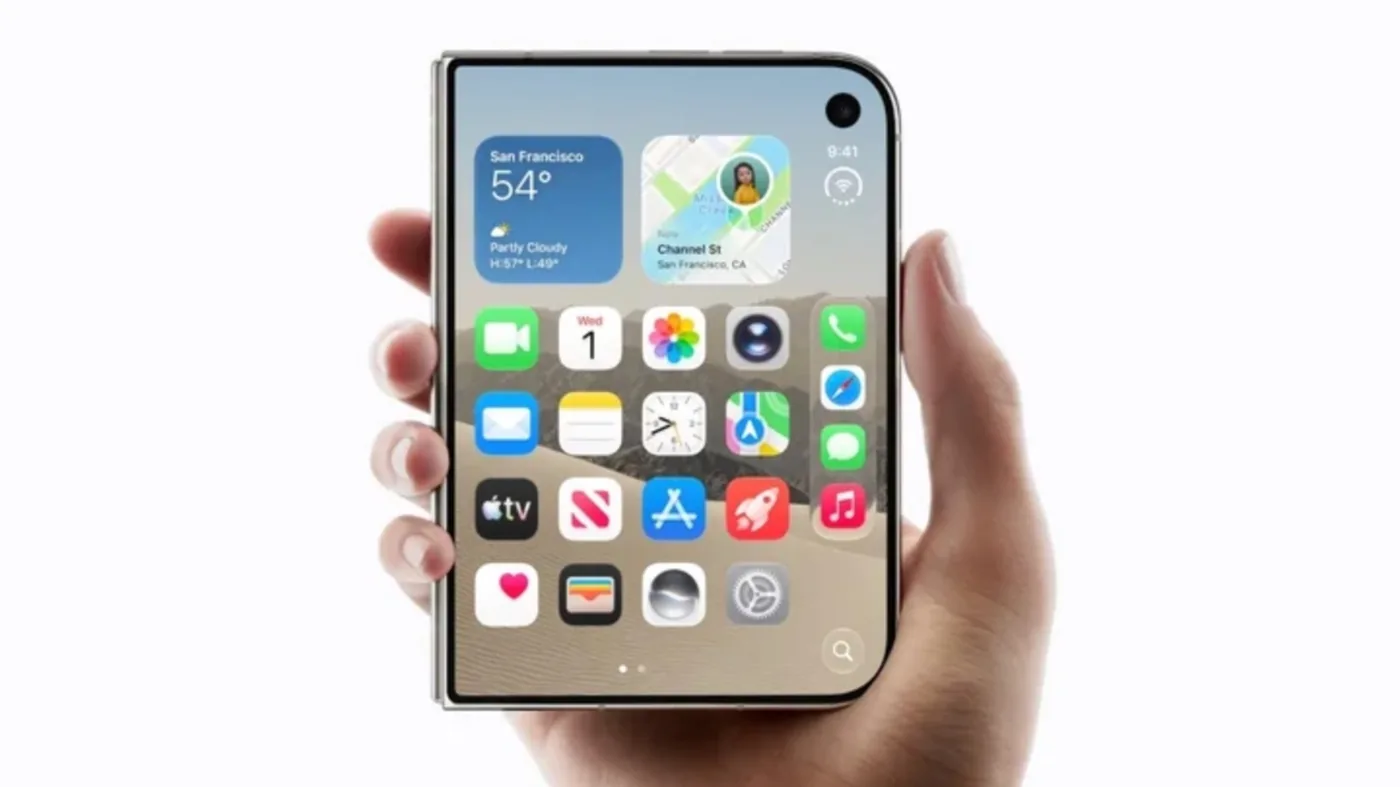
Chinese regulators had granted preliminary clearance for the launch in July, yet consumer distribution required additional approvals that pushed the timetable closer to the end of the year. The South China Morning Post reported that China’s Ministry of Industry and Information Technology recently issued official network access permits for the software [1]. Those regulatory filings cover new hardware like the foldable iPhone Duo, the iPhone 18 Pro, and earlier compatible models that customers already own [4]. The release calendar creates an awkward gap, since Apple plans to debut the iPhone Duo for Chinese shoppers next week without any working AI tools until December [3]. AppleInsider reported that this older version of the toolkit will finally bridge that gap after lengthy testing [2].
Local data security assessments and algorithm registrations forced Apple to rebuild its cloud deployment model from the ground up, as every server component must comply with domestic statutes. It isn’t a simple software toggle [3]. Apple released iOS 27 following three months of beta testing on September 15, but mainland users had to watch from the sidelines without access to the new capabilities [1].

Regulatory Hurdles and the Alibaba Partnership
Under Chinese law, foreign technology providers can’t run external AI models without direct government supervision, meaning Apple had to abandon the infrastructure it built for Western markets [1]. In the United States, Apple worked with Google and OpenAI to handle complex queries and train models, but that structure is prohibited on the mainland [4]. To solve this problem, Apple formed local partnerships with Alibaba Group Holding Ltd. and Baidu Inc. to power its features [3]. Reports about talks between Apple and Alibaba first surfaced in early 2025 [4].
Regulatory approvals specifically cleared Alibaba’s Tongyi Qianwen, the large language model family commonly known as Qwen, alongside the Tongyi Wanxiang generation tool. Back in the summer, industry filings confirmed that Qwen would serve as the primary engine for Apple devices sold in the country, covering compatible units across the iPhone, iPad, Mac, and Vision Pro product families [4]. On Sept. 29, formal permits confirmed that Alibaba’s models could run on recent iPhones [3].
The agreement with Alibaba also comes with distinct regulatory conditions. Bloomberg said that the platform includes guardrails developed with Alibaba, featuring an approval filter that lets the Chinese government sign off on ongoing model updates while Baidu handles search and voice tasks [3]. These concessions give state regulators constant oversight over the answers that devices produce [1]. Without these localized filters, Apple couldn’t secure distribution permits in the mainland market [3].


Features Missing from Apple Intelligence China
Even with Alibaba’s models in place, Chinese users won’t receive the complete package that debuted in other regions, as regulators have placed strict boundaries on automated content creation. Reporting from Bloomberg indicates that the upcoming software will leave out the redesigned voice assistant as well as several writing helpers unveiled earlier this year [3]. Furthermore, Apple’s in-house image generators, including Image Playground and newer Genmoji options, won’t appear in the December update [1]. It’s a visibly reduced setup [3].
Instead, the rollout focuses on utility features that need less generative leeway [1]. Users will get basic writing tools, notification summaries, and custom emoji creation through an earlier version of Genmoji. The update also brings the Clean Up tool in Photos, which lets users remove unwanted objects from snapshots with a tap, providing practical photo editing without crossing sensitive content boundaries [3]. MacRumors said that basic photo editing remains one of the main selling points for this release [1].
Text generation tools will remain limited across third-party applications, reflecting Beijing’s tight control over automated publishing [1]. Could a trimmed software package still satisfy buyers who waited two years for these tools? That question looms over retail stores across the country as shoppers compare native features [3]. Apple hasn’t said when advanced conversational tools will pass inspection, leaving many high-profile capabilities on hold while domestic alternatives continue to gain traction [1].

Domestic Rivals Challenge Apple in China
The lengthy delay in launching Apple Intelligence in China has created a commercial disadvantage [1]. Local smartphone brands like Huawei Technologies Co., Xiaomi Corp., Oppo, and Vivo Mobile Communication Co. have offered built-in AI features on their handsets for multiple product cycles, without waiting for foreign regulatory clearance. They’ve spent years refining their software for Chinese consumers [3].
Huawei in particular has pushed domestic silicon and software to capture market share from Apple. Coverage from PerEXP Teamworks indicates that Huawei AI chip efforts continue to advance as the company prepares new processors to compete against global hardware leaders [1]. Chinese consumers have grown accustomed to these homegrown tools, making it harder for Apple to impress shoppers with basic photo cleanup and text summaries that arrived in Western markets two years ago [3].
Local analysts cited by Bloomberg questioned whether consumers will upgrade their hardware just to obtain a two-year-old software suite [3]. With domestic competitors innovating in Mandarin voice synthesis and local app integrations, Apple faces an uphill fight to regain momentum in the world’s largest smartphone market [1]. The December launch will show whether local buyers still value Apple’s software ecosystem enough to overlook missing tools [3].

Future Outlook for Siri AI Expansion
The hardware roadmap for Apple’s AI platform spans multiple product lines beyond the upcoming iPhone Duo. Filing records show that the iPhone 18 Pro, modern iPad tablets, Mac computers, and the Vision Pro headset will eventually share parts of the Alibaba-powered framework. While the iPhone Duo arrives in stores next week, its flagship promotional feature—the upgraded Siri AI—won’t function in mainland China at launch. Hardware innovation alone can’t compensate for delayed software services [4].
China isn’t the only territory where Apple has struggled with regulatory roadblocks. In footnotes attached to its recent HomeView announcement, Apple said it is “working constructively with the EU in an attempt to find a path forward” to launch Siri AI in Europe. European privacy laws and digital market regulations have kept the assistant off local devices, mirroring the delays seen on the Asian mainland [3].
Apple will need to negotiate further with Chinese authorities before the full Siri assistant or advanced text tools can deploy [1]. For now, iOS 27.3 represents a pragmatic first step for Apple Intelligence in China, putting compliant software into the hands of mainland users after years of patience [3]. Whether Beijing grants wider access in 2027 will determine if Apple can close the AI gap with its local competitors [1].
- ONLINE NEWS Clover, J. (2026, October 14). Apple Intelligence Coming to China in December With iOS 27.3. MacRumors. [Article Link]
- ONLINE NEWS AppleInsider. (2026, October 14). Apple Intelligence Finally Gets a Release Window for Its Debut in China. AppleInsider. [Article Link]
- ONLINE NEWS Mendes, M. (2026, October 14). Apple Intelligence Reportedly Coming to China in December, but Without Siri AI. 9to5Mac. [Article Link]
- ONLINE NEWS Tate, M. (2026, October 14). Alibaba AI Models Cleared for Use in Apple Intelligence in China Just in Time for the iPhone Duo Launch. Engadget. [Article Link]


