




Can natural botanical proteases neutralize severe peanut allergens without destroying food nutrition? Dietary peanut allergies trigger life-threatening anaphylaxis in sensitized individuals through minute exposures, frequently defying conventional food processing because major peanut proteins resist enzymatic digestion and thermal degradation. In a newly published laboratory study from Wroclaw, Poland, researchers evaluated whether a natural plant enzyme isolated from the figleaf gourd (Cucurbita ficifolia) could diminish antibody recognition of major dietary allergens. Enzymatic treatment significantly curtailed immunoglobulin binding without eradicating allergenic risks [1].
Can Enzymes Weaken Severe Peanut Allergens?
Enzymatic hydrolysis weakens major peanut allergens by cleaving peptide bonds, yet laboratory trials demonstrate that modified fragments still retain the capacity to bind human immunoglobulin antibodies. Food allergies to peanuts rank among the most hazardous immune disorders documented in global clinics, prompting collaborative medical teams to search for enzymatic interventions that systematically dismantle hazardous protein structures. Ewa Willak-Janc, MD, Ph.D., of the 1st Department and Clinic of Pediatrics, Allergology and Cardiology at Wroclaw Medical University, emphasized the pressing medical necessity of finding methods to alter dietary allergens. “Peanut allergy is particularly challenging because even a small amount of the allergen can trigger a serious reaction in sensitized individuals, including anaphylaxis,” Willak-Janc explained [4].
Standard food manufacturing methods fail to neutralize stubborn peanut proteins. Heat often leaves the offending allergen architecture intact, leaving patients vulnerable to accidental cross-contamination. Wroclaw University of Environmental and Life Sciences partnered with Wroclaw Medical University to determine whether precise enzymatic digestion could offer superior molecular control over hazardous plant seed proteins. Rather than relying entirely on aggressive industrial treatments, researchers explored biological tools targeting the foundational shape of peanut protein isolate [1].
Circulating human IgE antibodies lock onto distinct surface regions termed epitopes (the specific molecular sites bound by circulating antibodies) across intact seed structures. Ara h 2 resists digestion. Joanna Bajzert, Ph.D., Eng., from the Department of Immunology, Pathophysiology and Veterinary Prevention at Wroclaw University of Environmental and Life Sciences, noted that altering protein architecture fundamentally changes immune recognition. As Bajzert highlighted, enzymatic hydrolysis appropriately modifies protein structure so that antibody binding decreases while researchers maintain deliberate control over the chemical properties of resulting peptides [2].

Why Figleaf Gourd Protease Targets Plant Epitopes
Researchers selected a noncommercial extracellular serine protease isolated from the figleaf gourd (Cucurbita ficifolia) because the enzyme precisely cleaves peptide sequences without obliterating nutritional value or completely destroying the substrate. Commercial preparations of digestive enzymes often digest proteins indiscriminately or require harsh supplemental processing. Project initiator Anna Dąbrowska, Ph.D., DSc, from the Department of Functional Food Products Development at Wroclaw University of Environmental and Life Sciences, spearheaded the pursuit of readily accessible botanical enzymes [1].
Bovine milk proteins were hydrolyzed earlier. Earlier laboratory trials by the Wroclaw team confirmed that gourd serine protease effectively modifies dairy structures [2].
Encouraged by earlier successes with bovine dairy modifications, Magdalena Wyspiańska, Anna Mandecka, Anna Dąbrowska, Ewa Willak-Janc, Joanna Miedzianka, and Joanna Bajzert examined whether raw peanut protein isolate would yield similar biochemical susceptibility under enzymatic digestion. Treating peanut proteins presents unique biochemical challenges because seed storage globulins feature intricate tertiary folds stabilized by extensive disulfide bonds that resist typical digestive proteolysis. Much like contemporary research targeting and drugging complex proteins to alter recalcitrant folds, plant proteases must reach embedded cleavage sites within tightly bundled polypeptide chains. The Polish research consortium demonstrated that extracellular serine protease isolates specifically target accessible peptide links across peanut globulin surfaces, restructuring epitopes across peanut allergens responsible for immune reactivity [1].
How Do Processing Conditions Alter Peanut Proteins?
Processing duration and temperature dictate the breakdown of peanut proteins, while variations in enzyme dosage produce negligible effects on antibody recognition across laboratory trials. The Polish scientific team systematically tested peanut protein isolate (peanut proteins isolate, PPI) under variable incubation periods, fluctuating temperatures, and disparate enzyme concentrations. Senior investigator Joanna Bajzert observed that prolonged exposure substantially altered molecular reactivity, proving that incubation duration drives structural changes across peanut allergens [3].
The most pronounced reduction in antibody binding occurred after 24 hours at 42°C. Dave Bloom of SnackSafely noted that higher temperatures and extensive hydrolysis generated the lowest immunoreactivity in the trial. Incubation temperatures reached 42°C. Adjusting thermal conditions permitted deeper enzymatic access to hydrophobic core regions within peanut globulins. Multiplying enzyme dosage produced no accelerated dismantling of recalcitrant globulin structures [3].
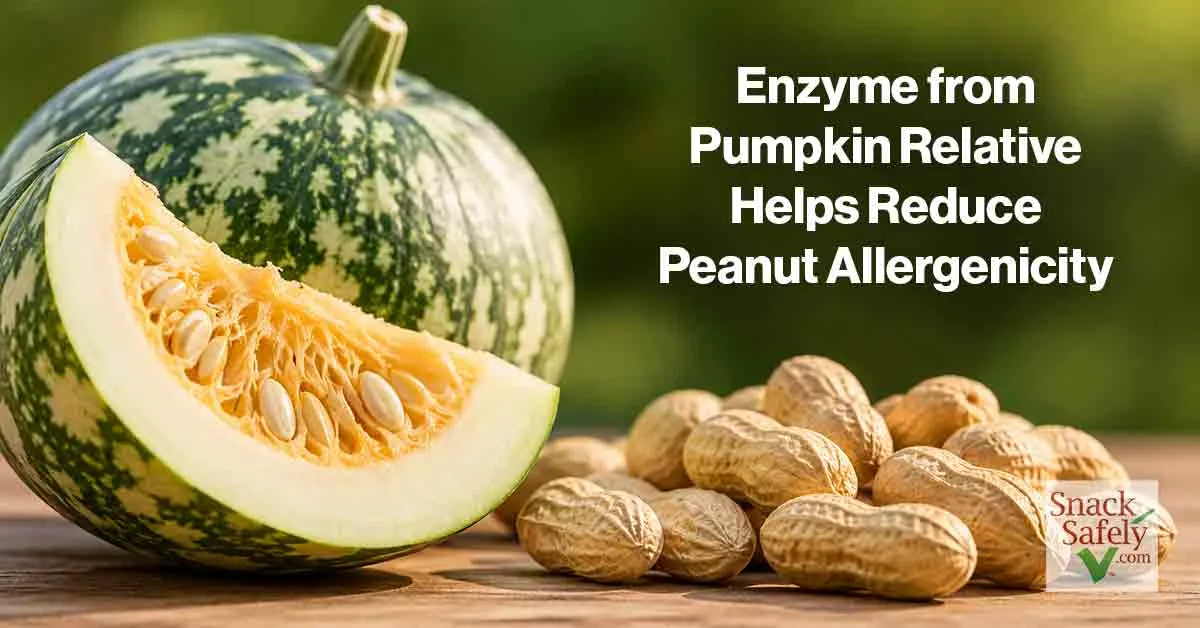
Kinetic findings from Wroclaw demonstrate that biochemical remodeling follows strict thermal and temporal parameters during food matrix processing. Food technologists cannot simply flood raw seeds with extra proteases to accelerate output. Swati Mestri and Robert Egan reported for Phys.org that an appropriately calibrated enzymatic timeline reshapes protein matrices without degrading valuable nutritional attributes or destroying overall protein integrity [2].


Resistance of Ara h 2 and Ara h 6
Among the diverse potent allergens embedded in raw seeds, Ara h 2 and Ara h 6 represent the most aggressive instigators of clinical anaphylaxis. These potent seed storage allergens withstand gastric acid, mucosal proteases, and standard culinary boiling. Ara h 6 persisted as well. Ara h 3 also remained. The tertiary structure of these seed storage globulins shields internal peptide bonds from rapid enzymatic cleavage across processing solutions. When Wroclaw investigators analyzed hydrolysates following extensive incubation, fragments of Ara h 2, Ara h 6, and Ara h 3 consistently persisted in the digested mixture [1].
Even though the overall binding capacity of the digested mixture dropped dramatically under optimal heating conditions, residual peptides retained recognizable binding sites across every laboratory assay conducted by the Polish team. Human IgE antibodies continued to identify and bind these diminutive molecular remnants in laboratory immunoassays. Aleksandra Maj of Wroclaw Medical University reported that incomplete peptide degradation preserves potential allergenicity because antibody binding sites survive prolonged incubation in laboratory solutions [4].
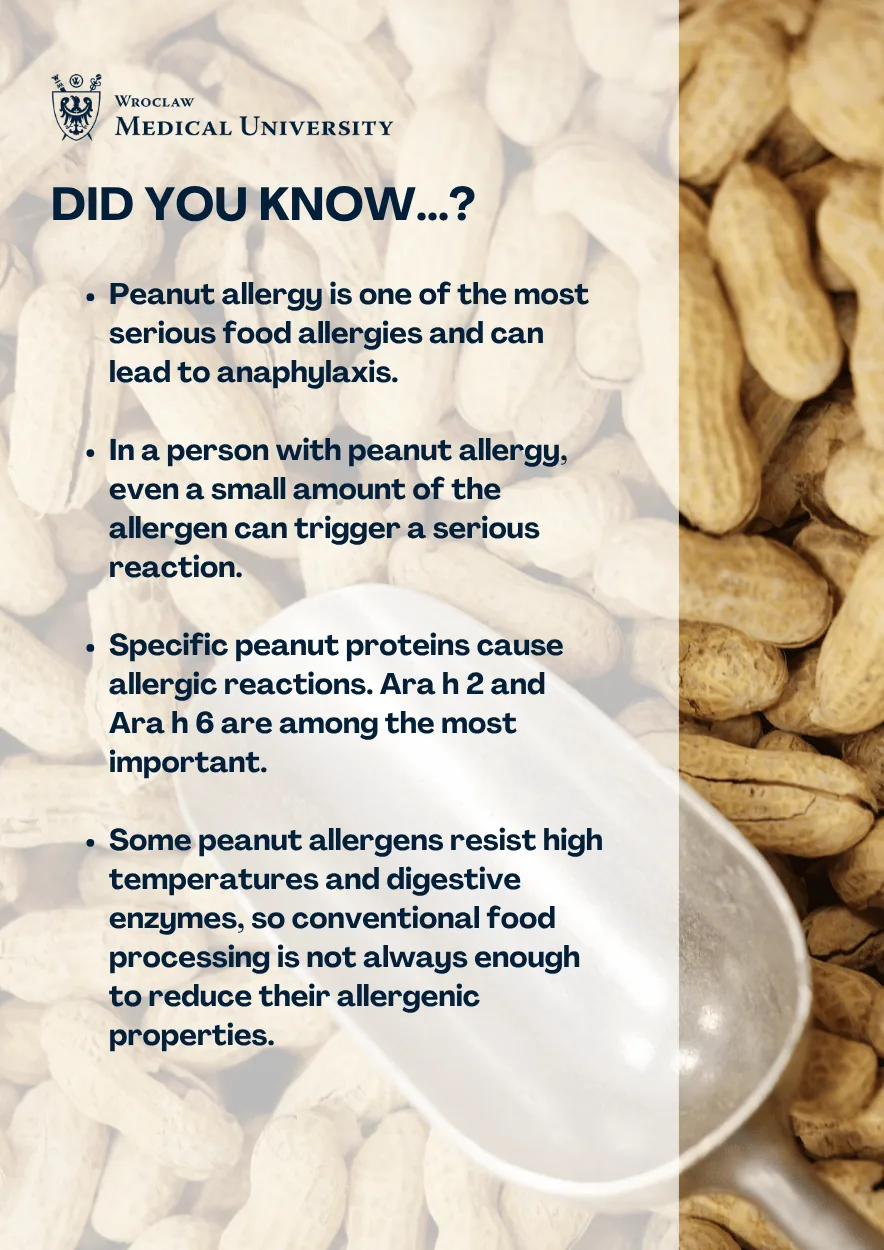
Surviving epitopes in the digested peanut material demonstrate the profound difficulty of neutralizing seed toxicity. Eliminating all reactive epitopes requires breaking down protein chains far beyond standard enzymatic digestion thresholds. Bajzert offered an explicit warning regarding laboratory outcomes: “This is a very important finding. We have shown that we can significantly reduce immunoreactivity, but hydrolysis alone is not sufficient to completely eliminate allergenic properties.” Polish researchers concluded that the resulting material cannot be declared safe for sensitized individuals [1].
Are Treated Peanut Allergy Proteins Safe for Consumption?
Enzyme-treated peanut allergy proteins are not safe for human consumption because surviving fragments can still provoke allergic responses. Laboratory binding reductions measure changes on a microplate, which does not guarantee that a sensitized immune system will remain inert during ingestion. In clinical practice, minute allergen quantities trigger mast cell degranulation. Brittany reported in Morning Ag Clips that the experimental digest cannot replace standard allergy precautions [7].
Evaluating botanical bioactives mirrors wider scientific efforts in botanical extracts for therapeutic applications, where complex plant components alter physiological pathways without providing instantaneous cures for systemic disorders. Polish researchers systematically documented that enzymatic treatment merely weakens immunoglobulin binding across microplates rather than permanently erasing dangerous allergic triggers across peanut allergens. Six Polish co-authors conducted the research. Translating preliminary biochemical assays into consumer applications demands extensive verification of immune safety across diverse patient cohorts. The experimental study carried no commercial competing interests, according to formal disclosures published by BrightSurf Science News [6]. Complete allergen eradication remains an unfulfilled clinical objective [1].

Allergic consumers and pediatric specialists must remain vigilant regarding claims of hypoallergenic peanut products. Premature commercial adoption of treated peanut allergens could introduce severe risks if sensitized children encounter partially digested flours containing intact Ara h 2 remnants. Anna Dąbrowska reiterated that the team’s objective centered on controlled peptide design rather than claiming immediate retail applications. Strict avoidance protocols remain the primary clinical recommendation for all diagnosed patients [1].
Future Functional Foods and Basophil Activation Tests
The next investigative phase focuses on basophil activation tests to establish whether hydrolyzed peanut peptides provoke living human immune cells. Wroclaw Medical University researchers plan to execute basophil activation tests, exposing patient basophils to digested proteins to observe whether the surviving fragments trigger cellular degranulation. Basophil activation tests will follow. These upcoming clinical trials will measure direct histamine release to assess true physiological responses. Only functional biological assays will clarify whether reduced IgE antibody binding translates into diminished clinical symptom severity [1].
Controlled enzymatic processing opens promising avenues for formulating novel functional foods with modified nutritional profiles. Anna Mandecka, Ph.D., Eng., of the Department of Functional Food Products Development, underscored the potential of tailored protein breakdown for designing future functional food ingredients. “Using naturally derived enzymes makes it possible to modify proteins precisely,” Mandecka explained. “We are interested in what new properties we can obtain through controlled protein breakdown while reducing immunoreactivity” [2].
Tailoring specific peptide fractions allows agricultural scientists to design next-generation food ingredients that successfully balance reduced immune reactivity with beneficial nutritional and biochemical properties across specialized commercial preparations. As project initiator Anna Dąbrowska concluded, the ultimate objective extends beyond protein elimination toward mastering the architectural properties of derived peptides to create specialized dietary formulations. Food Chemistry published the complete study. Detailed in Food Chemistry volume 525, this Polish discovery provides a biochemical foundation for targeting peanut allergens in advanced agricultural and food systems [1].
- ACADEMIC JOURNAL Wyspiańska, M., Mandecka, A., Dąbrowska, A., Willak-Janc, E., Miedzianka, J., & Bajzert, J. (2026). Pumpkin power: The influence of serine protease isolated from Cucurbita ficifolia on peanut proteins. Food Chemistry, 525, 150272. [Article Link]
- ONLINE NEWS Mestri, S., & Egan, R. (2026, September 26). Pumpkin-derived enzyme weakens peanut proteins’ binding to allergy antibodies in lab tests. Phys.org. [Article Link]
- WEBSITE Bloom, D. (2026, September 24). Enzyme from Pumpkin Relative Helps Reduce Peanut Allergenicity. SnackSafely.com. [Article Link]
- PRESS RELEASE Maj, A. (2026, August 24). Pumpkin in the fight against peanut allergens. Wroclaw Medical University. [Article Link]
- ONLINE NEWS Mirage News. (2026, September 24). Pumpkin Enzyme May Lower Peanut Allergy Risk. Mirage News. [Article Link]
- ONLINE NEWS BrightSurf Science News. (2026, September 24). Pumpkin enzyme could help reduce the immunoreactivity of peanut allergens. BrightSurf Science News. [Article Link]
- ONLINE NEWS Brittany. (2026, September 24). Pumpkin Could Help Reduce the Impact of Peanut Allergens. Morning Ag Clips. [Article Link]
APA 7: PerEXP Teamworks. (2026, September 27). Pumpkin Enzyme Weakens Peanut Allergens in Wroclaw Study. PerEXP Teamworks. https://perexpteamworks.com/en/peanut-allergens-pumpkin-enzyme-study/


