





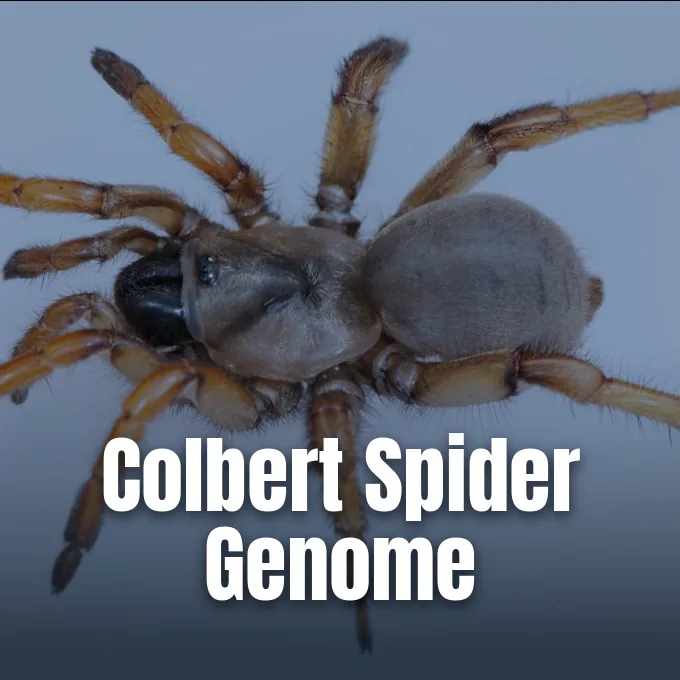
Entomologists at the University of California, Davis, have sequenced the reference genome of Aptostichus stephencolberti, a trapdoor spider native to coastal sand dunes in Northern California [3]. Described in 2008 and named after comedian Stephen Colbert, the quarter-sized arachnid carries 4.6 billion base pairs of DNA, making its genetic sequence roughly 50 percent larger than the human genome [2]. The findings, published in the Journal of Heredity, provide the first reference sequence for Euctenizidae trapdoor spiders and reveal surprising patterns across its chromosomes [1].
Sequencing Aptostichus stephencolberti
UC Davis entomologist Jason Bond and geneticist Stephen Richards assembled the reference genome using long-read sequences with proximity ligation Omni-C scaffolding data to map chromosomal structures across Northern California specimens. The primary assembly comprises 551 scaffolds spanning 3.63 gigabases, with a scaffold N50 of 62.2 megabases and a BUSCO completeness score of 95.6 percent [1]. Total DNA reaches 4.6 billion base pairs. At 4.6 billion base pairs, the sequence is about 50 percent larger than the human genome. “At 4.6 gigabases, or 4.6 billion DNA base pairs, it’s not the largest genome among the spiders, but it’s significant,” said Jason Bond, a professor in the UC Davis Department of Entomology and Nematology [3].
The project marks the first sequenced genome in the family Euctenizidae, an arachnid lineage within the order Araneae and suborder Mygalomorphae. Richards led the assembly. UC Davis scientists annotated gene models through the NCBI refseq pipeline and RNA sequencing data from California specimens [1]. Their work provides a genomic baseline for Euctenizidae across California [4].
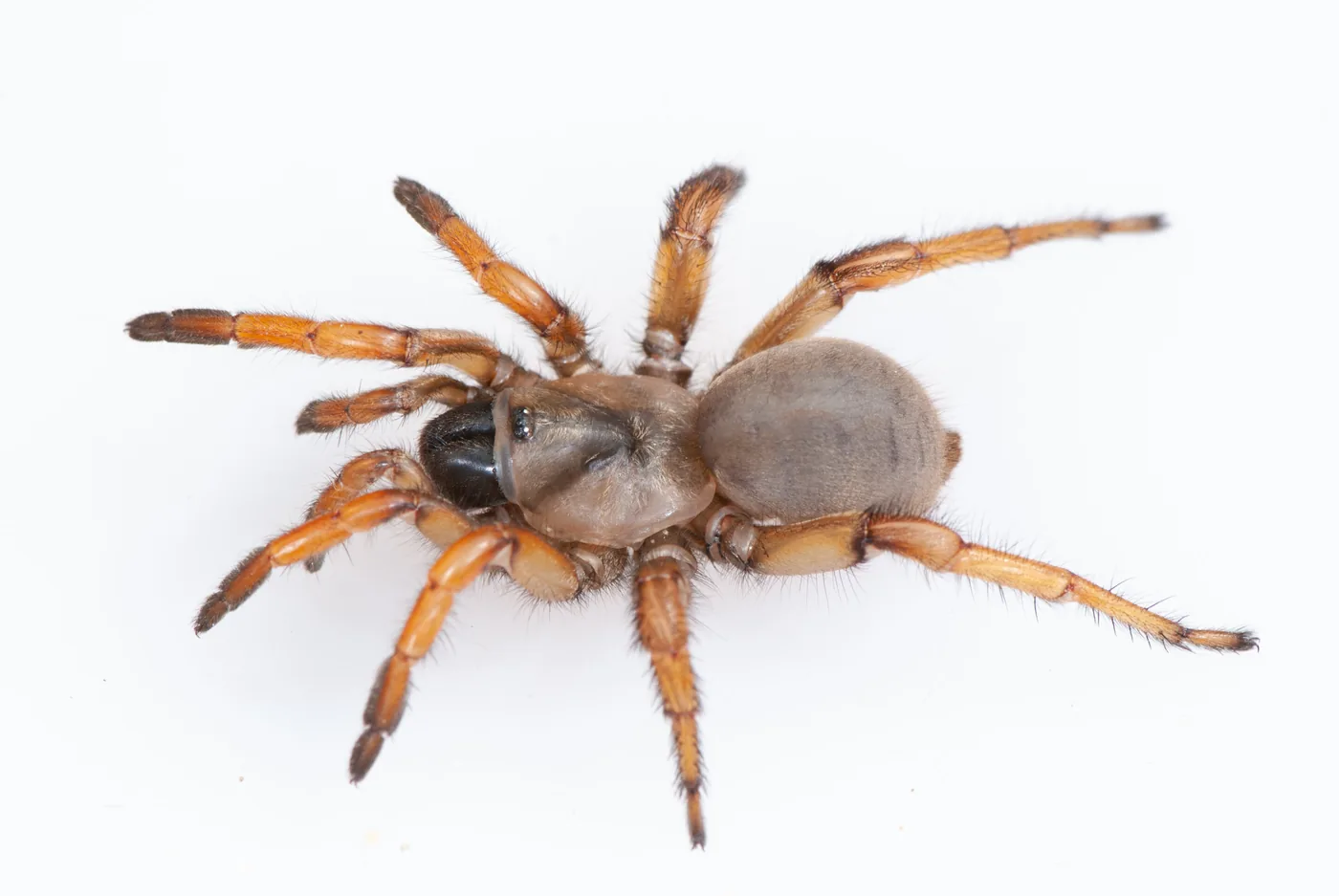
Bond explained that mapping Aptostichus stephencolberti provides tools to explore evolutionary questions in animal lineages. “It lends itself to broadening our understanding of spider genome composition and consequently how genomes have evolved across the animal tree of life,” said Bond [2]. Many spiders reach their full size around autumn after spending the warm summer months feeding on insects, giving them a noticeable seasonal presence along the Pacific coast. In this Californian trapdoor spider, however, the real surprise lay hidden inside its cell nuclei and not in its body size [3].
Chromosomes and Repetitive Sequences
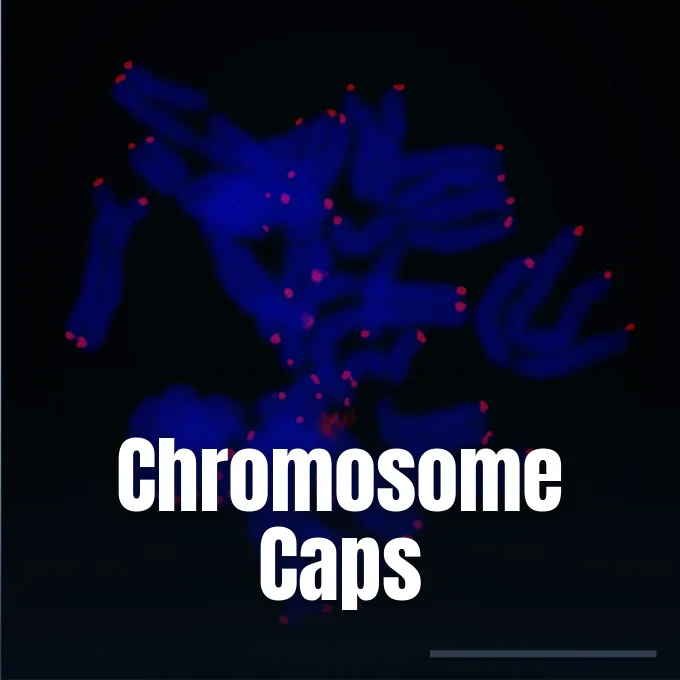
The chromosome count of Aptostichus stephencolberti presents one of its most striking genetic features [3]. While human cells carry 23 chromosomes, Aptostichus stephencolberti carries 52 chromosomes in its cells. Popular Science reported a count of 53 chromosomes, but the primary genome assembly published in the Journal of Heredity and the UC Davis study identify 52 [1]. Having more chromosomes does not mean the animal has more genes than people do [4]. Instead, roughly 77 percent of the entire genome consists of repetitive DNA sequences that appear copied many times over [3]. These duplicated sequences account for the large size of the sequence without adding functional gene variety [4].
Beyond its repetitive segments, Aptostichus stephencolberti completely lacks the ancestral (TTAGG)n telomere repeats that protect chromosome ends across vertebrates, leaving its DNA ends without standard caps [1]. Telomeres shield genetic data during cell division. UC Davis biologists suggest this ancestral repeat loss might explain why chromosomes in spiders evolve much faster than chromosomes in vertebrates across California lineages [2].
Life in Coastal Sand Dunes
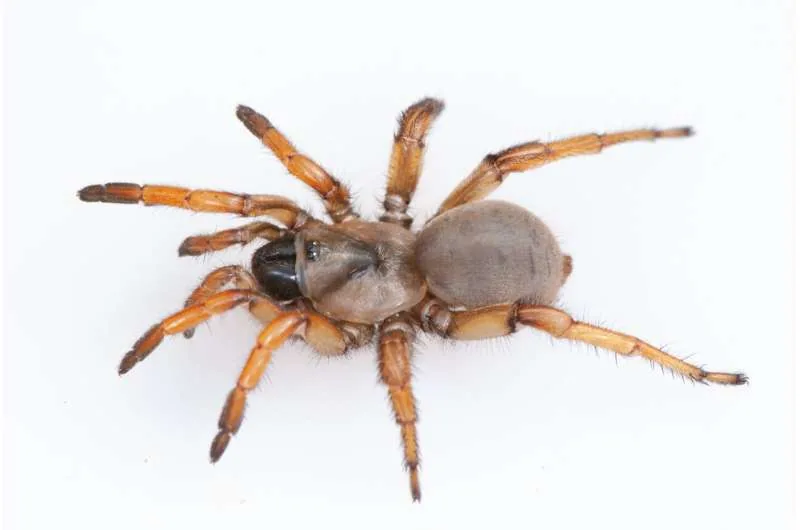
Despite carrying billions of base pairs, Aptostichus stephencolberti measures only about the size of a quarter [2]. The species lives along sandy coastal dunes in Northern and Central California, spanning isolated stretches that reach from the San Francisco Bay south to Monterey. The dunes border Monterey. Beachgoers along California beaches often walk past these dunes without ever spotting the small arachnids concealed beneath the sand [3].
Female Aptostichus stephencolberti spend almost their entire lives underground in coastal California dunes, constructing silk-lined burrows that shield them from dry beach winds and hungry predators [3]. Each burrow entrance features a hinged trapdoor fashioned from silk and Pacific sand, camouflaging the opening so well that human eyes rarely spot it [4]. The spider rests quietly near the doorway and waits for ground vibrations caused by passing insects or other small arthropods. Once prey wanders within striking distance, the spider pushes open the trapdoor with great speed, seizes the target, and pulls it underground before snapping the entrance shut [2]. This hunting technique depends on precise timing instead of chasing prey, which lets Aptostichus stephencolberti conserve moisture in shifting California sand [3].
While trapdoor spiders produce venom to subdue their prey, their bite poses no danger to humans [2]. Entomologists estimate that among more than 50,000 recognized spider species worldwide, only about 30 to 50 carry venom potent enough to cause serious medical harm to people. UC Davis professor Jason Bond said that an encounter with Colbert’s spider namesake produces little more than a harmless prick [3]. Aptostichus stephencolberti stays confined to its sandy retreats and avoids human contact [4].


How the Spider Got Colbert’s Name
The unusual scientific name of the arachnid traces back to late-night television in 2008. Comedian Stephen Colbert had spent years playing an egotistical pundit caricature on Comedy Central’s The Colbert Report, which aired from 2005 to 2014 following his work on The Daily Show. Colbert hosted for 11 seasons [2]. When Stephen Colbert learned that Jason Bond had named another newly identified trapdoor spider species after rock musician Neil Young, the Comedy Central host feigned jealousy on the air. Colbert used his recurring segment, “Who’s Not Honoring Me Now?”, to demand that the UC Davis researcher name a spider in his honor as well [3]. “And all I had to do was shamelessly beg on national television,” Colbert said at the time [2].
Bond obliged Colbert by describing Aptostichus stephencolberti in 2008. Just like Colbert’s television persona, the “t” in the species name is never pronounced. Stephen Colbert later concluded an 11-season run hosting The Late Show after CBS cancelled the broadcast in May, but his arachnid namesake continues to hold an outsized place in entomological literature. At the time of its formal description, UC Davis researchers did not know that Aptostichus stephencolberti possessed such a large genome [2].
Conservation Needs for Aptostichus stephencolberti
Under the California Conservation Genomics Project, UC Davis scientists map DNA to protect vulnerable native species across coastal California. Trapdoor spiders show extreme site fidelity [1]. Because females remain tied to their subterranean burrows for their entire adult lives without dispersing far from where they hatched, isolated populations develop across separate California dune pockets that face high extinction risks whenever coastal habitats suffer damage. Genomic data helps researchers identify distinct populations for protection [3].
Rising sea levels pose the most urgent threat to these spiders, as ocean water gradually erodes the narrow beaches and sand dunes they inhabit [2]. In addition to rising tides, non-native plants and animals crowd the dunes, while expanding coastal urbanization and seasonal wildfires alter the surrounding terrain. Without stable dunes, their subterranean shelters disappear, destroying entire local colonies in Central California [3].

Bond pointed out that human beach culture overlaps with the natural habitat of this reclusive species. “We Californians love our beaches and trapdoor spiders share them with us,” said Bond. “They’re going to be incredibly sensitive to sea-level rise, but they’re also very sensitive to invasive species,” he said [3]. Researchers hope that understanding these genetic boundaries will help park managers in California make informed decisions about preserving dune corridors before rising shorelines cut off isolated spider populations completely [4].
Medical and Agricultural Venom Research
In addition to conservation tracking, assembling the genome opens new avenues for biochemical research into spider venom. While the bite of Aptostichus stephencolberti does not harm humans, its venom contains complex chemical mixtures that may prove valuable in pharmacology and agriculture. Certain venom-derived molecules found in spiders show potential for development as non-addictive painkillers, while other compounds could serve as targeted bio-pesticides to manage crop pests without harming beneficial insects. “We don’t really know what’s out there in terms of untapped natural product diversity for venoms,” said Bond [3]. Having this sequence data helps UC Davis researchers in the Department of Entomology and Nematology identify and test these bioactive molecules systematically [4].
The reference genome in the Journal of Heredity shows how biodiversity studies in fragmented coastal areas can yield lasting scientific value [1]. A creature originally named by Jason Bond to satisfy a Stephen Colbert late-night television joke has become an important model for arachnid genetics, chromosome evolution, and habitat protection in California [2]. As rising Pacific seas, expanding urbanization, and shifting climates continue to press against California’s sandy shoreline, the genetic catalog of Aptostichus stephencolberti will help UC Davis researchers safeguard both the burrowing species and the fragile dunes it calls home [4].
- ACADEMIC JOURNAL Richards, S., Jochim, E., Newton, L., Starrett, J., Sahasrabudhe, R., Nguyen, O., Beraut, E., Fairbairn, C., Sacco, S., Seligmann, W., Escalona, M., Cooper, R. D., Shaffer, H. B., Toffelmier, E., & Bond, J. E. (2026). Reference genome of the Californian trapdoor spider Aptostichus stephencolberti Bond 2008 (Araneae: Mygalomorphae: Euctenizidae). Journal of Heredity. [Article Link]
- ONLINE NEWS Paul, A. (2026). Spider named after Stephen Colbert has twice as many chromosomes as you. Popular Science. [Article Link]
- ONLINE NEWS University of California, Davis. (2026). A spider named for Stephen Colbert has a genome about 50% larger than ours. Phys.org. [Article Link]
- ONLINE NEWS Meridia Editorial. (2026). Colbert-Named Spider Has a Genome 50% Larger Than Ours. Meridia. [Article Link]
APA 7: PerEXP Teamworks. (2026, October 29). Aptostichus Stephencolberti Genome Spans 4.6 Billion Base Pairs. PerEXP Teamworks. https://perexpteamworks.com/en/aptostichus-stephencolberti-genome-chromosomes/


