




Most humpback whales (Megaptera novaeangliae) are famous for traveling thousands of miles between freezing polar feeding areas and warm tropical breeding grounds. Yet one isolated group of Arabian Sea humpback whales breaks this universal mammalian pattern by remaining in tropical and subtropical waters throughout the entire year. Do these non-migratory giants constitute an entirely separate branch of marine life? A comprehensive genetic study analyzing 2,285 humpback whales worldwide indicates that this unique northern Indian Ocean population diverged tens of thousands of years ago, providing compelling evidence that they represent a distinct subspecies [1].
- Why Arabian Sea Humpback Whales Never Migrate
- How an 1883 Basra Skull Resurfaced in Paris
- What Does Mitochondrial DNA Reveal About Arabian Sea Humpbacks?
- Pleistocene Glaciation and the Ecological Barrier
- Can Megaptera Novaeangliae Indica Gain Formal Subspecies Status?
- Entanglement and Vessel Traffic Threaten an Endangered Population
Why Arabian Sea Humpback Whales Never Migrate
Across the world’s oceans, humpback whales follow rigid seasonal timetables that alternate between high-latitude feeding sanctuaries and equatorial breeding zones. In the Arabian Sea, abundant coastal upwelling driven by seasonal monsoons supplies an unusually rich food web dominated by sardines, making grueling polar journeys biologically unnecessary for Arabian Sea humpback whales [2]. Resident feeding habits allow the animals to satisfy their massive caloric demands without ever departing the northern Indian Ocean [1]. They rely primarily on sardines. This stationary lifestyle isolates them completely from neighboring ocean basins [2].
Because they live exclusively in warm waters, these whales have adapted their biological clocks to match the Northern Hemisphere calendar. While southern Indian Ocean humpbacks travel north toward Sri Lanka and the Maldives during austral winter, the local Arabian whales are actively feeding rather than seeking mates [2]. Their reproductive cycles remain six months out of step with southern populations, establishing a potent behavioral barrier that prevents interbreeding. Distance alone does not separate them. Temporal desynchronization ensures that passing migrants and resident whales never interbreed, maintaining their evolutionary independence across generations [1].
How an 1883 Basra Skull Resurfaced in Paris
The scientific detective story behind this isolated whale population actually began in 1883, when an unusual baleen whale stranded in the muddy shallows near Basra, in modern-day Iraq [2]. A contemporary naturalist examined the carcass and classified it as a newly discovered species called Megaptera indica [3]. The Basra specimen was a humpback. For more than a century, mainstream taxonomists dismissed the designation as a mere historical synonym, relegating the animal’s incomplete skull to an archival drawer inside the Muséum National d’Histoire Naturelle in Paris [2].
Recently, two researchers reexamined the weathered cranial bones in Paris and extracted ancient DNA to resolve the animal’s true genealogical identity [2]. Genetic sequencing proved that the 1883 specimen possessed the exact maternal lineage found in whales swimming off Oman today, directly linking the historical Basra stranding to the contemporary endangered population [1]. Museum archives frequently hold the crucial biological material required for evaluating biodiversity loss, much like earlier research teams demonstrated when reconstructing the genetic lineage of historical killer whales from conserved skeletal remains. The skull dates to 1883. Because the stranding occurred more than 140 years ago, the original nineteenth-century epithet now provides the formal taxonomic foundation for the proposed subspecies, Megaptera novaeangliae indica [2].
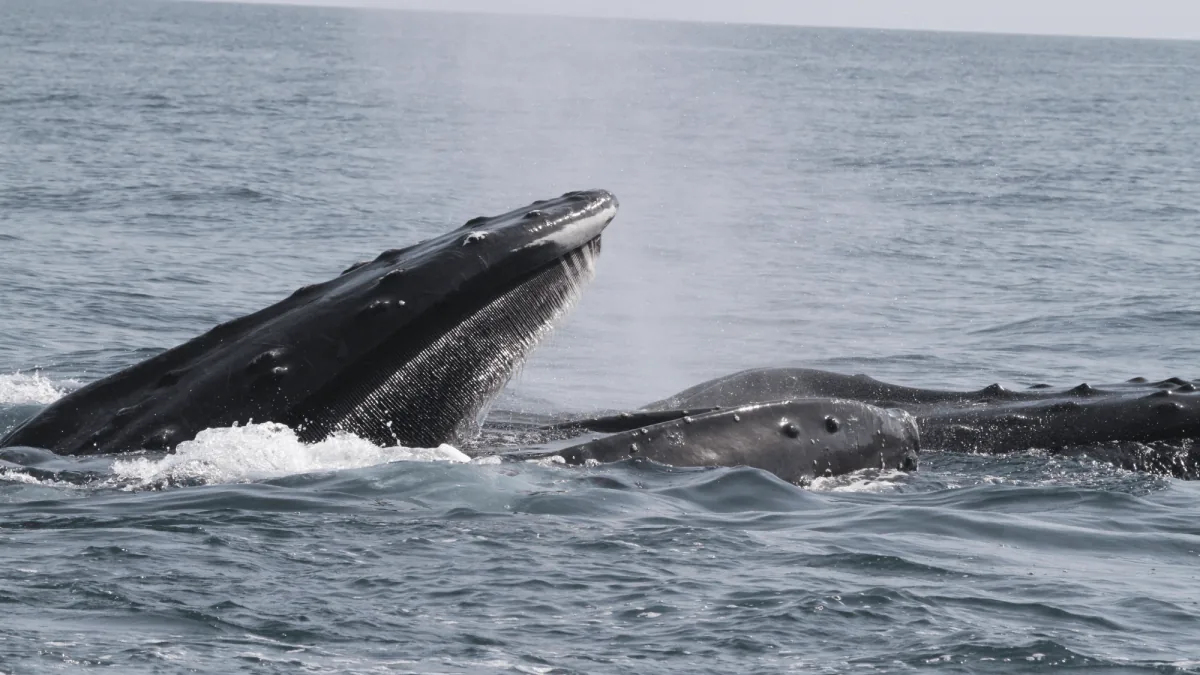
Morphological analysis of the historical Basra skull confirmed that its cranial architecture matches modern humpback skeletons while retaining regional skeletal proportions recorded by nineteenth-century anatomists [2].
What Does Mitochondrial DNA Reveal About Arabian Sea Humpbacks?
To evaluate how sharply these whales differ from global populations, an international research consortium compared genetic profiles from 2,285 humpback whales across every major ocean basin [1]. The Arabian Sea dataset included tissue samples collected from 47 free-ranging individuals off the coast of Oman between 1999 and 2004 [2]. Mitochondrial DNA sequences revealed that the Arabian Sea whales possess the lowest genetic diversity of any humpback population surveyed on Earth [3]. Only 47 local whales were sampled. The genetic gap separating them from Southern Hemisphere and Pacific whales exceeds the variation observed between North Atlantic and North Pacific subspecies [2].
“What began with small-boat surveys to photograph individual whales and collect tiny tissue samples has developed into a much broader program using satellite tracking, acoustic monitoring, health assessments, and other techniques,” explained co-author Suaad Al Harthi, executive director of the Environment Society of Oman. These combined methodologies confirmed that Arabian Sea humpback whales produce unique acoustic mating songs that are shared between India and Oman but never heard in southern waters [2]. Mating calls accompany seasonal breeding. Acoustic divergence reinforces genetic separation, ensuring that song patterns remain distinct within this northern sanctuary [1].
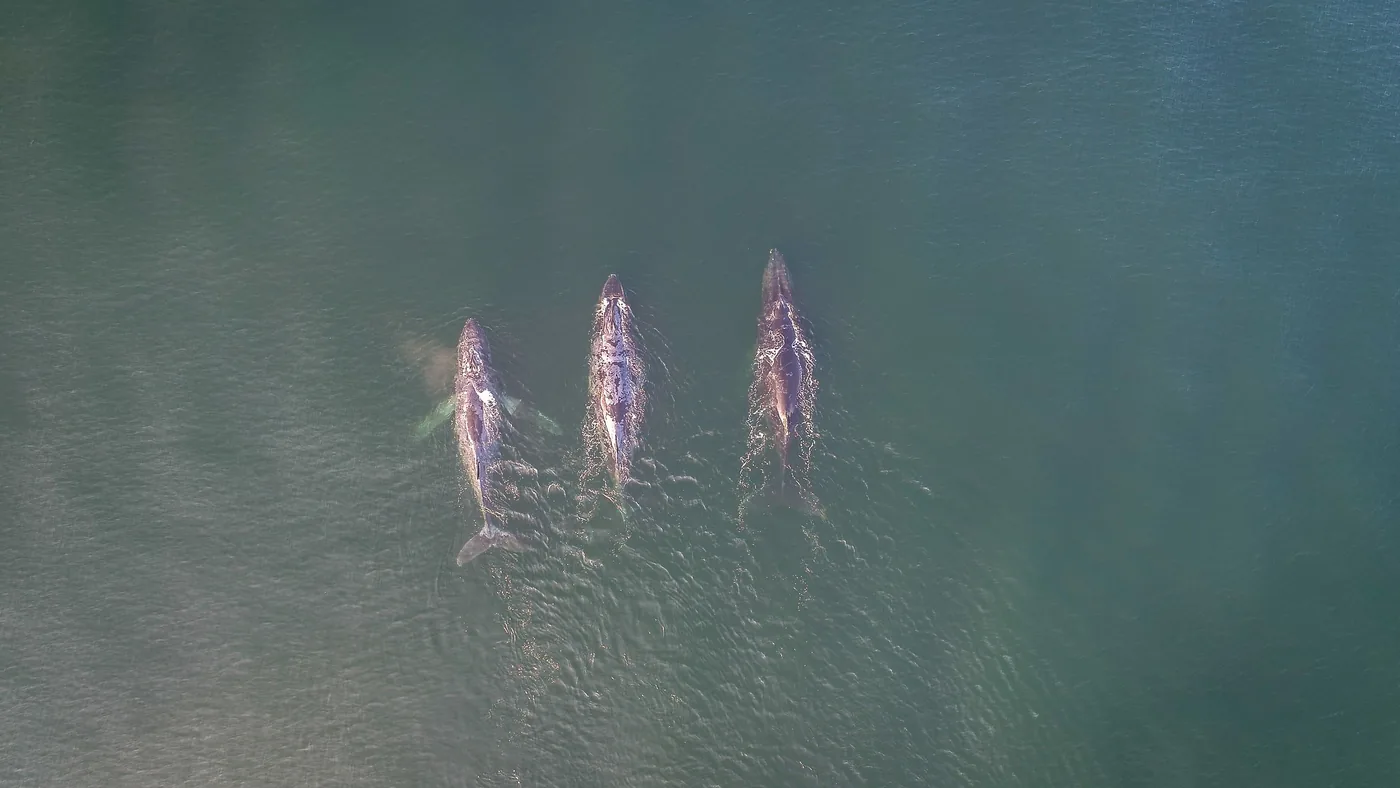
However, geneticists emphasize that maternal mitochondrial DNA only reflects an unbroken chain of mothers passing markers down to their calves. A previous investigation in 2014 examined nuclear DNA inherited from both parents, similarly finding that Arabian Sea whales formed a distinct cluster compared to neighboring Indian Ocean populations. By certain strict statistical thresholds, the mitochondrial difference between Arabian and southern whales falls just below conventional cutoff lines for marine mammal subspecies delineation [2]. Scientists argue that fixed genetic cutoffs fail to account for evolutionary lineages that diverged recently under strong ecological selection [1].


Pleistocene Glaciation and the Ecological Barrier
Coalescent modeling indicates that the ancestors of today’s resident population branched off from southern stocks between roughly 43,000 and 113,000 years ago. These dates coincide with the turbulent late Pleistocene epoch, when shifting glaciers caused sea levels and Indian Ocean circulation patterns to fluctuate dramatically. Marine organisms frequently found refuge in restricted sea basins during glacial cycles, a phenomenon seen across geological history where marine lineages endured prolonged environmental disruptions by adapting to localized food sources. The ice ages reshaped ocean currents. Rather than forming a single neat clade, Arabian whales show multiple branching points, suggesting their ancestors colonized the northern basin during several distinct migration waves [2].
Once established in the Arabian Sea, the whales encountered a unique ecosystem shaped by the intense Southwest Monsoon. Strong monsoonal winds generate powerful ocean upwelling along the southern Arabian Peninsula, concentrating massive shoals of sardines and other pelagic forage fish. Unlike their Antarctic relatives that graze on massive swarms of krill, northern Indian Ocean humpbacks feed heavily on fish schools in the same coastal waters where they nurse their young [2]. Ecological divergence in prey selection and foraging behavior cemented their isolation, eliminating the selective pressure to undertake exhausting poleward migrations [1].
Morphological records from historical whaling operations further reflect this environmental differentiation. In the 1960s, Soviet whaling crews took and measured 238 humpback whales from the Arabian Sea. Those records revealed that the northern whales averaged about 43 feet (13 meters) in length, making them slightly larger than the Southern Hemisphere average of 41 feet (12.5 meters) [2]. Whalers documented these size differences. Although physical dimensions alone cannot definitively identify an individual at sea, biometric measurements corroborate the genetic evidence that Arabian Sea humpbacks have pursued an independent evolutionary path [1].
Can Megaptera Novaeangliae Indica Gain Formal Subspecies Status?
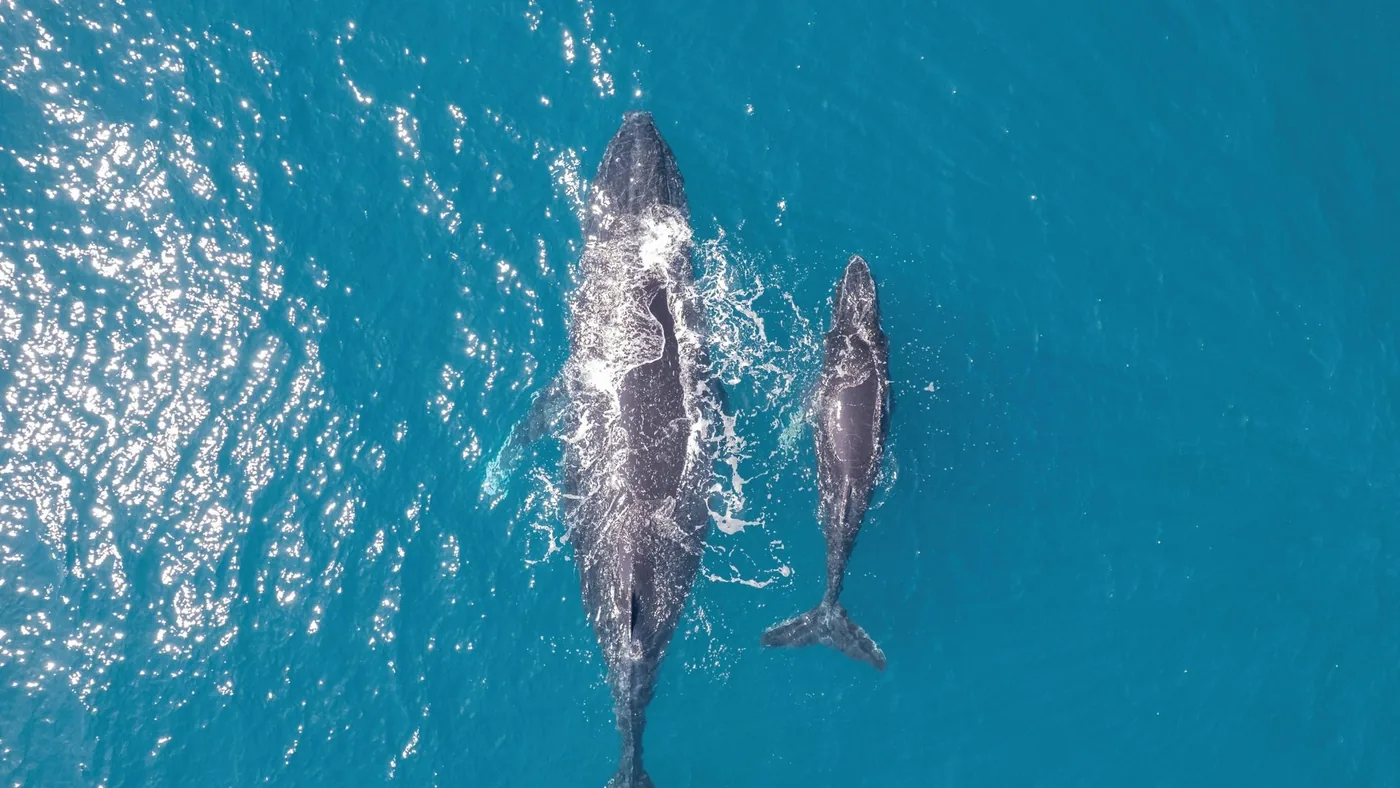
The growing body of genetic and behavioral evidence strongly supports elevating the Arabian Sea population to recognized taxonomic status. Lead author Ana Rita Amaral, a research scientist at the Wildlife Conservation Society, underscored the significance of these findings: “The results clearly indicate the Arabian humpback whales have followed their own evolutionary trajectory for tens of thousands of years and support their recognition as a distinct subspecies” [3]. Formal taxonomic naming remains subject to review by the Society for Marine Mammalogy’s taxonomy committee. The committee last met in April 2026. Official catalogues currently recognize only three humpback whale subspecies, leaving Arabian animals unlisted [2].
Formal recognition carries substantial practical weight beyond academic nomenclature. The International Whaling Commission already manages Arabian Sea humpback whales as a discrete breeding and feeding unit, recommending targeted conservation measures to halt their decline [2]. If the proposed classification of Megaptera novaeangliae indica is ratified, international environmental treaties could unlock heightened legal protections for critical maritime habitats [1]. Official taxonomy guides legal protection. Distinguishing this population as a separate evolutionary unit emphasizes that losing these northern whales would permanently erase unique genetic adaptations found nowhere else on the planet [3].
Entanglement and Vessel Traffic Threaten an Endangered Population
Despite their evolutionary resilience, Arabian Sea humpback whales face acute anthropogenic pressures that threaten their immediate survival [3]. The population is remarkably small, numbering only a few hundred individuals with zero measurable demographic growth detected over the past two decades [2]. Consequently, the IUCN Red List classifies the Arabian Sea subpopulation as Endangered [3]. More than two-thirds of the whales photographed off Oman display severe scarring caused by entanglement in commercial gillnets and fishing ropes. Discarded fishing ropes never decay. Entangled whales suffer chronic drag, physical trauma, and elevated mortality before reaching reproductive maturity [2].
Industrial shipping poses an equally grave hazard across the northern Indian Ocean. Between 2009 and 2018, commercial container vessel traffic expanded by approximately 5% annually, cutting directly through essential whale feeding and calving corridors off the coast of Oman. Lethal ship strikes, pervasive acoustic disturbance from heavy vessel engines, and coastal pollution continuously degrade their core habitat. Aida Al Jabri of Oman’s Environment Authority noted that this research is helping the sultanate transition from scientific discovery toward aggressive conservation action through the International Maritime Organization. Tankers rarely slow down near Oman. Dr. Howard Rosenbaum of the WCS New York Bight Program concluded that this genetic breakthrough significantly reinforces the urgency of protecting these isolated marine mammals before their evolutionary lineage vanishes [2].
- ACADEMIC JOURNAL Amaral, A. R., Gaughran, S. J., Giakoumis, M. I., Willson, A., Minton, G., Baldwin, R., Willson, M. S., Al Harthi, S., Al Jabri, A., Collins, T., Van Waerebeek, K., & Rosenbaum, H. C. (2026). A whale apart: further evidence for genetic isolation of Arabian Sea humpback whales from other recognised subspecies. Frontiers in Marine Science, 13. [Article Link]
- ONLINE NEWS Arrais, L., & Ralls, E. (2026, October 2). Humpback whales that never migrate may belong to a subspecies all their own. Earth.com. [Article Link]
- ONLINE NEWS Bassi, M. (2026, October 2). More evidence emerges that Arabian Sea humpback whales could be their own subspecies. Popular Science. [Article Link]
APA 7: PerEXP Teamworks. (2026, October 3). Why Arabian Sea Humpback Whales Form an Isolated Lineage. PerEXP Teamworks.


