





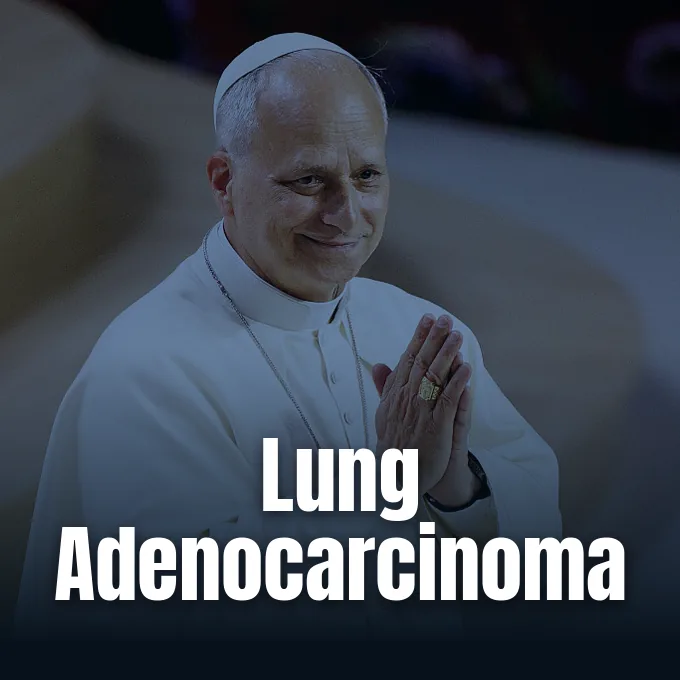
When doctors found a suspicious lesion in the chest of Pope Leo XIV during a routine medical checkup, his diagnosis of lung adenocarcinoma focused clinical attention on how pulmonary tumors emerge in nonsmokers. The 71-year-old pontiff underwent surgery at Rome’s Gemelli Hospital to resect the nodule before malignant cells could spread into surrounding tissue. Dr. Stefano Margaritora led the surgical team from the Catholic University of Sacred Heart during a 90-minute operation that removed the lower lobe of the right lung, and early tests confirmed a stable recovery [3].
Surgeons Diagnose Pope Leo with Lung Adenocarcinoma
Surgeons at Gemelli Hospital carried out the operation on Tuesday, Oct. 13, 2026, after a medical team led by Dr. Luigi Carbone detected an abnormal spot during an examination. The clinical team decided on a lobectomy to ensure a radical resection, taking out the entire lower right lobe to lower the odds of recurrence. Tests run on the excised tissue confirmed adenocarcinoma, the most common histological variant of pulmonary cancer [3]. The Vatican announced that Leo woke from anesthesia without complications and asked for dinner while speaking with his staff [4].
Leo had spent decades serving in Peru as a missionary and bishop before his election as pope in May 2025. Born in Chicago in 1955 as Robert Prevost, he previously overcame a bout of typhoid fever in 1985 while working as a young priest in South America [4]. His background includes playing tennis and taking regular walks, which supports rehabilitation after major thoracic procedures. Dr. David Jones, chief of thoracic surgery at Memorial Sloan Kettering Cancer Center, said that strong baseline fitness helps patients regain their normal routines within three to four weeks [2].
Hospital officials confirmed that the pontiff began respiratory physiotherapy on Wednesday morning while walking around his room and eating regular meals. All public papal audiences were canceled through Oct. 20 to allow him to recuperate in his private hospital suite [4]. A scheduled trip to Uruguay, Argentina, and Peru from Nov. 6-17 stays on his calendar, pending clinical assessments before discharge. As Dr. Kalvin Lung of Northwestern Medicine Canning Thoracic Institute explained, patients who undergo this procedure typically face mild surgical pain for one to two weeks before resuming regular responsibilities [2].

What Defines Lung Adenocarcinoma?
Lung adenocarcinoma is a subtype of non-small cell lung cancer that begins in glandular cells producing mucus in the outer edges of the lungs. The condition accounts for roughly 40% to 45% of all lung cancer diagnoses worldwide and ranks as the most frequent form seen in oncology clinics [3]. Unlike small cell carcinomas that often spread early, adenocarcinomas typically grow more slowly, so physicians have a better opportunity to intervene before malignant cells invade deeper structures. Early identification of these cellular clusters allows thoracic surgeons to resect localized growths before they penetrate blood vessels or lymphatic pathways [2].
Adenocarcinomas differ from other pulmonary cancers because they often arise in nonsmokers and younger adults rather than solely in older individuals with lengthy smoking records. When cigarette filters gained wide popularity decades ago, they altered the pattern of smoke inhalation and directed fine particles into the peripheral lung tissues where adenocarcinomas typically form. Medical records indicate that Leo has never smoked tobacco, in line with patients whose illness stems from non-smoking causes [1]. Dr. Jon LaPook, chief medical correspondent for CBS News, said that localized lesions caught at this stage can often be cured through surgical intervention alone without additional toxic therapies [2].
Why Is Lung Cancer Rising in Nonsmokers?
Lung cancer is rising among nonsmokers because changing demographic factors, altered environmental hazards, and genetic predispositions expose non-tobacco populations to separate oncogenic pathways. According to data from the American Lung Association, lung cancer incidence rose by 79% for women over the last 44 years while falling by 43% among men. Furthermore, young women now receive diagnoses at higher rates than young men for the first time in medical history. Approximately 20% of women diagnosed with lung cancer have never smoked, which confirms that tobacco avoidance does not eliminate pulmonary risk [1].
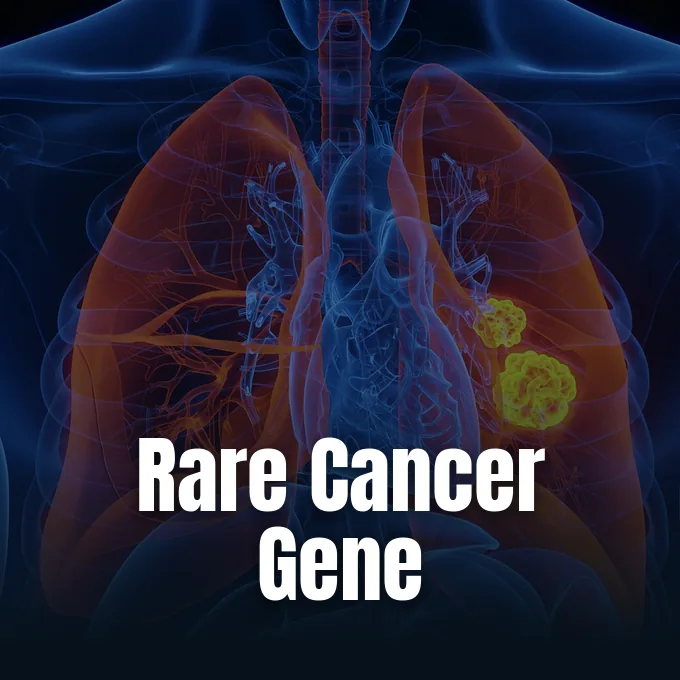
Oncologists point to multiple factors beyond direct tobacco inhalation, including radon gas in homes, workplace chemical exposures, and family genetic traits. Exposure to substances such as asbestos, arsenic, beryllium, cadmium, silica, and nickel can initiate cellular damage in lung tissues even in the absence of cigarette smoke. In parallel, investigative teams have studied how a rare genetic mutation increases severe lung cancer risk, which clarifies inherited vulnerabilities similar to BRCA1 alterations in breast oncology [1]. These genetic patterns help explain why nonsmoking patients develop malignant nodules without customary lifestyle risks.
Gender differences also influence how carcinogenic compounds interact with cellular tissue. Research published in Clinics in Chest Medicine indicates that women may exhibit higher susceptibility to secondhand smoke and environmental toxins than men, so cellular abnormalities can appear after shorter exposure windows [6]. Thoracic oncologist Dr. Estelamari Rodriguez said that because younger nonsmokers do not match the past profile of lung cancer patients, their symptoms like fatigue and mild coughs are often overlooked [1].


Screening Guidelines and Lung Nodule Risks
Current screening protocols focus almost exclusively on individuals with heavy smoking histories, so most nonsmokers stay outside standard early detection programs. In 2021, the U.S. Preventive Services Task Force updated its criteria to recommend annual low-dose CT scans for adults ages 50 to 80 who smoked at least one pack daily for 20 years and currently smoke or quit within 15 years. Researchers estimate that expanding these parameters increased screening eligibility for women by 40%, yet participation stays low. Less than 6% of eligible smokers undergo annual lung scans, compared to more than 70% of women who complete regular breast examinations [1].
Finding a spot on a lung scan does not automatically signify a life-threatening malignancy. The American Thoracic Society notes that fewer than 5% of lung nodules identified on imaging prove to be cancerous, as benign infections and scar tissue often cause similar shadows. Clinicians assess the risk of a nodule based on its size, edge shape, patient age, and growth over time on follow-up scans. In Leo’s case, doctors monitored the lesion closely before deciding that a surgical biopsy and immediate removal provided the safest therapeutic path [4].
Wider environmental threats also complicate respiratory assessments. Industrial particulate matter and urban air pollution create ongoing pulmonary stress, similar to findings on how climate change and environmental hazards threaten human health in vulnerable communities. For never-smokers without access to routine screening, noticing persistent respiratory changes is key to early diagnosis [1].

Targeted Therapies and Postoperative Care
When surgeons detect lung adenocarcinoma at Stage 1, radical resection of the affected lobe often provides a complete cure without chemotherapy. If post-surgical pathology reveals micro-metastases in adjacent lymph nodes, medical oncologists turn to targeted medications designed to inhibit specific oncogenic proteins. Dr. Kalvin Lung noted that pathological testing evaluates the genetic architecture of the tumor to check for driving mutations that fuel cellular division [2]. Identifying these alterations allows doctors to prescribe oral inhibitors that halt tumor growth while sparing healthy tissues.
Immunotherapy has reshaped the clinical landscape for patients whose disease needs medical therapy beyond surgery. Karen Knudsen, chief executive of the Parker Institute, stated that lung adenocarcinoma often carries high mutation counts that alert the immune system to abnormal cells. Checkpoint inhibitors release biochemical brakes on T cells so the immune defenses can seek out and destroy residual malignant cells in the body. Dr. David Jones explained that some patients can rely entirely on targeted pills or checkpoint blockers and avoid conventional intravenous chemotherapy with its difficult side effects [3].
Postoperative care for lobectomy patients emphasizes gradual recovery with vigilant monitoring for recurrence. The Vatican reported that Leo engaged in supervised breathing exercises and walked unassisted inside Gemelli Hospital within twenty-four hours of surgery [4]. Doctors plan to keep the pope hospitalized for roughly one week while tissue pathology confirms whether additional medical therapies are indicated [2].
How Many Patients Survive Lung Adenocarcinoma?
Survival rates for lung adenocarcinoma exceed 80% to 90% at five years when doctors identify and resect localized Stage 1 tumors before local spread occurs. A long-term study published in Clinical Lung Cancer found that nonsmoking patients consistently achieve superior overall survival compared to smokers in all age cohorts [5]. Early detection provides the single greatest opportunity for cure, so patients who undergo radical resection can maintain productive daily lives [3]. For pontiff Leo, catching the nodule before symptoms appeared positions him favorably for a durable recovery.
Medical experts agree that prompt surgical care and advances in targeted treatments allow most early-stage patients to return to their normal schedules with minimal functional loss. Before his diagnosis, Pope Leo maintained a daily routine that included playing tennis and walking around the Vatican grounds, which bodes well for his post-surgical stamina [3]. His clinical team anticipates that after three to four weeks of recuperation, he will resume official duties and prepare for his November pastoral journey to South America [2]. As oncology research uncovers more about nonsmoker biology, timely intervention continues to transform lung cancer from an untreatable disease into a manageable medical condition.
- ONLINE NEWS Rodriguez, E. (2026). Pope Leo XIV’s lung cancer highlights growing number of nonsmokers diagnosed with the disease—and younger people too. Medical Xpress. [Article Link]
- ONLINE NEWS Chau, N. B. (2026). Pope Leo’s lung cancer prognosis could depend on these factors, doctors say. CBS News. [Article Link]
- ONLINE NEWS Park, A. (2026). What to Know About Pope Leo’s Lung Cancer Diagnosis. TIME. [Article Link]
- ONLINE NEWS Moseley, T., & Stahl, J. (2026). Latest on Pope Leo after cancer surgery. USA TODAY. [Article Link]
- ACADEMIC JOURNAL Toh, C., Ong, W., Lim, W., Tan, D. S., Ng, Q., Kanesvaran, R., Seow, W., Ang, M., & Tan, E. (2018). A Decade of Never-smokers Among Lung Cancer Patients—Increasing Trend and Improved Survival. Clinical Lung Cancer, 19(5), e539-e550. [Article Link]
- ACADEMIC JOURNAL Tanoue, L. T. (2021). Women and Lung Cancer. Clinics in Chest Medicine, 42(3), 467-482. [Article Link]
APA 7: PerEXP Teamworks. (2026). Pope Leo XIV Confronts Lung Adenocarcinoma as Therapies Advance.


