





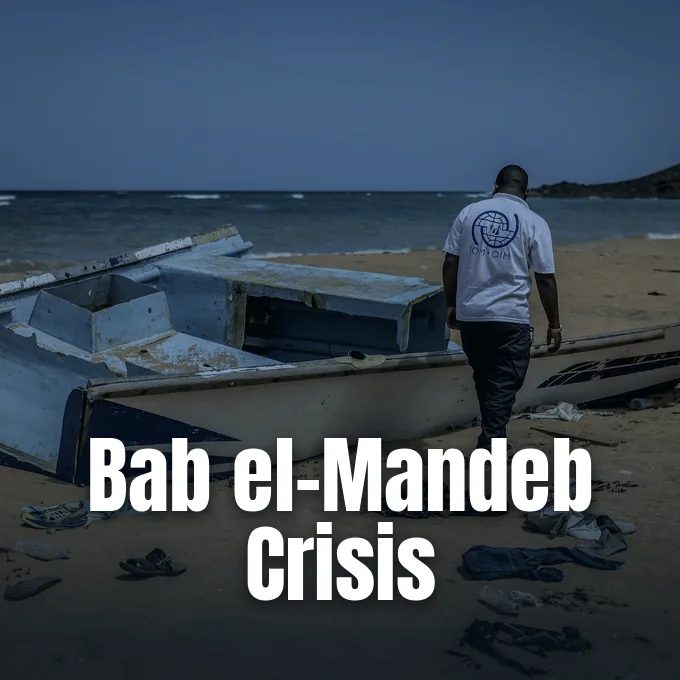
Military advances in southwestern Yemen have disrupted shipping through the Bab el-Mandeb Strait, creating a dangerous chokepoint at the southern entrance of the Red Sea. While international attention often concentrates on merchant tankers and naval deployments, the narrow channel serves as an indispensable lifeline for displaced families and humanitarian relief. Heightened conflict has delayed maritime traffic and endangered small vessels, placing millions of vulnerable civilians at daily risk [1].
Military Movement in the Bab el-Mandeb Strait
Recent territorial gains have expanded the reach of Iran-backed Houthi forces over key coastal positions in southwestern Yemen. Armed units now control most of the ports and islands overlooking the shipping lanes, allowing them to dictate maritime passage through the channel. Growing friction in Yemen, Ethiopia, and Eritrea has turned the waterway into a volatile center of military operations as merchant vessels face heightened security risks [1].
Maritime traffic through the channel has slowed down heavily since September 2026, leaving shipping lanes either closed or choked into narrow bottlenecks. Because many cargo operators have delayed departures or rerouted large freighters around southern Africa, fuel expenses have soared, forcing regional enterprises to pass higher transport costs directly to consumers. The bottleneck emerged during the war in Iran and the partial closure of the Strait of Hormuz, which lifted the strategic prominence of the southern Red Sea. In their upcoming book Refugees Without Refuge, researchers Lahra Smith and Lauren Carruth show that cargo shipping debates often overshadow the human toll borne by those who rely on the channel for basic survival [1].
Origins of the Gate of Tears
In Arabic, Bab el-Mandeb translates to “gate of lamentation” or, in a more poetic phrasing, the “gate of tears.” The moniker stems from generations of shipwrecks and human suffering along the narrow waterway connecting the Indian Ocean to the Red Sea and the Suez Canal. Starry nights reveal the scattered lights of Yemeni coastal towns twinkling across the water, creating an illusion of an easy crossing between continents [1].
For centuries, merchant sailors moved salt, spices, coffee, and livestock between the continents, turning the channel into a busy highway for pilgrims and traders. Those long journeys created deep social and cultural ties between communities across Eritrea, Djibouti, and Yemen. On clear mornings along the wide beaches and mangrove forests of Djibouti, travelers can look out and see the sandy hills of Yemen rising only 20 to 30 miles away. Today, however, travelers embark on the journey to escape poverty, armed conflict, political persecution, environmental disasters, and gender-based violence. Many cross while sick or injured, carrying little money after paying smugglers for a seat on decrepit boats [1].
Peril for Displaced Travelers
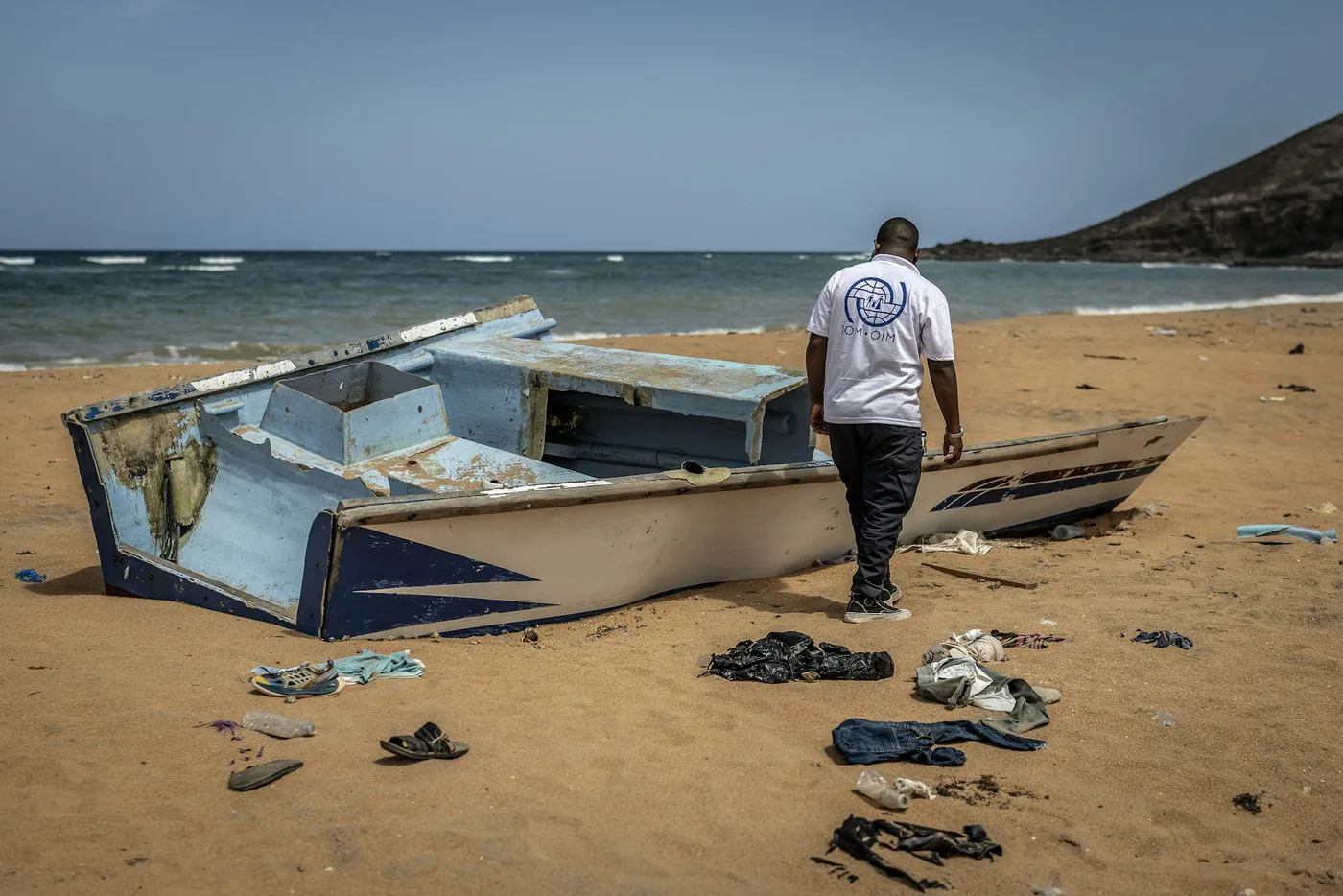
Crossing the sea has become one of the most perilous migration routes anywhere in the world. Last year alone, more than 900 people died or disappeared while attempting to reach the opposite shore. Catastrophes continue without interruption; in October 2026, an overcrowded vessel capsized off the coast of Djibouti with nearly 300 passengers, many of whom were fleeing active violence and targeted persecution in their hometowns. Travelers make the crossing at all hours of the day and night despite facing exhaustion, dehydration, and serious physical injuries. They pack into unseaworthy wooden skiffs that lack navigation instruments or basic safety gear, gambling their lives against strong currents and sudden squalls in open water [1].
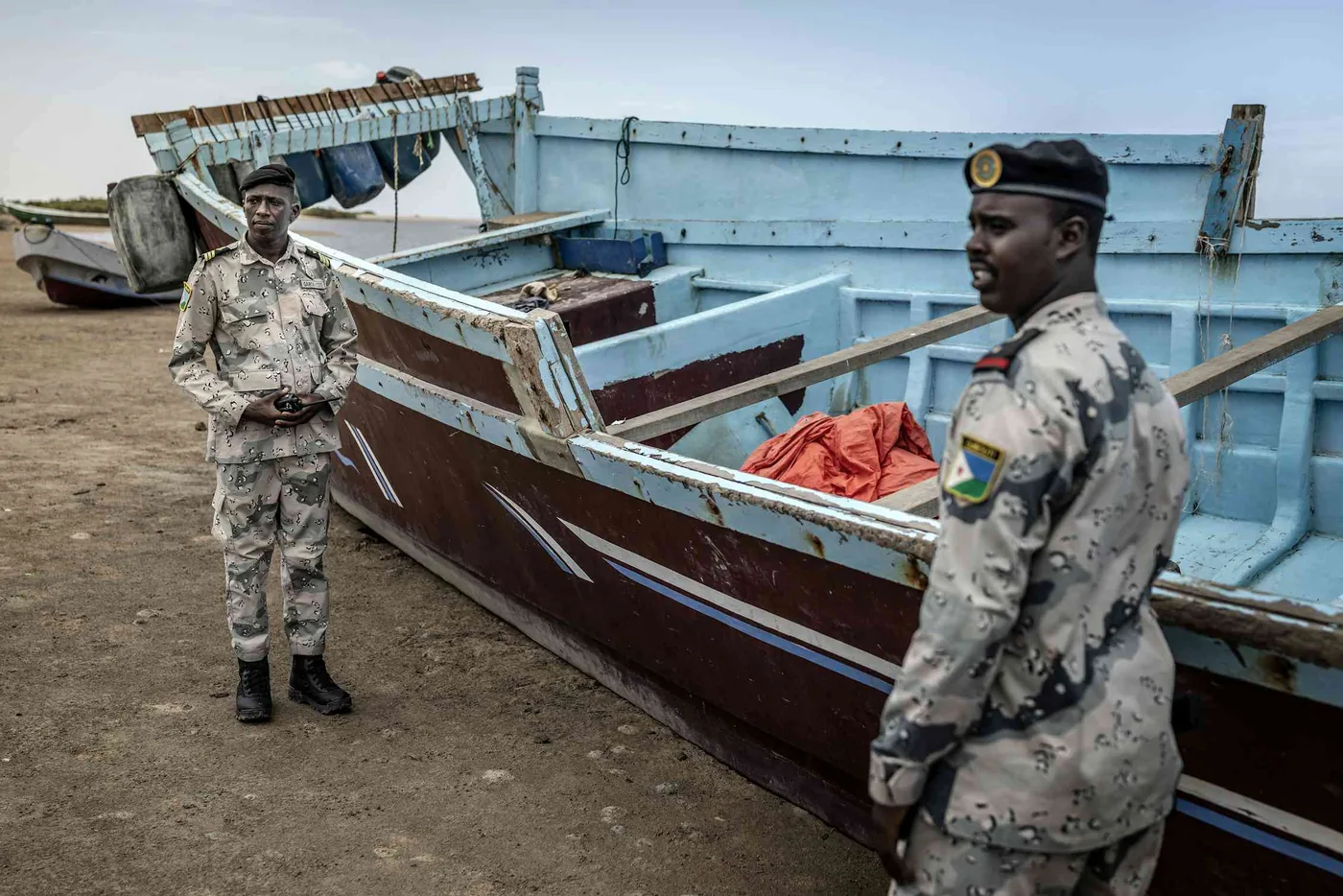
Most migrants rely on informal brokers known locally as delalas. Operating outside United Nations monitoring systems and governmental migration controls, these smugglers demand exorbitant fees to ferry passengers on derelict vessels through waters patrolled by police and coast guard units. On April 12, 2026, members of the Djiboutian coast guard intercepted and inspected several boats seized from delalas attempting to transport migrants toward Yemen. Navigating the Bab el-Mandeb Strait under these clandestine conditions leaves travelers vulnerable to abuse, abandonment at sea, and armed confrontation between competing local factions [1].


Can Ships Navigate the Bab el-Mandeb Strait?
The channel is not formally closed. Instead, fighting in southwestern Yemen has turned the waterway into an unpredictable bottleneck that permits only limited shipping traffic under heightened military scrutiny. Because Houthi forces control critical ports and islands, regular maritime transit has grown exceedingly hazardous, driving up insurance rates and causing cargo operators to delay or reroute voyages. What was once an open corridor now strands cargo and slows aid deliveries intended for civilian populations on both shores of the Red Sea [1].
Despite these growing hazards, migration numbers have climbed rather than dropped. Between January and August 2026, the United Nations International Organization for Migration recorded 122,258 arrivals in Yemen from the Horn of Africa, surpassing figures registered during the same timeframe in 2025. The vast majority of these individuals came from Ethiopia, traveling without passports or formal entry paperwork. Since August 2026, worsening violence and displacement across Ethiopia and Yemen have made it nearly impossible for humanitarian organizations to track passenger volumes or verify how many travelers drown in transit [1].
Pressure on Regional Economies
The disruption of trade routes has dealt a heavy blow to regional economies that depend on consumer goods and fuel arriving from Asia and the Middle East. Landlocked Ethiopia, along with Kenya, Somalia, and Somaliland, relies on shipments that pass through these waters to supply domestic industries and feed local markets. When merchant ships are diverted or delayed, transport bills soar, and distributors add those costs directly to retail prices [1].
The movement of refugees has also intensified pressure on municipal services in coastal reception areas. In an address to the United Nations General Assembly on Sept. 26, 2026, Djibouti Foreign Minister Abdoulkader Houssein Omar expressed “grave concern” over the influx of Yemeni refugees arriving in towns that lack adequate clean water and housing. The United Nations refugee agency, UNHCR, reported a cholera outbreak inside the Markazi refugee camp, which shelters thousands of displaced Yemenis in northern Djibouti. Basic commodities become unaffordable for families already coping with currency devaluations and high unemployment across neighboring nations. Renewed civil strife in Ethiopia and the potential involvement of Eritrea could soon trigger even greater migration toward these crowded coastal shelters [1].
Aid Blockades in the Horn
Aid agencies face steep logistical obstacles as they try to transport relief supplies through active conflict zones. In Somalia, a situation report released by UNICEF in August 2026 estimated that nearly 5 million people require urgent humanitarian aid to survive. Across the border in Ethiopia, at least 5.5 million people face severe shortages caused by combined effects of regional conflict and below-average rainfall linked to El Niño weather patterns. Because relief groups transport bulk food, water purification chemicals, and therapeutic nutrition by sea, shipping delays translate directly into higher mortality rates among isolated populations who cannot access alternative supply routes [1].
In Yemen, conditions are equally grim for civilian populations trapped by warfare and crumbling public infrastructure. An estimated 321,000 people have been displaced within Yemen since Aug. 1, 2026, while chronic water shortages leave 17 million people without clean drinking water, sanitation facilities, or hygiene supplies. Local hospitals struggle to treat rising casualties and combat spreading cholera outbreaks because essential medicines fail to reach dockyards. The Bab el-Mandeb Strait sits at the center of these converging crises, and keeping this narrow passage open to civilian traffic remains necessary to protect millions of vulnerable lives in Yemen and the Horn of Africa [1].
- ONLINE NEWS Carruth, L., & Smith, L. (2026). Fighting in Yemen has made crossing the Bab el-Mandeb even more dangerous – jeopardizing aid and refuge for millions. The Conversation. [Article Link]
APA 7: PerEXP Teamworks. (2026, November 18). Bab el-Mandeb Strait Clashes Threaten Millions Needing Aid. PerEXP Teamworks. https://perexpteamworks.com/en/bab-el-mandeb-strait-relief-routes/


