




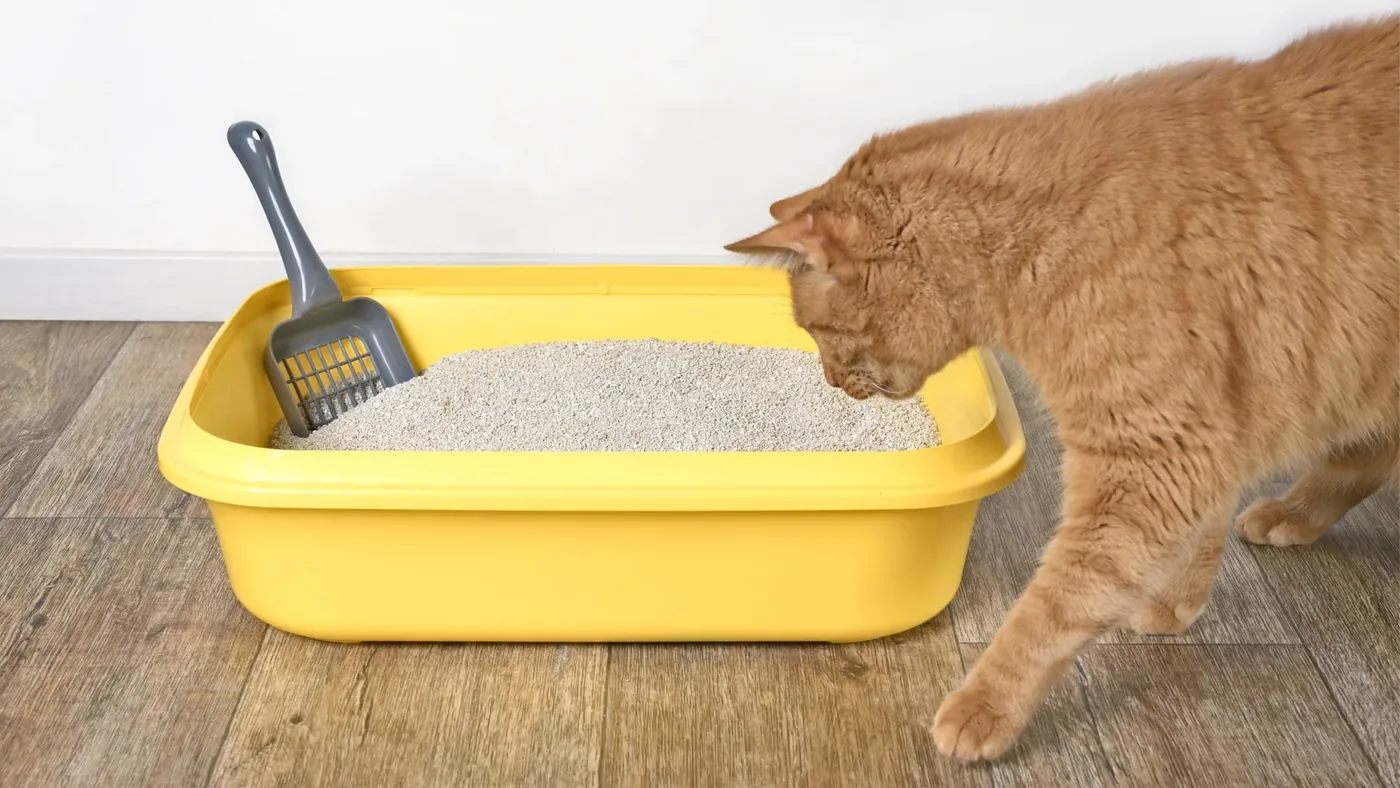
How does a roaming feline recognize boundaries established days earlier by an unfamiliar rival? Cat scent recognition functions through a sophisticated chemical fingerprint, enabling domestic cats (Felis catus) and wild relatives to broadcast individual identity across complex outdoor habitats. While standard aromatic molecules evaporate into ambient air within hours, researchers from Iwate University in Japan discovered that feline urine carries a remarkably durable chemical calling card [1].
- Decoding the Chemistry Behind Cat Scent Recognition
- Flehmen Responses and Long-Term Olfactory Memory
- Thirteen Branched-Chain Fatty Acids Shape Unique Profiles
- Century-Old Kidney Mystery and Renal Lipid Reservoirs
- Evolutionary Signatures Across Felidae and Tiger Cats
- Conservation Tracking and Non-Invasive Wildlife Monitoring
Decoding the Chemistry Behind Cat Scent Recognition
Scent marks serve as vital communication channels across the animal kingdom, delivering critical information regarding territory, reproductive status, and social hierarchy long after the marking animal departs. For decades, evolutionary biologists confronted a perplexing dilemma regarding how felines maintain recognizable olfactory signals in fluctuating outdoor climates. How could an animal leave behind a stable signal of individual identity when ambient conditions constantly alter deposited scents? Many aromatic compounds degrade swiftly when exposed to ambient air and sunlight, which should theoretically scramble the identity of the original depositor [1].
Volatile odor molecules evaporate rapidly. A lasting identity mark must survive heat, moisture, and passing time to communicate effectively across feline territories [1].
To solve this ecological riddle, an international research team led by Iwate University biochemists Shota Ichizawa, Reiko Uenoyama, and Professor Masao Miyazaki, collaborating with organic chemist Stefan Schulz in Germany and specialists Guadalupe Gómez-Baena and Beatriz Ortiz-Guisado in Spain, investigated the persistent lipid fraction in feline excretions. Their investigation, published in Current Biology, identified thirteen branched-chain fatty acids (BFAs) that provide an enduring chemical fingerprint. Chemical patterns provide the answer. These semi-volatile compounds resist rapid environmental dissipation, ensuring that cat scent recognition remains stable and informative across territorial boundaries [1].
Flehmen Responses and Long-Term Olfactory Memory
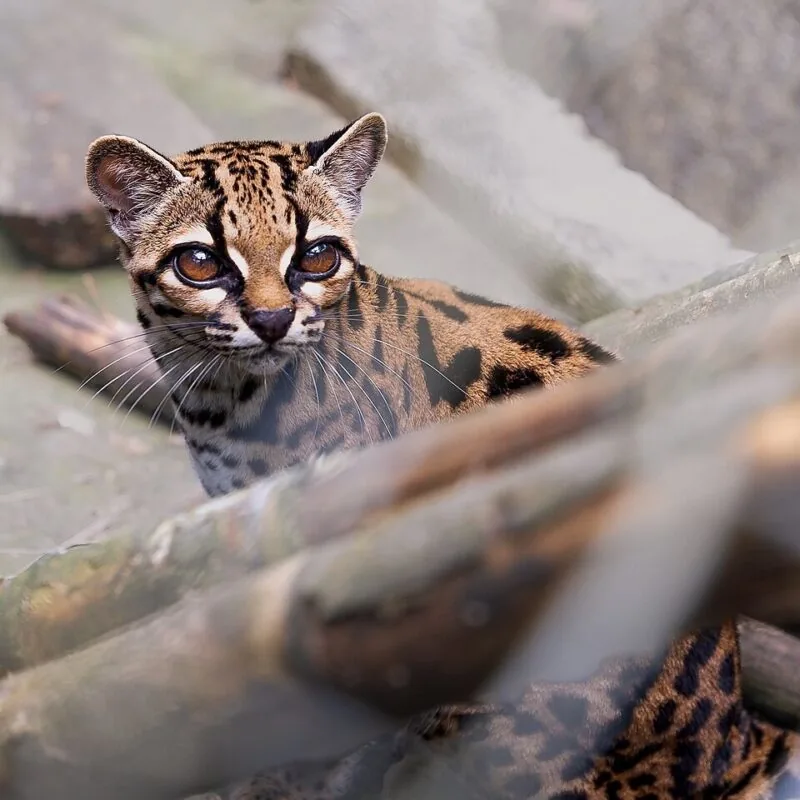
Before isolating candidate molecules, the researchers verified whether domestic cats genuinely differentiate urine scents between specific individuals. In controlled behavioral trials, cats encountered the same urine sample repeatedly until habituation occurred, causing them to spend progressively less time investigating the familiar odor. When scientists introduced a urine sample from an unfamiliar donor, the animals immediately rekindled their sniffing interest, confirming sharp olfactory discrimination [2].
Researchers tracked the flehmen response (the characteristic open-mouthed grimace exhibited when felines sample complex pheromones) as a direct indicator of social recognition. Cats displayed this specialized grimace significantly more often when investigating unfamiliar urine than when smelling their own marks. As the same urine was presented repeatedly, flehmen responses declined steadily, only to spike again whenever a novel donor appeared [2].
“After confirming that cats can distinguish individual urine odors, we used the flehmen response as a clue to identify urinary molecules that may contribute to individual scent recognition,” explained Professor Masao Miyazaki of Iwate University, who led the research project. Remarkably, cats retained reduced investigation times toward previously encountered urine odors even after intervals lasting several months. Olfactory memories endure across seasons. This persistent recognition proves that cat scent recognition and memory maintain enduring mental representations of known individuals [2].
Thirteen Branched-Chain Fatty Acids Shape Unique Profiles
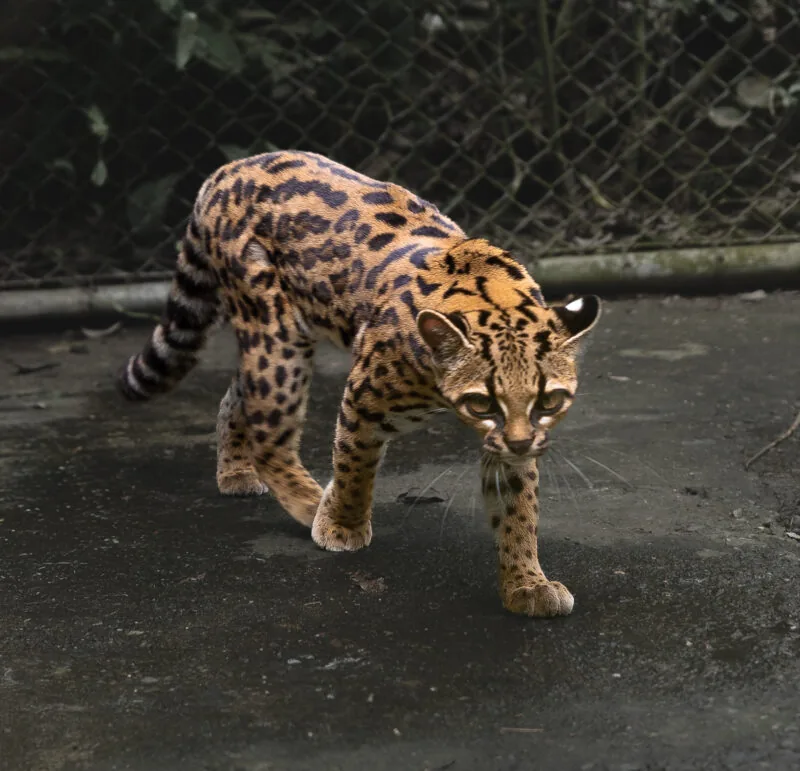
Guided by feline behavior, the research team analyzed urinary lipid fractions and uncovered thirteen distinct branched-chain fatty acids that had never previously been documented in mammalian excretions or secretions. Rather than relying on a single signature molecule, each cat possessed an individualized chemical profile governed by the specific proportions and relative abundance of these thirteen compounds. Genetic heritage played an evident role, as closely related cats shared more similar BFA distributions, yet every individual animal maintained a distinguishable chemical profile even within the same feline family. Furthermore, because these compounds are semi-volatile, urine-soaked samples maintained at 25°C preserved their distinctive BFA profiles for at least 24 hours without detectable structural degradation, giving felines an exceptionally durable chemical identity [1].
To confirm that the cats perceived these exact chemical nuances, scientists designed behavioral verification experiments where non-BFA lipid components remained identical across test samples. The behavioral evidence proved decisive. When only the donor-derived BFA fraction was exchanged, previously habituated cats resumed enthusiastic sniffing behavior, proving that cat scent recognition directly registers variations in these thirteen fatty acids rather than reacting to incidental metabolic waste [1].


Century-Old Kidney Mystery and Renal Lipid Reservoirs
While mapping the physiological origin of these signaling molecules, the investigators uncovered an unexpected anatomical connection inside the feline kidney. The anatomical location surprised researchers. The thirteen BFAs were detected exclusively within renal tissue among all internal organs examined, specifically nestled among neutral lipids within microscopic droplets in the renal cortex. This localized concentration immediately connected the chemical calling card to a long-standing anatomical enigma [1].
For more than a century, veterinary anatomists have observed that feline kidneys contain massive quantities of cortical lipid droplets, yet their precise biological purpose remained entirely unexplained. Professor Masao Miyazaki noted that these dense lipid stores likely serve as a dedicated biological reservoir, buffering short-term physiological shifts caused by fasting, hydration changes, or diet. Without such a biological buffer, an animal’s urinary chemical profile could fluctuate erratically from day to day, erasing individual consistency [2].
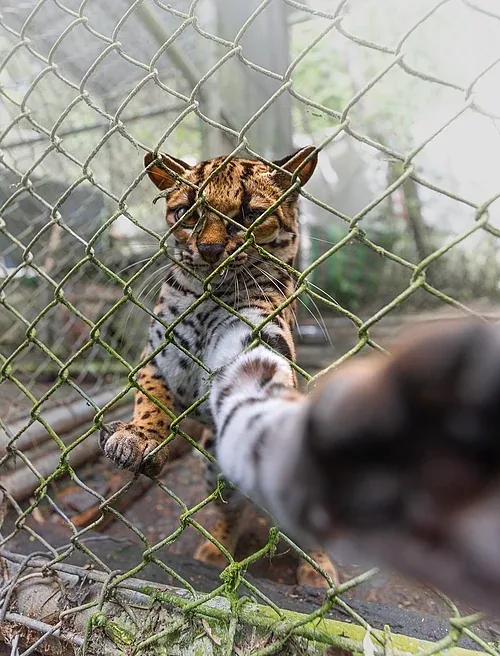
“Lipid droplets in the cat kidney have been known for more than a century, but why cats have so many of them has remained a mystery,” Miyazaki said. “Our findings suggest that one of their functions may be to support a stable chemical signature in urine.” Dietary shifts occur constantly. Investigating how BFAs stored in renal lipids are ultimately released into urine to sustain cat scent recognition represents an important open question for future research [2].
Evolutionary Signatures Across Felidae and Tiger Cats
To establish whether this chemical marking architecture represents a broad evolutionary adaptation, researchers led by Masao Miyazaki, Yasuyuki Endo, and Masako Izawa expanded their sampling across the wider cat family (Felidae). They detected BFA-related compounds and renal lipid droplets in prominent apex predators including lions, tigers, leopards, and jaguars, as well as lynxes and isolated Japanese wildcat populations such as the Iriomote cat and the Tsushima leopard cat. While the exact proportions of BFAs differed among species, the universal presence of renal lipid storage indicates that chemical signaling evolved early in feline history [1].
Such evolutionary nuances frequently mirror subtle genetic divergences across feline lineages. For instance, when evolutionary biologists analyzed whole-genome data from 38 tiger cats across Central and South America—combining modern field samples from Brazil, Colombia, and Peru with eight museum specimens collected decades ago through museomics—they discovered five distinct species rather than a single unified group. Biologist Paola Nogales-Ascarrunz examined an unusual spotted feline at the Senda Verde wildlife refuge in Bolivia’s Yungas region after a local family kept it for a year thinking it was a domestic cat, triggering the formal description of Leopardus tilcayo [3].
Evolutionary biologist Jonas Lescroart confirmed that the lineage leading to Leopardus tilcayo separated from other tiger cats approximately 1.4 million years ago, a breakthrough detailed in the Bolivian Yungas wild cat discovery. This genomic study in Current Biology also differentiated Leopardus tigrinus, Leopardus guttulus, Leopardus emiliae, and Leopardus pardinoides, while identifying a Peruvian subspecies named Leopardus tigrinus antisuyo. Weighing 3 pounds (1.4 kilograms) and measuring 18 inches (46 centimeters) in length, this small nocturnal predator survives along the forested slopes where the high Andes meet the Amazon, illustrating how specialized evolutionary pathways shape wild felids [3].
Conservation Tracking and Non-Invasive Wildlife Monitoring
The discovery of feline BFAs clarifies a fundamental divergence in mammalian communication strategies. While laboratory mice rely on major urinary proteins to convey individual identity, felids evolved an enduring lipid-based strategy anchored by specialized kidney fat droplets. Natural selection favors durable solutions. This evolutionary solution ensures that cat scent recognition operates reliably without requiring high concentrations of volatile proteins that degrade quickly in tropical or temperate wilderness [1].
This chemical stability offers promising non-invasive applications for wildlife conservation. Field biologists assessing elusive carnivores across South America—including populations tracked by the International Union for Conservation of Nature (IUCN)—often rely strictly on sparse camera-trap records and scat analysis. By isolating individual BFA profiles from environmental urine marks, conservationists could monitor endangered felines without invasive capture, echoing tracking milestones seen in the historical rediscovery of egg-laying mammals [3].
Furthermore, deciphering the synthesis of urinary BFAs provides practical veterinary opportunities, including targeted neutralizers to eliminate stubborn cat urine odor in domestic environments. Exploring why feline kidneys accumulate massive lipid droplets without suffering metabolic injury may even yield clinical insights into human renal disorders where fat accumulation causes severe pathology, demonstrating how basic research into cat scent recognition illuminates broader biological landscapes [1].
- ACADEMIC JOURNAL Ichizawa, S., Caspers, J., Uenoyama, R., Ito, Y., Miyazaki, T., Morisasa, M., Goto-Inoue, N., Suzuki, Y., Nakanishi, N., Endo, Y., Izawa, M., Yamashita, T., Ortiz-Guisado, B., Espinosa-López, E. M., Gómez-Baena, G., Schulz, S., & Miyazaki, M. (2026). Signatures of branched-chain fatty acids derived from a kidney reservoir confer stable chemical individuality on domestic cats. Current Biology, 36(17), 4340-4353.e20. [Article Link]
- ONLINE NEWS ScienceDaily. (2026, September 20). Scientists discover a hidden “ID card” in cat urine. ScienceDaily. [Article Link]
- ONLINE NEWS Ortiz, C. (2026, September 19). Scientists discover a new tiger cat hiding in plain sight. EarthSky. [Article Link]
APA 7: PerEXP Teamworks. (2026, September 21). How Cat Scent Recognition Decodes a Hidden Chemical ID. PerEXP Teamworks. https://perexpteamworks.com/en/cat-scent-recognition-chemical-id/


