



Google lifted the retail Pixel 10a price by $100 without prior notice, confronting shoppers across the Google Store, Amazon, and Best Buy with an unexpected $599 entry point for hardware released seven months ago [1]. While consumer tech brands routinely adjust launch figures for upcoming flagships, this mid-cycle shift altered price tags on units that were already sitting in retail warehouses [2]. The base 128GB model jumped from $499 to $599, while the 256GB edition climbed to $699 [1].
Google Raises Base Pixel 10a Price to $599
The sudden repricing first came to light through retail listings tracked by 9to5Google, catching buyers off guard across multiple storefronts [1]. Both digital and physical retail portals mirrored the change simultaneously [2]. The Google Store pushed the 128GB model to $599 and the 256GB variant to $699, with identical pricing going live at Best Buy and Amazon on the same morning. Google did not respond to requests for comment regarding the sudden revision. The hardware has not changed [1].
Hardware cycles in the smartphone sector typically dictate that devices lose value over time rather than gain it [2]. The Pixel 10a arrived in March as an affordable option built around Google’s Tensor G4 application processor. That silicon originally powered the Pixel 9 family in 2024, placing the device two generations behind the Tensor G6 architecture planned for the upcoming cycle [1]. Demanding $100 more for unchanged silicon breaks standard industry conventions, turning the updated Pixel 10a price into an immediate point of contention. Retailers offered no advance notice [2].
When Google unveiled the Pixel 11 lineup earlier this year, the company increased pricing by $100 across those premium models [2]. That adjustment brought the base Pixel 11 up to an $899 entry point in August [1]. Throughout that summer launch window, the budget-oriented A-series maintained its original retail position undisturbed [2]. Buyers assumed that mid-range customers would remain insulated from the broader market volatility until the arrival of next year’s refreshed models. That protection evaporated overnight [3].
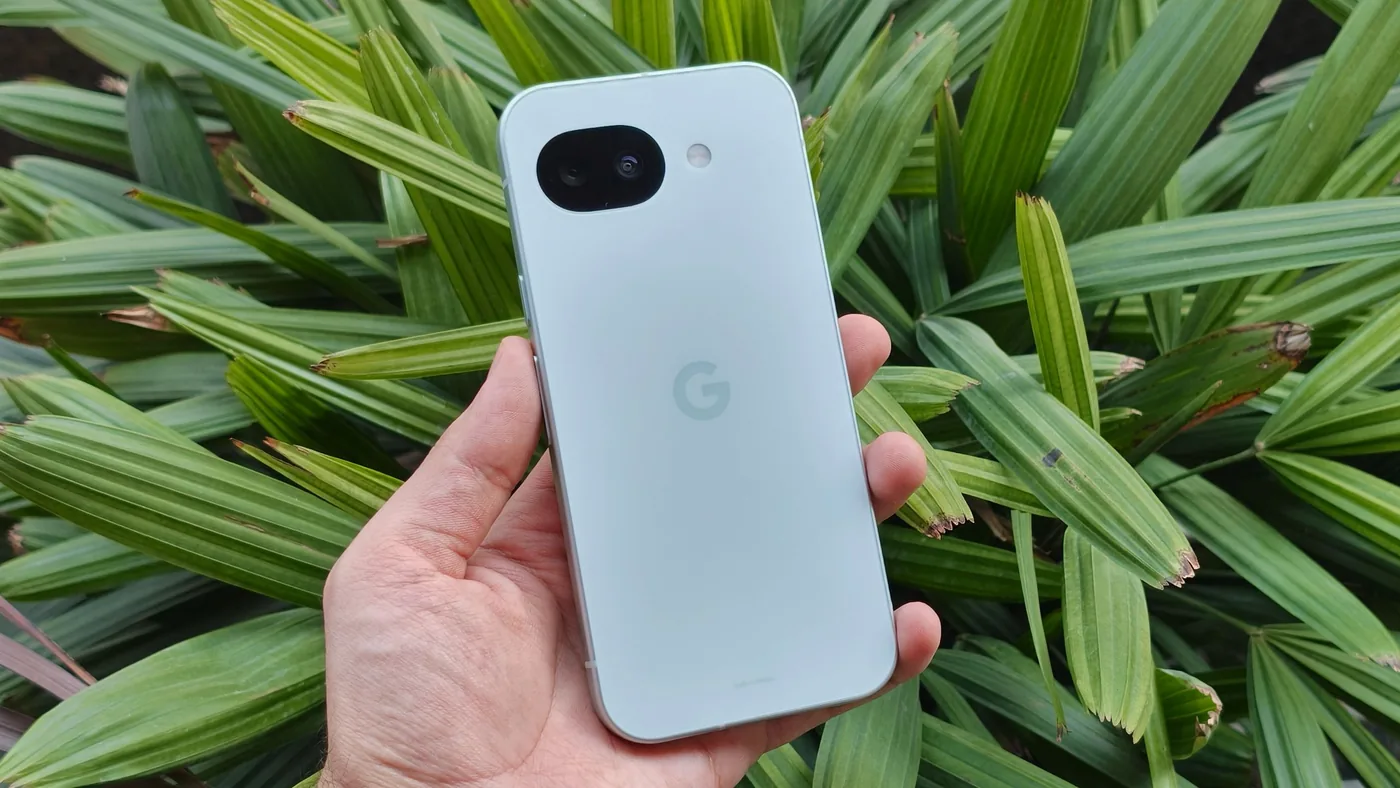
Global Memory Shortage Squeezes Smartphone Margins
The economic catalyst behind the higher Pixel 10a price stems directly from soaring semiconductor costs, particularly in dynamic random-access memory [1]. While Google issued no public statement explaining the retail jump, internal warnings had already signaled immense procurement friction [2]. During a July industry discussion, Google vice president Shakil Barkat pointed out that RAM procurement costs had skyrocketed from $2.80 per gigabyte to $12, citing analysis from Morgan Stanley. When baseline component fees multiply by more than four times, maintaining legacy hardware pricing becomes impossible for manufacturing partners [1].
Component breakdowns show that memory modules now account for as much as half the total bill of materials for an entry-level Android smartphone, compared to roughly 15% before global supply chains contracted. That dramatic shift has disrupted product planning across every major technology hub in Europe and North America. In Germany, wholesale DDR5 memory prices climbed 414% in a single twelve-month window, placing unprecedented pressure on hardware producers who rely on just-in-time module assembly. While specialized device makers managed alternative configurations, such as the team behind the Clicks Communicator securing 12GB of RAM ahead of scheduled debuts, volume smartphone vendors lack the flexibility to absorb such violent market swings without revising consumer prices [1].
Rather than absorbing the escalating cost of physical memory, Google has actively altered internal device specifications. On the Pixel 11 Pro, Google trimmed RAM allocations from 16GB down to 12GB on the 256GB storage tier, while software engineers began optimizing Android subsystems to operate within stricter memory constraints. Component costs escalated regardless [1].
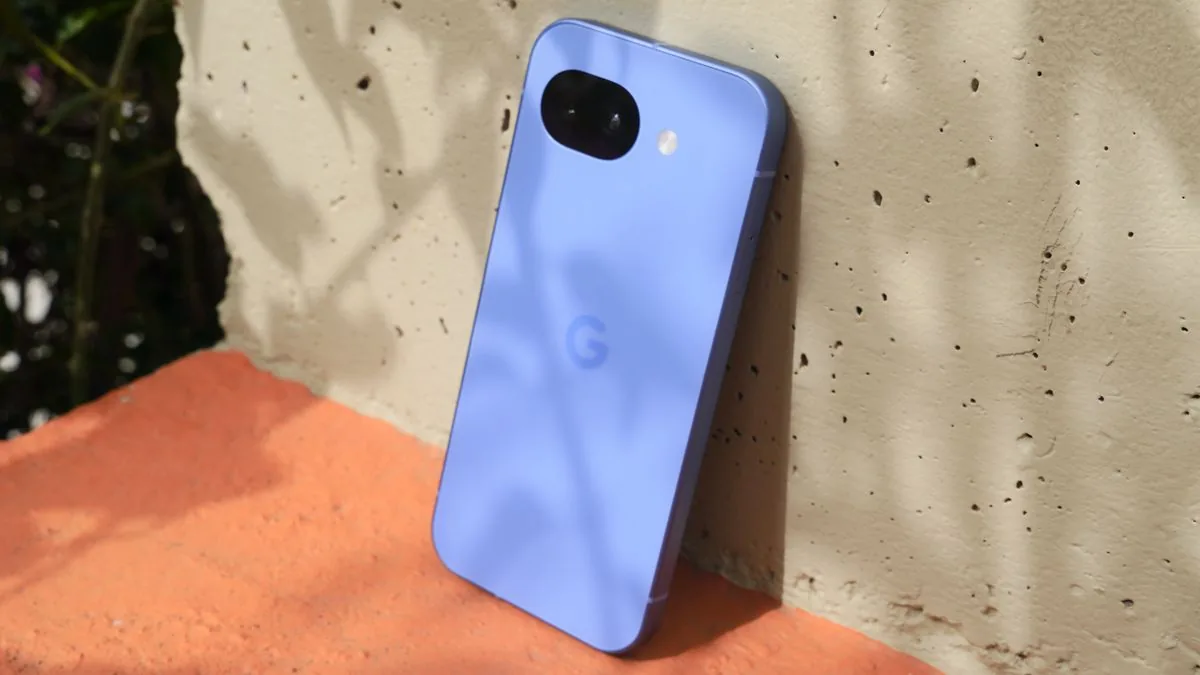


International Retailers Match Pixel 10a Price Hike
The sudden increase in the Pixel 10a price extended beyond American borders, showing up rapidly across Google’s storefronts in Canada and the United Kingdom. Historical records captured by the Wayback Machine reveal that the Pixel 10a was listed for $529 CAD in Canada as late as September 22, representing a promotional discount below its original $679 CAD launch mark. Today, that exact phone sells for $849 CAD on the Canadian Google Store. British consumers experienced a parallel shock. Storefront archives show the handset sold for £429 until September 17, undercutting its £499 launch price, before jumping abruptly to £599 [3].
Canada absorbed the same increase. International currency adjustments matched the steep trajectory seen across domestic stores, solidifying higher global price tiers without promotional relief [3].
Across mainland Europe, the situation remains complicated by regional inventory stockpiles. Retailer Currys warned in July that warehouse supplies offered protection only through September, with former chief executive Alex Baldock forecasting price increases on televisions, laptops, and handsets. October has arrived. While Currys has not yet published higher figures across Britain and the Nordics, Google’s unilateral move indicates retail buffers are expiring. That contrasts with accessory markets where retailers discounted the Pixel Watch 5 ahead of wearable platform updates [1].

Why the Mid-Range Squeeze Weakens Google
The sharp Pixel 10a price increase exposes Google to severe competitive friction across the budget and mid-tier smartphone landscape [2]. When tech brand Nothing evaluated the same supply constraints in June, it opted to cancel an entire budget smartphone rather than deliver an uncompetitive device to store shelves. Google took the opposite path by keeping two-year-old processing silicon on shelves at an elevated price point, as noted in The Next Web analysis [1]. Maintaining a $599 price tag on an older architecture leaves the device exposed [2].
Repricing hardware already on retail shelves has emerged as a broader trend among major manufacturers dealing with semiconductor inflation. Apple instituted price hikes across older iPhone models in September during the debut of the iPhone 18 Pro lineup. Samsung followed suit days later by raising prices by $100 across several Galaxy S26 configurations [1]. However, while premium flagships often retain sufficient performance margins to absorb higher price points, budget-minded buyers shopping for the Pixel A-series scrutinize cost differences far more aggressively. The increase was immediate [2].
When the Pixel 10a first reached consumers in March, reviewers at Android Central praised its upgraded wireless charging and satellite communication features. Yet the smartphone brought only minor iterative enhancements over the earlier Pixel 9a while retaining the identical Tensor G4 chip from 2024. Asking consumers to pay $599 for modest mid-range silicon that launched two years earlier severely undermines the core value proposition of Google’s budget line, making the revised Pixel 10a price difficult for buyers to swallow. A $100 surcharge leaves the device stranded between budget realities and flagship expectations [2].
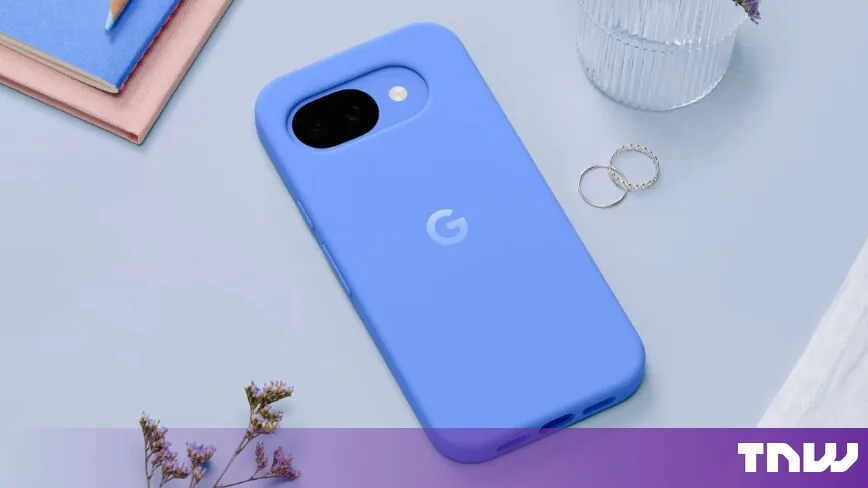
Pixel 11a Anticipation Deepens the Sales Dilemma
The revised Pixel 10a price becomes an even harder hurdle for buyers because Google’s next-generation mid-range alternative is already taking shape. Early leaks surfaced only days before the price jump, providing an initial look at the upcoming Pixel 11a. The successor device is widely expected to adopt Google’s newer Tensor G6 processor, representing a substantial two-generation architectural leap over the Tensor G4 powering current units. In addition to performance upgrades, reports outline an overhauled camera module, a brighter display, an improved front-facing camera, and a fresh purple color option [3].
Production schedules outlined by Android Authority suggest that the Pixel 11a will arrive in February or March of next year. That timeline leaves prospective buyers facing an awkward dilemma during the upcoming holiday shopping period. Can an older phone with two-year-old internals justify flagship-level price hikes when newer alternatives are already visible on the horizon? For most budget-conscious shoppers, waiting four to five months for an upgraded device makes far more practical sense than paying $599 for legacy hardware [3].
By lifting the Pixel 10a price seven months into its lifecycle, Google has narrowed the gap between affordable convenience and premium investment [3]. Shoppers looking at a $599 starting cost must now weigh whether an aging handset warrants an outlay previously reserved for upper-tier hardware [2]. With memory shortages continuing to pressure manufacturing margins, the sudden repricing marks a turbulent chapter for the Pixel lineup [1]. The mid-range dilemma deepened [3].
- ONLINE NEWS Popa, D. (2026, October 2). Google lifts the Pixel 10a price to $599 as memory costs climb. The Next Web. [Article Link]
- ONLINE NEWS Bhatia, S. (2026, October 2). Google just raised the Pixel 10a price by $100, and it’s a hard pill to swallow. Android Central. [Article Link]
- ONLINE NEWS Oberoi, K. S. (2026, October 2). Google just made the Pixel 10a a much tougher sell. Android Authority. [Article Link]


