





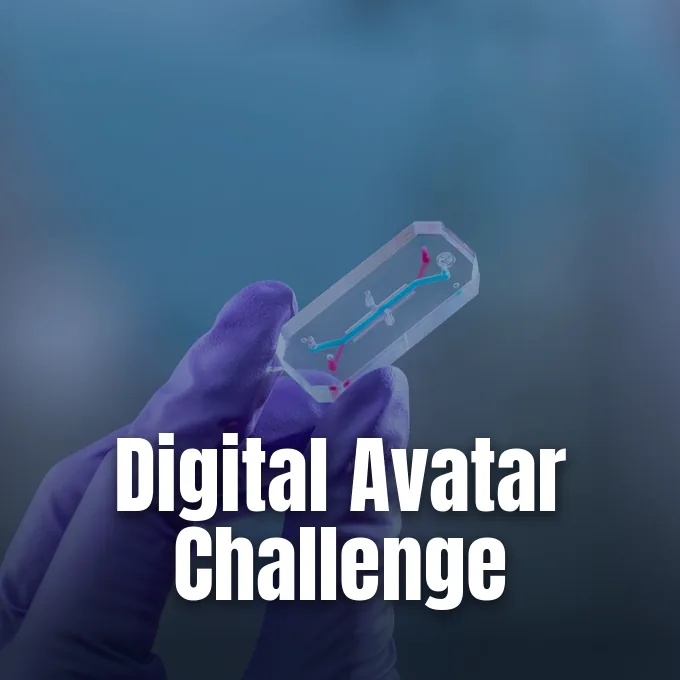
NASA has officially opened the Digital AVATAR Challenge to build predictive software models of astronaut health for long human journeys to the Moon and Mars. Managed by the NASA Space Biology Program within the Biological and Physical Sciences Division, the initiative asks teams to create digital twins that simulate how human bone marrow cells adapt to space hazards. The contest builds on tissue samples flown during the Artemis II mission, where organ-on-a-chip devices made from astronaut cells completed a flight around the Moon. NASA announced the project on November 17, 2026. By linking empirical living tissue data with digital algorithms, NASA aims to design tailored health care and custom medical kits for deep space flight crews. [1]
NASA Digital Avatar Challenge Goals
The NASA Space Biology Program operates within the Biological and Physical Sciences (BPS) Division to examine how living systems respond across the full spectrum of biological organization. As NASA prepares for deep space travel, flight surgeons need health tools built for each individual crew member. Space exploration subjects the human body to microgravity, ionizing cosmic radiation, low magnetic fields, and higher carbon dioxide levels inside spacecraft cabins. In an official NASA report published on November 17, 2026, science writer Bailey Light explained that long trips into deep space create medical hazards that Earth medicine cannot resolve with standard drug kits. Weightlessness shifts body fluids while cosmic rays damage living cell structures. NASA must study these combined flight hazards to keep astronauts safe. [1]
To address these medical concerns, NASA created the Digital AVATAR Challenge to accelerate biological discovery, biochemical modeling, and personalized health predictions for deep space astronauts. The digital twin will model how the AVATAR bone marrow chip reacts to deep space flight hazards. Software twins let teams run simulations inside computers. Instead of relying on general crew averages, scientists can forecast how an individual astronaut will cope with long deep space flights. [1]
Lessons from Artemis II Tissue Chips
NASA based the new project on the original AVATAR investigation, which stands for A Virtual Astronaut Tissue Analog Response (AVATAR). NASA flew living tissue chips on the Artemis II lunar mission using donor cells collected from actual participating crew members. The hardware completed a 10-day lunar flyby before splashing down on April 10, 2026. The lunar flight lasted ten days. The Artemis astronaut analog chip gathered personal biological clues beyond Earth orbit for the first time in space history. [1]
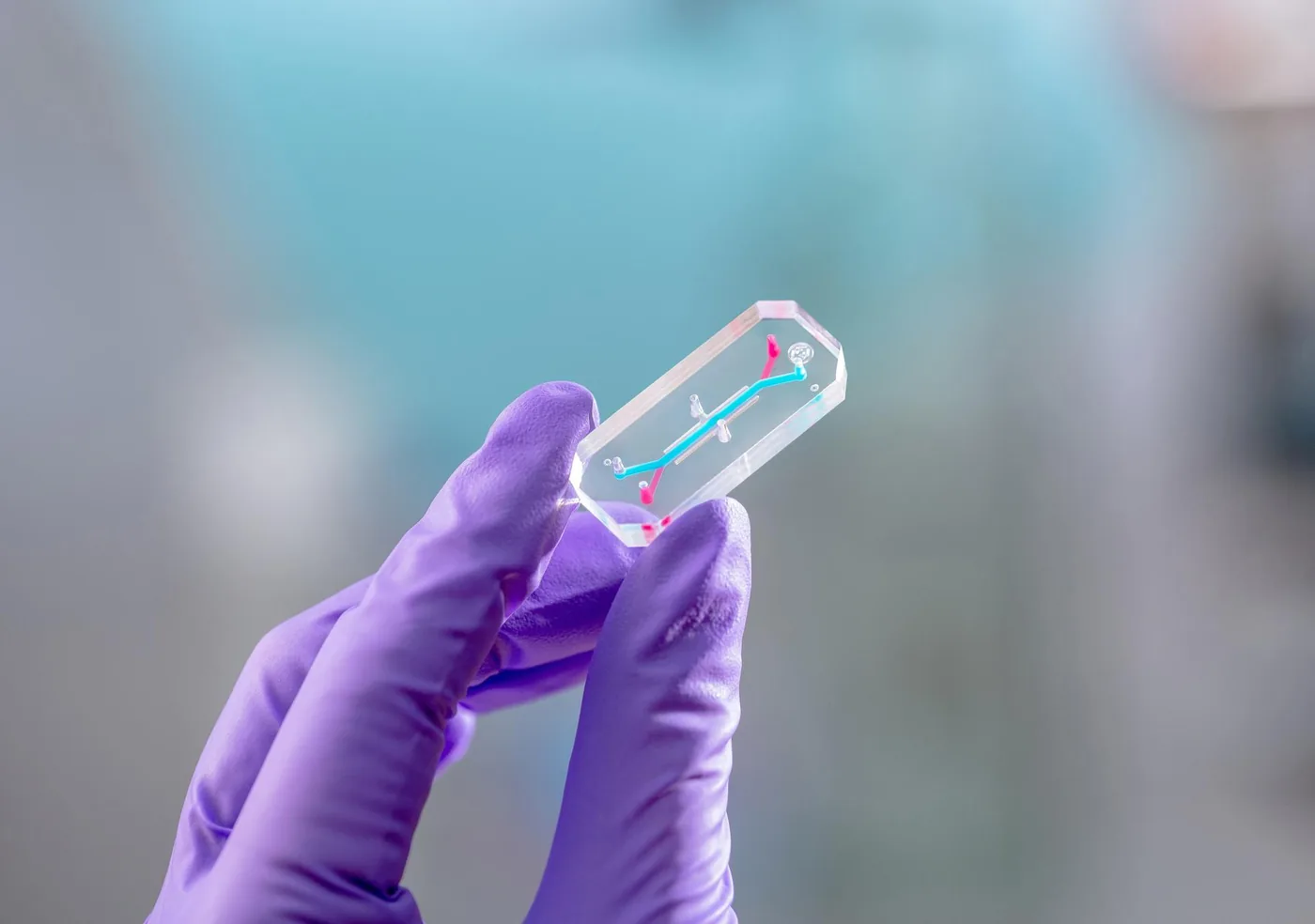
By culturing donor cells from specific astronauts inside clear microengineered fluid channels, NASA built an experimental hardware testbed that showed how space conditions alter living human tissue. Organ-on-a-chip devices recreate the inner structures and fluid flows of human organs in miniature hardware. Data gathered from the returned chips will help NASA flight surgeons design personalized medical kits and preventive health countermeasures for long journeys to the Moon and Mars. Emergency returns to Earth are impossible during deep space transit. Tissue chips provide direct biological measurements from orbit, giving researchers the empirical data needed to protect astronauts long before launch day arrives. [1]
NASA chose bone marrow chips as the centerpiece of the AVATAR test because marrow sustains human immune defenses and makes red blood cells that can be suppressed by deep space radiation and weightlessness. The chips that flew around the Moon provide ground truth data on these changes. Software developers must now convert those biological measurements into predictive computer code. [1]
Spaceflight Stressors in Deep Space
A digital twin serves as a core tool for managing the health hazards of human space travel. In biology, a digital twin is an individualized computational model that researchers refine through cycles of fresh laboratory and flight data. Flight hazards do not strike alone. When astronauts leave Earth, microgravity shifts fluid toward the head, while cosmic radiation causes cell stress and breaks DNA strands. Low magnetic fields and cabin carbon dioxide add further strain. NASA needs software that models how these combined forces alter tissue function during long lunar flights. [1]
To model space hazards accurately, digital twin software blends spacecraft cabin environmental sensor readings with in-flight astronaut health metrics and diverse multi-omics biological inputs. Multi-omics datasets track how space travel alters gene activity, protein production, and cell metabolism in human bone marrow. Marrow cells face multiple spaceflight stresses. By coupling multi-omics inputs with spacecraft environmental telemetry, predictive computer models can simulate how an astronaut’s bone marrow cells adapt across prolonged exploration missions. [1]


Digital Avatar Challenge Software Rules
Teams joining the BPS Digital AVATAR Challenge must create software capable of handling diverse multi-modal datasets. Participating frameworks must combine established computational biology methods with modern digital twin system designs to produce personalized, predictive models of astronaut physiology under spaceflight conditions. The contest centers on modeling how the AVATAR bone marrow chip reacts to deep space flight conditions. Entrants must turn complex multi-modal inputs into clear biological predictions that help NASA flight directors protect astronaut health during deep space exploration missions. [1]
A key rule for every submitted proposal is providing a clear method for continuous model updates. True digital twins do not sit static after initial development; they evolve as fresh empirical facts arrive from ground labs and flight missions. As NASA gathers new biological data from upcoming flights, the software must update its mathematical weights and assumptions. Iterative designs keep predictions accurate over multi-year missions. [1]
Individual Crew Health Predictions
Submitted digital models must simulate how an astronaut’s blood-forming tissue and immune system react when exposed to deep space flight conditions, giving flight surgeons actionable data. Bone marrow produces infection-fighting white cells, oxygen-bearing red cells, and platelets through hematopoietic responses. Cosmic rays and microgravity damage hematopoietic stem cells. This cellular damage reduces red cell counts and weakens human immune defenses during long deep space voyages. NASA asks developers to write code that captures these delicate shifts before clinical symptoms appear on lunar missions. [1]
Can predictive computer models show whether a biological health shift is unique to one astronaut or shared by the entire crew? NASA requires entrants to run comparative analyses that separate individual-specific biological effects from broad crew responses. Differences in genetics, personal fitness, and baseline cell metabolism mean that two astronauts on the same lunar flight can experience very different rates of bone marrow suppression. Isolating personal biology from general spaceflight effects prevents flight surgeons from applying one-size-fits-all treatments. Space medicine must account for these personal differences through in silico modeling. [1]
Custom health forecasts mark a major departure from traditional space medicine. Rather than relying on fixed medical protocols for the entire crew, flight surgeons can use digital twins to tailor medicine doses, physical workouts, and cabin radiation shielding for individual astronauts. NASA will use the models to prepare custom medical kits for long voyages to the Moon and Mars. [1]
Competition Prizes and Dates
NASA has set aside $150,000 in total prize money to reward the top digital twin frameworks. Registration for the challenge officially opened on November 16, 2026, giving research teams ample time to build models and test their code. All project entries must be submitted by the final deadline on February 12, 2027. The competition is managed by the NASA Center of Excellence for Collaborative Innovation (COECI) under the Space Technology Mission Directorate (STMD) Prizes, Challenges, and Crowdsourcing Program. [1]
Interested teams can read complete entry rules, data access instructions, and eligibility guidelines on the CrowdPlat challenge website. NASA encourages software engineers, data scientists, and computational biologists to join the competition. By connecting data from the Artemis II tissue chips with predictive digital twin software, the Digital AVATAR Challenge creates a practical foundation for protecting human health on future deep space missions. [1]
- PRESS RELEASE Light, B. (2026, November 17). BPS Digital AVATAR Challenge. National Aeronautics and Space Administration. [Article Link]
APA 7: PerEXP Teamworks. (2026, November 18). NASA Opens Digital Avatar Challenge for Deep Space Biology. PerEXP Teamworks. https://perexpteamworks.com/en/digital-avatar-challenge-nasa-artemis/


