





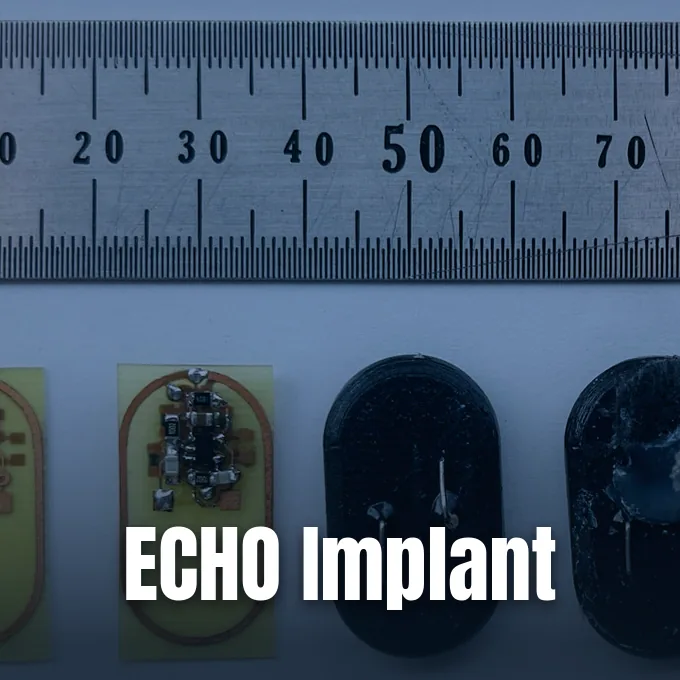
Bioengineers at ETH Zurich and the Swiss Federal Institute of Technology in Basel have built a wireless electrocatalytic implant that converts excess blood glucose into harmless gluconate to treat metabolic disease in mice. Led by Martin Fussenegger and Debasis Maity at the Department of Biosystems Science and Engineering, the team designed the device to clear surplus sugar without relying on insulin injections [2]. Type 2 diabetes and related obesity affect more than 2.5 billion people worldwide, generating nearly $3 trillion in yearly medical costs. The new platform operates as a drug-free closed loop that restores glucose balance within an hour [1].
How the Electrocatalytic Implant Clears Excess Glucose
Writing in Chemical & Engineering News, reporter Brianna Barbu noted that standard therapies for type 2 diabetes rely on drugs such as insulin, metformin, and GLP-1 receptor agonists to manage blood sugar [4]. These medications lower circulating glucose, but they do not eliminate the chronic energy surplus driving weight gain. Insulin merely instructs muscle and liver tissues to pull glucose out of circulation, and when the body does not burn that fuel, the excess turns into body fat. Many patients gain weight despite following daily drug routines [2]. Martin Fussenegger wanted a straightforward mechanism that eliminates surplus sugar before it can convert into fat inside bodily tissue. “We’re trying to really go after the root cause of the disease, which of course is glucose,” Fussenegger said [4].
The electrocatalytic process oxidizes excess glucose into an easily processed metabolite called gluconate, which kidney filtration removes from the bloodstream into urine [3]. Mouse bodies burn roughly one-fifth of the resulting gluconate for energy, while the rest gets flushed out, preventing the chronic tissue stress often studied in accelerating diabetic wound healing. The kidneys eliminate the harmless byproduct without depositing fat [2].
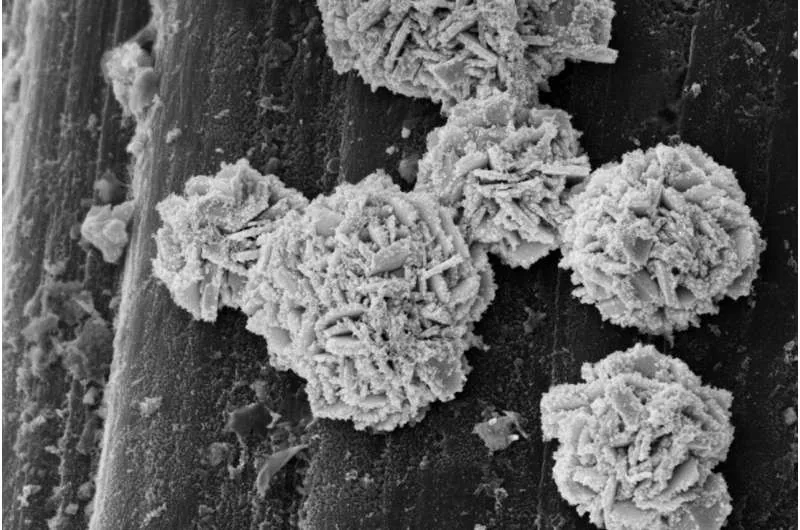
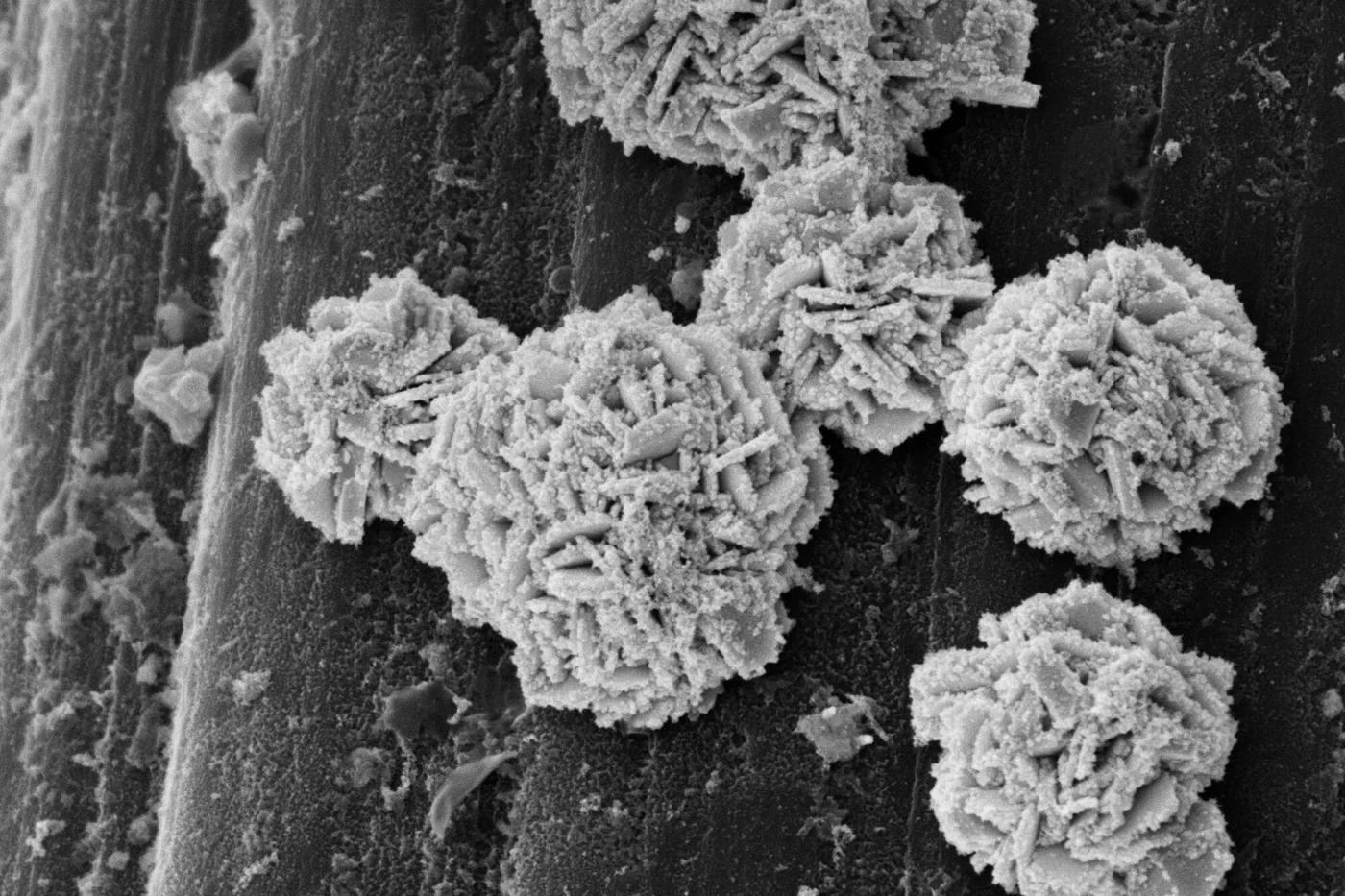
Nanostructured Gold and Platinum Catalytic Core
Earlier metabolic research led by Martin Fussenegger at ETH Zurich in Basel tested synthetic genetic networks, but engineered living cells faced stubborn hurdles regarding immune tolerance, tissue viability, and lengthy regulatory reviews. Inorganic catalysts avoid these biological complications entirely [2]. To replace living tissues, Debasis Maity and co-authors P. Guha Ray, P. Buchmann, and G. Charpin-El Hamri designed a porous graphite felt wafer embedded with gold nanoclusters carrying tiny platinum particles along its microscopic surface ridges [1]. Under high electron magnification, these metallic clusters resemble blooming desert roses [2]. The Basel team named the prototype electrocatalytic closed-loop health optimization (ECHO), encasing the internal electronics and catalytic electrodes within a 3D-printed casing roughly the size of a standard USB flash drive [3].
Wireless transmitters supply power at 13.56 MHz, an internationally designated frequency reserved for medical hardware and scientific equipment [2]. Operating at 0.75 volts, the metallic surface selectively oxidizes glucose while leaving fructose, galactose, and other essential blood carbohydrates untouched in circulation [1]. The catalyst targeted glucose with unexpected precision. “We have no functional or structural explanation for that. We did not design for it,” Fussenegger said, calling the selectivity “a lucky strike” [3].
Autonomous Control Through Continuous Glucose Monitors
Autonomous operation relies on pairing the implant with commercial continuous glucose monitors, which track interstitial fluid sugar in real time through small patches worn on the arm. In this closed-loop configuration, the external monitor transmits glucose readings over a Bluetooth connection to a smartphone running software that controls electrical power delivery. When blood sugar rises above a healthy baseline after meals, the mobile phone signals the implant to turn on. The device shuts off automatically once glucose normalizes [2]. This automatic shutoff protects against hypoglycemia, preventing the dangerous blood sugar plunges that can occur when patients receive fixed insulin doses [1].
Writing for Medical Xpress, science editor Peter Rüegg reported that this smartphone-linked closed-loop setup operated autonomously in diabetic mice for two weeks without requiring manual calibration or human intervention [2]. The wireless loop regulated metabolism around the clock [3]. “For decades, we have treated diabetes by telling the body how to manage glucose. We are now showing that we can take control of glucose directly, using electronics rather than drugs,” Fussenegger said. The Basel design connects medical implants with standard consumer smartphones [2].


Electrocatalytic Implant Results in Diabetic Mice
Publishing in Science, Debasis Maity and Martin Fussenegger evaluated the electrocatalytic implant in obese diabetic mice at ETH Zurich to observe physiological adaptations under daily living conditions. The device normalized glucose within one hour. Across a six-week experimental window, repeated catalytic cycles maintained blood sugar within healthy physiological ranges without provoking dangerous episodes of hypoglycemia or behavioral alterations in the treated Basel test animals [1]. The diabetic mice lost body weight as urinary gluconate left their bodies [2]. Blood assays confirmed that circulating triglycerides fell, while free fatty acids and ketone bodies rose as the animals shifted their metabolism from burning sugar to utilizing stored lipids [1].
Safety checks confirmed that the low operating current of 10 milliamperes generated no thermal or electrical damage in surrounding subcutaneous tissue [1]. “The system operates at a very low voltage, and our experiments showed no evidence of tissue damage from either electrical or thermal effects,” Fussenegger said. Subcutaneous tissues around the implant stayed healthy [2].
Durability Limits of Living Cell Capsules
Many experimental implants rely on capsules containing engineered living cells that secrete insulin, but these biohybrid systems often fail when scar tissue isolates them. The host immune system recognizes cell-based capsules as foreign bodies, surrounding them with dense fibrous tissue that blocks oxygen and nutrients, eventually killing the therapeutic cells within a few weeks. Similar biocompatibility challenges led researchers to build systems like a glucose nanosensor integrated with tissue to avoid enzyme degradation in continuous monitoring devices. Because the ECHO device uses inorganic graphite and noble metals, it does not trigger the severe foreign-body reactions that plague cellular therapies [3]. The inorganic catalyst operates without biological cells [2].
Devices removed after six weeks in Basel showed no fibrous encapsulation, no inflammation, and no metal leaching, with several implants remaining functional after three months. “Six weeks of operational stability is already well beyond the current technology,” said Luisa Torsi, a chemist at the University of Bari Aldo Moro. Luisa Torsi emphasized that researchers must still verify tissue compatibility and catalytic stability in human-sized trials [3].
Scaling for Human Treatment
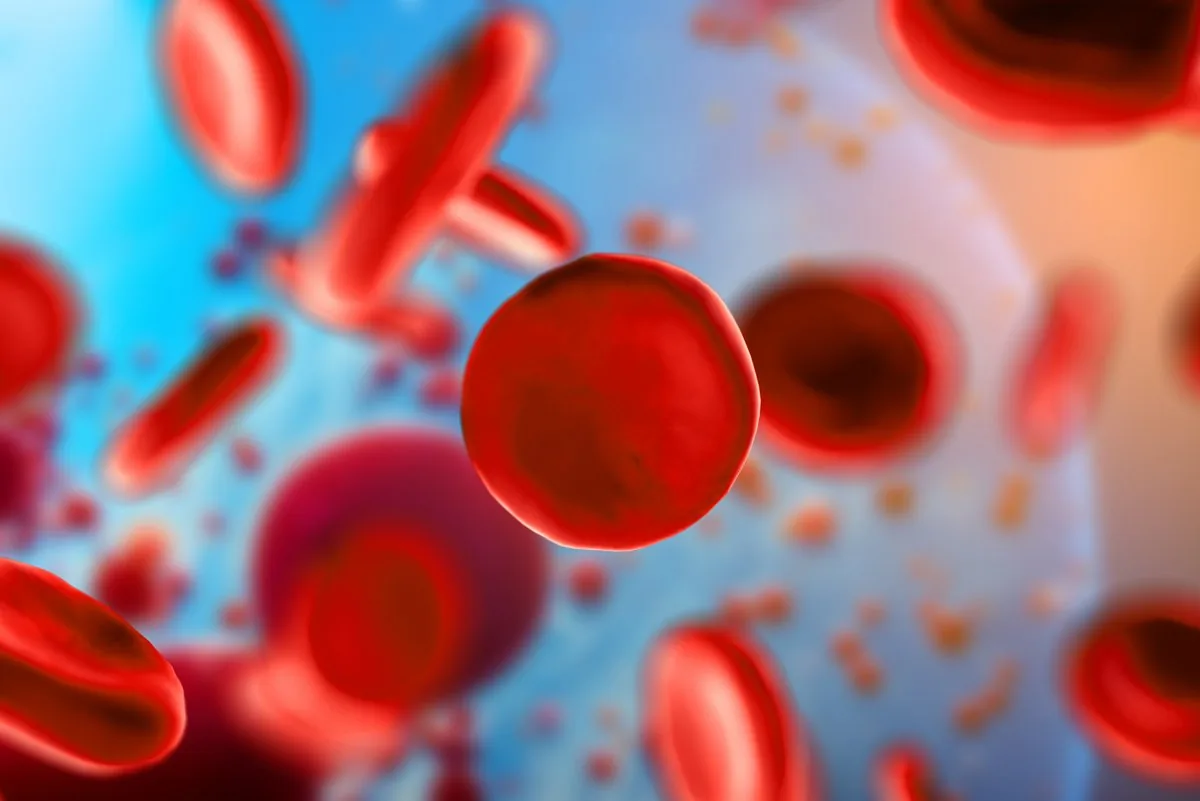
Writing in Scientific American, science journalist Jacek Krywko noted that translating the electrocatalytic implant from rodents to human medicine presents an engineering challenge rooted in circulating blood volume. A laboratory mouse carries roughly two milliliters of blood, whereas an adult human body contains approximately five liters [3]. To test whether the catalyst could handle human-scale fluid volumes, Martin Fussenegger’s group circulated glucose solution through a five-liter nutrient flask at ETH Zurich. The benchtop setup showed that the tiny catalyst cleared glucose from five liters of fluid as efficiently as in living mice. Catalytic reaction rates remained steady throughout testing [2].
Because the flat ECHO device sits just beneath the skin, Martin Fussenegger expects that future clinical placement in human patients will require only a minor outpatient incision rather than invasive hospital surgery. Fussenegger suggested that diabetic individuals would welcome an intervention needing only quarterly or yearly maintenance to liberate them from constant drug regimens and daily finger-prick checks [3]. The ETH Zurich team reported their complete dataset in Science [1].
- ACADEMIC JOURNAL Maity, D., Guha Ray, P., Buchmann, P., Charpin-El Hamri, G., & Fussenegger, M. (2026). Wireless electrocatalytic closed-loop system for drug-free management of diabesity. Science, 394(6822). [Article Link]
- ONLINE NEWS Rüegg, P. (2026, October 23). Tackling diabetes with an electronic implant: How a tiny catalyst lowers blood sugar. Medical Xpress. [Article Link]
- ONLINE NEWS Krywko, J. (2026, October 22). This implant burns up excess blood sugar with electricity. Scientific American. [Article Link]
- ONLINE NEWS Barbu, B. (2026, October 23). This implant zaps away high blood sugar in mice. Chemical & Engineering News. [Article Link]
APA 7: PerEXP Teamworks. (2026, October 24). ETH Zurich Electrocatalytic Implant Zaps Blood Sugar in Mice. PerEXP Teamworks. https://perexpteamworks.com/en/electrocatalytic-implant-blood-sugar-mice/


