






Square Enix director Naoki Hamaguchi revealed in an interview published on October 2, 2026, that the development team refused to rewrite the overarching plot of the FF7 Remake trilogy to appease changing player expectations [2]. Speaking with Edge Magazine in Issue 429, Hamaguchi explained that the team locked down the narrative structure before completing the first release, so it wasn’t shaped by online reactions [1]. The overarching project will reach its conclusion when Final Fantasy 7 Revelation arrives on April 8, 2027 [2].
Guarding the FF7 Remake Trilogy Against Fanfiction Urges
Hamaguchi explained that guiding the FF7 Remake trilogy meant resisting the urge to turn the remake into a personal fan project. Speaking to Edge Magazine, he explained that the narrative line remained fixed: “We haven’t altered the core of the story based on reactions at any given time”. Keeping that discipline was tough: “It wasn’t easy. I felt it was absolutely essential to avoid turning a masterpiece like FF7 into something that felt like my own personal fan project” [1].
Players who grew up with the 1997 original on PlayStation often hoped for an alternate timeline that could save every companion and deliver a happy ending. Late-nineties games often closed on unresolved notes, and Hamaguchi knew that wish fulfillment would weaken the weight of Cloud’s journey. He explained that the real creative test wasn’t adding fresh scenes, but constantly asking whether what they made could truly be called FF7R. That restraint kept the team focused on honoring the source material rather than writing convenient fanfiction [1].
The remake project introduced new narrative devices, including the ghostly Whispers who attempt to steer characters toward their original destiny. While these mysterious entities sparked online debate about whether major plot events would change, the backbone of the tale stayed true to the 1997 release. Hamaguchi said that surprising additions only worked because the foundation stayed steady. The developers didn’t alter major story milestones just to shock longtime fans [1].
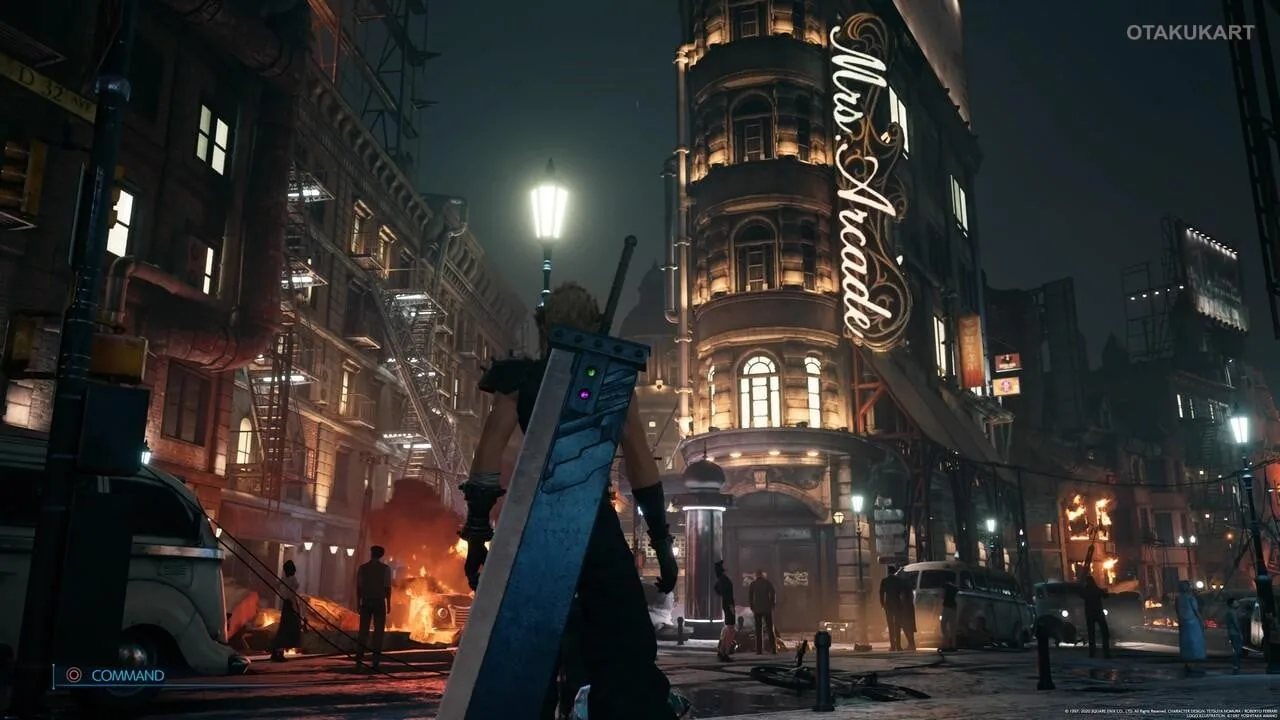
Consulting Original Creators on Narrative Identity
Original creators helped guide the development team throughout the FF7 Remake trilogy to ensure every addition felt authentic to the world [5]. Key figures from the 1997 game, including Kazushige Nojima, Tetsuya Nomura, and Yoshinori Kitase, helped shape the new scripts and reviewed proposed plot shifts [2]. Hamaguchi said that having the original staff involved allowed the team to move the story forward with confidence, discussing narrative details directly with the people who built the universe. Their approval gave developers freedom to expand lore without breaking continuity [5].
Hamaguchi addressed fan expectations during Tokyo Game Show 2026, speaking with Anime News Network about the delicate balance of reimagining a classic. He recognized that the audience holds a strong personal bond with the 1997 release: “The fan base is really entrenched in this series. And so we had to be very careful about how we approached the story. We knew we had to be very respectful of the original version, which is so beloved by so many people”. That respect guided how the studio handled beloved scenes, ensuring that new dialogue enriched character relationships without altering the original narrative destination [4].
Character arcs also stayed faithful to the source material, with the studio keeping Cloud as lead protagonist through every chapter rather than rotating the perspective to someone else [4]. Cloud Strife stays the focal point through which players experience the party’s struggles, doubts, and personal growth. By keeping Cloud at the center of the emotional journey, Hamaguchi anchored the three-game saga to a single familiar viewpoint. That focus helped the developers avoid losing the human heart of the adventure [1].
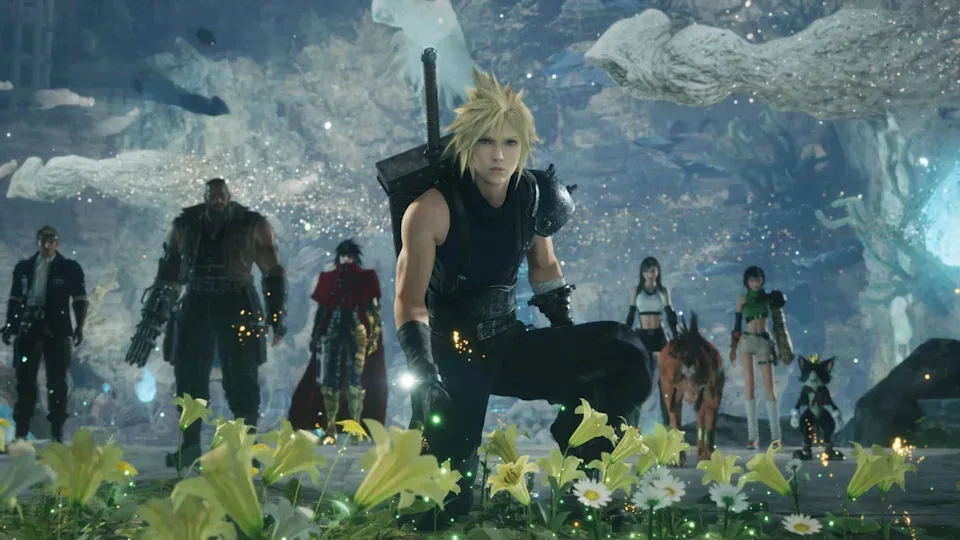


Production Risks Behind the FF7 Remake Series
Building a multi-game saga was a big gamble for Square Enix when planning began on the FF7 Remake series. In an interview with GamingBolt, Hamaguchi pointed out that splitting a single classic into three full-sized releases carried huge financial danger: “For example, if the first title had sold really poorly and been poorly reviewed, I mean, what do you do with the rest of the titles?”. He explained that keeping a creative team together over more than seven years was another massive hurdle for studio leadership [3].
Staff consistency over seven years of production helped protect the story from shifting creative directions [3]. While many long-running franchises change directors between installments, Hamaguchi advanced from co-director on Remake to lead director on Rebirth and Revelation [4]. That continuity meant the team understood how early story setups connected to the eventual payoff. The developers didn’t have to spend months negotiating creative visions with new leadership. They could focus on finishing what they started [7].
Console hardware shifts also influenced the production timeline as the project evolved over nearly a decade. When planning began, the team built tools for PlayStation 4, but the scope broadened as newer platforms like the PlayStation 5, Xbox Series X/S, and Nintendo Switch 2 became available [2]. Hamaguchi pointed out that creating three separate full-priced games demanded serious organizational discipline because each installment had to feel complete while serving as one chapter in a grander tale [3]. That long-term focus paid off, allowing developers to carry over gameplay systems and visual standards without having to reinvent core mechanics midway through development. Keeping the production pipeline stable meant the creative staff could spend their energy refining story beats instead of rebuilding basic tools [7].
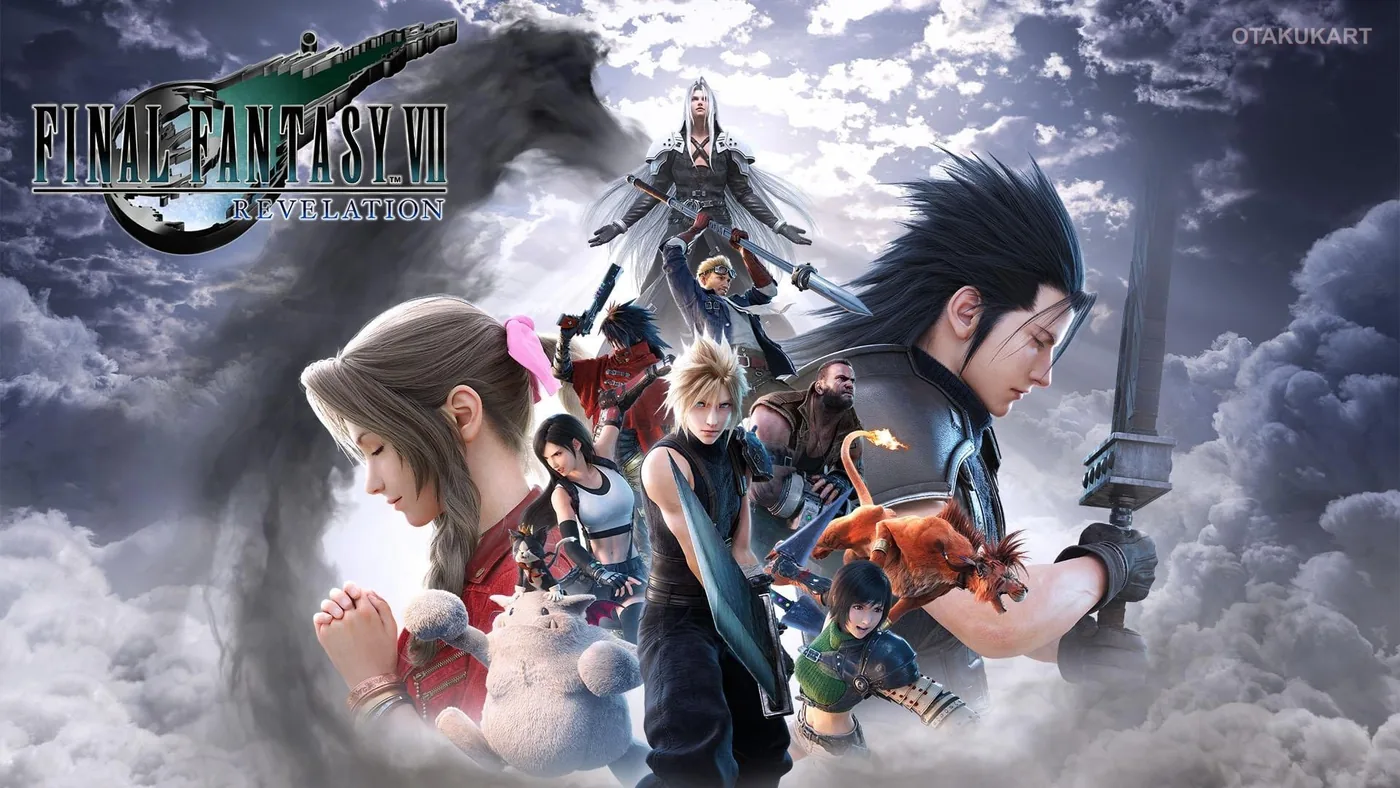
Shifting Themes From Character Bonds to Resolution
Emotional themes shift between each installment of the FF7 Remake trilogy, reflecting how the party evolves as the stakes grow higher. Hamaguchi explained to Kotaku that while the narrative of Rebirth centered on the bonds forming between party members, the finale shifts its focus to resolution and determination. “The main theme of Rebirth was the bonds between characters. For part three, the core theme is resolution and determination. As the characters make their final preparations for the ultimate battle to end the series, each carries internal doubts and worries,” he said. That tonal shift gives the final chapter a darker, more urgent feel [4].
Environmental themes stay central to the storyline, mirroring the core conflict of the 1997 game. Hamaguchi told Kotaku that the struggle over harvesting Mako energy as an industrial resource lies at the center of Revelation’s message. “There is definitely an environmentalist message in the game. I think that is one of the original game’s themes. Environmentalism is still a major theme in Revelation, but the core of Final Fantasy VII has always to me been about the cycle of life, and the conflict born from siphoning that life energy as a resource,” he said [4]. The narrative ties ecological decay to human greed, grounding the fantasy world in real-world anxieties [6].
Map exploration mirrors the evolving narrative, as Hamaguchi outlined Final Fantasy VII Revelation size and changes during a panel at PAX West [4]. Rather than locking players into disconnected zones, Revelation introduces full planetary flight using the Highwind airship. Hamaguchi called this open-world map scale one of the toughest challenges of development, explaining that the transition from Rebirth to Revelation was designed to give players true planetary exploration using the Highwind. Flying over the entire planet allows players to witness how regions have changed over the course of the story [3].

Launch Plans for Final Fantasy 7 Revelation
Square Enix confirmed the finale’s release window during a PlayStation State of Play broadcast, locking in April 8, 2027, for all regions. Unlike Remake and Rebirth, which launched as timed PlayStation exclusives, Revelation will debut day one on PlayStation 5, Xbox Series X/S, Nintendo Switch 2, and PC via Steam, Epic Games Store, and Microsoft Store [4, 5]. Bringing the game to every major platform at launch allows players everywhere to experience the finale without waiting months for ports. Pre-orders went live immediately after the broadcast in Australia, New Zealand, and North America [4].
Digital editions cater to both returning fans and newcomers who want to catch up on the story. The Final Fantasy 7 Revelation Premium Edition includes the main game, 24-hour Early Access, the Story Expansion Pass, the Reclaimant Choker in-game accessory, and helpful consumable items. A separate Trilogy Edition bundles Remake Intergrade, Rebirth, and Revelation for players entering the series for the first time. Square Enix confirmed that the Story Expansion Pass adds two post-launch narrative DLCs between winter 2027 and spring 2028, with one story following Sephiroth and another centered on Vincent and the Turks [4].
Gameplay updates will introduce fresh combat options, including a reworked FITS traversal suite and new Queen’s Blood card content built around Red XIII. Hamaguchi recognized that concluding a beloved story that fans have analyzed for almost thirty years brings inevitable scrutiny, but sticking to an early blueprint gave the project steady footing. When Final Fantasy 7 Revelation arrives on April 8, 2027, players will see firsthand how the creative team resolved one of gaming’s most celebrated tales [4].
- ONLINE NEWS Gach, E. (2026, October 3). Final Fantasy 7 Revelation Director Says It Was ‘Absolutely Essential’ Not To Turn The Remake Into ‘My Own Personal Fan Project’. Kotaku. [Article Link]
- ONLINE NEWS Whitfield, D. (2026, October 2). Final Fantasy 7 Revelation Director Naoki Hamaguchi Says It Was ‘Absolutely Essential’ to Avoid Turning the Remake Into a Personal Fan Project. OtakuKart. [Article Link]
- ONLINE NEWS Daniels, J. (2026, October 2). Final Fantasy 7 Revelation Director Says Not Turning it Into a Personal Fan Project Was ‘Not Easy’. GamingBolt. [Article Link]
- ONLINE NEWS Webdevo Ie, W., & News Desk. (2026, October 2). FF7 Revelation’s Hamaguchi: Trilogy’s Core Story Never Changed for Fan Reaction. GamesReviews.com. [Article Link]
- ONLINE NEWS D’Angelo, W. (2026, October 4). Final Fantasy VII Remake Director Says It ‘Wasn’t Easy’ to Keep the Plot Intact. VGChartz. [Article Link]
- ONLINE NEWS Gerblick, J. (2026, October 1). Final Fantasy 7 Revelation lead tried hard not to turn the series into his ‘personal fan project’. Yahoo Tech. [Article Link]
- ONLINE NEWS O’Connell, M. (2026, October 4). FF7 Director on the Fine Line of Remaking a Masterpiece. Almabrizita – The Latest Gaming News. [Article Link]


