



When a German PC gamer installed a used AMD Ryzen 7 5800X3D processor to upgrade his gaming rig, he expected smooth frame rates in Valorant, but an instant hardware blacklist locked him out of matches. The sudden penalty prompted a swift Riot ban appeal to developer Riot Games, yet the inquiry hit a wall when support staff allegedly claimed the component was permanently flagged. While the buyer feared his entire desktop was ruined, Riot Games anti-cheat lead Phillip Koskinas clarified that hardware penalties expire within four months [1].
German Gamer Triggers Sudden Valorant Ban
The incident came to light on the Reddit forum when a German Valorant gamer shared how a routine component swap turned into an account lockout. He purchased a secondhand AMD Ryzen 7 5800X3D processor, installed it on his motherboard, and launched Valorant. Riot Vanguard locked his account within seconds [2].
In an in-depth PCWorld report, tech journalist Michael Crider pointed out that rising prices for PC hardware have pushed budget-conscious gamers into online secondhand marketplaces in search of affordable parts. When an unscrupulous seller abuses third-party cheat tools in online multiplayer matches, anti-cheat developers often tag the machine itself rather than just deleting the account, which means that innocent buyers risk inheriting someone else’s penalty without any advance warning from marketplace listings. In this case, the German player discovered that his clean account had been banned right after joining a match lobby, simply because the secondhand processor carried a blacklisted serial number from its previous owner. He hadn’t used cheats, yet Riot Vanguard flagged his hardware profile and barred him from queuing for multiplayer games [2].
The player contacted Riot customer support to explain the purchase, but representatives allegedly told him that they couldn’t help. Riot Support couldn’t find the ticket. He even looked into filing a dispute through PayPal to recover his cash from the seller, but he believed that recourse wouldn’t fix his setup because Riot Vanguard had reportedly tagged his motherboard and storage drive as well [1].

Riot Ban Appeal Discloses Four-Month Penalty Limit
The story sparked debate on gaming forums until Phillip Koskinas, the anti-cheat lead at Riot Games, stepped in on social media to address the confusion surrounding the case. Writing on October 2 under his handle @deteccphilippe, Riot Games lead Phillip Koskinas challenged key parts of the player’s story, clarifying how a Riot ban appeal actually proceeds under Riot Vanguard. He said that Riot Games couldn’t find any support ticket matching the user’s story, but he clarified that hardware penalties don’t work like permanent equipment death sentences. In fact, Riot Support staff review hardware logs to verify whether incoming tickets involve compromised parts or repeat offenders, letting the studio separate fraudulent claims from honest mistakes [1].
Phillip Koskinas firmly rejected the claim that Riot Vanguard blacklists an entire computer simply because it detects a single tainted part. Koskinas also confirmed that hardware ID (HWID) penalties stay strictly game-specific rather than universal. A penalty issued in Valorant doesn’t automatically bleed over into League of Legends [1]. One ban does not poison everything.
According to Phillip Koskinas, Valorant hardware bans expire in no more than four months, with Riot Support agents disclosing remaining time. The German player stated that the original ban hit on August 12 and that he received the processor on September 21. That penalty expires in December [1].


Why Secondhand Parts Complicate a Riot Ban Appeal
When an honest gamer buys used hardware, submitting a Riot ban appeal often runs into brick walls because customer support teams face thousands of deceptive tickets every week. Cheaters routinely claim that they bought a computer secondhand, that a younger sibling downloaded illicit software, or that their account was hijacked by strangers on the internet. Because support representatives hear these excuses daily, Michael Crider pointed out that agents rarely lift hardware bans on unverified verbal claims. Without hard proof like dated store receipts or certified transaction logs, a player cannot easily convince an agent that the flagged hardware arrived from someone else’s desk [2].
To show how tangled these cases become, Michael Crider illustrated a scenario involving two players named Vincent and Vivian. Vincent plays Valorant, runs third-party cheats from a shady site, and gets banned by Riot Vanguard. Later, Vincent sells his graphics card on eBay to Vivian, who installs it and gets banned right away without breaking any rules [2]. Vivian didn’t break any rules.
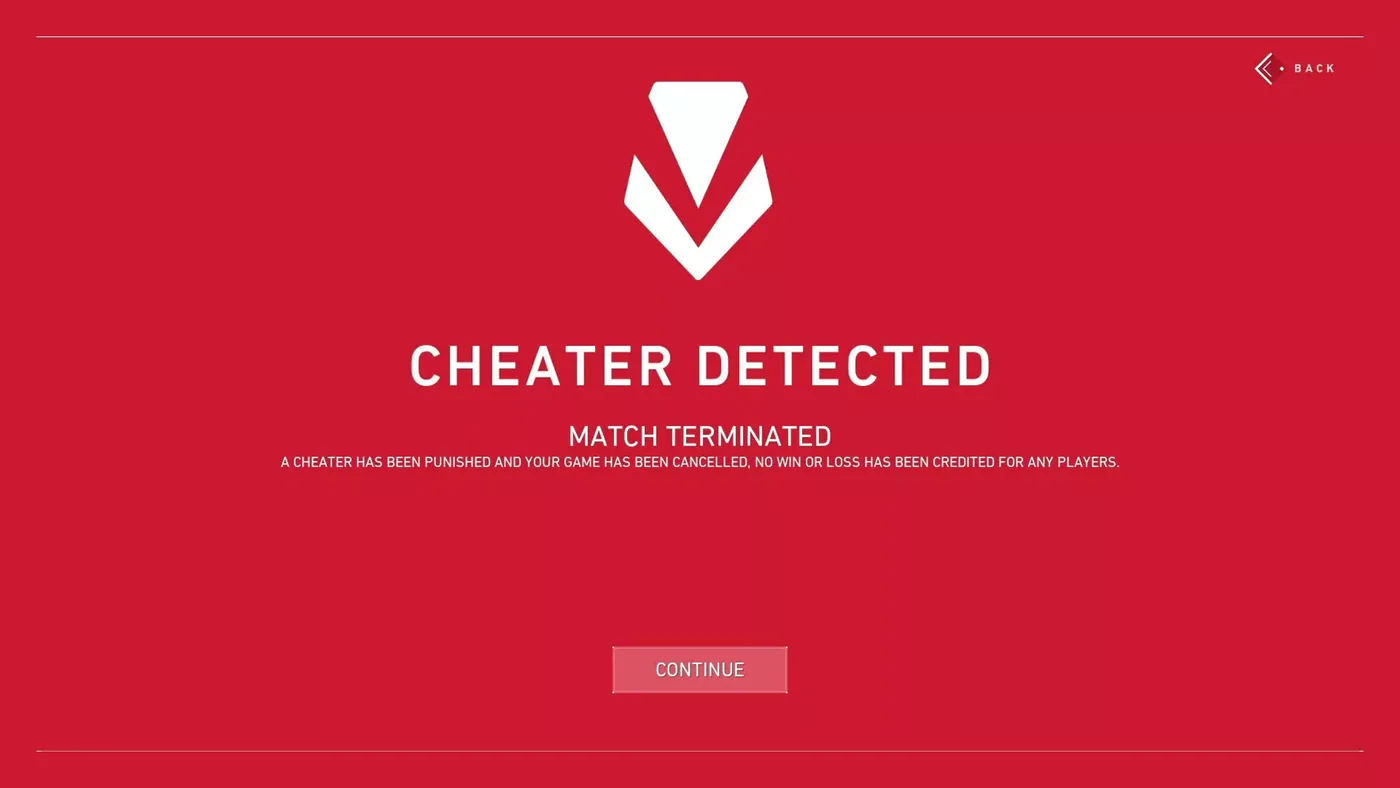
Inheriting a blacklisted component feels disastrous, yet Riot Games lead Phillip Koskinas confirmed that Riot Games has encountered fewer than a dozen genuine secondhand penalty cases over recent years. To handle crowded venues like gaming cafes, Riot Games can identify clusters of PCs where hardware bans apply only after multiple users cheat repeatedly over time. An individual Riot ban appeal submitted from a private home desktop cannot rely on cybercafe cluster protections, which ultimately leaves secondhand buyers with very little practical recourse whenever a customer service inquiry stalls. Because anti-cheat systems treat flagged hardware as guilty until proven innocent, gamers caught in this trap often have to wait out the penalty clock or replace the tainted component out of pocket [1].
Hardware Identification and Vanguard Security Demands
Inspecting hardware components needs deep system access that reaches far beyond checking an IP address. Anti-cheat software hooks into the operating system kernel and motherboard BIOS to verify component signatures before matches start. According to reporting from German outlet Heise.de, Riot Vanguard only runs if the PC has Secure Boot and a Trusted Platform Module (TPM 2.0) enabled, which is why Valorant isn’t playable on Linux or SteamOS [2].
As Jon Martindale and Michael Crider explained, anti-cheat tools can build unique fingerprints by scanning processors, graphics cards, network adapters, and Windows licenses. Because these tools read serial numbers right off the silicon, filing a Riot ban appeal becomes messy when one flagged serial sits inside a fresh motherboard next to clean parts. While the German buyer worried that his motherboard was permanently tainted, Phillip Koskinas insisted that Riot Vanguard doesn’t spread bans to clean parts. In fact, anti-cheat drivers identify specific hardware strings without corrupting the entire system profile, meaning that innocent components won’t face permanent blacklisting simply by sharing a power supply or data bus [1].
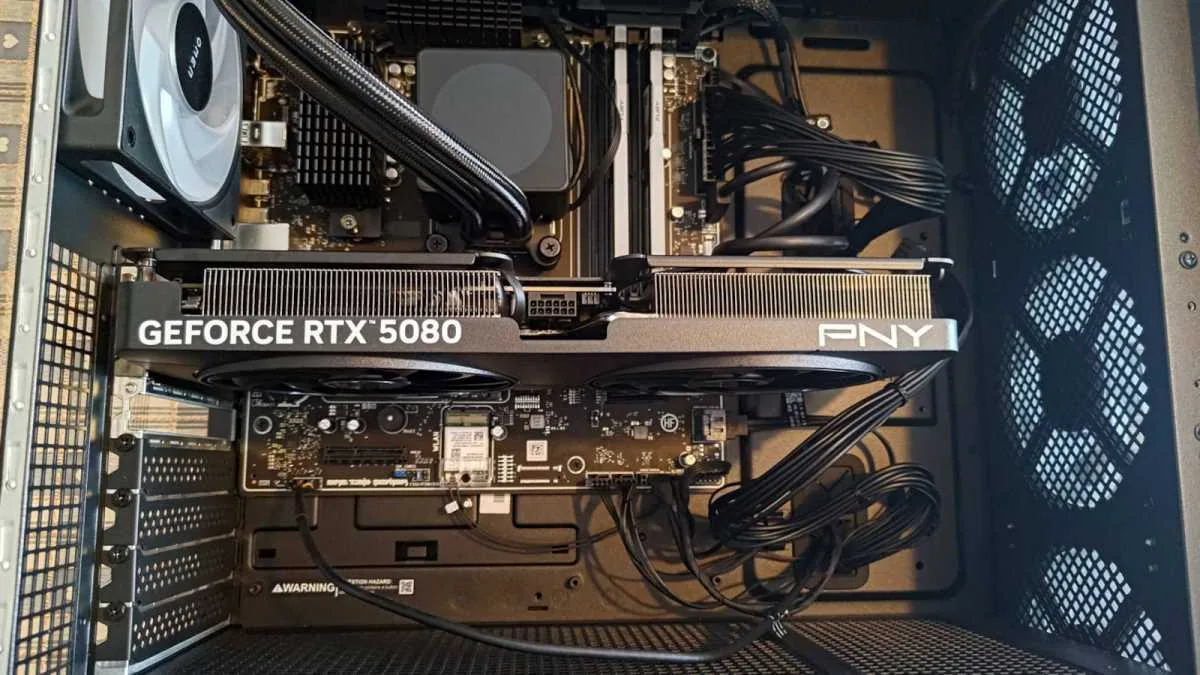
These strict security demands have caused headaches for PC gamers in the past, including an incident where Riot Vanguard briefly clashed with the Battlefield 6 open beta. Earlier this year, Riot Games introduced an optional On-Demand mode alongside Vanguard Pre-Check for qualifying Windows gaming systems. Under this setup, the driver starts only when a game launches and exits after play, which keeps the system lighter without lowering anti-cheat defenses [1].
Can Players Protect Used Hardware from Anti-Cheat Flags?
For budget gamers shopping on used marketplaces, dodging blacklisted hardware proves difficult because sellers rarely confess to cheating before shipping an expensive component. A PCWorld report noted that Michael Crider reached out to Riot Games, Valve, and Epic Games to ask how buyers can verify secondhand components or protect themselves, but none of the companies responded before publication. Because Riot Vanguard demands Secure Boot and firmware verification, games like Valorant stay locked away from Linux and SteamOS, contrasting with ongoing discussions around Valve handheld hardware planning for next-generation portable gaming [2].
Neither Valve Anti-Cheat (VAC) nor Easy Anti-Cheat (EAC) publicize exact lists of tracked components, so anyone preparing a Riot ban appeal after an auction purchase faces considerable uncertainty. If a dishonest seller conceals an active ban, buyer protection through platforms like eBay can help recover money, but it won’t unban a locked gaming account or restore lost ranks [1].
When a surprise hardware flag appears, the best move during a Riot ban appeal is checking the exact calendar date of the penalty. Because Valorant hardware penalties lift within four months, the flagged chip eventually returns to good standing on its own. Until publishers offer transparent hardware verification tools for used marketplaces, waiting out the four-month window is the only guaranteed fix for second owners [1].
- ONLINE NEWS Sims, D. (2026, October 3). A Riot ban followed a used Ryzen CPU to its new owner, but something is not adding up. TechSpot. [Article Link]
- ONLINE NEWS Crider, M. (2026, October 2). Your used CPU might come with someone else’s Valorant ban. PCWorld. [Article Link]


1 comment