




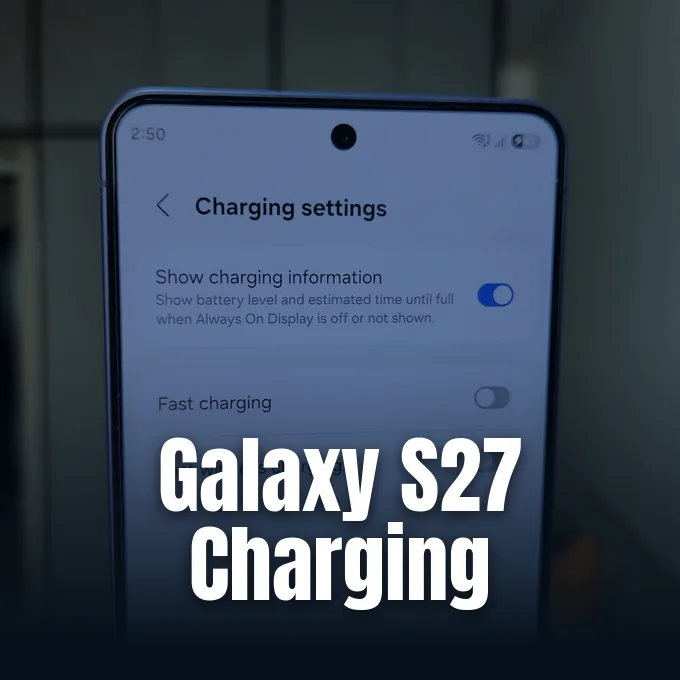
Samsung plans to keep its 60W wired charging ceiling for the upcoming Galaxy S27 Ultra, but new leaks indicate that Galaxy S27 charging could speed up by tweaking how power flows into the battery. The ceiling stays at 60W. According to details shared by leaker WalleGalaxy on October 5, 2026, the company is refining its power curve rather than raising headline wattage numbers. That change aims to push more energy into a larger 5,700mAh battery without creating excess heat during early plug-in stages. Samsung will probably unveil the flagship family early next year [1].
Sustaining High Wattage for Galaxy S27 Charging
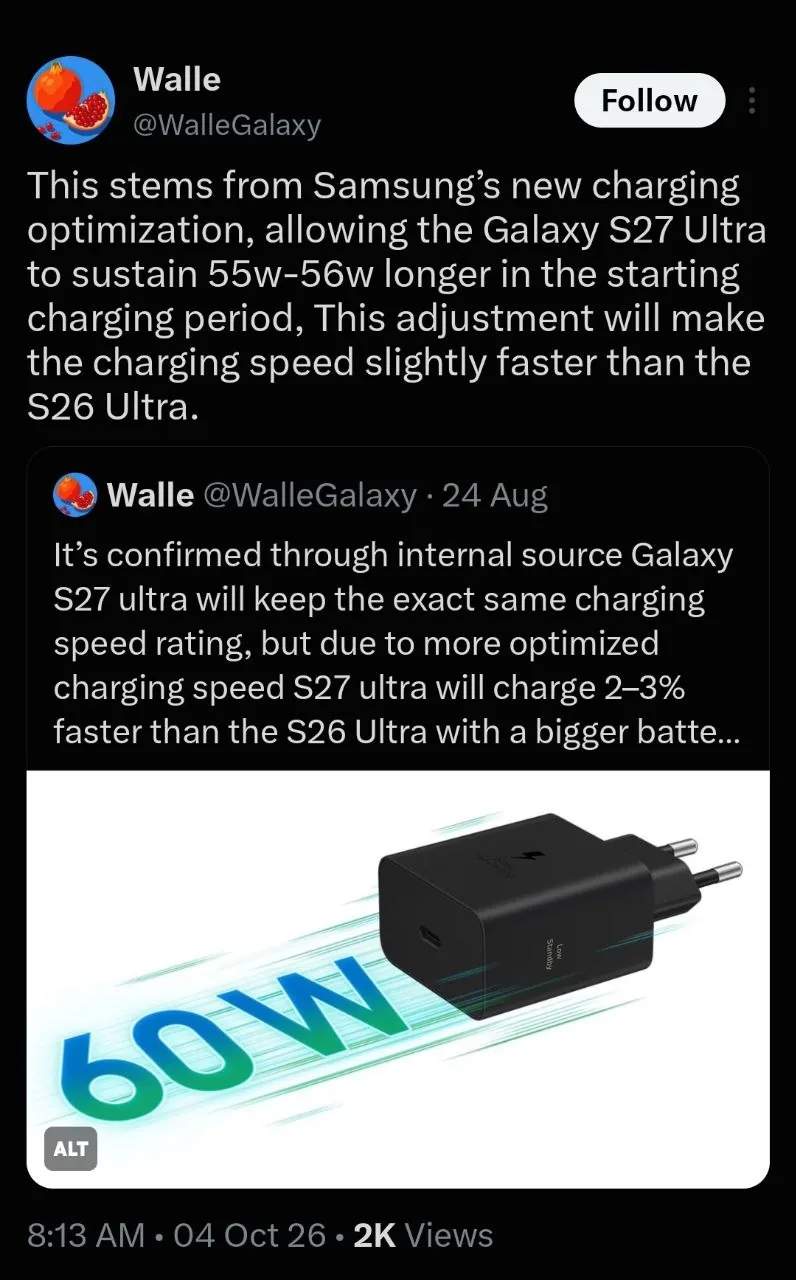
Phone makers often chase bigger wattage numbers on spec sheets, but real-world charging speed depends much more on how long a phone holds its peak draw. WalleGalaxy shared the first leak. He said the Galaxy S27 Ultra will sustain around 55W to 56W for a longer stretch during the early phase of a charge (the early window where an empty battery accepts power fastest). In older models, peak rates usually dropped within a few minutes to protect battery circuits from heat. Holding that power level steady lets the phone take in more energy before thermal limits force a slowdown [1].
The Galaxy S26 Ultra already supports 60W Super Fast Charging 3.0, which Samsung says reaches roughly 75% in 30 minutes on its 5,000mAh cell. Even though the next phone carries a heavier battery, WalleGalaxy claims these curve adjustments could make it charge about 2% to 3% faster than the S26 Ultra. That’s a practical gain for users who need a quick top-up before heading out. It shows Samsung is trying to get better results from existing 60W hardware instead of pushing numbers that look good only in marketing materials [1].
Will these power curve tweaks also come to the smaller Galaxy S27 Pro or the base model? The leak doesn’t say. If the smaller phones miss out, buyers choosing lower price tiers won’t see any charging gains next year [1]. The Ultra gets priority.
Galaxy S27 Ultra Charging Compared with iPhone 18 Pro
Apple put fresh pressure on Samsung when it released the iPhone 18 Pro Max with a 5,391mAh battery, edging past the 5,000mAh pack inside the S26 Ultra. Apple took an early lead. As reported by Android Authority, Apple also boosted wired speeds, allowing its phone to reach 50% in about 15 minutes with an approved 60W charger. That jump showed that smart power management can cut wait times without raising headline watt ratings to extreme heights [1].
Nobody outside Apple knows how much of that speed comes from its steel-case battery design, its power curve, or its thermal setup. Samsung chose a controller focus. Testing will prove whether sustained 55W power can match Apple’s early refill marks on a bigger cell [1].
For most phone owners, speed during the first twenty minutes matters much more than total time to 100%. Chemical cells accept charge quickly when empty, but heat builds up fast, forcing phones to drop current to prevent wear on battery materials over time. Apple proved that holding high power early in the cycle gives users a meaningful boost before they leave the house in the morning. Samsung hasn’t said if it will bundle a compatible charger in the box, so buyers will likely need their own accessories. If Galaxy S27 charging holds 56W long enough to fill half the cell in under twenty minutes, Samsung can close the gap with Apple without making buyers buy proprietary charging bricks [1]. Every minute counts here.

Bigger Battery Capacity Inside the Flagship Line
A larger battery helps explain why Samsung wants to squeeze better performance out of its existing charging hardware. Supply chain rumors point to a 5,700mAh pack inside the Galaxy S27 Ultra, marking a 700mAh jump over the 5,000mAh capacity used in previous generations. An earlier battery specs leak for the Galaxy S27 Pro and Ultra suggested that engineers found ways to fit more cell volume without making the phone thicker [3].
Packing extra capacity into the same frame while avoiding extra bulk creates tough engineering hurdles for heat dissipation. If charging speed stayed the same as before, filling a 5,700mAh battery would take noticeably longer than topping up the S26 Ultra. Sustaining 55W to 56W during early stages helps offset that larger capacity, keeping recharge times close to older models so users don’t spend extra time waiting by a wall socket [1, 3].
Software safeguards will also balance speed with long-term battery health. Protection settings play a role. Similar to the battery protection settings found in recent One UI features on the Galaxy S26, the new phones will let users cap maximum charge levels to prolong cell life. Galaxy S27 charging will rely on these built-in system tools to regulate high watt intake when the phone gets warm [1].
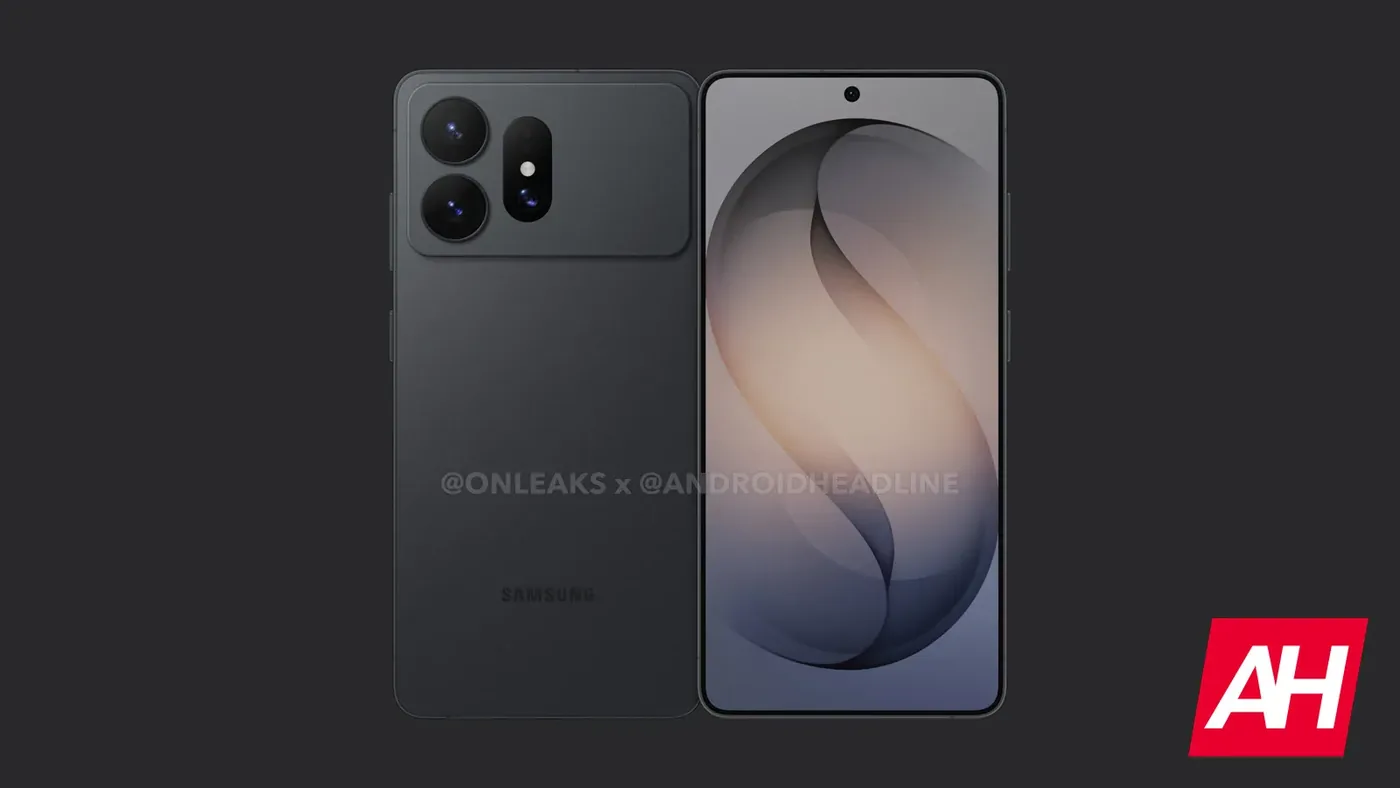
Rear Design Changes and Camera Island Overhaul
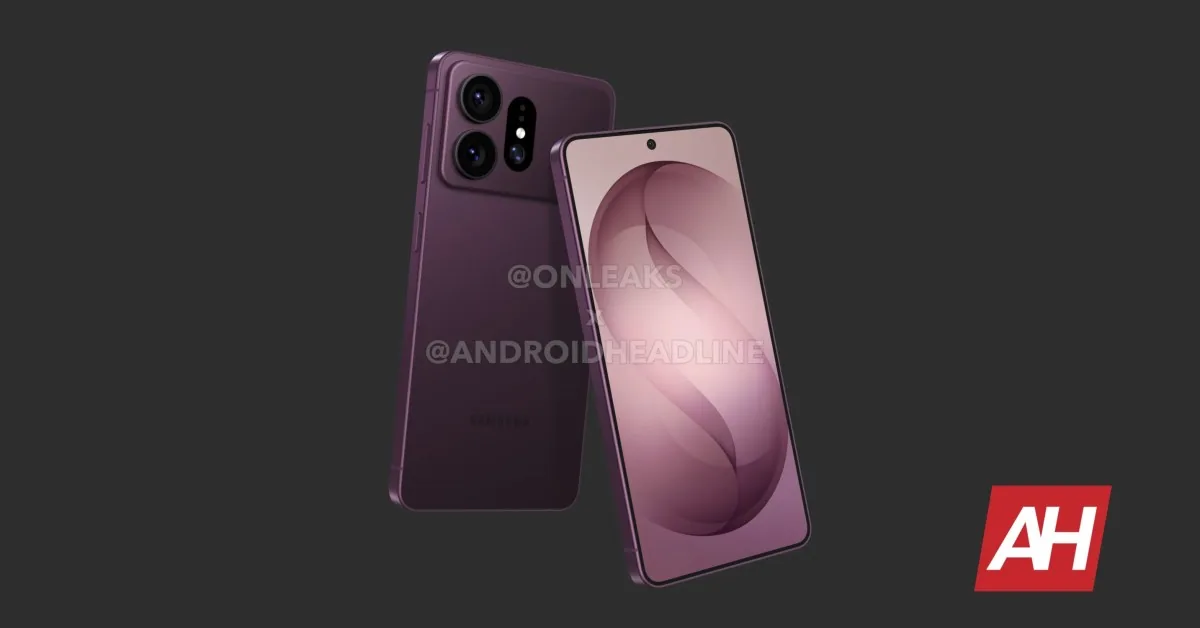
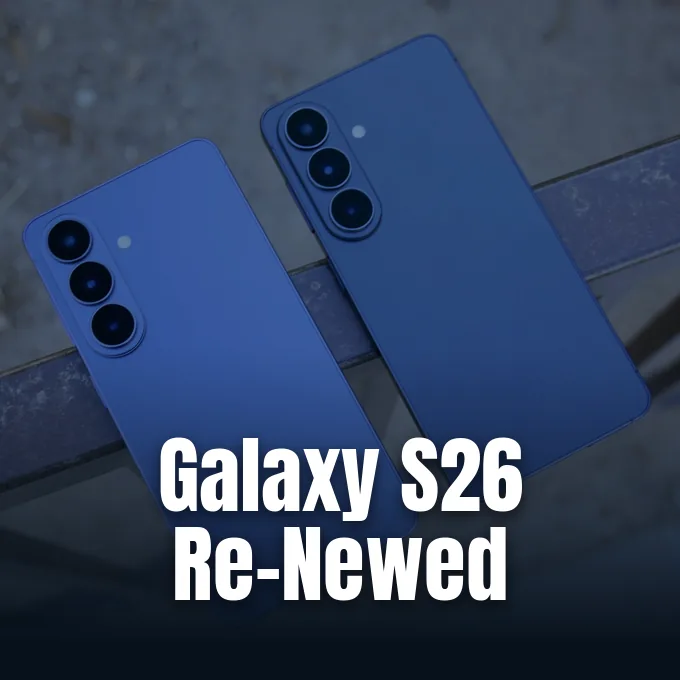
The battery and charging updates arrive with a major redesign for the rear panel. Leaks published by 9to5Google and Android Central show that Samsung is moving away from individual camera rings that characterized the back of the phone since 2021. Instead, the Galaxy S27 Ultra will feature a raised camera island that covers the upper portion of the rear glass, borrowing design ideas from recent Apple flagships like the iPhone 18 Pro [2, 4].
Beneath that new camera island, Samsung is planning notable hardware changes for mobile photography. Android Authority reported that the phone will gain an upgraded 200MP Samsung ISOCELL HP6 main sensor, paired with improvements to the 5x telephoto camera. Rumors also suggest Samsung could drop the dedicated 3x zoom lens (relying on high-resolution sensor cropping instead) to free up room for the larger battery without adding thickness to the phone body [3].
Connecting all lenses into a unified camera bar gives engineers more clearance to position components. Camera rings took extra space. By grouping the sensors into a single raised block, Samsung can fit a bigger cell and route cooling channels more cleanly beneath the back cover [3, 4].
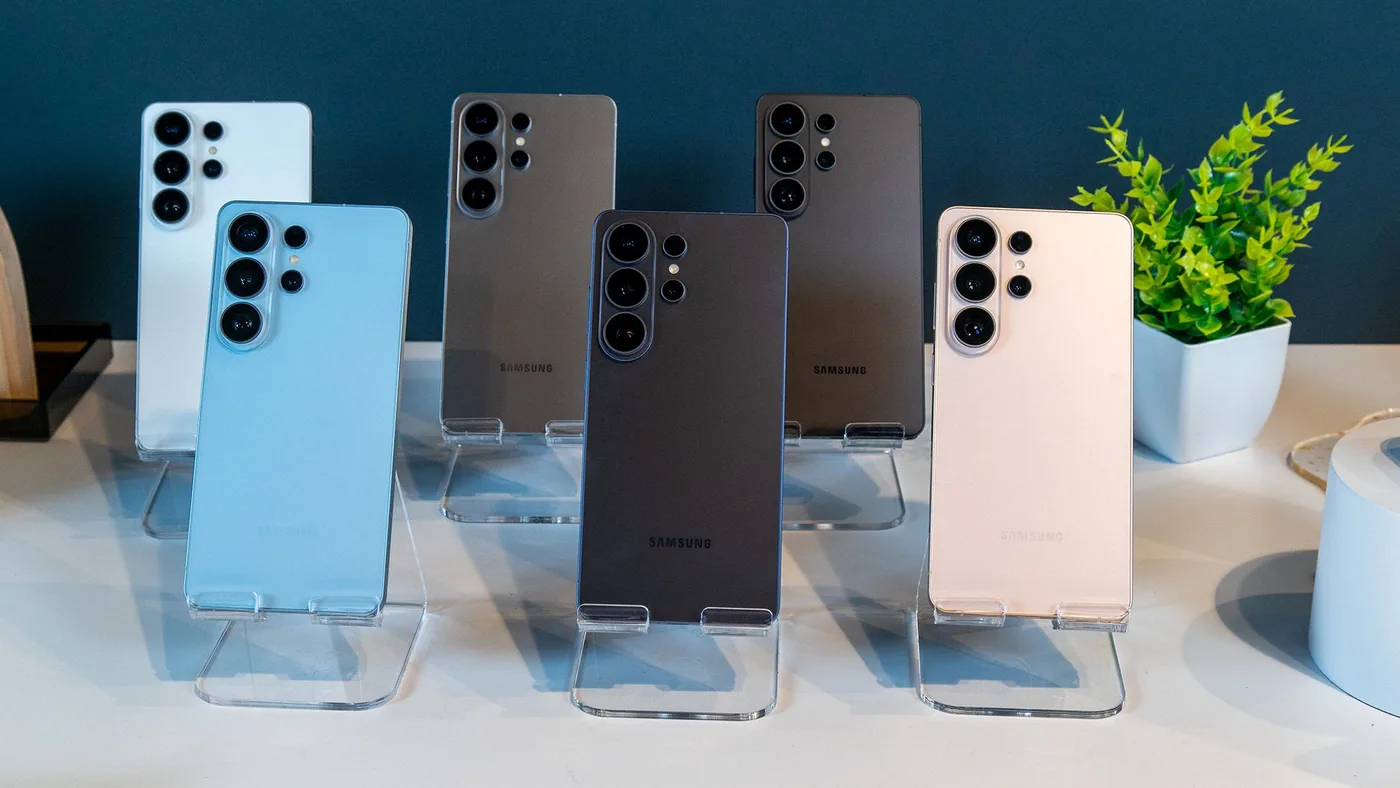
Four Base Shades Replace Classic Purple Options
New color leaks give a clear picture of what the Galaxy S27 Ultra will look like when it arrives in stores. Ice Universe listed four shades. The leaker posted on Twitter/X that Samsung will offer four base color variants: Black, Blue, Light Pink, and White. These shades will serve as the standard options sold through carriers and general retail stores, rather than being limited to orders placed on Samsung’s official website [2, 4].
Dropping purple from the standard color lineup breaks a four-year design habit for the company. Samsung featured Lavender (a pale purple shade) on the Galaxy S23 Ultra in 2023, and followed it with Cobalt Violet and Deep Purple on later models. Ice Universe later posted an update saying a special Violet version could still launch, but Light Pink seems ready to take the spotlight on store shelves [2, 3].
Moving Light Pink into the main retail lineup shows Samsung wants to bring softer tones to everyday shoppers. The S26 Ultra offered Pink Gold and Silver Shadow only through Samsung’s online shop, but the upcoming launch opens pink to everyone. Combined with steady Galaxy S27 charging gains, a bigger battery, and a fresh camera bar, the new flagship lineup brings a rounded set of updates ahead of its debut early next year [1, 2, 4].
- ONLINE NEWS Keverenge, H. (2026, October 5). Samsung may have found a smart way to speed up Galaxy S27 Ultra charging. Android Authority. [Article Link]
- ONLINE NEWS Romero, A. (2026, October 5). Leaked Galaxy S27 Ultra color list doesn’t include Purple, for a change. 9to5Google. [Article Link]
- ONLINE NEWS Mehta, T. (2026, October 5). Galaxy S27 Ultra colors leak, and Samsung could be breaking up with purple (Update: Special color). Android Authority. [Article Link]
- ONLINE NEWS Bonggolto, J. (2026, October 5). Samsung Galaxy S27 Ultra leak reveals four rumored color options. Android Central. [Article Link]


