





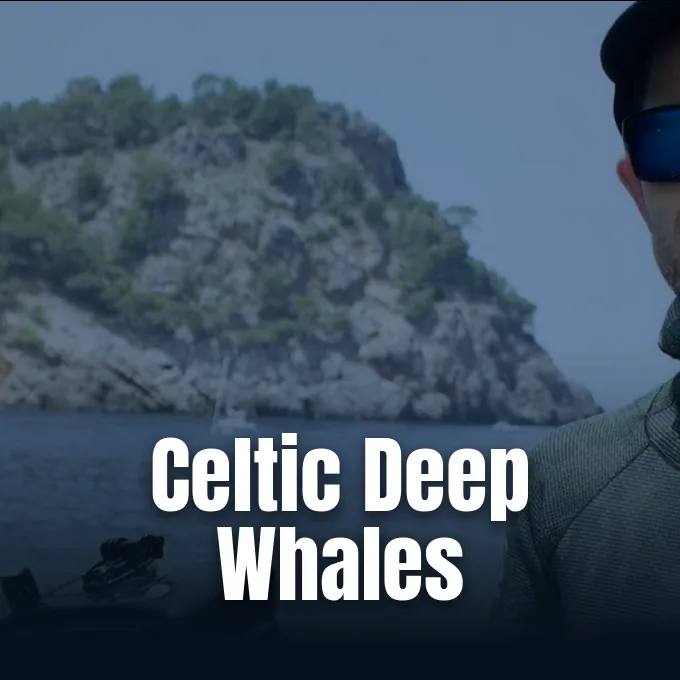
When marine cinematographers head out to sea, decades of field experience cannot always prepare them for what breaches the open water. On 25 September, wildlife cameraman Dan Abbot spotted a solitary humpback whale blowing in the Celtic Deep off the coast of Wales. Abbot was guiding a blue shark snorkelling excursion when the cetacean surfaced near feeding seabirds and tuna. While Welsh waters regularly attract minke and fin whales during autumn feeding frenzies, verified humpback sightings remain extraordinary events that catch seasoned naturalists off guard. Abbot recorded the animal lunge feeding near schools of bluefin tuna, adding fresh documentation to a growing catalog of rare wildlife sightings [1].
- Celtic Deep Encounter Reveals Humpback Whales Off Wales
- How Does Field Work Produce Rare Wildlife Sightings?
- How Do Cameras Track Deep-Sea Predators and Rare Wildlife Footage?
- Surprise Terrestrial Records Expand Known Habitats
- How Does Wildlife Conservation Rely on Rare Animal Sightings?
- Technological Traps and Systematic Ocean Monitoring
Celtic Deep Encounter Reveals Humpback Whales Off Wales
The encounter took place 25 to 30 miles offshore after Abbot concluded a four-hour blue shark snorkelling trip in the Celtic Sea. As the vessel prepared to return toward Pembrokeshire across the open sea, an observant passenger noticed a towering vertical spray rising above the distant swells against the bright horizon. Abbot suspected that a minke whale or a fin whale was surfacing. Both species regularly pursue baitfish in Welsh waters during early autumn. Flocks of gannets, hunting pods of common dolphins, and schools of bluefin tuna were already thrashing the surface in a massive feeding aggregation [1].
Abbot slowed the boat to let the animals surface without disturbance and watched the creature rise against the swell. He quickly noticed large white pectoral fins beneath the waterline and saw the flukes lift clear of the water as the whale sounded. Fin whales never raise their tail flukes on a dive, nor do they carry white fins or fleshy knobs around their head. “I actually went quiet for a moment. At that point, it was pretty clear it was a humpback whale,” Abbot said of the identification [1].
Abbot, who documents marine life under the moniker Sharkman Dan, admitted that the encounter surprised him because he usually maintains a quiet demeanor during excursions. He said: “I’m a wildlife cameraman but when something happens like that unexpectedly and catches you off guard, there’s something about it that kind of makes it even more special.” He stayed calm on the deck. While passengers cheered the visitor, Abbot secured clear video footage that validated the marine mammal record for regional wildlife registries [2].

How Does Field Work Produce Rare Wildlife Sightings?
Field work produces rare wildlife sightings when consistent survey schedules coincide with concentrated prey movements and oceanographic fronts that draw migratory species into coastal shipping lanes. Lloyd Nelmes, an aquarium manager and marine project officer with Sea Trust Wales, explained that humpback sightings off the Welsh coast occur only once every two or three years. Nelmes had recorded his own close encounter in Pembrokeshire during 2024, when a humpback breached directly before his boat. “The whale jumped out right in front of us. It was incredible, and it’s still probably my top wildlife moment of my life,” Nelmes said. He explained that humpbacks are readily distinguished by their long white flippers, knobbly skin covered in barnacles, and distinctive fluke-lifting dive posture [1].
Nelmes said the rising frequency of sightings reflects rich feeding conditions in the Celtic Deep rather than a permanent change in migratory routes. Just one day before Abbot recorded his video, Nelmes surveyed the same offshore waters and counted six fin whales, balling tuna, and over 1,000 dolphins feasting on dense shoals of fish. “We’ve seen humpbacks here on the rare occasion… but it seems to be becoming more common, which is awesome. It’s quite likely just an indication of how much food is about at the moment,” Nelmes said [1].
Independent evaluation by Mundane Read analyzed the BBC News Science and Environment report, examining the 690-word dispatch and giving it a Niral Score of 12.1. While routine patrols monitor common species, surprise encounters prompt researchers to re-examine regional feeding corridors. Sustained eyes on the water turn accidental glimpses into credible scientific observations [3].
How Do Cameras Track Deep-Sea Predators and Rare Wildlife Footage?
Cameras track deep-sea predators and capture rare wildlife footage by combining submersibles, automated camera traps, and diving surveys capable of operating in lightless oceanic trenches. In 2026, marine expeditions recorded living goblin sharks swimming near Jarvis Island and the Tonga Trench. Biologists had long known the pink, long-snouted shark primarily from dead or damaged specimens pulled up in commercial fishing gear, making clear footage of living specimens indispensable for behavioral analysis [5].
Divers also recorded an encounter with a great white shark in the Strait of Sicily during a ghost-net removal operation. Rather than charging forward, the apex predator circled calmly, giving scientists vital data on scale, posture, and swimming mechanics that surface sightings cannot reveal. Marine researchers examine deep-sea diving behavior in certain animals to understand how marine carnivores exploit shifting thermal layers and underwater canyons [5].
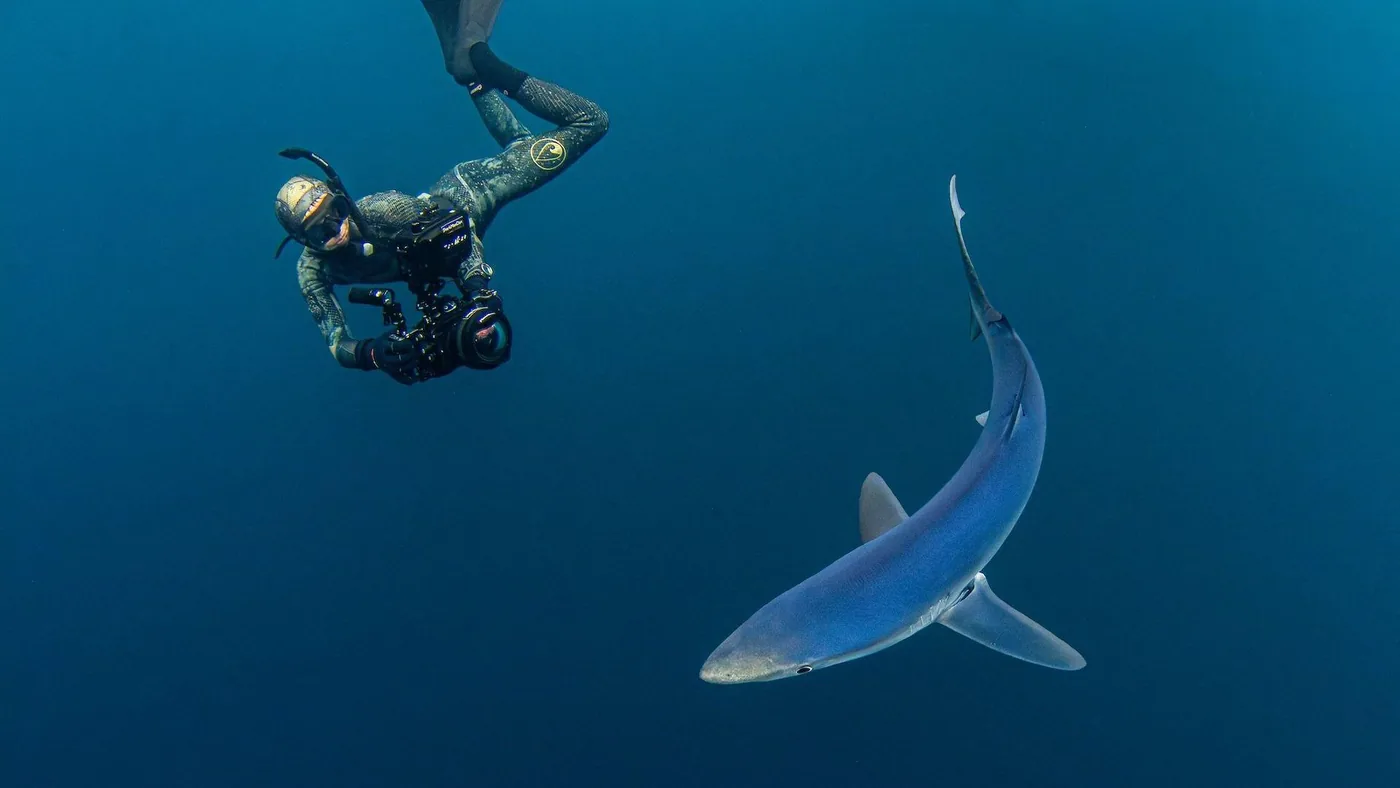
Focusing on Wildlife explained that video evidence must meet strict verification standards before scientists accept it into biological records. Metadata, GPS coordinates, and clear visual angles help researchers confirm whether a recorded predator is a wandering stray or part of a previously undocumented resident colony. Such visual evidence guides long-term habitat protection [5].


Surprise Terrestrial Records Expand Known Habitats
On dry land, remote optical sensors have replaced the grueling demand of waiting thirty consecutive nights in freezing blinds. In Kenya, photographer Will Burrard-Lucas captured historic images of an elusive black leopard at Laikipia Wilderness Camp. His photographs confirmed the presence of melanistic leopards in Africa for the first time since a documented sighting in Ethiopia in 1909, settling decades of speculative rumors with irrefutable visual evidence [6].
Farther north in the rugged Altai mountains, staff at Sailugem National Park—located where Russia, Mongolia, China, and Kyrgyzstan meet—encountered a legendary creature. Product manager Anna and local guides spotted a blonde Sailugem bear, an animal thought to be extinct for more than 60 years. While geneticists continue analyzing hair samples to determine whether the blonde beast is a brown bear color morph or a separate subspecies, the visual record re-energized regional field surveys [6].
Similar surprises occur when elusive mammals break years of silence in remote alpine forests. In Kashmir, camera traps recently photographed the Kashmir musk deer, a solitary ungulate known for the prominent saber fangs that males use during territorial rivalries. Poaching for musk glands used in perfumes had decimated local herds, making verified photographs essential proof that fragmented populations still survive on steep mountain slopes [4].
How Does Wildlife Conservation Rely on Rare Animal Sightings?
Wildlife conservation relies on rare animal sightings to establish protected nature reserves, allocate anti-poaching patrols, and justify emergency funding for critically endangered species on the brink of extinction. In Pakistan, conservation teams estimate that only 4,000 to 6,590 snow leopards survive amid expanding livestock grazing and retaliatory hunting. In the Sundarbans of Bangladesh, wild tiger numbers have dwindled to roughly 3,900 individuals, representing a steep 95 percent decline since the opening of the twentieth century [6].
Fragile enclaves require constant monitoring because even small population drops can push isolated groups beyond recovery. In Nepal’s Singalila National Park, only 32 red pandas live within protected borders, while fewer than 10,000 individuals remain across the Eastern Himalayas. Along the Mekong River in Cambodia and Laos, biologists track roughly 92 surviving Irrawaddy dolphins, studying forecasting the risk of sea life entanglement in nets to prevent accidental drownings in commercial fishing lines [6].
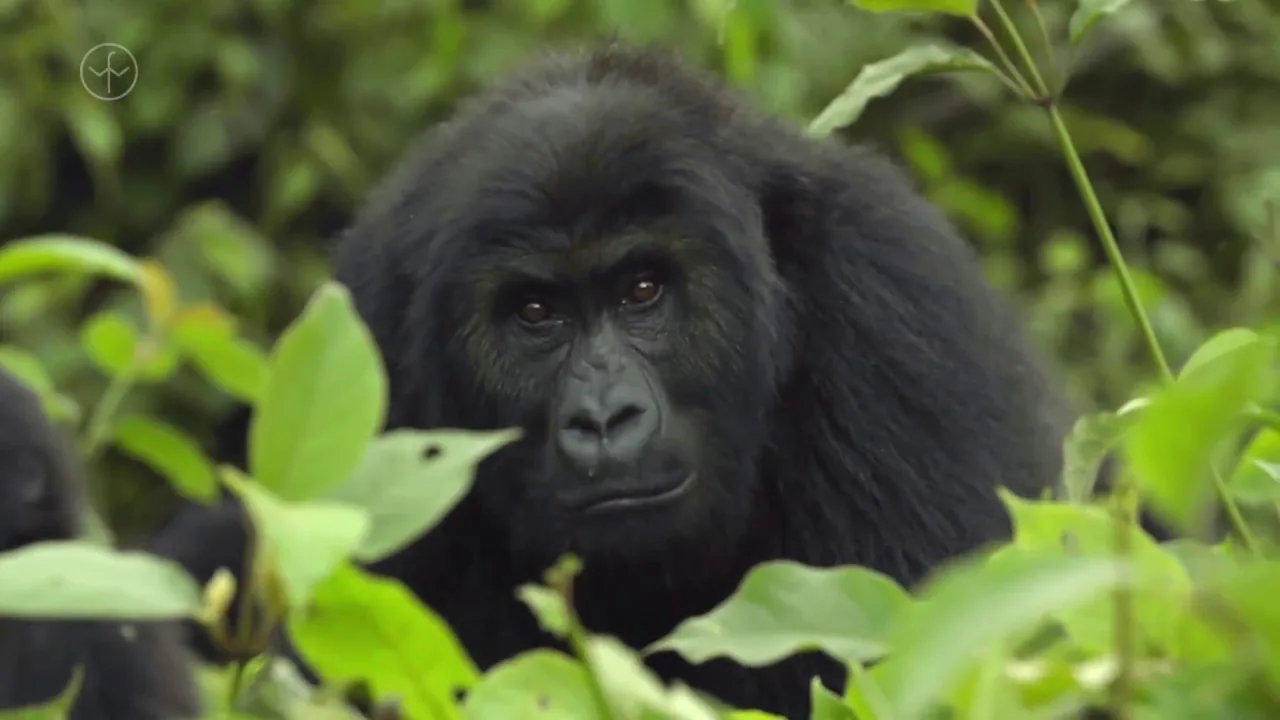
In the Democratic Republic of Congo, civil unrest and poaching caused eastern lowland gorilla numbers to plummet by more than 50 percent over three decades. Today, approximately 250 gorillas survive in Kahuzi-Biega National Park, where the Pole Pole Foundation works alongside guides and local villages to protect habituated groups like the one led by silverback Chimanuka. Verified field sightings demonstrate to surrounding communities that living wildlife carries far greater economic and ecological value than bushmeat [6].
Technological Traps and Systematic Ocean Monitoring
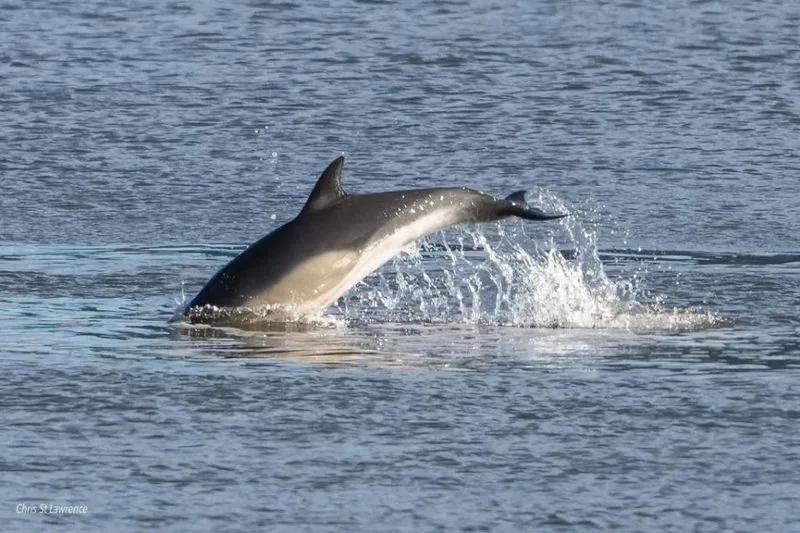
Technological monitoring also helps scientists decipher unexpected behavioral anomalies and range shifts across heavily populated continents. In Nevada’s Death Valley, a population of just 38 Devils Hole pupfish clinging to survival in a geothermal cavern suffered steep declines after seismic tremors from distant earthquakes disturbed their water chemistry. Meanwhile, in February 2025, marine biologists recorded short-beaked common dolphins swimming up the East River in New York City, and beachcombers documented deep-sea oarfish washing ashore along the California coast [7].
Other animal groups exhibit puzzling movements that challenge established biological assumptions. In 2025, field researchers observed thousands of freshwater fish climbing vertical waterfalls in Brazil, while North American wolves shifted established pack hunting territories in response to changing prey distributions. In the Atlantic Ocean, European eels continue their mysterious journey to the Sargasso Sea to spawn and die, an enigmatic life cycle that Aristotle documented centuries ago and that modern satellite tags still fail to trace completely [4].
Systematic documentation transforms fleeting anecdotes into verified ecological data. From motion-triggered trail sensors to ocean expeditions, field records provide crucial benchmarks for tracking global biodiversity. Just as archival field programs documented the rediscovery of elusive egg-laying mammals, continued surveillance ensures that rare wildlife sightings provide lasting insight into our changing biosphere [4].
- ONLINE NEWS Shone-Adams, A. (2026, October 3). Rare humpback whale spotted on Pembrokeshire coast. BBC News. [Article Link]
- ONLINE NEWS Shone-Adams, A. (2026, October 3). I’m a wildlife cameraman but ‘special’ rare sightings can still take me by surprise. AOL. [Article Link]
- WEBSITE Mundane Read. (2026, October 3). I’m a wildlife camera operator but ‘special’ sightings can still take me by surprise. [Article Link]
- WEBSITE Clark, L. (2026, March 25). Rare wildlife sightings that scientists still struggle to explain. Wilderness Marksman. [Article Link]
- WEBSITE Supertrooper. (2026, June 15). Rare Wildlife Footage 2026: Endangered Animals Caught on Camera Now. Focusing on Wildlife. [Article Link]
- WEBSITE Cleeter, H. (2019, March 4). Six of the Best Rare Animal Sightings. Wild Frontiers Travel. [Article Link]
- WEBSITE Jackson, N. (2025, April 20). 15 Rare Animal Sightings In The U.S. That Still Can’t Be Fully Explained By Scientists. Animalko. [Article Link]
APA 7: PerEXP Teamworks. (2026, October 4). Celtic Deep Humpback Whale Tops Rare Wildlife Sightings. PerEXP Teamworks.


