




The Coalition confirmed that Gears of War: E-Day suffered repeated server outages, login failures, and unexpected player disconnects during its opening weekend because of external cyberattacks. The studio posted an official notice on Sunday night to explain why players couldn’t log into the freshly launched shooter, stating that distributed denial-of-service attacks flooded online infrastructure with bogus traffic. Sunday traffic swamped authentication gateways. Although engineers stabilized matchmaking queues after several tense hours of incident mitigation, the disruptions temporarily locked players out of online modes just five days after the game’s official release on October 6 [1].
The Coalition Responds to Weekend Server Disruptions
The trouble began late Sunday when players on multiple platforms started reporting extended queue times, sudden disconnects during multiplayer lobbies, and error messages at the main menu. Rather than an internal coding bug or standard launch congestion, the studio traced the network failure to deliberate digital sabotage aimed at its servers. At around 2:00 AM BST on October 12, the development team published a service update on the Gears Community X account to explain the situation to fans who couldn’t connect. The assault struck late at night. “Earlier today, some players experienced intermittent disconnects, login issues, or other service disruptions in Gears of War: E-Day,” the studio posted as support teams scrambled to counter the incoming wave of hostile requests [1].
Distributed denial-of-service assaults overload target servers with massive barrages of automated network requests so that legitimate access becomes difficult or impossible. Bogus requests swamped the gateway. The studio explained that engineers moved quickly to blunt traffic spikes and isolate affected systems before broader outages crippled the entire server infrastructure. “These issues were due to distributed denial-of-service (DDoS) attacks targeting our online services,” the team wrote in its public statement. Engineers deployed defensive filters. “Our teams are continuing to monitor and mitigate this activity,” the announcement concluded [2].
Within a few hours of deploying defensive measures, connection rates began returning to steady levels across the network. Systems stabilized by morning. Xbox support channels tracked the recovery, and the official Xbox account tweeted that normal connectivity had been restored on all supported platforms. “Service for Gears of War: E-Day is back to normal. Thanks for your patience while we worked to resolve the issue,” the company said in an official social media post. Even so, some community members reported that sporadic login errors lingered into the following morning [3].

What Caused the Gears of War: E-Day Disconnects?
Why would an online shooter become the target of coordinated network attacks during its first major weekend? The Coalition hasn’t named any suspects or motives behind the assault, but gaming outlets noted that high-profile releases often attract online saboteurs looking to disrupt rollouts. In recent months, malicious groups have targeted major server networks using rented botnets to cause chaos during peak playing hours. Kotaku writer John Walker noted that public sentiment surrounding Microsoft has grown tense during 2026 amid job cuts and broader controversies, though no specific group has claimed responsibility for Sunday’s disruption [2].
This incident isn’t an isolated case within the wider gaming landscape this year. Attackers strike modern releases often. Back in January, both Arc Raiders and The Finals faced coordinated DDoS attacks that caused severe server instability during key testing and launch windows. Around the same time, Square Enix’s Final Fantasy 14 was also targeted by similar distributed assaults that knocked players out of game worlds for hours. Robert Purchese of Eurogamer said that online assaults remain an ongoing headache for developers, with no simple magic bullet available to protect live game services from determined attackers [3].
Distributed assaults rarely compromise user data or breach personal accounts. They create artificial traffic jams. Digital pipes clog until legitimate logins can’t get through to authentication servers. Once engineers configure network defenses or put up filtering walls, normal traffic usually flows again without lasting damage to user profiles. The Coalition restored matchmaking before the entire weekend schedule fell apart [2].
Multiplayer Queues and Impact on Campaign Access
The timing of the server crash proved frustrating for fans eager to test the shooter’s online suite. Because modern titles rely heavily on central authentication servers even to initialize game profiles, Sunday’s outages didn’t just lock players out of multiplayer matchmaking; they also prevented many users from starting the story campaign. Eurogamer reported that extended server queues and intermittent outages rendered the title unplayable for hours. Solo fans sat stranded at opening loading screens. They waited for network handshakes that never arrived [3].
When servers dropped offline, the disruption hit several game modes at once. In multiplayer, players were booted from Versus matches where teams battle for control over rotating objective zones in the Warpath playlist. Co-op enthusiasts looking to jump into the new Horde Siege mode also found themselves trapped in matchmaking loops or disconnected midway through waves. IGN reviewer Ryan McCaffrey praised the combat flow of Versus and called Horde Siege the prequel’s most compelling online offering, and that praise made the weekend lockouts even more glaring for eager squads [4].
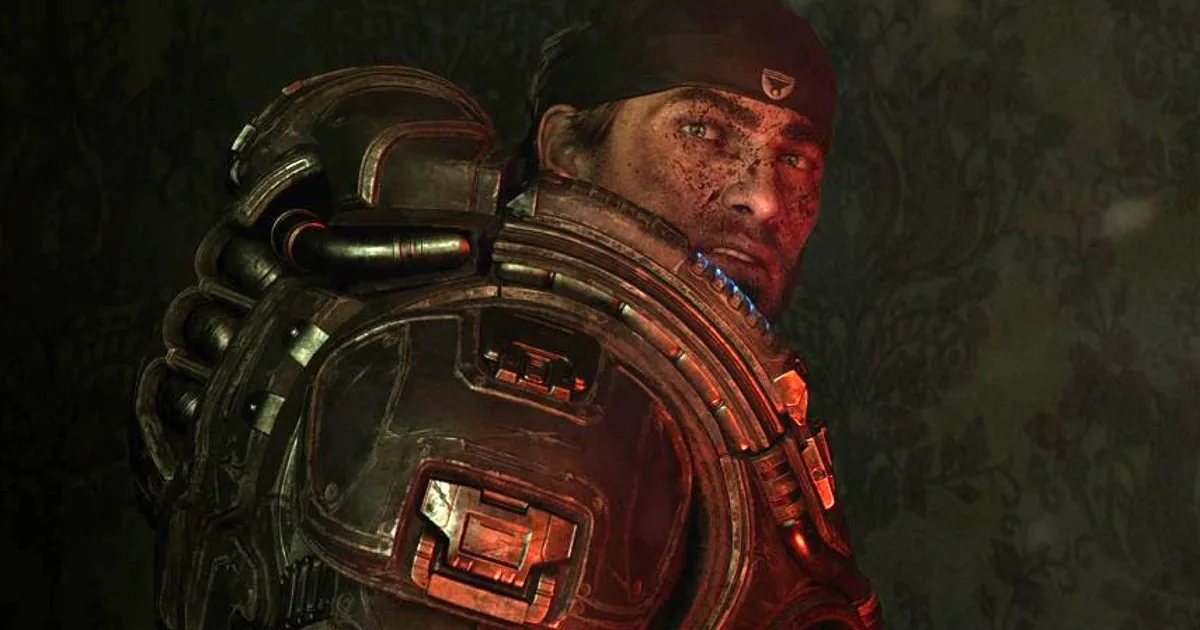
Solo players attempting to experience the narrative campaign also felt the sting of connection drops. The story follows young soldiers Marcus Fenix and Dominic Santiago during the brutal opening hours of the Locust invasion in the industrial city of Kalona. While the campaign supports split-screen play for two players on console and four-player online co-op, network errors disrupted session invites and progress tracking for those hunting Gears of War: E-Day achievements and weapon upgrades. The Pendulum Wars lasted 79 years. Squadmates ex-Gear Mags Carter and rookie Lucas Reyes round out Bravo Squad as the Coalition of Ordered Governments scrambles defenses [4].

Gears E-Day Early Player Milestones and Revenue Estimates
The server attack landed during a critical window when Microsoft needed strong early momentum for its latest flagship release. Early sales showed strong interest. While official sales figures remain under wraps, market intelligence from Alinea Analytics analyst Rhys Elliott provides a look at how the game performed on different platforms. According to Elliott’s data, the prequel generated over $37 million in gross revenue during its initial launch days on consoles and PC. That revenue figure includes direct retail purchases, digital microtransactions, and premium early access upgrade packs sold to subscription members [5].
Unit sales tell only part of the commercial story for a modern Microsoft release. Steam led direct purchases. Elliott estimated that direct purchases reached approximately 230,000 copies, with 168,000 copies sold on Steam and 62,000 bought on Xbox consoles and Windows PC storefronts. Those retail numbers don’t reflect the massive influx of players who accessed the title through subscription libraries. Around 1.7 million players reportedly jumped into the shooter through Game Pass during its first week live. That tally highlighted the shifting balance between traditional box sales and subscription distribution [5].
Monetization also received a substantial lift from early access passes. Early access opened October 1. More than 722,000 Game Pass subscribers paid an additional $30 to purchase the Premium upgrade, which unlocked extra content and granted early game access beginning October 1. Enthusiastic buyers who bought the standalone $99.99 Premium Edition also gained entry five days ahead of the standard October 6 release date. Altogether, nearly one million players paid money upfront to play the title, and those upgrades offset the smaller volume of traditional retail copies sold on store shelves [5].

Online Stability and Lingering Support Updates
As normal service resumed, developer The Coalition and co-developer People Can Fly shifted their focus toward ongoing monitoring and server fortification. Co-development bolstered production. People Can Fly, known for creating frantic action titles like Bulletstorm and Painkiller, assisted with production following studio restructuring and project cancellations last year. With both studios coordinating on post-launch stability, engineering teams are keeping a watchful eye on server traffic to prevent follow-up assaults from knocking services offline during upcoming peak periods [1].
Despite the quick resolution of the DDoS incident, players are still waiting for patches to address several gameplay quirks. Reviewers noted that allied artificial intelligence in the campaign occasionally fails to revive downed players during intense firefights with Locust heavies. In performance tests on Xbox Series X, minor framerate hitches cropped up during dense city skirmishes in Kalona. Critics recommended playing in Performance Mode rather than Quality Mode. The Coalition hasn’t announced the release date for its first post-launch patch, but players expect performance fixes to arrive shortly [4].
For now, online lobbies have returned to regular operation across all regions. Players can team up for co-op campaigns or jump into competitive Warpath matches without enduring hour-long queues. Support teams at Xbox continue to track network health and request that players report any lingering disconnects through official customer help portals. If The Coalition’s updated server defenses hold firm, the rocky launch weekend will quickly become a minor footnote in the prequel’s broader lifespan [3].
- ONLINE NEWS Warren, M. (2026, October 12). Gears of War: E-Day DDoS attacks are to blame for “intermittent disconnects” and “login issues”, The Coalition confirm. Rock Paper Shotgun. [Article Link]
- ONLINE NEWS Walker, J. (2026, October 12). Gears Of War: E-Day Was Taken Down By DDoS Attack, Developers Confirm. Kotaku. [Article Link]
- ONLINE NEWS Purchese, R. (2026, October 12). Gears of War: E-Day login issues and server cashes are because of someone’s DDoS attacks, and Xbox says service “is back to normal”. Eurogamer.net. [Article Link]
- ONLINE NEWS McCaffrey, R. (2026, October 12). Gears of War: E-Day Is a Prequel That Returns to the Heart of This Series, With a Campaign That Stands Toe-to-toe With Any of the Others – Review. IGN. [Article Link]
- ONLINE NEWS GR Staff. (2026, October 11). Gears of War: E-Day Brings In Over $37 Million. Gamereactor. [Article Link]
- WEBSITE Clarke, J. (2026, October 12). Gears of War: E-Day Suffers DDOS Attacks Causing Player Disruption. PlayDayOne. [Article Link]


