





Google announced on October 29 that it is expanding sponsored ads in its AI search tools to ten new international markets. The feature, known as Google AI Mode, will show paid product listings to users in Australia, Canada, India, Kenya, Malaysia, New Zealand, Nigeria, Pakistan, the Philippines, and Singapore. The rollout came with Alphabet’s third-quarter financial results, where company executives said that rapid query growth in chat search tools currently yields lower monetization than standard web search [1].
Google AI Mode Expansion Markets
Outside the United States, web users previously searched without seeing paid promotions in AI search results, but that ad-free window is ending as Google brings retailer links into Google AI Mode queries across ten expansion countries [2]. Google plans to add Brazil, Mexico, and the United Kingdom in the fourth quarter of 2026 [1]. The global rollout begins immediately [3].
Google began testing conversational ads this year. At the annual I/O 2026 conference in May, company representatives stated that AI Mode had crossed 1 billion monthly active users worldwide, marking substantial adoption for the conversational search product [2]. Although standard search queries still deliver roughly half of Alphabet’s overall income, conversational queries don’t deliver equal returns because people ask detailed questions and receive complete answers without clicking through to third-party publisher websites. That drop cuts ad impressions per search visit. To offset that loss, Google is scaling sponsored product listings to make AI interactions profitable before demand for older search inventory falls off a cliff [1].
During Alphabet’s third-quarter earnings call, Chief Business Officer Philipp Schindler said conversational traffic puts pressure on revenue growth. Schindler said: “It’s worth noting that the strong growth in AI Mode queries had an impact because of the lower monetization we’re seeing in AI Mode. To be clear, we feel very good about our trajectory here. Our ad experiments have shown promising results and we’re now scaling ads within both AI Overviews and AI Mode to more users and more queries” [1].
Multiturn Ads in the US
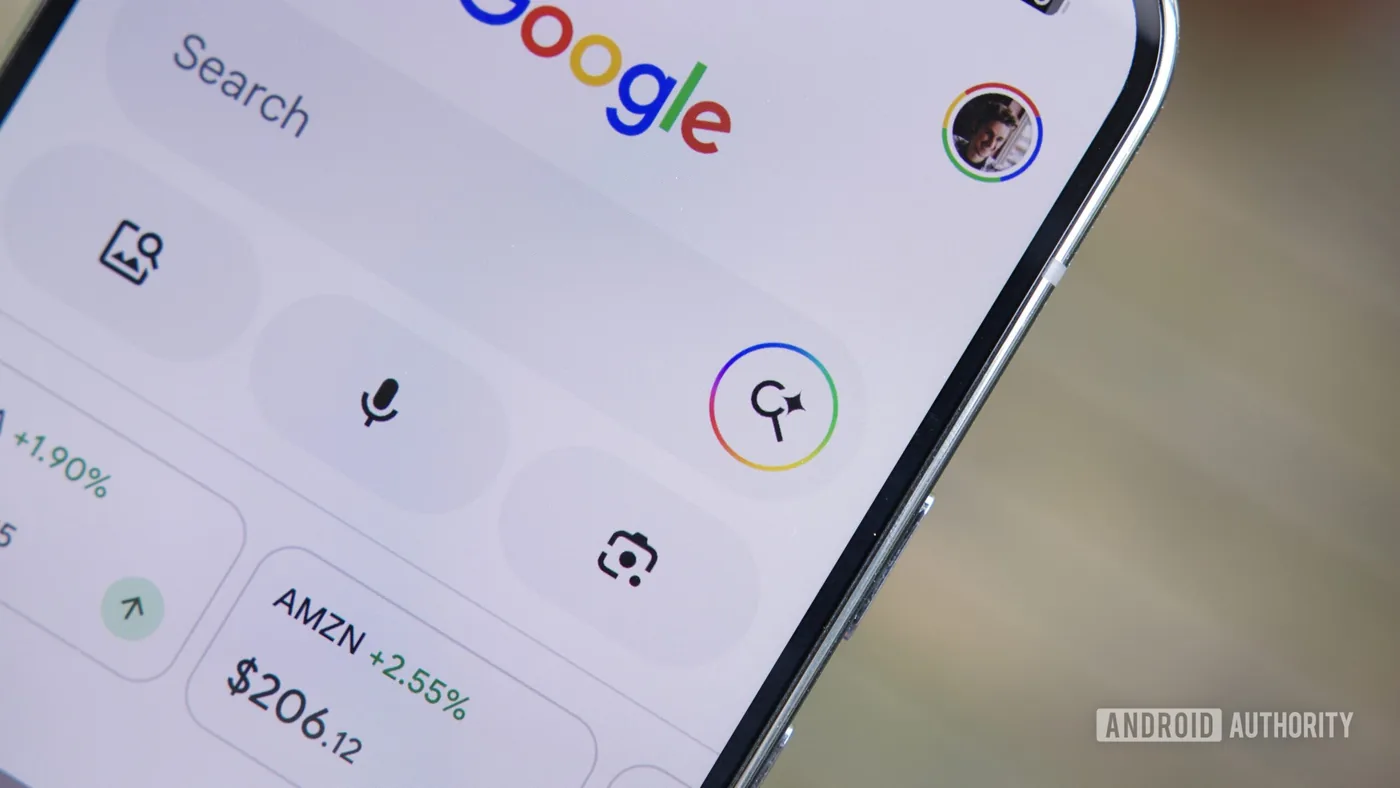
In the United States, Google is rolling out multiturn ads to capture shopper interest during ongoing conversations. Standard search pages show paid links only once on the primary result list. Multiturn systems work differently by inserting sponsored suggestions into subsequent follow-up interactions [2]. If someone asks for top-rated laptops and then submits a follow-up query specifying models under $1,000, sponsored retail placements appear within that secondary response [3]. The conversational engine parses chat history to show relevant hardware cards from participating stores, keeping commercial offers visible as people explore complex topics without returning to the primary search bar [1].
Google earlier added sponsored and Gemini-related content to AI search tests, and is now testing direct offers, conversational discovery units, and highlighted answers [2]. Reporting on the update at 3:04 AM ET on October 29, Android Authority noted that AI-generated results will now regularly display retailer links [3]. For example, asking for low-maintenance ways to make a room smell like a forest returns practical tips paired with paid diffuser suggestions [2].
All commercial recommendations in conversational panels carry a clear Sponsored label to distinguish them from standard algorithmic guidance [3]. Shashi Thakur, Google VP and GM of Ads on Google Experiences, explained the testing process behind these units. Thakur said: “We’ll continue testing new formats to ensure ads remain helpful and relevant” [2]. Transparent labeling helps as Google navigates legal scrutiny over how search displays separate paid inventory from automated summaries, particularly after a federal judge reviewed how antitrust lawsuits challenging Google AI Overviews addressed market dominance in web discovery. Distinct visual badges help shoppers spot paid merchandise instantly [3].

How Google AI Mode Handles Clicks
Search habits in Google AI Mode differ from standard web browsing [3]. Users spend about three times as long reviewing answers as they do on standard search result lists [1]. People type full explanations of what they need, supplying rich details about personal budgets, preferred brand features, and specific project goals [3].
Google claims that users welcome these new ad formats [1]. According to company disclosures, click-through rates for sponsored items in conversational search match the rates recorded for organic product listings, where click-through rate defines the ratio of clicks relative to total impressions on screen [2]. When sponsored links match user requests closely, shoppers tap paid cards as often as organic links [1]. User reactions in new countries remain untested [3]. Longer browsing sessions give Google more chances to show ads, but balancing user satisfaction with commercial volume presents an ongoing hurdle as the company scales promotional formats in international territories [1].
The expansion has sparked questions about whether free standalone Gemini accounts might receive ads next. Google currently restricts free Gemini tiers to lighter models, keeping advanced tools behind paywalls. The ad expansion connects with wider company strategies where Google connects personal intelligence data to targeted search ads to monetize user activity. No commercial ads have appeared in the standalone Gemini mobile app so far [2].
Wall Street Reaction to Earnings
Alphabet’s earnings release triggered a swift drop in global financial markets, sending company stock down by 27 points. Shares fell 12% to trade around $280 on October 29, lingering just above their March 30 low of $273.14. The drop erased more than $500 billion from Google’s total market value. According to NBC News, the decline is the second-biggest market capitalization loss in corporate history, trailing only Nvidia’s $589 billion drop in 2025. Core search ads still account for roughly half of Alphabet’s total income, so any signal of slowing growth in web search creates immediate worry among institutional shareholders [1].
In the Inbox newsletter, Daniel Bader analyzed investor anxiety surrounding heavy capital expenditure on computing facilities. Investors worry that spending billions on data centers will hurt profits if generative tools can’t be monetized effectively. Bader said Google must monetize conversational queries before traffic to standard search pages drops off [1].
Ad Revenue Pressure From Meta
While Alphabet works to expand ad formats, competitor platforms are growing ad revenue at a faster rate. Meta reported third-quarter revenue of $63.1 billion, propelled by a 26% year-on-year (YoY) increase in advertising on Facebook, Instagram, and WhatsApp. In contrast, Google Search generated $63.4 billion, reflecting a 12% YoY gain. Meta’s $63.1 billion ad total sits just behind Google Search, showing that social feeds and direct messaging apps are capturing ad budgets that once favored search engines [2]. Meta’s advertising momentum pushes Google to unlock fresh commercial inventory in every query format [1].
Advertising growth at rival firms shows why Google can’t leave conversational answers unmonetized. Advertisers seek platforms with high engagement and clear attribution. Because users spend longer in chat search, Google sees paid listings as an important way to keep advertising dollars inside its network [1].
Google says commercial expansion will improve search usefulness rather than degrade answer quality for global consumers. Still, user tolerance for commercial listings inside Google AI Mode remains untested in foreign markets where searchers were accustomed to an ad-free interface [3]. If sponsored product recommendations appear too often or feel irrelevant to complex inquiries, people might switch to competing tools or retail apps [2]. As Alphabet balances the electricity and hardware costs of data centers against advertiser expectations, chat search will feature more commercial formats in the coming months [1].
- ONLINE NEWS Schoon, B. (2026, October 29). Google stock drops amid AI fears; AI Mode has ‘lower monetization,’ getting more ads. 9to5Google. [Article Link]
- ONLINE NEWS Jardinico, J. B. (2026, October 29). Google is sneaking more ads into AI Mode searches. Android Police. [Article Link]
- ONLINE NEWS Sood, S. (2026, October 29). Google AI Mode is getting more ads, whether you like it or not. Android Authority. [Article Link]


