





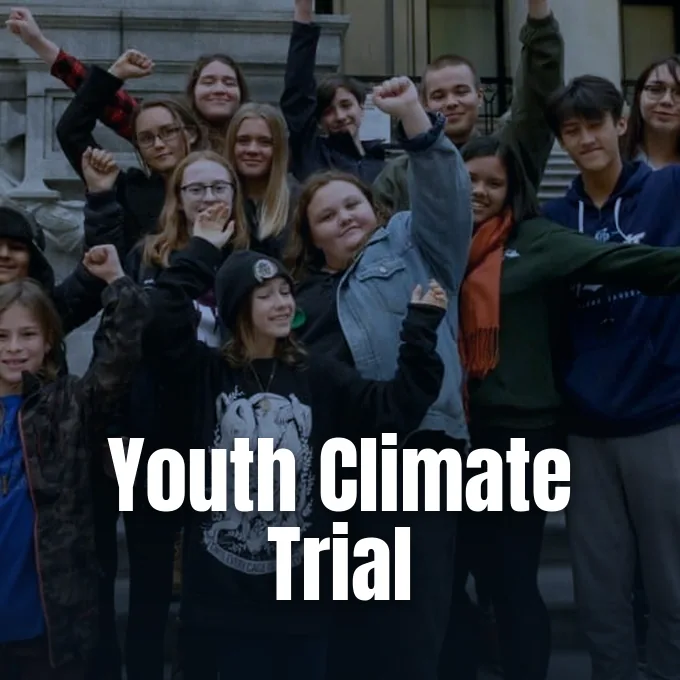
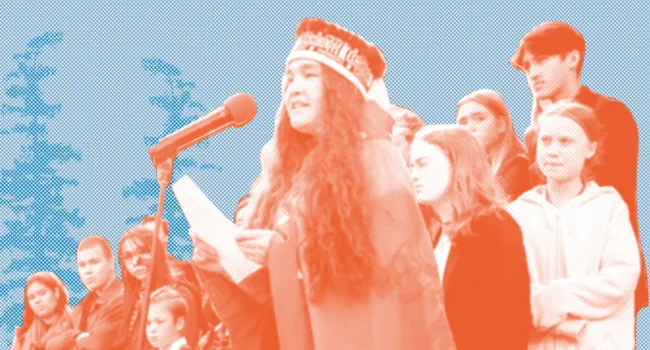
On October 26, 2026, fifteen young Canadians will face the federal government before the Federal Court in Vancouver. The five-week youth climate trial, known formally as La Rose v. His Majesty the King, tests whether federal emissions targets and fossil fuel support violate fundamental rights under the Charter. The plaintiffs, aged 17 to 24, argue that official climate policies put their safety and health at risk. Government lawyers maintain that the lawsuit asks judges to overstep their constitutional role. The proceedings place personal accounts of wildfire smoke and flooding directly before a judge [5].
Youth Climate Trial Takes Shape in 2019
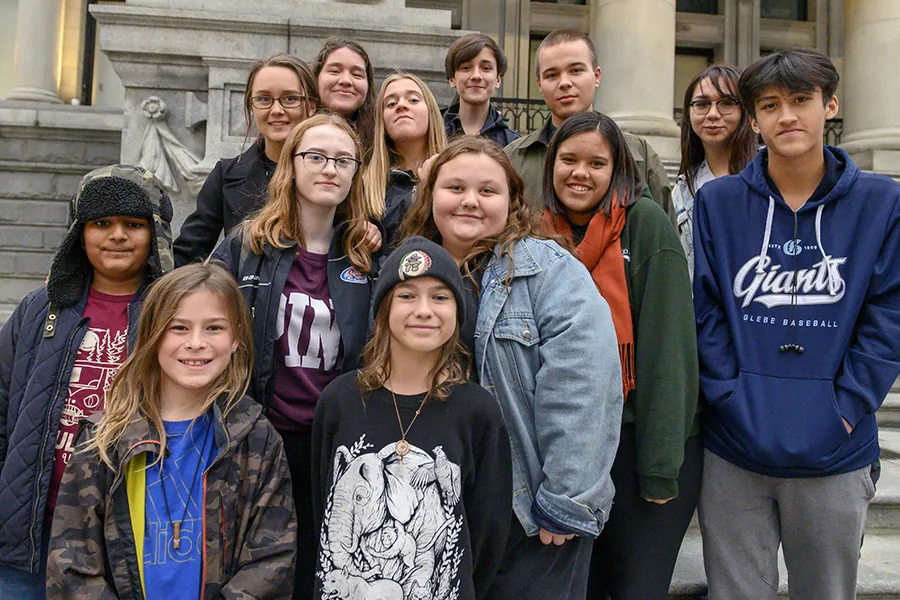
The legal contest began on October 25, 2019, when fifteen children and youth filed an action in Federal Court against Canada and the Attorney General of Canada. At the time of filing, the young plaintiffs resided in seven provinces and one territory, ranging in age from 10 to 19. They sought judicial intervention [1].
Legal charities and private law firms quickly mobilized to support the youth in their constitutional challenge against the state. Lawyers from Arvay Finlay LLP, Webster Hudson & Coombe LLP, and West Coast Environmental Law joined the legal team, partnering with Our Children’s Trust to represent the youth [4]. The plaintiffs claimed that Ottawa promoted dangerous emissions levels by adopting reduction targets that conflicted with climate science. The young people argued that federal support for high-emission industries caused grave harm and breached a duty to protect natural resources vital to human survival [1].
Federal attorneys moved to dismiss the lawsuit before any witnesses could testify. The government argued that the claims fell outside permissible judicial review because they did not target a specific law. Government attorneys argued that the youth wanted courts to judge whether the cabinet was governing well, an outcome that would improperly interfere with Parliament [1].
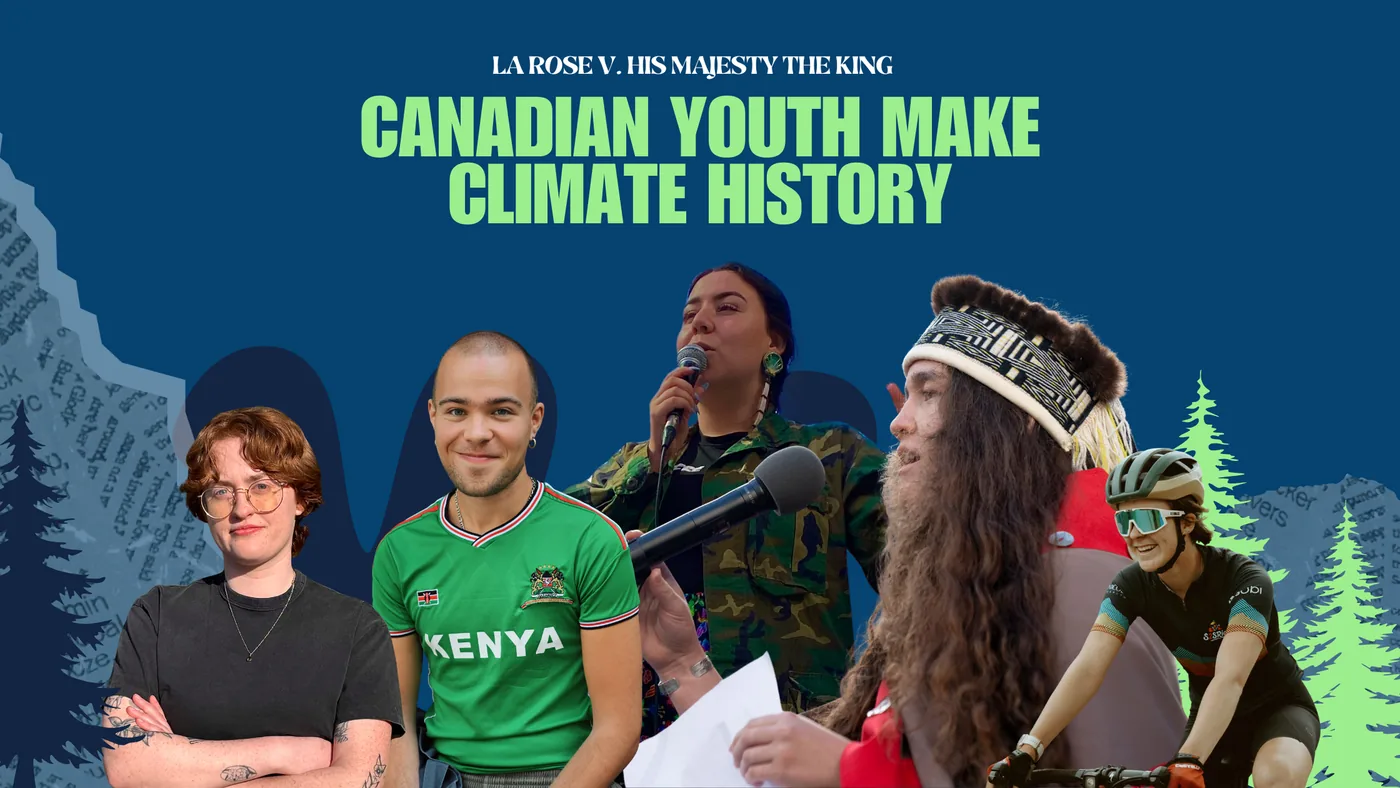
The Road Through Federal Courts
In October 2020, the Federal Court granted Canada’s motion and struck the action without leave to amend, ruling that the pleadings were too diffuse for constitutional adjudication under the Charter. Canadian law recognized no public trust doctrine [1].
The youth appealed the dismissal on November 24, 2020, joining their challenge with an appeal brought by members of two Wet’suwet’en House groups in the Misdzi Yikh proceeding. The appellate bench ruled on December 13, 2023. Writing for a unanimous Federal Court of Appeal, Justice Rennie explained that the climate harms alleged by the young people were not manifestly incapable of proof. The claim was not destined to fail. Accordingly, the appellate court granted the plaintiffs leave to amend their Section 7 claim to challenge specific state enactments, while upholding the dismissal of their equality and public trust arguments [1].
The plaintiffs filed an amended statement of claim in May 2024 and submitted a further revised pleading in January 2025, moving the lawsuit directly into pretrial discovery and expert disclosure. The sides exchanged scientific and economic reports. In June 2026, the Federal Court resolved disputes over the admissibility of expert affidavits, clearing the final procedural hurdle before trial [1].
Youth Experiences Across Canada
The legal claims rest on real disruptions experienced by young plaintiffs living in northern communities. In Yukon, 22-year-old plaintiff Leandrea Taylor Reeves, a member of the Taku River Tlingit First Nation, watched warming change local plant life. Her community gathers leaves and flowers from Labrador tea (Rhododendron groenlandicum) to make a traditional tea for coughs and colds. When Reeves searched the boreal forest for medicine, she found only one short bush with a tiny yield. She handed her grandmother a plastic bag with only the bottom filled. “Nana,” Reeves said, “There are none there” [3].
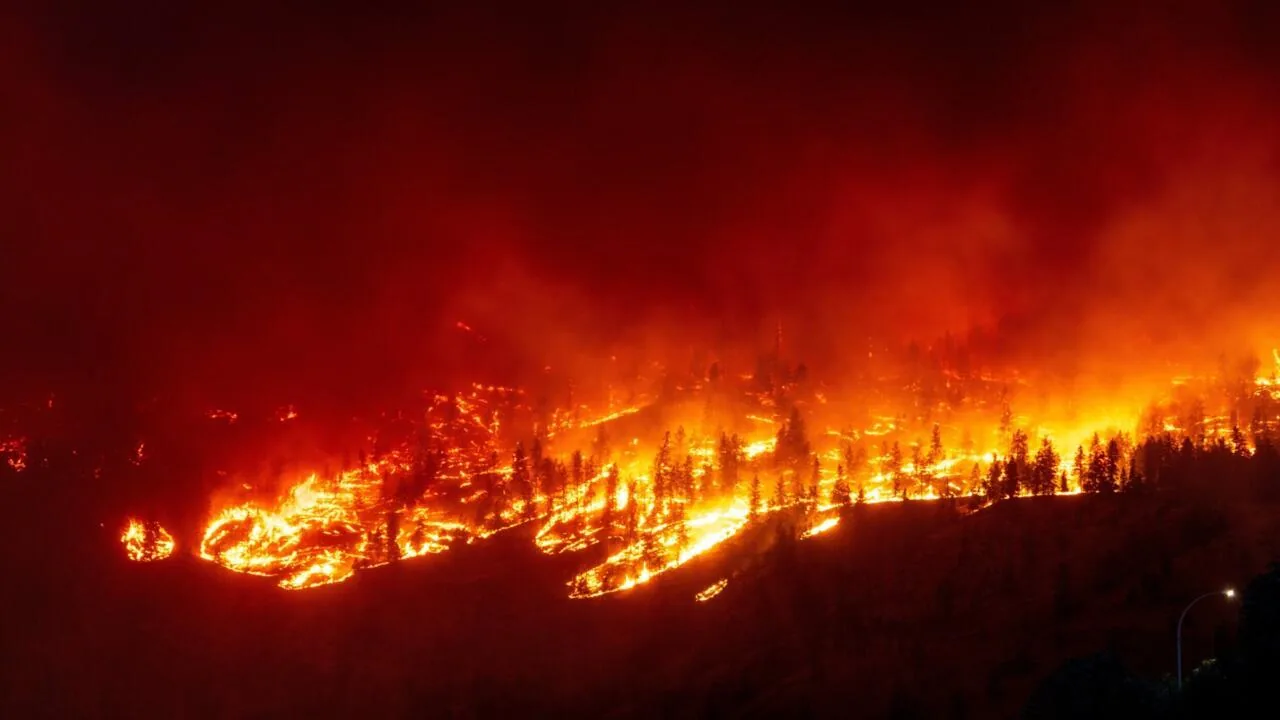
Wildfire danger brought sudden disruption to Kira Young in the Northwest Territories, where approaching flames in the summer of 2023 forced an evacuation order for nearly 20,000 residents. Young fled Yellowknife. The 20-year-old packed essential belongings into a car and drove 18 hours south to safety. Young said the lawsuit shows that climate change is a problem society can still solve [2].
Flooding altered childhood memories for Sadie Vipond, whose family fled rising waters along the Bow River in Calgary during the destructive deluge of June 2013. “That was pretty scary with the evacuation,” Vipond said. The memory persisted [8]. In Montreal, 24-year-old plaintiff Albert Lalonde said young people face difficulties planning a future while ecosystems decline. Co-plaintiff Lauren Wright, 22, said Canadians deserve accountability when federal leaders miss national emissions goals [2].

Why the Youth Climate Trial Focuses on Section 7
Following the appellate ruling, the plaintiffs narrowed their legal arguments to target specific federal enactments. At the center of the youth climate trial sits the Canadian Net-Zero Emissions Accountability Act of 2021 and the accompanying 2030 emissions reduction plan. Section 4 of that statute sets a target of net-zero emissions by 2050, while Section 9 requires milestone plans. The plaintiffs argue that this statutory scheme allows emissions to rise in the near term, locking in dangerous warming. They contend that setting emissions targets incompatible with scientific reality deprives them of protected Charter rights [1].
Can fundamental constitutional rights compel positive state action during an ecological crisis? In the 2002 decision Gosselin v. Quebec, the Supreme Court of Canada left open the possibility that special circumstances might create positive obligations under Section 7. The high court described the Charter as a living tree capable of growth within natural limits. The youth argue that the climate crisis presents exactly such exceptional circumstances [1].
The plaintiffs must also establish a sufficient causal connection between federal statutes and the harms they experience, satisfying the strict threshold established by the Supreme Court in the 2013 Bedford ruling. The youth claim that rising temperatures interfere with fundamental personal choices, including where to live, study, and raise children. They argue that imposing foreseeable harm on young citizens violates principles of fundamental justice because the statutory burden is arbitrary and grossly disproportionate to any legitimate governmental objective [1].
Federal Targets and the Defense Position
Federal attorneys reject the claim that national statutes violate fundamental Charter rights. In their amended statement of defense, government lawyers argued that the plaintiffs failed to establish any direct causal link between the Net-Zero Act and specific climate damages complained of in the action. Ottawa noted that the statute actively seeks to reduce greenhouse gas emissions rather than encourage environmental harm. The policy stands [1].
Political developments in Ottawa have also altered the debate over national emissions rules. Prime Minister Mark Carney has voiced support for increased oil production, describing the resource sector as an important safeguard that limits Canadian financial reliance on the United States. Carney has also acknowledged that ambitious emissions reduction targets previously set by former prime minister Justin Trudeau are no longer feasible under current economic conditions. That policy shift drew sharp reactions from the youth plaintiffs. In Montreal, Albert Lalonde said young people feel national climate policy is backsliding toward the 1970s [2].
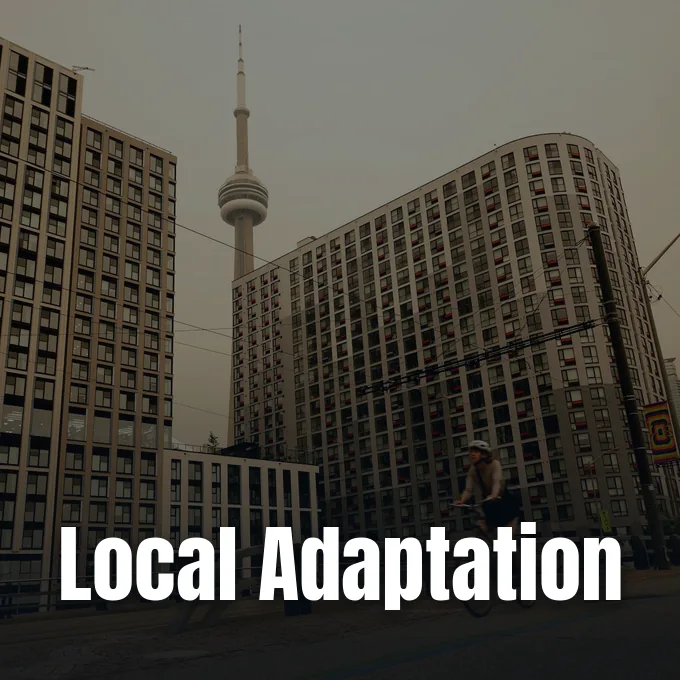
Federal scientific monitoring confirms rapid regional warming across the country. A federal report released in September 2026 revealed that domestic warming since 1970 reached roughly double the pace observed worldwide. In northern Quebec, severe fires scorched timberlands around Normetal during the 2023 fire season. Thick haze reached southern cities [2]. While federal attorneys argue that national rules cannot control worldwide emissions, the youth reply that Canada must align its statutory schemes with documented ecological realities [1].
Broader Stakes for Climate Accountability
The Vancouver proceedings unfold amid an expanding international wave of rights-based climate litigation before senior courts. In 2024, the European Court of Human Rights ruled in favor of older Swiss women who claimed that insufficient climate action violated their human rights. The following year, the International Court of Justice issued an advisory opinion confirming that sovereign states bear legal duties under international law to protect climate stability for both present and future generations. In contrast, young plaintiffs in the United States faced setbacks when a federal judge dismissed a lawsuit challenging pro-fossil-fuel energy policies supported by Donald Trump [2].
Parallel challenges are also advancing through Canadian legal channels. In Ontario, young litigants represented by Ecojustice and Stockwoods LLP in the Mathur case convinced the Court of Appeal that provincial emission targets must comply with Charter rights. In federal court, Ecojustice defeated a motion to strike its judicial review under the Net-Zero Act in September 2026. Another lawsuit brought with Goldblatt Partners LLP challenges the Canada Pension Plan Investment Board, commonly known as CPPIB, over unmanaged fossil fuel risks [4].
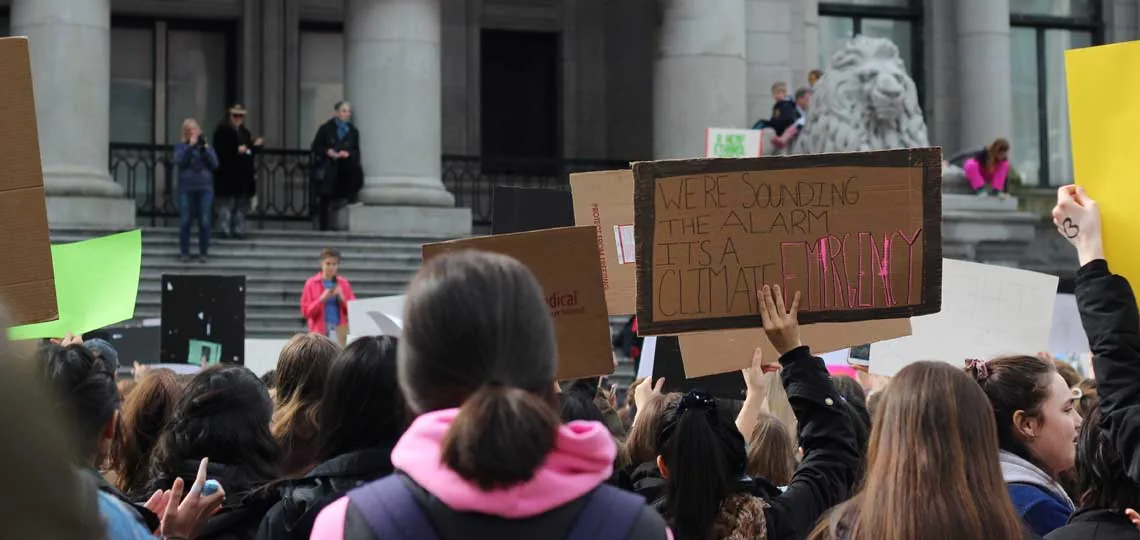
Hearings in Vancouver will run for five weeks, with closing arguments expected during the week of February 22, 2027. Public supporters organized by the David Suzuki Foundation plan to gather outside the Federal Court at Pacific Centre before proceedings begin at 8:30 a.m. on October 26. A public viewing session will livestream proceedings from the Vancouver Art Gallery on Hornby Street, accompanied by an evening rally on the unceded territories of the Musqueam, Squamish, and Tsleil-Waututh Nations [5]. By bringing accounts of environmental loss into a federal courtroom, the youth climate trial forces government climate choices into public debate [6].
- WEBSITE Savard, C. (2026, October 20). La Rose heads to trial: Key issues in Canadian climate change adjudication. Climate Law Blog. [Article Link]
- ONLINE NEWS Agence France-Presse. (2026, October 6). Young Canadians sue government over alleged climate failures. France 24. [Article Link]
- ONLINE NEWS Mongabay. (2026, October). Ahead of landmark climate trial in Canada, Indigenous youth eye impacts in the North. Mongabay. [Article Link]
- WEBSITE Mullany, M. (2026, October 20). Four youth-led climate cases you should know about. Ecojustice. [Article Link]
- WEBSITE Our Children’s Trust. (2026, October 14). Youth v. Canada: Trial headquarters. [Article Link]
- ONLINE NEWS Suzuki, D. (2026, October 14). Historic youth climate case is going to trial. Rossland Telegraph. [Article Link]
- ONLINE NEWS Suzuki, D. (2026, October 14). Historic youth climate case is going to trial. Castlegar Source. [Article Link]
- ONLINE NEWS Inside Climate News. (2026, October 23). A landmark youth climate trial against the Canadian government is about to begin. Inside Climate News. [Article Link]
APA 7: PerEXP Teamworks. (2026, October 24). Canadian Youth Climate Trial Opens over Federal Emissions Policy. PerEXP Teamworks. https://perexpteamworks.com/en/youth-climate-trial-canada-vancouver/


