





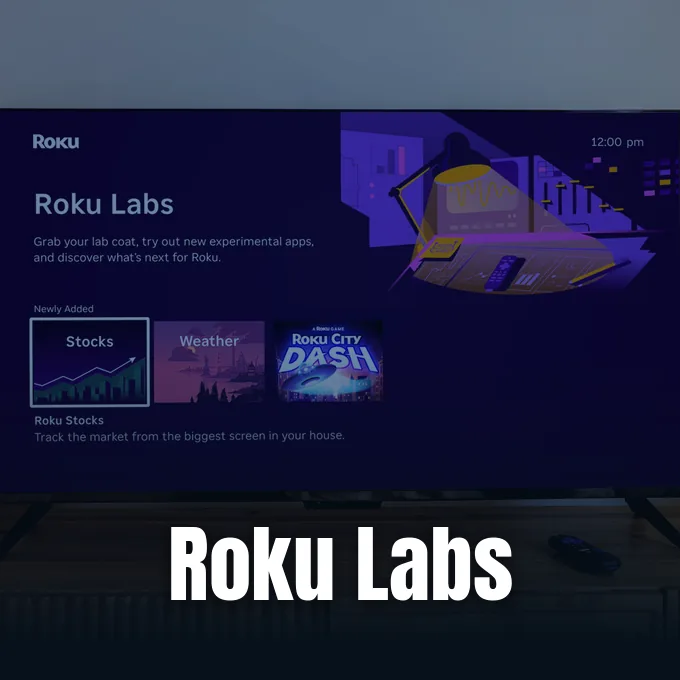
Television home screens are transforming into public test benches for unreleased software. On Thursday, Roku unveiled its latest update to Roku OS, introducing a dedicated testing ground called Roku Labs to deliver in-development software directly to living rooms. The initiative allows viewers to test early applications on television screens before broad release. Roku announced that United States customers can enter the environment immediately through a new interface tile. [1][2]
Roku Labs Arrives on Connected Screens
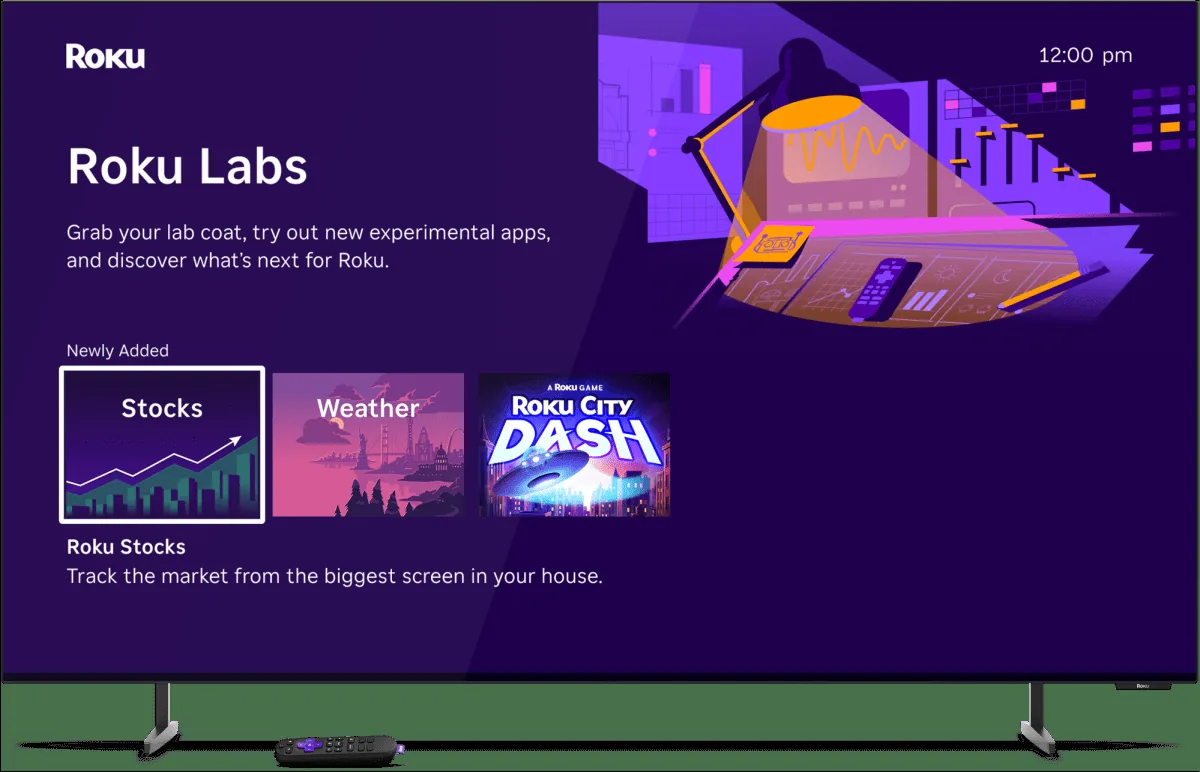
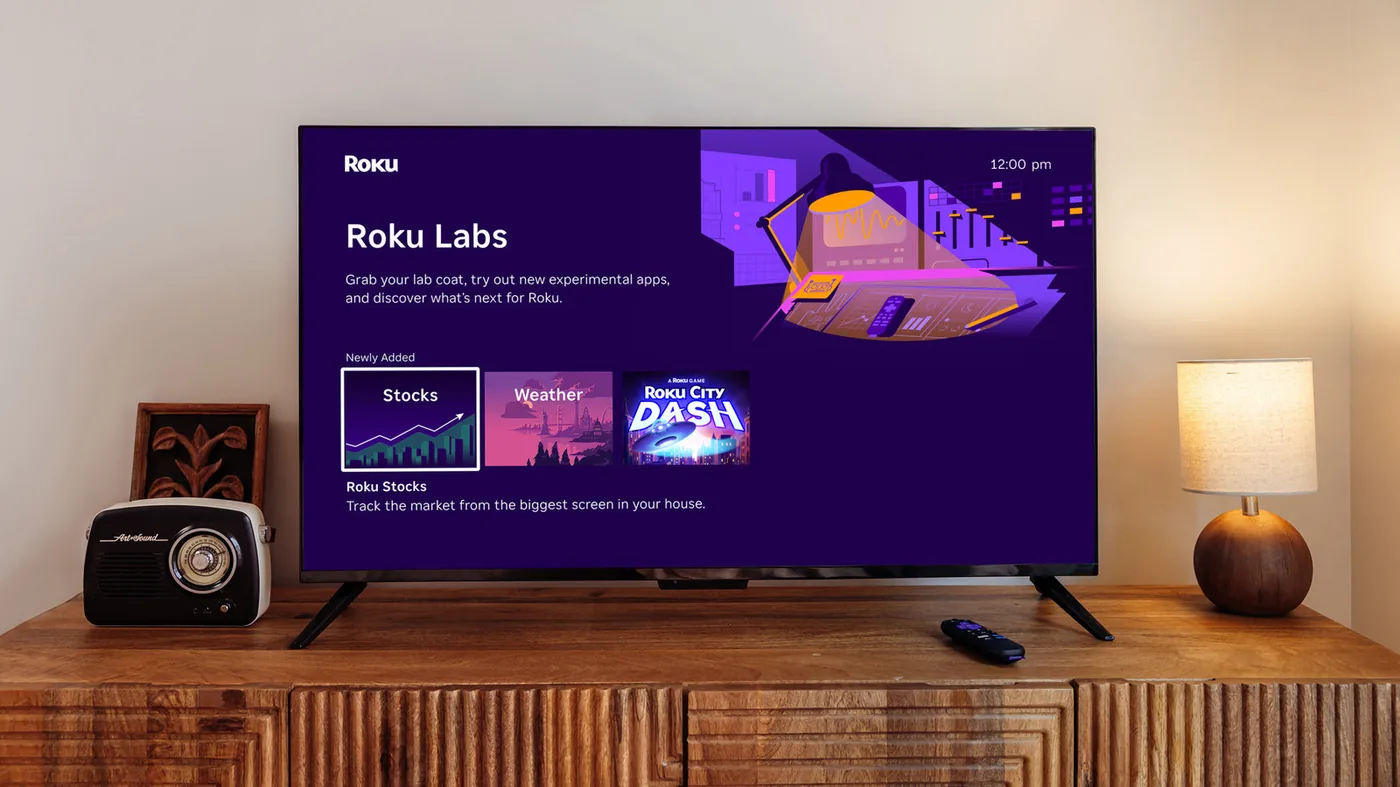
A new icon now sits on the main navigation grid of Roku OS. Viewers turning on their televisions can open Roku Labs by selecting a dedicated home screen tile (a permanent navigation square) that requires no enrollment fee or private invitation code. Roku designed the experience to place still-in-development applications in front of ordinary television owners rather than confining experimental code to internal testing teams. The tile opens instantly. [1][2]
Unlike invitation tiers such as Xbox Insider, the hub welcomes all hardware owners. The program requires no waitlist. Anyone can start testing immediately. [2]
Ian Carlos Campbell of Engadget reports that the program launches with four in-development applications designed to collect direct audience reactions during real-world household use. Software developers often struggle to evaluate how living room interfaces perform across varied display sizes, diverse viewing distances, and differing family habits. Roku states that customers who test these experimental builds will be able to submit feedback that directly shapes the engineering trajectory of each concept before general availability. Roku Labs provides that testing pipeline. By gathering impressions directly through the television remote, the streaming hardware manufacturer aims to refine navigation patterns, performance stability, and feature sets based on practical daily usage rather than closed laboratory simulations that cannot replicate living room conditions. Viewer input directly informs engineering decisions. [2]
Four Experimental Apps Enter Testing
The initial deployment brings four distinct utilities into the living room test catalog. Roku owners entering Roku Labs can launch Backdrops Studio, which enables viewers to personalize television backgrounds with selected artwork and digital imagery. For ambient displays, the company introduced Roku Immerse as an alternate method for configuring custom screensavers across idle monitors. Both tools shift the television display from a passive standby screen toward a customizable digital gallery. The tools install quickly. [2]
Utility features occupy the other half of the initial lineup. A dedicated application named Roku Weather supplies local forecasts, precipitation forecasts, and regional temperature details on demand. Beside it, Roku Stocks provides an integrated financial tracker (a dashboard for monitoring market tickers) that displays equity movements directly on the television monitor. Both applications turn connected televisions into ambient information stations when users are not streaming video content. [2]
Sarah Perez of TechCrunch highlights that these additions reflect an expanding corporate strategy. Could simple screen utilities mature into sustainable revenue streams for hardware makers? The company is increasing its direct investment in first-party software that may eventually yield monetizable digital applications. By embedding dedicated utility software directly into the platform through Roku Labs, Roku positions its hardware at the operational center of modern connected households that rely on a single central display for daily information. [1]

Roku Dash Turns Screensavers Into Games
Gaming also enters the experimental catalog through an interactive title called Roku Dash. The game tasks players with flying a UFO through the familiar skyline of “Roku City,” dodging obstacles while navigating across the digital architecture. Roku City is the company’s default ambient screensaver (a looping neon cityscape), recognized for its glowing pink and purple skyline filled with pop culture homages and sponsored advertising panels. Players maneuver across rooftops. [1]
The playful experiment marks a noticeable contrast with competing television ecosystems. Major technology rivals such as Google and Amazon are outfitting their smart television platforms with advanced artificial intelligence assistants like Gemini and Alexa+. While competitors emphasize complex automated summaries and generative assistance on big screens, Roku is investing in proprietary entertainment and native interactive graphics designed specifically for living room remotes. [1]
PerEXP Teamworks previously covered how standalone apps for Roblox creators expand to new stores as digital platforms explore alternative avenues for independent software delivery. Can light casual games capture consistent living room engagement without dedicated console controllers? Roku Dash tests whether television audiences want quick casual gaming experiences directly on their primary video displays, providing engagement data that could inform future first-party game production within Roku Labs as connected platforms explore lightweight gaming formats. [1]
Home Screen Updates Head to International Markets
Roku is also extending its broader platform architecture beyond the domestic United States audience. Over the coming months, the manufacturer plans to distribute its updated, personalized Home Screen layout to television owners across Mexico and Brazil. Viewers in these expanding markets will receive localized entertainment feeds and tailored programming recommendations configured specifically for their regional viewing habits, establishing an adaptable international framework for content curation. [1][2]
Navigation transparency represents another key pillar of the planned operating system updates. Roku intends to upgrade its platform search engine by presenting clear explanations that tell viewers why specific content appears in the order it does. Instead of presenting opaque algorithmic recommendations, the interface will clarify the sorting logic that determines search rankings across movies, series, and streaming channels. The system explains placements. [2]
Voice controls are receiving parallel functional improvements across connected devices. The Roku Voice assistant will soon possess the capability to answer spoken meteorological questions directly through remote microphones. Users will be able to request current forecasts or temperature updates by speaking naturally into their remote controls, eliminating the need to open a separate forecasting application to check weekend conditions across regional television setups. [1][2]
Open-Sourcing Roku LT OS for Developers
Beyond consumer-facing entertainment software, Roku is opening its hardware infrastructure to external programmers. The company announced that it is open-sourcing Roku LT OS, the lightweight operating system (an embedded platform for peripheral devices) that powers Roku remotes and smart home hardware. By publishing the underlying code base, Roku invites outside engineers, makers, and independent developers to build custom accessories and specialized hardware solutions. The underlying code is open. [1][2]
Hardware experimentation will require no financial investment from independent inventors. Engadget reports that Roku will provide the official software development kit for free, together with a comprehensive video training series designed to guide engineers through building bespoke hardware projects. This open approach provides hobbyists and industrial designers with the technical resources needed to interface directly with Roku’s peripheral ecosystem without reverse engineering device firmware. The kit costs nothing. [2]
On the distribution side, Roku is launching bundled subscription packages for customers in the United States and Mexico. Viewers can mix and match subscription tiers from smaller specialized services including AMC+, Fox ONE, Hallmark+, Howdy, and Starz. Purchasing these services in flexible packages is typically more affordable than paying for each plan on an individual à la carte basis. The bundled model allows niche streaming platforms to reach broader audiences while giving households lower monthly bills for specialized content that would otherwise require multiple separate billing transactions. [1]
- ONLINE NEWS Perez, S. (2026, September 17). Roku’s new Labs hub brings experimental apps to the big screen. TechCrunch. [Article Link]
- ONLINE NEWS Campbell, I. C. (2026, September 17). Roku is giving users access to experimental apps with Roku Labs. Engadget. [Article Link]


