





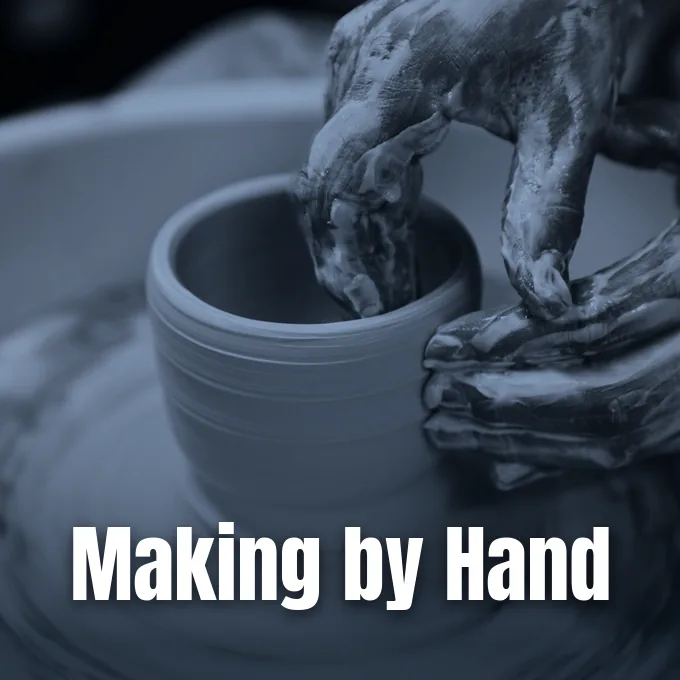
In an extensive scoping review published in the journal Psychology & Marketing, researcher Mia Birau analyzed empirical evidence from 181 studies to determine why manual work continues to benefit people in high-tech societies [1]. While smart gadgets brew morning drinks and organize work calendars, handcraft projects provide clear psychological and physical advantages that digital algorithms cannot replicate in daily human routines [9]. Engaging in handmade activities protects human health by balancing screen convenience with personal craft effort at every age [1].
How Handmade Activities Relieve Stress
In an opening case described by Birau on Phys.org, an office worker named Alex wakes at 7 a.m. to an alarm, requests an Alexa device to set the temperature to 20 degrees, and prepares for a tense 8:30 meeting. However, pausing to trim new shoots and dead leaves on a small windowsill bonsai immediately interrupts Alex’s morning anxiety and pushes workplace stress into the background [9]. In Birau’s paper, 38 studies tracked the mental health gains of handmade activities, while another 35 papers showed how manual tasks build feelings of control and personal independence [1].
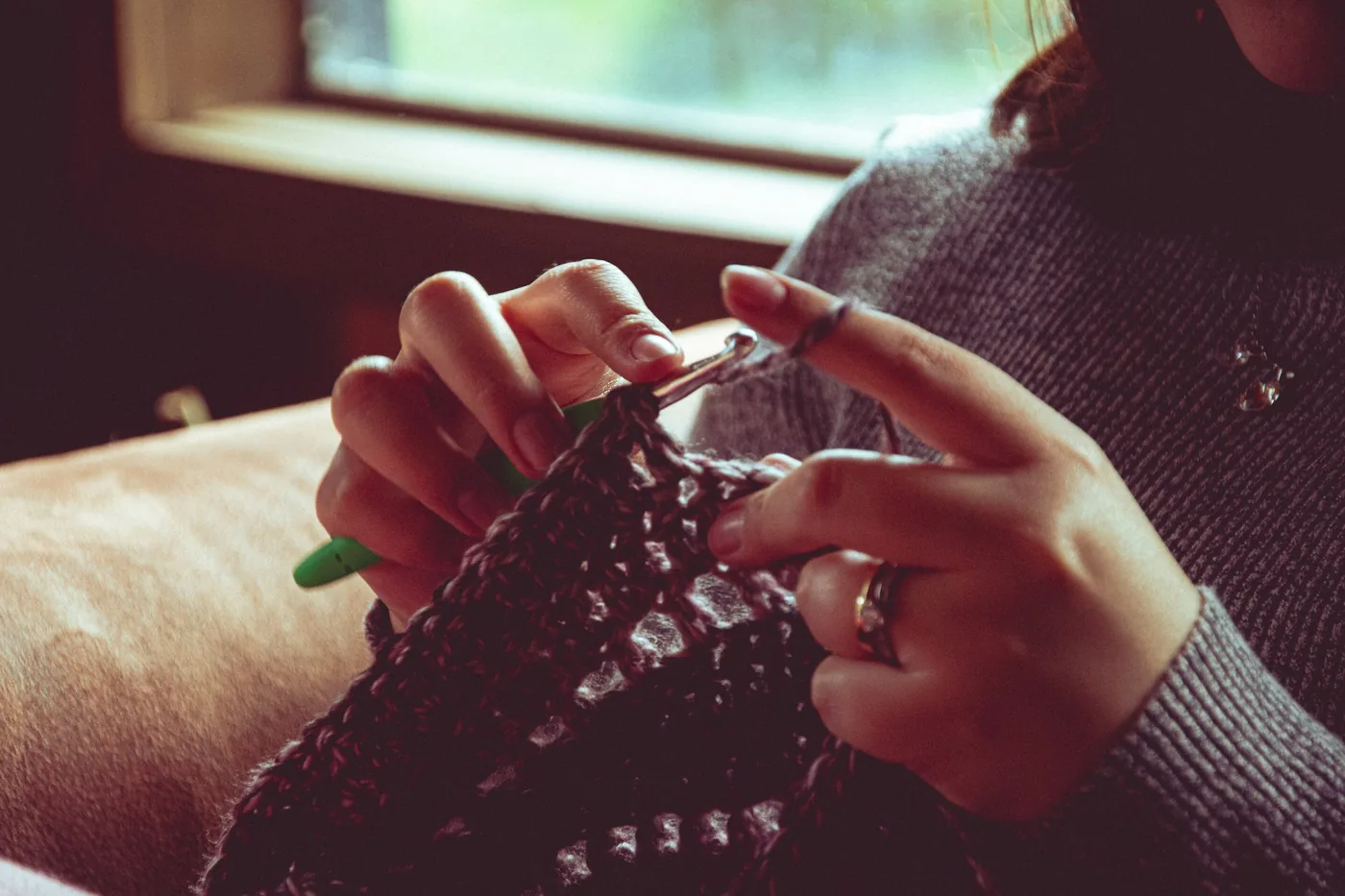
Survey data shows how yarn craft lifts mood over time. In an international study in the British Journal of Occupational Therapy, researchers Riley, Corkhill, and Morris analyzed survey responses from 3,545 knitters to evaluate personal and communal well-being outcomes. The authors established a significant statistical connection between frequent knitting and subjective feelings of calm, personal happiness, and sharper cognitive functioning in everyday life. Furthermore, knitters who joined local circles reported increased happiness through regular peer conversations and felt far less lonely in their home neighborhoods [2].
Handcrafted objects provide clear proof of personal capability [8]. When crafters mold clay or sew fabric, prompt sensory touch feedback reinforces personal competence and self-directed agency. The maker takes charge [1].
Valuing Objects Through the IKEA Effect
Manual assembly work fundamentally alters how consumers evaluate manufactured goods. In an experimental investigation in the Journal of Consumer Psychology, scholars Norton, Mochon, and Ariely identified the IKEA effect across four separate laboratory trials with consumers. Participants who assembled IKEA cardboard boxes, folded paper origami figures, or built Lego sets rated their amateur products as equal in value to expert creations, expecting other buyers to share their high appraisals. However, Norton, Mochon, and Ariely proved that labor leads to love only when builders complete their work, because the valuation boost vanished whenever volunteers failed or destroyed their assemblies [3].
Student motivation shows a very similar shift. Across 42 studies, Birau observed how building everyday items transforms how people view their possessions [1]. In the European Physical Education Review, researchers Méndez-Giménez, Carriedo, and Fernandez-Rio surveyed 1,093 PE teachers (443 women) in 13 Ibero-American countries, discovering that students who built their own sports gear showed much greater enthusiasm for exercise during class. Homemade gear gave learners direct personal pride [4].
A self-assembled tool also helps its creator perform better. Marketing scholars Köcher and Wilcox ran three controlled trials showing that consumers score significantly higher on tasks when using equipment they put together themselves instead of identical ready-made products. This performance boost stems from increased self-efficacy, not product liking [5].
Physical and Cognitive Health Benefits
Manual craft work trains the senses and motor nerves. In Birau’s dataset, 26 studies linked manual craft to bodily health, showing that coordinated hand motions build fine motor control, joint flexibility, and physical stamina [1]. Craft tasks also demand sustained cognitive attention, requiring makers to measure dimensions, calculate stitch patterns, and adjust finger pressure during each phase of production [8]. Brain perception guides finger action [1].
Textile work in particular offers documented therapeutic benefits for coping with emotional distress. In an empirical survey in Art Therapy, researcher Collier surveyed 821 women textile crafters to understand why they sew, knit, and weave with fiber materials. Participants reported using yarn crafts as deliberate coping strategies to calm difficult moods, experiencing greater rejuvenation, personal mastery, and everyday emotional engagement than non-crafting peers. The rhythmic hand motions act as a grounding practice that steadies wandering thoughts [6].
Engaging in handmade activities provides preventative health support before clinical problems emerge. People do not need medical prescriptions to enjoy the physical rewards of woodworking, pottery, or baking, because tactile projects stimulate neuromuscular pathways that screens ignore [8]. A daily half-hour spent on creative handiwork keeps both hands and cognitive faculties resilient throughout the working week [1].


Social Bonds Formed Through Handmade Activities
While craft work can serve as a quiet solo meditation, it also catalyzes lasting social cohesion. In her review, Birau examined 47 studies showing how collective crafting builds interpersonal friendships, mutual trust, and community roots in towns and cities [1]. Town guilds, ceramic studios, and community repair cafes gather neighbors into collaborative spaces where they share tools, swap technical advice, and converse without smartphone interruptions [8].
Family traditions also carry practical knowledge from one generation to the next. In the scoping review, 41 papers explored how craft practices help older generations teach, mentor, and share oral stories with younger family members [1]. Birau wrote in The Conversation that assisting her father with auto repairs and home renovations during childhood established enduring personal values and creative problem-solving habits. Crafting together with parents passes down practical resilience, technical grit, and an enduring respect for physical tools [8].

Crafting also cures modern office isolation. In community makerspaces, watching a neighbor solve a difficult material problem inspires empathy and shared learning, allowing participants to build authentic social belonging through tangible joint effort instead of chasing superficial digital feedback and social media metrics [8].
Repair Culture for Waste Reduction
Manual fabrication cuts household waste. In Birau’s data, 22 papers demonstrated that mending damaged textiles and restoring vintage furniture cultivate frugal consumption habits by keeping durable items in active household use [1]. Careful repair work reshapes consumer values, encouraging owners to preserve sturdy tables and coats instead of purchasing cheap disposable items that end up in municipal landfills [8]. Fixing replaces throwing away [1].
Restoring old possessions produces genuine psychological joy. In research evaluating responses from 1,700 American adults across three tests, Birau measured personal reactions to furniture restoration and conservation. Participants who repaired antique tables and chairs anticipated greater fulfillment from doing good work, while reporting much stronger intentions to mend other household items. Engaging in handmade activities reinforces an active commitment to environmental stewardship [8].

Grassroots initiatives across Europe drive a wider repair movement. In a European investigation in Business Strategy and the Environment, researcher Unterfrauner and colleagues examined ten maker initiatives through 39 qualitative interviews with workshop directors and makers. The authors demonstrated that community maker workshops promote circular economy practices by sharing fabrication equipment and teaching local repair techniques that extend product lifespans [7].
Human Agency in Automated Worlds
As automated software assumes control over daily chores, handcrafting shifts from survival necessity to intentional living. Smart appliances brew morning coffee, adjust room thermostats, and draft workplace correspondence within seconds, yet delegating every daily task to tech strips people of sensory grounding. When smart algorithms handle desk work, hands-on craft preserves a rare space for bodily agency, tactile feedback, and authentic human problem-solving [8].
Manual craft is not a retreat from modern tools, but a healthy way to stay anchored in the tangible world. An afternoon spent carving wood, baking bread, or pruning garden plants offers a necessary counterbalance to long hours spent staring at computer screens, grounding the senses in physical reality [8]. Research indicates that balancing digital convenience with tactile hobbies sustains long-term emotional well-being, keeping individuals confident in their capacity to shape their surroundings [1].
Instead of asking what additional everyday tasks modern algorithms can automate, people might ask what tactile sensory experiences they wish to keep alive in their homes, schools, and communities. Tangible craft gifts meet that need. A pottery workshop pass, a carpentry class, or a woodworking kit offers lasting joy to friends and family [8]. Handmade work remains an authentic mark of human care [1].
- ACADEMIC JOURNAL Birau, M. M. (2025). Handmaking a better future: A scoping review on the role of handmade activities in advancing individual and societal well‐being. Psychology & Marketing, 42(1), 44-63. [Article Link]
- ACADEMIC JOURNAL Riley, J., Corkhill, B., & Morris, C. (2013). The Benefits of Knitting for Personal and Social Wellbeing in Adulthood: Findings from an International Survey. British Journal of Occupational Therapy, 76(2), 50-57. [Article Link]
- ACADEMIC JOURNAL Norton, M. I., Mochon, D., & Ariely, D. (2012). The IKEA effect: When labor leads to love. Journal of Consumer Psychology, 22(3), 453-460. [Article Link]
- ACADEMIC JOURNAL Méndez-Giménez, A., Carriedo, A., Fernandez-Rio, J., & Cecchini, J. (2023). Self-made material in physical education: Teacher perceptions of the use of an emerging pedagogical model before and during the COVID-19 pandemic. European Physical Education Review, 29(1), 107-124. [Article Link]
- ACADEMIC JOURNAL Köcher, S., & Wilcox, K. (2022). “I Made It Work”: How Using a Self‐Assembled Product Increases Task Performance. Journal of Consumer Psychology, 32(3), 492-499. [Article Link]
- ACADEMIC JOURNAL Collier, A. F. (2011). The Well-Being of Women Who Create With Textiles: Implications for Art Therapy. Art Therapy, 28(3), 104-112. [Article Link]
- ACADEMIC JOURNAL Unterfrauner, E., Shao, J., Hofer, M., & Fabian, C. M. (2019). The environmental value and impact of the Maker movement—Insights from a cross‐case analysis of European maker initiatives. Business Strategy and the Environment, 28(8), 1518-1533. [Article Link]
- ONLINE NEWS Birau, M. (2026, November 25). Five reasons why we should still make things with our hands. The Conversation. [Article Link]
- ONLINE NEWS Birau, M. (2026, November 25). Five reasons why we should still make things with our hands. Phys.org. [Article Link]
APA 7: PerEXP Teamworks. (2026, November 26). Handmade Activities Protect Mental Health and Human Agency. PerEXP Teamworks. https://perexpteamworks.com/en/handmade-activities-mental-health-benefits/


