





Nothing CEO Carl Pei announced on social media platform X that the company plans to ship its first Nothing AI device in December 2026, introducing standalone hardware built around voice and ambient assistance. The announcement arrived just over a year after Carl Pei outlined early plans for AI-native consumer hardware and a companion operating system. Carl Pei clarified that this forthcoming release will not feature a display and was deliberately engineered so that it couldn’t simply exist as an app [1].
Nothing AI Device Launch Timeline
Carl Pei shared the initial teaser on Nov 4, 2026, at 12:47 PM ET on Twitter/X. In his post, Carl Pei described the hardware as an everyday tool built with the personality and care that define Nothing products [2]. Launch shipments begin next month [1]. Retail pricing remains unannounced [2].
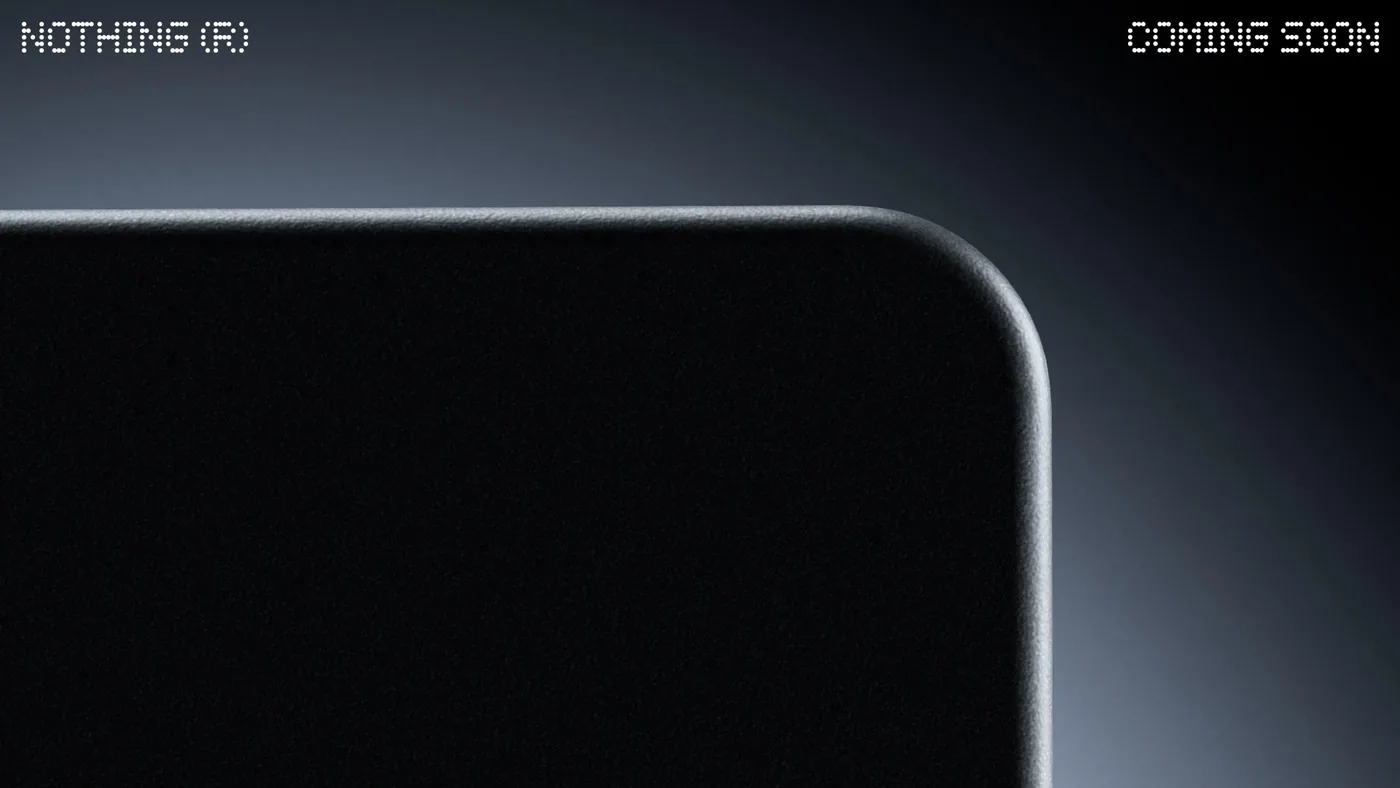
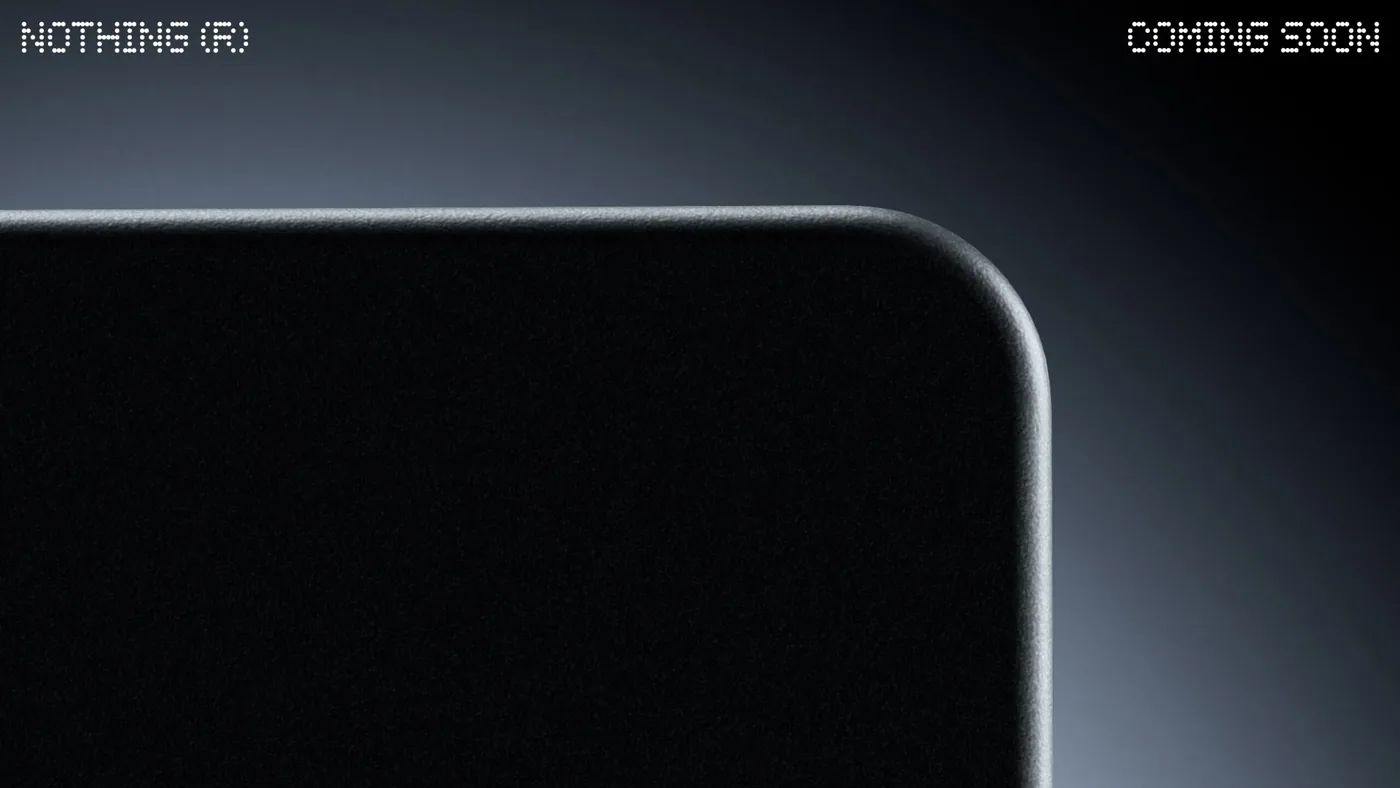
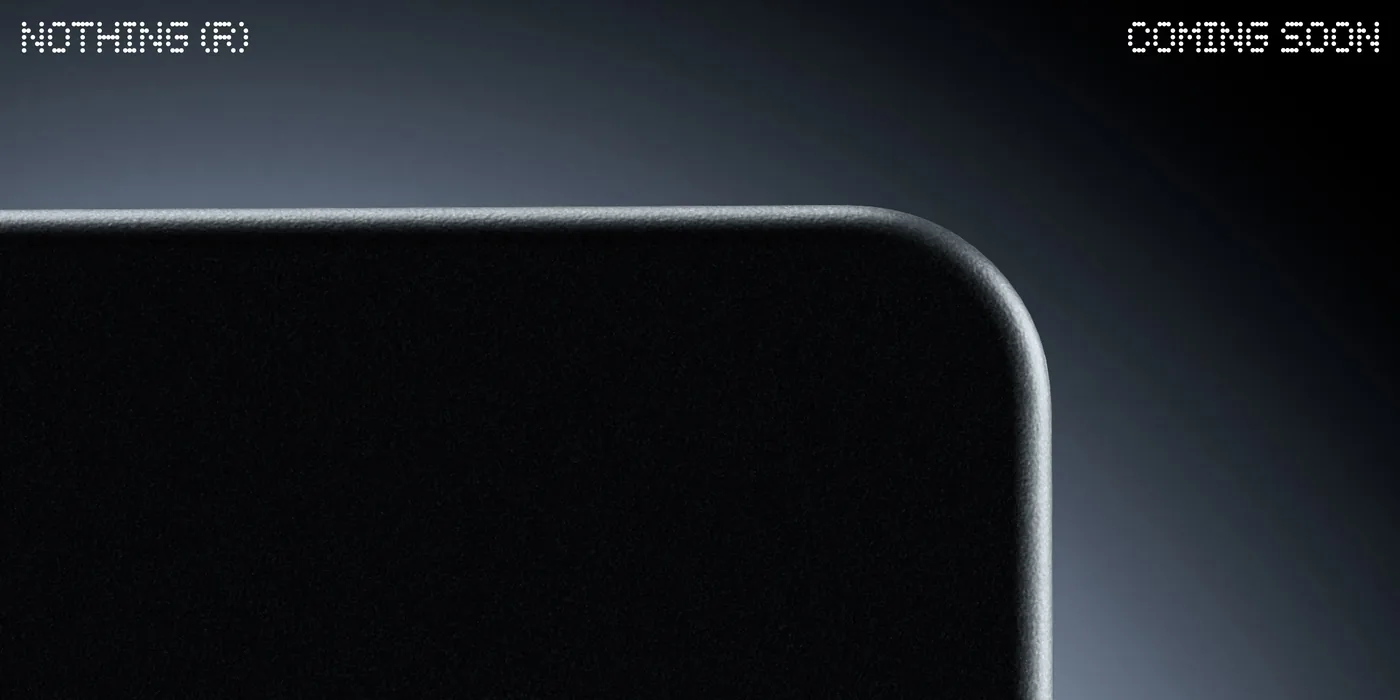
Carl Pei also published an ambiguous teaser graphic to offer followers an early glimpse of the physical hardware ahead of its December debut. In the top left corner, the teaser image displays the registered “NOTHING(R)” brand mark positioned directly above a dark, rounded corner of an unrevealed casing [1]. Stephen Schenck at Android Authority pointed out that the exterior surface carries a subtle texture resembling leather, though the promotional graphic conceals visible buttons, cameras, speakers, or charging ports. Carl Pei suggested that Nothing is in a prime position to test the emerging AI-consumer-hardware waters by leaning on its established design background, which often gets neglected during rushed tech launches across the industry [2].
Nothing has built its global audience through community videos and direct founder updates across social channels. Stephen Schenck at Android Authority observed that Carl Pei remains one of the most visible founders in consumer technology [2]. Hardware specifications were not disclosed [3].
Screen-Free Design Choices
Carl Pei emphasized that the upcoming gadget features no new screen, prompting discussion among tech analysts about how the system handles visual feedback. Stephen Schenck at Android Authority questioned whether the device might rely on an existing smartphone or laptop display during initial setup and data management [2]. The physical unit itself avoids display panels entirely.
The decision to eliminate displays reflects an ongoing industry debate surrounding personal screen time and digital distraction. While traditional electronics lines frequently adjust their release calendars—such as when Apple delayed its entry-level iPad refresh until early 2027—device makers in the machine learning space are attempting to deliver useful ambient assistance without requiring users to look at glass monitors. Carl Pei argued that chasing a screen-heavy gadget to replace modern smartphones misjudges how people want to interact with natural language models. In his assessment, building another portable display creates unwanted friction for busy individuals who simply want quick voice responses and reliable audio processing [1].
Carl Pei insisted that the upcoming hardware “couldn’t have been an app” when discussing its portable form factor [1]. Ben Schoon at 9to5Google noted that dedicated hardware makers often make similar claims to justify separate physical products [3]. Nothing believes that purpose-built microphones and distinct industrial casing justify carrying a standalone unit [2].

Earlier AI Hardware Struggles
Nothing enters a turbulent consumer segment where previous standalone artificial intelligence gadgets failed to build lasting sales momentum. As the company prepares its own Nothing AI device, earlier gadgets like the Humane AI pin and the Rabbit R1 arrived with bold promises, but both faced harsh consumer reviews when buyers discovered their software felt like slow mobile applications locked inside expensive plastic shells [2]. Other experimental products, such as the Friend pendant and screen-free AI stuffed animals, have similarly explored alternatives to traditional phone screens [1].
Carl Pei addressed those earlier market stumbles directly in his commentary on Twitter/X. “Looking for the iPhone of AI today is a dead end,” Carl Pei said. He explained that the consumer tech industry is hunting for a magical gadget—whether a pendant, pin, glasses, or companion—that makes machine learning ubiquitous before the underlying engineering has fully matured [1].
Instead of trying to replace the smartphone immediately, Carl Pei compared the current artificial intelligence transition to the early history of personal computers and mobile telephony. In both technology waves, enterprise adoption drove early development for years before practical tools became cheap enough for everyday households [2]. Established tech companies are exploring similar paths, with OpenAI reportedly collaborating with designer Jony Ive on an AI smart speaker, while Amazon continues to offer voice-driven household gear [1].
The Context Gap Problem
The primary motivation behind the new Nothing hardware appears to be what Carl Pei described as the context gap in current software. While large language models can answer explicit user queries, they miss the casual remarks, impromptu ideas, and real-world conversations that people experience throughout their daily lives [3].
Carl Pei illustrated this limitation by describing how quickly valuable thoughts vanish during normal human routines. In his post on Twitter/X, Carl Pei noted that someone might hear an inspiring idea over coffee or receive a passing comment that helps solve a difficult project, yet that valuable context never reaches an AI model. Unlocking a phone and typing a note takes time, and by the time an application opens, the conversational moment has passed and the thought is forgotten. Ben Schoon at 9to5Google and Stephen Schenck at Android Authority both observed that this specific scenario strongly suggests Nothing is developing an ambient audio recorder or automated note-taking accessory [3].
If Nothing releases an ambient audio recorder, it will compete against existing speech-to-text clips and wearable microphones. Ben Schoon at 9to5Google pointed out that several hardware startups already market audio recording accessories for note-taking [3]. The category has already attracted interest from major technology firms like Amazon [2].
Rumored Nothing AI Device Features
The planned December release aligns with broader reporting about Nothing’s internal hardware roadmap. Industry reports over the summer indicated that Nothing has been repositioning itself as an AI-first company, shifting research and development resources toward wearable accessories and audio equipment [1]. Expanding into small companion peripherals allows Nothing to test new consumer categories without disrupting its existing Nothing Phone smartphone sales [2].
Hardware rumors gained momentum last month when Stevie Bonifield at The Verge reported that Nothing is developing two pairs of AI smart glasses. According to those supply reports, one model is being engineered without built-in cameras, pointing toward an audio-centric device focused on voice assistance and ambient listening [1]. Pairing a screen-free pocket tool with audio glasses or Nothing earbuds could create an interconnected hardware system that relies entirely on natural voice interaction.
Whether the upcoming Nothing AI device arrives as a pocket voice recorder, a wearable clip, or an ambient desk accessory, Nothing enters a skeptical retail market. Consumers have repeatedly rejected early AI hardware that feels sluggish or fails to offer clear utility beyond standard mobile phones. With December shipments fast approaching, Carl Pei and Nothing will soon have to prove that their screen-free vision can solve real communication friction in everyday life [1].
- ONLINE NEWS Bonifield, S. (2026, November 4). Nothing teases a screen-free AI device ahead of launch next month. The Verge. [Article Link]
- ONLINE NEWS Schenck, S. (2026, November 4). Nothing teases a mysterious ‘AI-native product’ launch for next month. Android Authority. [Article Link]
- ONLINE NEWS Schoon, B. (2026, November 4). Nothing teases screen-less product launching next month, ‘couldn’t have been an app’. 9to5Google. [Article Link]


