




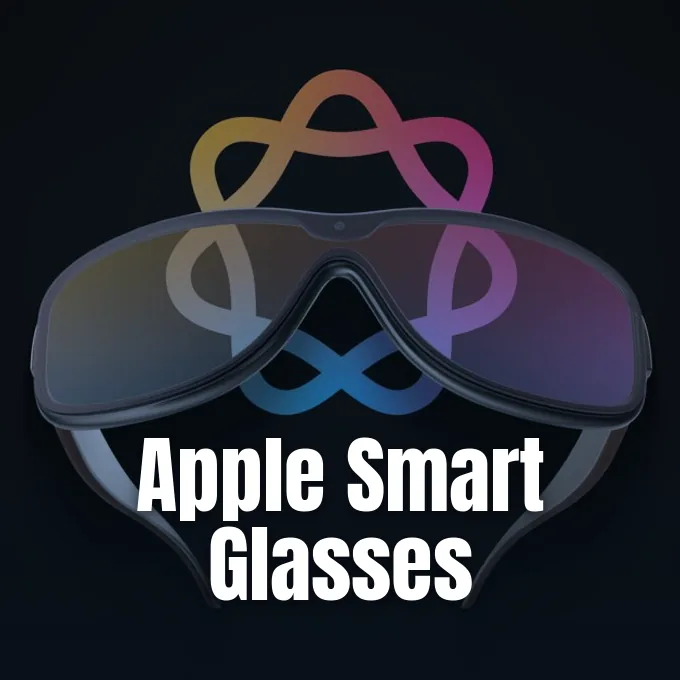
Apple smart glasses are heading toward an official debut at WWDC, creating a wearable product line that relies on conversational intelligence instead of built-in display panels. According to reporting from Bloomberg correspondent Mark Gurman, the N50 frames will arrive without augmented reality screens, depending on voice interactions and iPhone processing to handle tasks. Apple hasn’t detailed the roadmap publicly, but Gurman indicated that the company plans to preview the device at the developer conference before opening retail shipments toward the end of 2027 [1].
WWDC Debut and 2027 Release
The timing of the announcement shows how Apple handles new categories that need advance software preparation from outside engineers. Bloomberg reported that Apple wants to give independent app creators room to adapt their iOS code to Siri AI before retail packaging reaches customer hands [1].
Writing in his Power On newsletter for Bloomberg, Mark Gurman stated that “glasses shipments would begin before the end of the year,” pointing to an arrival late in 2027 [1]. Techmeme aggregated reporting confirming that the June WWDC event will serve as the initial public stage for the device [2]. Staging the reveal at WWDC gives Apple time to distribute developer tools and outline privacy standards as assembly partners prepare factory lines. Apple often previews major product lines months ahead of commercial availability to let developers adapt. By showing the frames early, Apple hopes outside software makers will build voice tools so buyers can use their favorite iPhone apps immediately.
AppleInsider reported that Mark Gurman specifically advised app developers to prepare for a 2027 arrival of Apple smart glasses, noting that third-party software readiness will determine whether the eyewear catches on with consumers [4]. Apple doesn’t want the units landing in stores without capable software integrations. Useful third-party voice tools must be ready on day one.
How Apple Smart Glasses Connect to iPhone
Apple avoided building an isolated computer into spectacles, choosing a tethered model that offloads computational demands to a companion iPhone. Early prototypes, known inside Apple under the codename N50, run a stripped-down build of visionOS paired with a custom processor derived from older smartwatch chips [1]. Offloading processing keeps the frame slim and avoids the thermal traps that troubled earlier smart glasses across the tech industry. The battery doesn’t have to power a heavy processor on the face. Sensors capture speech and movement, but an iPhone in a pocket handles data processing. The N50 frames weigh very little.
Michael Burkhardt of 9to5Mac confirmed that the N50 eyewear won’t execute full applications directly on board [3]. A linked iPhone handles data fetching and application logic. The tethered setup keeps the frames featherlight. Everyday comfort takes precedence over standalone computing.
For battery charging, Gurman described a MagSafe-style magnetic attachment that is “flat, rectangular” and similar in footprint to a Tic Tac mint [1]. The magnetic puck snaps straight onto the frame temple, letting wearers charge the battery without removing the glasses during a busy workday. Leaving out bulky display optics and large battery packs allows Apple to focus on balanced weight distribution. The resulting frames look like standard optical eyewear rather than bulky tech headsets. A clean silhouette helps the eyewear blend into ordinary social settings. The glasses function as an effortless iPhone companion.

Siri AI Third-Party Integration
Software integration stands as the centerpiece of Apple’s wearable push. Rival smart glasses rely on basic voice lookups, but Apple smart glasses will rely on Siri AI to carry out precise actions inside everyday iPhone applications without forcing wearers to touch a screen [3].
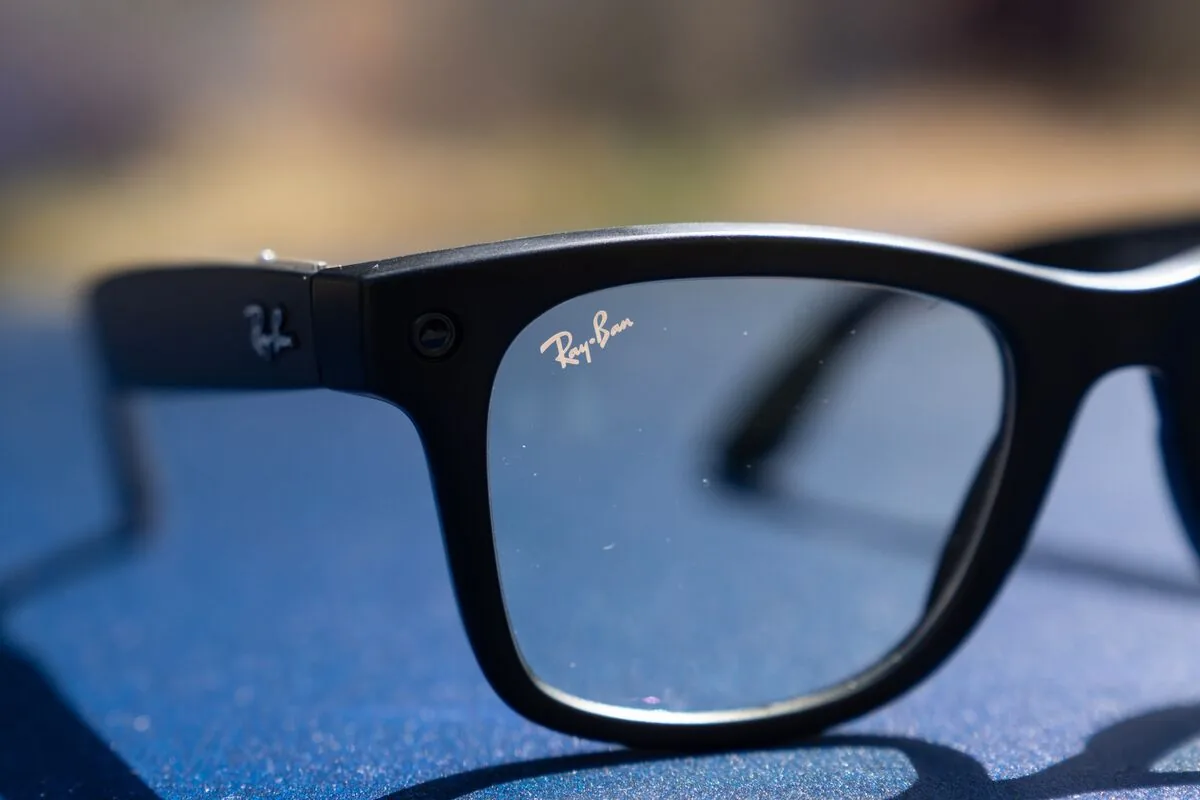
The software foundation for this capability is already surfacing in the iOS 27.3 beta, where Apple has begun introducing fine-grained app controls for Siri AI instead of relying solely on basic Siri Shortcuts. Michael Burkhardt of 9to5Mac said that Meta leads in conversational AI assistants, but third-party software integration is a major weakness for Meta’s Ray-Ban glasses [3]. Apple aims to turn its massive App Store ecosystem into a key advantage. If Siri AI can reliably send messages through third-party chat apps, log workout metrics, or add calendar events in outside software, the glasses become useful tools. Getting independent developers to adopt these new Siri AI hooks ahead of the 2027 hardware rollout is central to Apple’s plan.
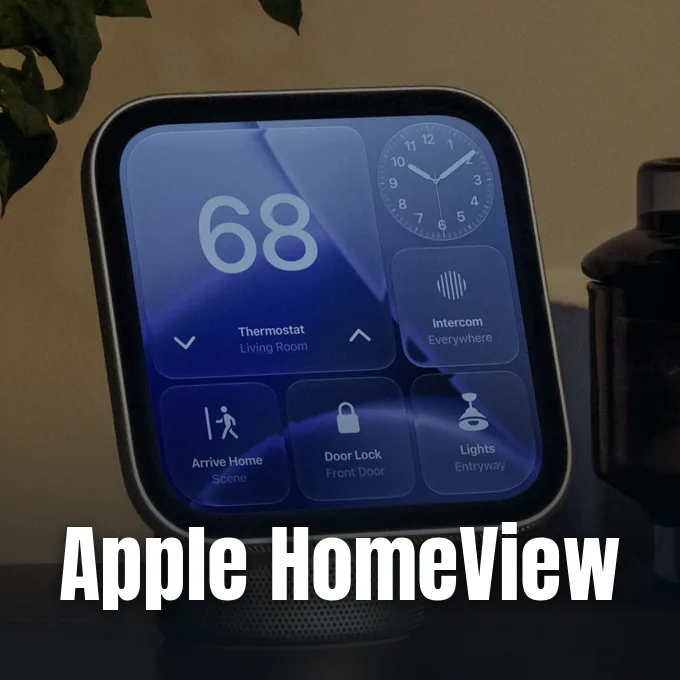
The software model mirrors Apple HomeView, which routes connected tasks through companion hardware using Siri AI in a similar way to CarPlay. AppleInsider reported that Apple expects developers to treat the smart glasses as an extension of existing iPhone workflows [4]. Direct app support helps users feel comfortable right away.
Wireless Audio Capabilities
Although the N50 prototypes rely on a paired iPhone for heavy lifting, Apple has built in standalone Wi-Fi connectivity so specific native tasks stay active when the phone isn’t close by [1]. For instance, users can walk away from their iPhone into another room and continue listening to audio streams over Wi-Fi without suffering an abrupt cutoff. The glasses won’t function as an independent computer, but local Wi-Fi adds useful freedom around homes and office spaces. Wearers don’t need to keep an iPhone in their hand as they listen to music or take FaceTime audio calls. Standalone Wi-Fi bridges the gap between portability and battery life.
Audio playback serves as another key focus for Apple engineers. According to reporting from The Verge, company employees described the sound output as “industry-leading”, with speaker components tuned for phone calls, music playback, and FaceTime audio sessions [1]. Clear vocal reproduction aids everyday communication.
Open-ear speaker designs must strike a careful balance between volume and acoustic leakage so nearby people can’t hear private conversations. Can lightweight frames deliver crisp audio without broadcasting spoken dialogue? Apple engineers believe directional speakers can outclass rival wearables like Meta Ray-Bans. High-grade microphone arrays along the temples also work to suppress wind noise and background street sounds during phone calls. If speech pickup struggles in noisy outdoor environments, users will quickly abandon Siri AI and pull out their handsets. Dependable voice capture makes or breaks the hands-free experience.
Apple Smart Glasses Frame Design
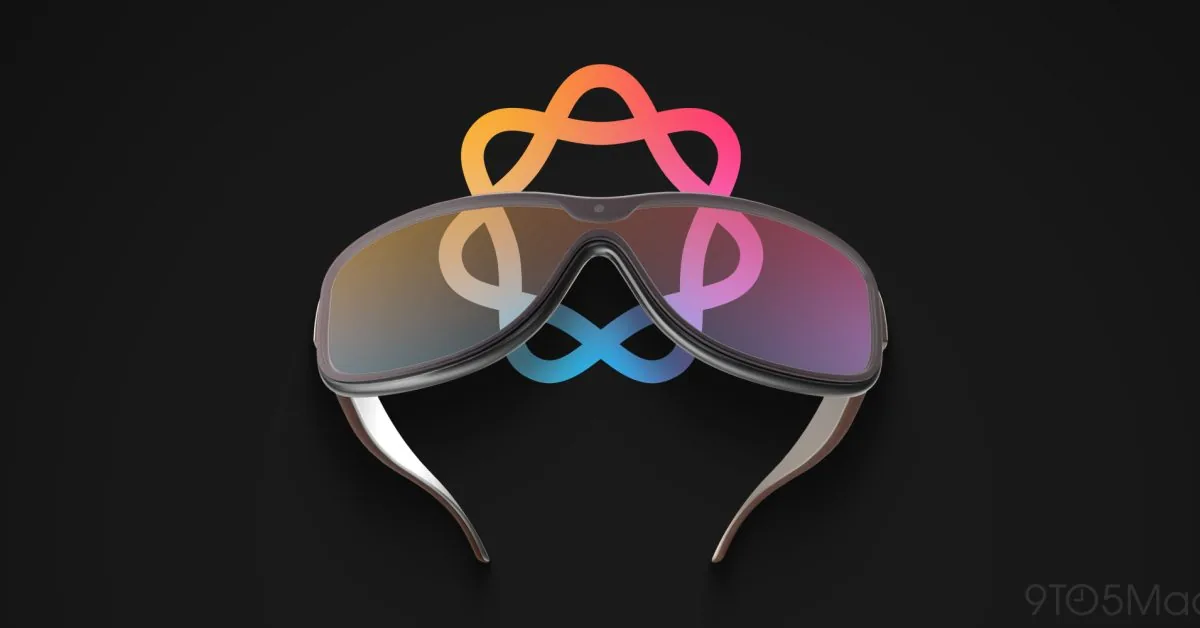
Design aesthetics will ultimately dictate whether everyday consumers embrace smart eyewear, often referred to as Apple Glass by commentators. Sources cited by 9to5Mac indicate that Apple’s internal test units are slightly thinner than Meta’s second-generation Ray-Ban glasses, aiming for a silhouette that resembles conventional optical frames [3]. Wearers want glasses that look natural on their faces.
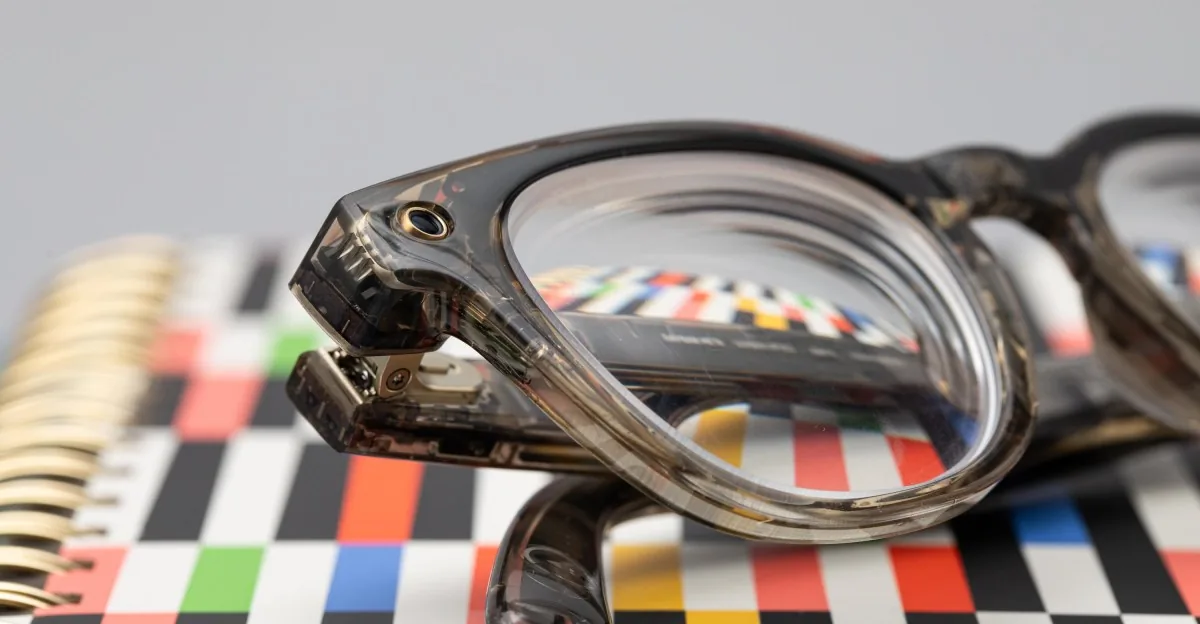
Camera placement has received careful thought during Apple’s engineering tests. In prototype units, the cameras rest inside oval cutouts aligned smoothly with the front plastic instead of bulging out. Smooth cutouts keep the lenses discreet, preventing the eyewear from looking like a cumbersome recording gadget. In addition, Apple has built in a front-facing light that shows when the cameras are active or charging [3]. Apple has also been experimenting with extra front-facing features to protect privacy and reassure bystanders. Clear visual signals help prevent the social unease that doomed earlier camera-equipped eyewear.
Privacy is a sensitive issue for camera-equipped wearables, and Apple wants to avoid the backlash that tripped up earlier head-mounted experiments. By combining a visible indicator light with flush camera cutouts and lightweight materials, the company hopes to make Apple smart glasses socially comfortable in public spaces. With an unveiling planned for WWDC and retail shipments targeting the end of 2027, the coming months will reveal how Apple balances sleek style with Siri AI computing [1].
- ONLINE NEWS O’Brien, T. (2026, November 15). Apple’s first smart glasses are coming together. The Verge. [Article Link]
- ONLINE NEWS Techmeme. (2026, November 15). Sources: Apple plans to unveil smart glasses at WWDC and ship them by the end of 2027. Techmeme. [Article Link]
- ONLINE NEWS Burkhardt, M. (2026, November 15). Apple’s Siri AI smart glasses are reportedly launching next year, here’s what to expect. 9to5Mac. [Article Link]
- ONLINE NEWS AppleInsider. (2026, November 15). Siri AI will be how Apple Glass will unseat Meta’s smart glasses. AppleInsider. [Article Link]


