




Six years after launching its flagship hardware, Sony Interactive Entertainment announced that official PS5 AI upscaling has arrived on base consoles through a new technology called Quick Spectral Super Resolution (QSSR) [1]. Principal graphics engineer Daniel Craig confirmed the rollout on PlayStation Blog, explaining that the lightweight architecture brings machine-learning enhancements previously reserved for the $900 PS5 Pro [2]. Both Marvel’s Wolverine and Ghost of Yōtei received launch-day patches enabling the feature today [1].
Project Amethyst Delivers Quick Spectral Super Resolution
The new upscaling tier originated inside Project Amethyst, an ambitious engineering partnership between Sony and AMD designed to bring advanced machine-learning graphics algorithms directly to standard console silicon [1]. While the PlayStation 5 Pro relies on full PlayStation Spectral Super Resolution (PSSR) to reconstruct frames, the computational demands of that model prevented Sony from backporting it directly to older hardware [2]. Sony partnered directly with AMD. Together, the teams created a specialized model calibrated specifically for the processing budget of the base system [1].
Daniel Craig explained that player and developer inquiries pushed the graphics research team to explore lighter alternatives after PSSR debuted on PS5 Pro. ‘PSSR analyzes game images pixel by pixel and uses AI to upscale them with more detail and stability than conventional approaches; until now, its computational demands made bringing that experience to PS5 impossible,’ Craig stated on PlayStation Blog. The engineering group solved that limitation by streamlining the underlying neural network architecture. Daniel Craig noted that while PSSR remains the premium benchmark on PS5 Pro, QSSR delivers noticeable visual improvements on base hardware [1].
In addition to slimming down the neural network, engineers developed a hand-tuned implementation that extracts maximum performance from the existing custom AMD graphics processor on the base console [1]. Rather than replacing native rendering pipelines entirely, QSSR operates as an efficient post-processing stage that reconstructs sub-pixel detail and minimizes temporal flickering across consecutive frames [3]. The upgrade costs players nothing [2]. Players simply download the latest title patches to access the new graphics profile [3].
How Base Hardware Handles PS5 AI Upscaling
Bringing modern machine-learning models to six-year-old console hardware presents severe memory and compute constraints. The base PS5 lacks the dedicated neural processing hardware found in newer devices, meaning every tensor operation competes directly with geometry and lighting calculations [2]. Balancing frame time budgets required rigorous optimization. Sony addressed this by restricting QSSR to specific reconstruction tasks where neural networks provide the greatest perceptual return without causing latency spikes [1].
Technical comparisons published by GamesRadar+ highlight that PS5 AI upscaling functions primarily within each game’s Fidelity Mode, targeting sharper output resolutions from dynamic internal render targets. In side-by-side analysis, the algorithm resolves distant wire meshes, architectural edges, and complex foliage far better than standard temporal anti-aliasing techniques [2]. Because conventional upscalers often introduce blur or distracting ghosting during rapid camera motion, QSSR relies on multi-frame history buffers to stabilize moving edges and fine geometric details across the screen [1]. GamesRadar+ writer Jordan Gerblick observed that users do not need to squint to notice an obvious increase in clarity across background scenery, making the upgrade tangible during active play. The resulting image maintains crisp contrast even during chaotic combat sequences [2].
While PSSR remains the gold standard on PS5 Pro, Sony confirmed that QSSR provides a bridge for millions of standard console owners who have not upgraded [1]. Scott Duwe of Destructoid reported that Sony plans to offer the QSSR software development kit broadly to all PlayStation partners. Broader third-party integration will follow in upcoming development cycles [3]. Studio engineers can embed the library directly into custom rendering pipelines [1].



Marvel’s Wolverine Showcases Madripoor and Shinjuku
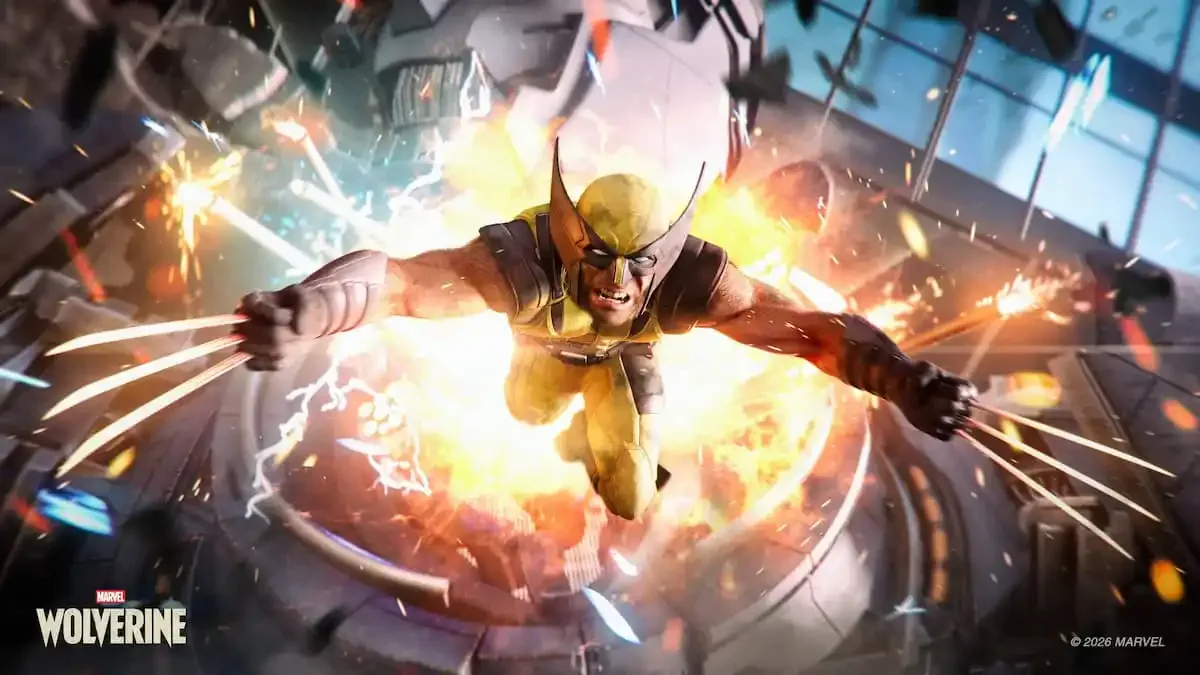
The first major production to deploy the new library is Marvel’s Wolverine, developed by Insomniac Games. Mike Fitzgerald, head of technology at Insomniac, emphasized that the algorithm immediately enhanced urban environments across the adventure [1]. Logan battles Sentinels across dense districts [3]. Insomniac Games patched the title immediately. The game takes full advantage of the neural upscaler to preserve complex architectural geometry without sacrificing steady performance targets [1].
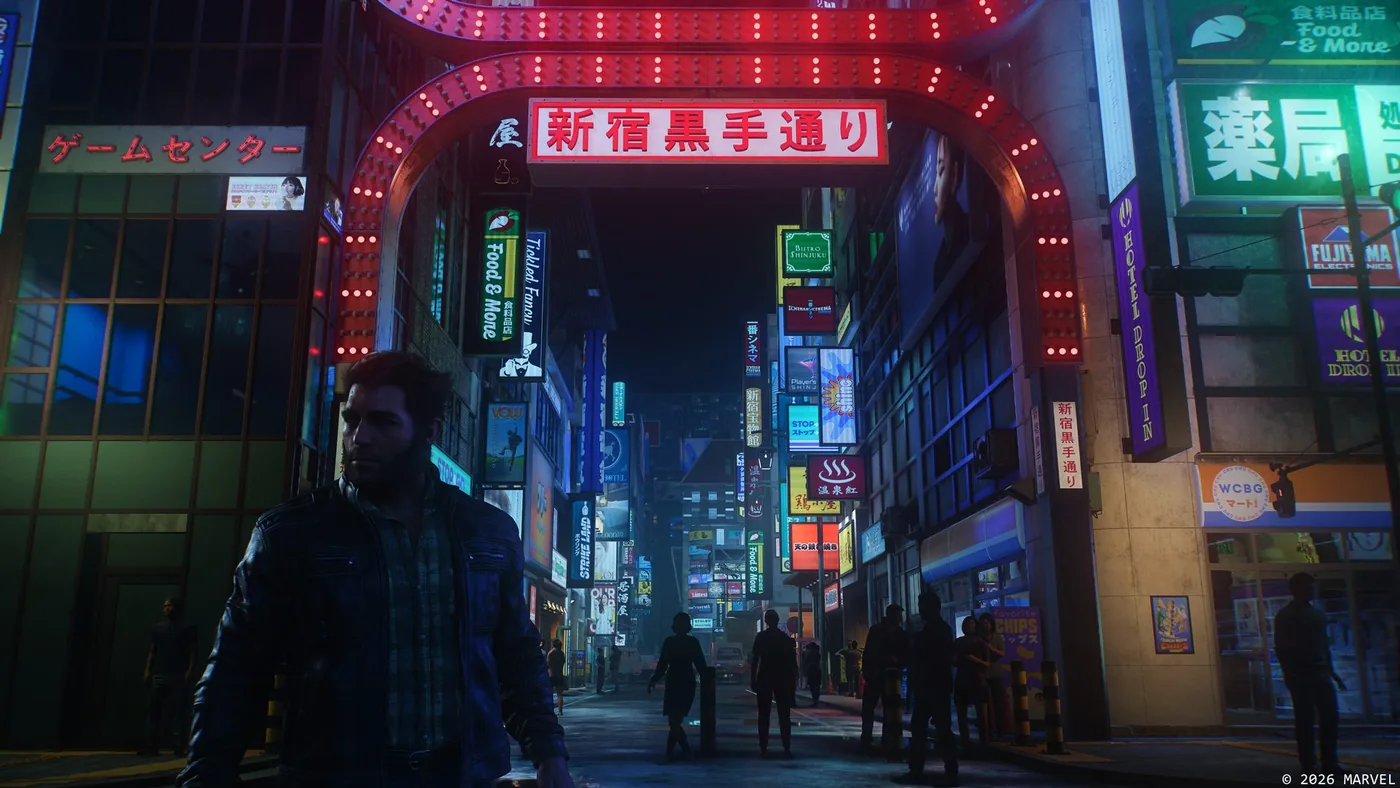
Fitzgerald described the practical impact on visual fidelity in detail on PlayStation Blog. ‘QSSR adds more pixel-level clarity and stability to our environments, bringing out extra detail amidst the busy streets of Madripoor, the dense alleyways of Shinjuku, and many other areas across Logan’s epic journey,’ Fitzgerald explained. He added that the feature serves as a companion to the title’s launch, providing base console owners with a taste of the PS5 Pro experience [1].
Early video demonstrations confirm that reflective surfaces, neon signs, and distant textures in urban areas exhibit substantially reduced shimmer during fast camera pans [2]. Players exploring Madripoor and Shinjuku can observe sharper pavement textures, detailed building signage, and refined atmospheric lighting across complex city streets [1]. Destructoid observed that fine material details, including clothing fabric and weapon metallic sheens, appear crisper than previous temporal upscalers could produce [3]. Shacknews similarly reported that both launch patches deployed smoothly to digital storefronts worldwide [4]. Base console players can toggle the feature directly within graphics settings [1].
Sucker Punch Enhances Ghost of Yōtei
In parallel with Insomniac’s superhero adventure, Sucker Punch Productions introduced QSSR support to Ghost of Yōtei through a dedicated update released today [1]. The studio also verified integration for Ghost of Yōtei: Complete Edition, ensuring expansive historical landscapes benefit from enhanced reconstruction [3]. Sucker Punch updated the game today. The samurai epic relies heavily on sprawling natural panoramas, wind simulations, and dense grasslands that historically challenge real-time upscaling engines [1].
Sucker Punch lead rendering engineer Jasmin Patry noted that the technique specifically solves temporal artifacts in expansive outdoor vistas. ‘QSSR excels at resolving the fine details in our characters and environments and does so with a level of temporal stability that hasn’t been possible on the PS5 console until now,’ Patry explained. He emphasized that studio engineers had long wanted all PS5 players to experience high-quality upscaling comparable to PSSR on PS5 Pro [1].
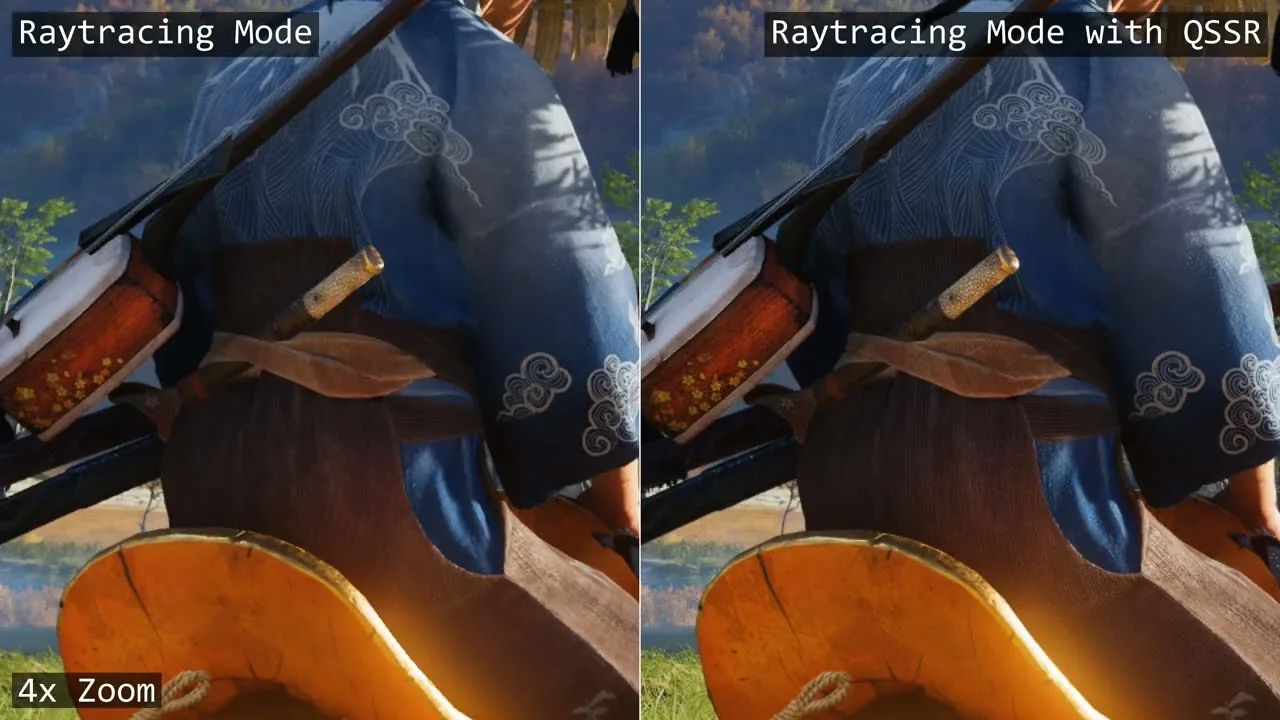
Official comparison video captures published on YouTube reveal that individual blades of grass, distant mountain ridges, and woven garments exhibit significantly cleaner edge definition under QSSR [2]. While traditional anti-aliasing could blur fine geometry in motion, the machine-learning filter sharpens distant leaves and moving branches without generating distracting visual crawl. Character clothing textures and distant foliage across feudal terrain exhibit remarkable clarity during rapid horse rides and sword combat. Player reactions have varied across communities, as Scott Duwe of Destructoid conceded that visual improvements from AI upscaling might appear subtle to casual observers [3].
Distinguishing QSSR From Generative Reconstruction Methods
The rollout of QSSR occurs amid intensifying industry discussions surrounding artificial intelligence in modern game engines. GamesRadar+ analysis highlighted a vital distinction between console upscalers like PSSR or QSSR and controversial generative tools such as Nvidia DLSS 5. While Nvidia has faced sharp community criticism for using generative reconstruction models that alter original assets, lighting conditions, and character geometry, Sony’s upscalers operate strictly on existing frame buffers without generating invented artistic content [2].
Both PSSR and QSSR sharpen native geometry and resolve sub-pixel data that game renderers have already calculated, preserving the creative intent of studio artists [2]. Daniel Craig noted that the primary engineering mandate was delivering dependable visual stability across variable scenes rather than hallucinating details. By limiting network depth and pairing the architecture with tailored AMD GPU microcode, Sony maintained strict deterministic control over final image output [1]. The algorithm enhances what exists on screen rather than painting over it [2].
Sony confirmed that additional first-party and third-party titles will integrate QSSR libraries as developers update their rendering pipelines throughout the year. Both game updates rolled out today [1].
Players owning base PlayStation 5 consoles can verify QSSR functionality today by downloading the latest updates for Marvel’s Wolverine and Ghost of Yōtei [1]. Selecting Fidelity Mode in each game’s display settings automatically activates the neural upscaler, allowing six-year-old hardware to render cleaner, more stable imagery without requiring expensive hardware upgrades [2].
- PRESS RELEASE Craig, D. (2026, October 1). AI upscaling is coming to PS5. PlayStation.Blog. [Article Link]
- ONLINE NEWS Gerblick, J. (2026, October 1). “AI upscaling is coming to PS5”: Sony’s base console is getting its own version of the PS5 Pro feature I’ve been jealous about for 2 years. GamesRadar+. [Article Link]
- ONLINE NEWS Duwe, S. (2026, October 1). Sony touts newest AI upscaling tech called QSSR, available today on base PS5 consoles. Destructoid. [Article Link]
- ONLINE NEWS Shacknews. (2026, October 1). QSSR AI upscaling coming to PS5. Shacknews. [Article Link]


