






Meta announced on its developer blog that software support for the Meta Quest 2 and Quest Pro will wind down in two phases ending in 2027. Both virtual reality devices will receive their final operating system release in March 2027 before security patches conclude in December 2027 [1]. The decision outlines the retirement path for the hardware family as Meta directs its engineering attention toward newer headsets and upcoming wearable devices [3].
Meta Quest 2 Operating System Timeline
The operating system roadmap gives headset owners clear dates for when feature upgrades stop and when security maintenance concludes. Version 2.13 (v2.13) of the Quest operating system, scheduled to arrive in March 2027, will serve as the final OS build that works on either headset, bringing an end to regular interface updates and new platform capabilities [1]. After version 2.13 ships, Meta plans to stop adding new features to both products because neither device will receive subsequent system branches. That leaves both headsets on a fixed software foundation. Security patches will continue on a quarterly schedule through the end of 2027 to address critical bug fixes and protect user accounts, giving Quest 2 owners a little over seven years of security support since launch [2].
Meta told creators that new app submissions for the headsets will close in December 2027. While existing programs remain available for download, developers can’t publish fresh standalone projects targeting the older hardware after that cutoff date [1]. Studios retain full publishing rights to update their existing titles, keeping older libraries playable [2].
Software development for the aging devices will become harder for studios once the final system build arrives. Meta announced that it will not test new operating system versions or software development kit releases on the Quest 2 and Quest Pro [1]. That means creators must test and verify their own builds. Because Meta won’t run compatibility tests on these headsets, studios must manage older builds alone [3].

Game Access and Multiplayer Cross-Play
Despite the planned end of operating system upgrades, Meta confirmed that games already purchased on the digital storefront will remain accessible to users. The company told developers that “people keep access to everything they’ve purchased, and no apps will be removed from the Store because of this change” [1]. That stance prevents existing game libraries from disappearing when platform development stops. Players can still put on their headsets for a quick match in Beat Saber or jump into other favorite experiences without worrying about missing purchases [2]. Meta made it clear that players will keep downloading their content, ensuring that games bought over the past several years remain ready to play whenever users turn on their devices [1].
Multiplayer networking will also stay online across headset generations. Meta confirmed it won’t remove cross-play functionality or block Meta Quest 2 users from connecting with friends who own a Quest 3 or Quest 3S [3]. The company stated that “People on Quest 2 and Quest Pro can still find, buy, download, and play your apps” [1].
Headset owners who connect their hardware to a gaming computer receive welcome news from the developer documentation. Meta Quest Link will continue to support PC VR gameplay, allowing users to stream demanding desktop titles through a tethered USB cable or home wireless network [2]. That feature keeps the hardware useful even after standalone mobile titles begin requiring newer mobile processors. PC rendering relies on graphics cards inside desktop computers rather than the headset’s onboard processor, so computer simulation and driving titles will run without being held back by mobile hardware limits [3].


Notice Rules for Developers
To prevent sudden game closures for players, Meta introduced rules for software studios. If a developer decides to drop support for a game, the studio must give users at least 180 days of notice before shutting down servers or cutting access [1]. Sood reported that this six-month rule prevents players from waking up to disabled titles without warning [2].
Meta urged studios to study their player data before deciding to cut support for older headsets. The company suggested that development teams consider splitting their application packages so that older headsets can run dedicated legacy versions while newer hardware receives heavier graphics updates [1]. Splitting packages allows studios to ship advanced visual features to Quest 3 users without causing frame rate drops on earlier models. That strategy helps studios maintain games on older hardware without holding back newer releases. Studios can cater to both audiences without forcing owners of older hardware to upgrade prematurely [3]. Several developers have already used this branching method to keep their multiplayer player counts healthy.
The financial incentive for studios to maintain older devices will decline after 2027. Once Meta stops issuing quarterly security patches in December 2027, fewer developers will justify spending staff hours on legacy testing [2]. Without active security patches, connected headsets carry safety concerns that can push cautious players toward newer devices, prompting game makers to concentrate on active platforms [3].
Hardware Lifespan and Quest Pro Differences
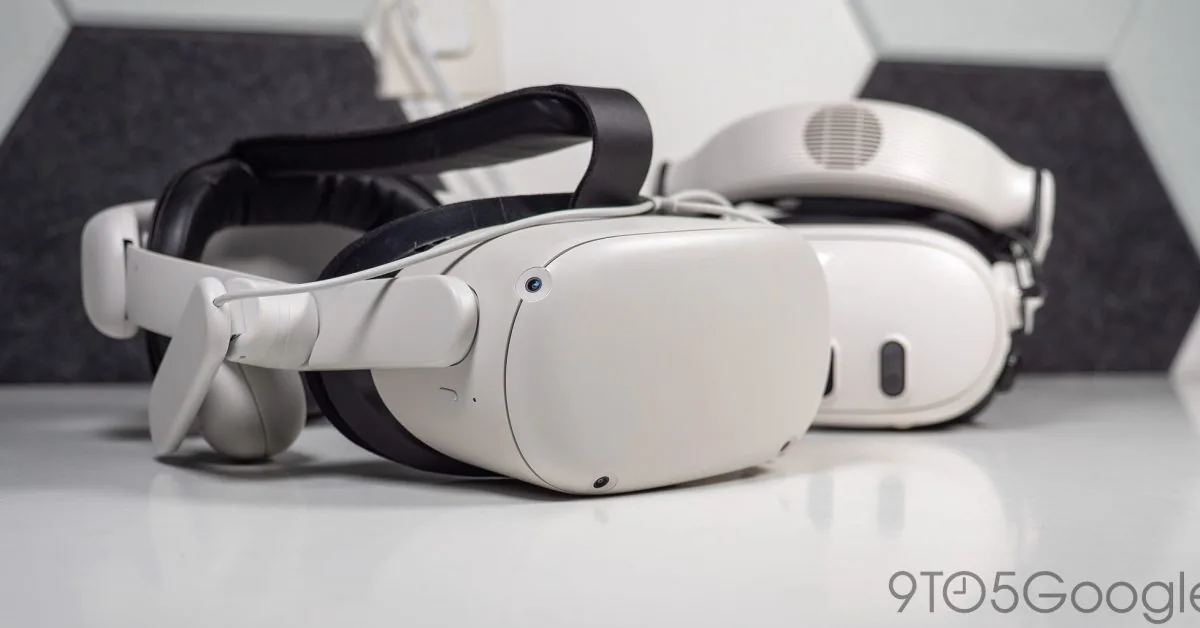
The phase-out concludes an extended run for the Quest 2 in consumer electronics. Originally launched in 2020 under the name Oculus Quest 2, the standalone Meta Quest 2 reached approximately 20 million units sold over its lifespan, making it the best-selling VR headset in history [3]. By the time security patches conclude at the end of December 2027, Quest 2 owners will have received more than seven full years of support [2]. That extended software window gave millions of newcomers an affordable entry into virtual reality gaming. Sutrich reported that while players can continue enjoying their games through 2027, active game updates will likely dry up quickly after January 2028 as development studios turn their attention toward newer hardware [3].
The situation looks less favorable for early Quest Pro buyers. Meta launched the device in October 2022 for $1,499, yet the headset uses the same core processor architecture found in the cheaper Quest 2 [3]. Quest Pro buyers will receive just over five years of software updates [2]. Blake at TechRadar noted that the Quest Pro line had already been phased out in 2024 [1].
Shared hardware limits explain why Meta aligned the retirement schedules for both products despite their price gap. The mobile chip inside both headsets limits what system engineers can add to the platform without hurting interface speed or battery life [3]. Although the Quest Pro included face tracking and eye tracking sensors, its central processor could not keep pace with newer silicon designs. Meta chose to retire both models together because their shared processing foundation cannot handle the next wave of virtual reality software [1].

Transition Beyond Meta Quest 2 Hardware
Meta treats the Quest 3 and Quest 3S as its baseline hardware for modern virtual reality experiences. The $599 Quest 3 arrived in 2023, and Meta introduced the $349 Meta Quest 3S in 2024 to take over the lower price category previously held by older hardware [3]. These headsets feature faster processors and color cameras that support mixed reality games like Story of Seasons VR for Meta Quest 3 without performance bottlenecks. That hardware leap gives software developers the computing power they need to build expansive game worlds.
Looking past current Quest headsets, Meta is preparing another product category with its upcoming eyewear hardware. The company is developing lightweight Meta VR Glasses (expected to sell around $1,300) early next year. The glasses will pack a next-generation processor and high-resolution AMOLED panels into a frame that is much lighter than existing headsets [3]. Earlier coverage of a slim Meta headset firmware leak showed how the company plans to shrink wearable optics, and Meta promised that the glasses will deliver another leap forward for virtual reality users [1].
With new hardware taking over, Meta is encouraging players to plan their future headset purchases. Owners can safely use their Meta Quest 2 or Quest Pro for existing games throughout 2027 without losing app access [2]. But when security patches stop in December 2027, upgrading to newer hardware will become sensible for anyone who plays online regularly [1].
- ONLINE NEWS Blake, A. (2026). Meta is ending support for the Quest 2 and Quest 2 Pro VR headsets. TechRadar. [Article Link]
- ONLINE NEWS Sood, S. (2026). The end is near for Meta Quest 2 and Quest Pro, but there’s a silver lining. Android Authority. [Article Link]
- ONLINE NEWS Sutrich, N. (2026). The Meta Quest 2 and Quest Pro are receiving their last OS updates soon. 9to5Google. [Article Link]


