





The PHP Foundation operates with only one full-time employee to steward a language that runs nearly 70 percent of the web, Executive Director Elizabeth Barron said in an interview with Reuters on Friday. This reality of PHP Foundation funding surfaced after cybersecurity coders uncovered two serious flaws in the three-decade-old codebase, prompting an urgent international effort to patch vulnerable servers [1].
Fixing the Two Flaws
Security coders uncovered two major flaws this week that had stayed hidden inside the core code for about ten years. The discovery sparked an immediate rush among systems admins and web hosts who moved to shield servers before online attackers could take advantage of the bugs, as independent monitoring teams tracked scanning attempts within hours of the public report [2]. Patches were needed fast.
To inspect the bugs and release fixes on Wednesday, the PHP Foundation worked with external partners including Wiz, Calif, and OpenAI. Security researchers using OpenAI’s Project Daybreak tool helped identify the PHP2Shell remote code execution (RCE) flaws during automated reviews, as reporter Thomas Brewster noted in Forbes [6]. Network defense firm Cloudflare tracked millions of attack attempts across the web as hackers searched for open systems [1].
Barron said the group saw no signs that hackers had abused the bugs prior to disclosure or compromised systems running patched versions, with Wiz, Calif, and OpenAI reporting no issues on updated machines [3]. No breaches were confirmed. Earlier security alerts regarding server vulnerabilities included an FBI warning on critical PHP vulnerabilities that urged web hosts to patch exposed setups.
One Full-Time Role and 14 Contractors
This emergency brought attention to how few people maintain the internet’s most widely used web script. While PHP runs roughly 70 percent of all websites, its core upkeep relies on a tiny team that depends on gifts and grants. Barron told Toby Sterling of Reuters by email on Friday that she is the only full-time employee on the payroll, meaning that PHP Foundation funding supports just one permanent post [1].
Beyond Barron, the group relies on 14 contractors who handle code updates on a part-time basis, while board members serve as unpaid volunteers [1]. This setup leaves triage, security audits, and compiler work to part-time workers balancing limited hours rather than a large software team. Public records reviewed by Zeli reveal that the group’s bank balance has dropped to roughly $350,000 as monthly stipends for core coders continue to draw down funds, prompting community discussions on Hacker News about the risk of losing seasoned contributors [4]. If these part-time coders leave for full-time jobs elsewhere, finding programmers with deep knowledge of the engine can take months of hiring and training [1]. Part-time help has clear limits.
Barron described PHP as “incredibly under-funded” given the immense commercial value that global tech firms and web agencies extract from it each day [1]. The group does not charge license fees or sell subscriptions, so it can’t count on steady corporate revenue to fund full-time engineering salaries [2]. It runs on goodwill.

AI Assistance and Review Backlog
Artificial intelligence has brought both benefits and headaches to the core team. On one hand, AI models helped security researchers spot ten-year-old bugs that human coders had overlooked, and Barron said AI coding tools help programmers work faster by speeding up routine tasks [1]. Tools spot old bugs.
On the other hand, AI tools have caused a flood of proposed code changes that threatens to overwhelm human reviewers [1]. The project now receives nearly twice as many pull requests and code proposals as it did a year ago, but its roster of core maintainers has not doubled to keep pace with that volume [3]. Barron told reporters that checking AI-generated code needs deep human skill and experience, because anyone can generate functional patches with modern language models in seconds without running the thorough tests that senior coders normally perform [1].
Sorting solid fixes from flawed suggestions consumes hours of contractor time that could otherwise go toward fixing core language bugs. The team can’t simply accept pull requests without thorough manual audits, as subtle logic errors could easily enter future software releases [5]. Reviewers can’t skip manual checks.
Where PHP Foundation Funding Lags
Historically, PHP began as a small set of Common Gateway Interface (CGI) tools before growing into the engine behind WordPress and social networks like Facebook. Yet as web traffic expanded, money from the tech industry failed to keep up with the work needed to protect that infrastructure [2]. Growth outpaced cash.
Writing for BozokMedia, writer Vikram Singh called the resource shortage an open-source tragedy of the commons. Fortune 500 companies and government agencies rely on PHP every day, yet few provide ongoing grants to help pay core maintainers. When basic internet software depends on an underfunded group, any security hole becomes a worldwide hazard [2].
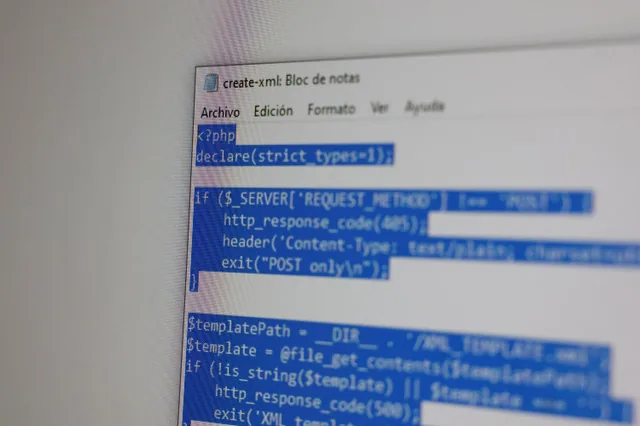
Tech giants spend billions on internal AI tools while open-source projects that run the web operate on shoestring budgets [2]. This gap shows why PHP Foundation funding struggles to meet the demands of modern web security, as volunteer groups carry systems that power global commerce [6]. The divide keeps growing.
Future of PHP Foundation Funding
Most website owners will avoid direct harm from the recent bugs because major hosting companies automate security updates behind the scenes. Managed hosts and cloud providers deployed the Wednesday patches quickly, protecting millions of web users who never inspect server configuration files [2]. Automatic patching saved many sites.
However, hosting updates do not solve the long-term challenge of keeping core programmers funded. With just one full-time staff member and roughly $350,000 in reserves, the group needs more corporate sponsors to pay for regular audits and code reviews. Commenters on Hacker News and tech forums have urged software firms to back the PHP Foundation budget through direct sponsorships [4].
If profitable tech firms do not offer steady grants, small open-source teams will fall behind as both old flaws and AI code submissions multiply. The successful fix this week prevented major attacks on updated servers, but it also showed how much web stability relies on volunteer groups. The future of PHP Foundation funding will show whether the tech industry is ready to support the free code it uses daily [1].
- ONLINE NEWS The Daily Star. (2026, October 24). PHP runs much of the web on a small budget and one full-time employee. The Daily Star. [Article Link]
- ONLINE NEWS Singh, V. (2026, October 24). PHP Foundation executive warns of severe underfunding amidst global security crisis. BozokMedia. [Article Link]
- ONLINE NEWS News Dive. (2026, October 24). PHP Foundation is underfunded, operating with just one full-time staffer, director says. News Dive. [Article Link]
- WEBSITE Zeli. (2026, October 24). PHP Foundation runs on a single full-time employee as its balance sinks to $350K. Zeli. [Article Link]
- ONLINE NEWS IUX. (2026, October 23). PHP Foundation lacks funding despite critical flaws. IUX24. [Article Link]
- WEBSITE Techmeme. (2026, October 24). The PHP Foundation, which coordinated fixes for two critical PHP flaws, operates on a shoestring budget with one full-time staff member and 14 contractors. Techmeme. [Article Link]


