






South Korea’s antitrust watchdog has fined Samsung 20.1 billion won (~$15.1 million) after finding that the company misled smartphone buyers about device speeds, following consumer complaints over Samsung game throttling on older flagship models [2]. The Korea Fair Trade Commission determined that preinstalled optimization software quietly capped mobile performance when users launched popular titles, despite promotional campaigns promising peak graphical output. Regulators found that the built-in system hindered mobile processors regardless of operating temperatures, leaving consumers with stuttering screens and reduced frame rates during everyday play [1].
Penalties for Samsung Game Throttling
The regulatory penalty targets marketing campaigns tied to the Galaxy S21, Galaxy S22, and Galaxy Tab S8 series. Officials concluded that Samsung presented these flagship devices as hardware capable of sustaining heavy processing loads without unannounced software bottlenecks. In a statement released through Yonhap News, the commission said that “gaming performance was one of the most effective indicators for showcasing the capabilities of premium smart devices through rapid screen transitions and elaborate graphical effects”. The agency discovered that retail buyers seldom experienced the performance depicted in advertisements, because background software stepped in to restrict clock frequencies as soon as games began running. Store displays and launch events highlighted fast frame rates that the phones couldn’t sustain during normal consumer play [1].
Promotional videos showed smooth visuals that ordinary buyers couldn’t match at home. While shoppers paid top prices for premium silicon, preloaded software clamped computing power when games booted. South Korean buyers soon questioned whether Samsung had sold premium phones under deceptive marketing claims [2].
Samsung generates tens of billions of dollars annually, meaning a $15.1 million fine won’t alter company balance sheets, yet punitive measures against deceptive phone marketing don’t happen often. Global regulators regularly fine tech companies over privacy breaches or distribution monopolies, but enforcement actions over throttled mobile gaming are unusual. By penalizing the practice, regulators in Seoul delivered an unmistakable message to phone manufacturers that advertise maximum speeds while silently limiting chip performance [2].
How GOS Restricted Galaxy Hardware
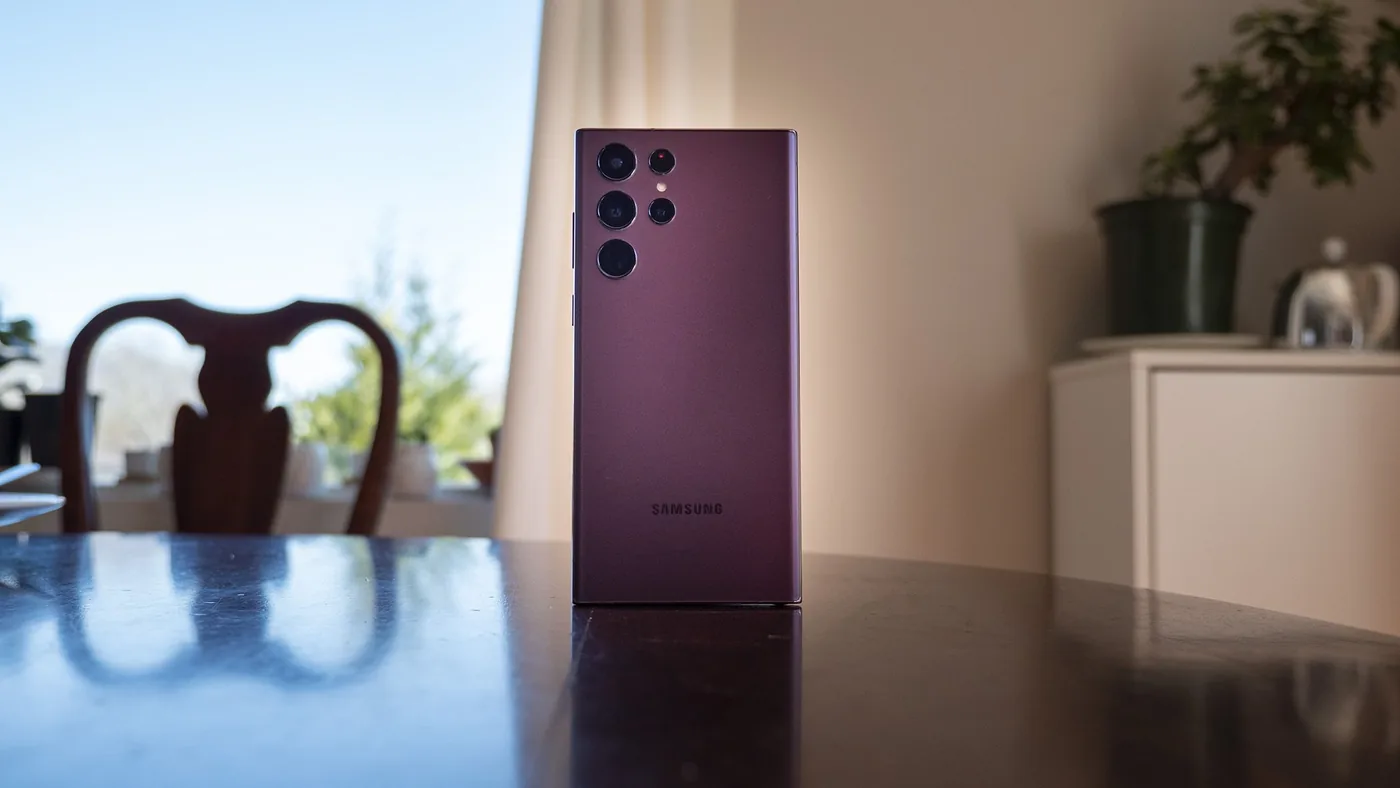
The dispute centers on the Game Optimizing Service, a system tool that Samsung preinstalled on its Galaxy devices to manage heat during prolonged mobile play. While cooling safeguards normally step in to protect processors when hardware gets dangerously hot, regulatory investigators discovered that this service throttled GPU and CPU output regardless of temperature. The background software capped hardware speed whether the phone was warm from hours of play or completely cold on a table [1]. In testing across popular mobile titles, the utility slashed processing performance down to 30% of normal limits. Gamers who expected flagship speed encountered heavy frame drops, visual stutter, and unresponsive touch controls that undermined Samsung’s promises of an ultimate gaming device [2].
Smartphones drop processing speeds when thermal sensors detect high heat, because protective throttling prevents hardware from breaking. The Game Optimizing Service didn’t wait for heat thresholds, which became the technical core of Samsung game throttling complaints. It identified games by application package and choked performance right from the start [1].
In its official findings, the antitrust commission stated that the regulatory action “reaffirms the need by companies to clearly inform consumers of important factors affecting performance”. Regulators explained that phone buyers have a right to know if built-in software deliberately throttles the hardware they paid for. When a manufacturer decides to curb clock speeds to keep phone cases comfortable to hold, it needs to disclose those performance trade-offs before taking customer payments [1].

Disputes Over Samsung Game Throttling Claims
Samsung defended its engineering strategy and announced plans to challenge the fine. Through statements given to Yonhap News, the company said GOS was designed to “allow users to enjoy games stably for extended periods” without risking device safety [1].
Coverage from Seoul Economic Daily reported Samsung’s legal defense, which centers on whether phone buyers experienced measurable harm. Samsung stated that “no court has found that consumers suffered harm because of the advertising” as it prepared to appeal the decision. The company maintained that prioritizing steady temperatures protects device reliability, preventing chips from overheating during long multiplayer sessions. Company attorneys argued that maintaining consistent performance over hours of gaming delivers a better handheld experience than allowing brief speed bursts that lead to abrupt thermal shutdowns [2].

Many mobile gamers rejected that argument. Nickolas Diaz of Android Central pointed out that buyers choose flagship phones for raw computing power, and discovering unannounced throttling leaves players frustrated about spending hundreds of dollars on underperforming hardware [1].
Lawsuits and Software Controls
Backlash over the throttling controversy spread quickly from web discussions into legal action within South Korea. Disgruntled Galaxy owners formed a class-action lawsuit against Samsung, arguing that hidden performance caps lowered the practical value of their phones. Plaintiffs claimed that buyers wouldn’t have paid premium retail prices if marketing materials had openly disclosed that GOS could cut computing speeds down to less than a third of advertised capability. The lawsuit argued that secret software throttling deceived consumers by masking hardware limitations behind benchmark scores that phones couldn’t sustain during everyday play. Legal filings in Seoul focused on the contrast between benchmark tests, where GOS stayed dormant, and popular gaming titles that triggered automatic software curbs [2].
Mounting public anger prompted Samsung to revise its firmware. Stephen Schenck of Android Authority observed that giving Galaxy owners a toggle to turn off the performance-killing service was a welcome update, even if regulatory penalties arrived years after the controversy began [2].

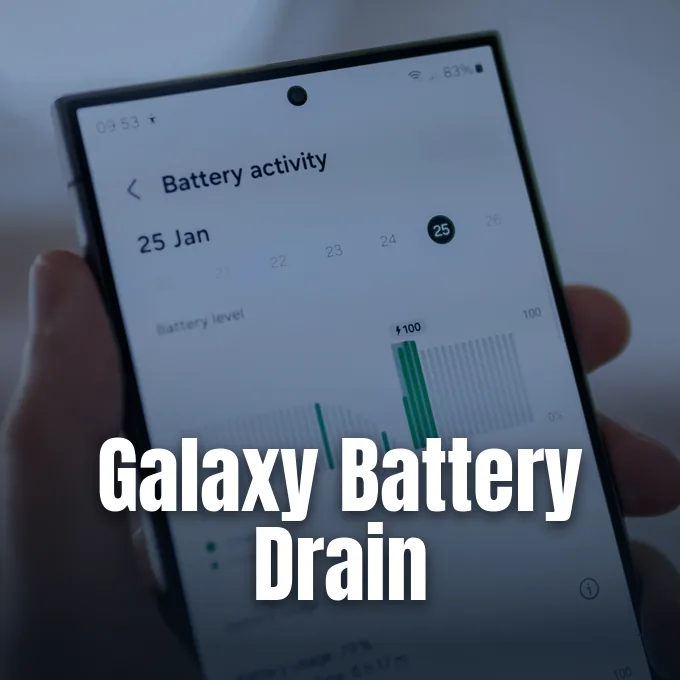
Software behavior across Galaxy devices continued to evolve, and later hardware faced separate performance scrutiny when Galaxy S24 users faced battery drain issues following major operating system updates. Even with newer silicon, balancing speed and heat generation poses challenges for handheld hardware makers. Newer flagships like the Galaxy S25 Ultra can run demanding mobile releases like Wuthering Waves, but players still need to lower graphic presets to achieve smooth, steady frame rates during heavy gameplay [1].
Longer Term Hardware Repercussions
Thermal management struggles at Samsung were closely tied to past processor architectures. Older Exynos chips developed an unfortunate reputation for heating up quickly under gaming workloads, which forced software teams to use heavy throttling routines to keep phone cases comfortable to hold. Samsung has spent years working to fix these thermal shortcomings in newer silicon revisions, with industry reports pointing toward major improvements planned for the Exynos 2600 and 2700 platforms. By designing more efficient chip layouts and improved cooling chambers, the company hopes to deliver sustained processing speeds without relying on covert software restrictions that trigger consumer backlash [1].
Mobile gamers pay closer attention than ever to sustained clock speeds during long matches. When manufacturers market phones with claims of peak gaming performance, enthusiasts test frame rates to verify whether the hardware delivers. Covert throttling can’t stay hidden for long [2].
The regulatory fine in South Korea serves as a clear warning for smartphone manufacturers that rely on bold marketing while using background software to constrain thermal output. Consumers expect transparency about hardware limits, especially when spending a thousand dollars or more on flagship devices. For Samsung, resolving GOS disputes means making sure that future Galaxy models balance processing power, cooling, and truthful marketing from the moment they arrive in stores [1].
- ONLINE NEWS Diaz, N. (2026, October 27). FTC fines Samsung—imposes $15 million fine over false Galaxy S21 gaming ads. Android Central. [Article Link]
- ONLINE NEWS Schenck, S. (2026, October 27). Samsung faces fines for throttling Galaxy gaming performance. Android Authority. [Article Link]


1 comment