





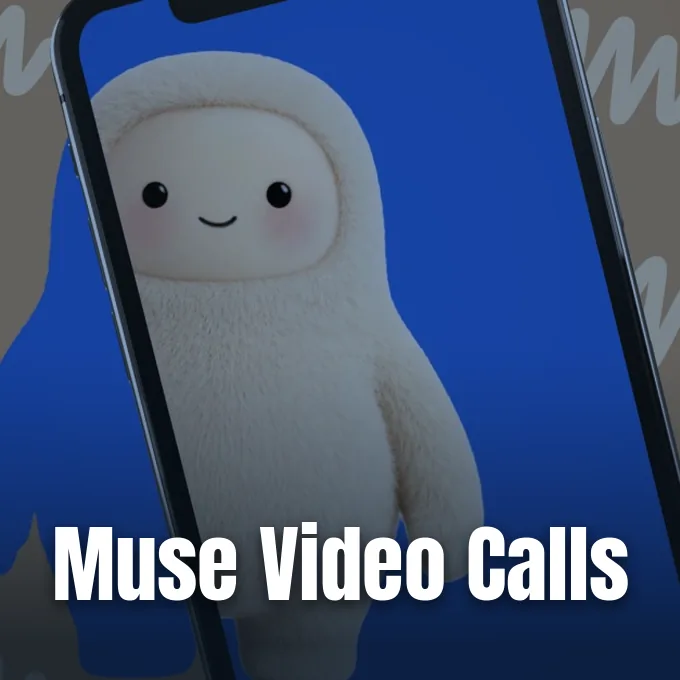
Meta announced on Thursday that U.S. users can now place live video calls and voice chats with their Muse AI agent in the official app [1]. The update introduces Muse Voice, a feature that turns the standard chat screen into an active call interface complete with expressive digital personas [2]. Alexandr Wang, chief AI officer at Meta, shared the rollout across social platforms with a demo video showing how the avatar talks in real time [1].
How Spoken Video Calls Work
The new call tool changes how people interact with the software. Instead of typing prompts into an input box, users press a call button to start an audio exchange with an on-screen character [1]. The bot speaks back through device speakers while moving its face in sync with each sentence [2].
Can users speak naturally without typing prompts? The system processes spoken queries immediately and responds using generated speech, allowing people to interact freely with the Muse assistant through everyday voice remarks without delay. Meta pairs audio with lively visual motion [1]. While rival tech companies provide audio-only voice modes, Meta gives its digital figure visual expressions and physical gestures during each call to help hold user attention on the screen [2]. The animated character reacts as each sentence plays out [1].
Meta first previewed these video features in September during the Meta Connect developer conference, where engineers showed how real-time speech synthesis and visual character generation combine into a single responsive system. The company wanted bots to feel approachable [1]. According to reporting by Jay Peters of The Verge, the nationwide rollout gives American users their first public opportunity to test these animated voice tools on everyday devices [2].
Customizing the Muse AI Agent Avatar
The default avatar carries the nickname Jolly, presenting a playful animated figure that reacts during calls. However, callers do not have to keep that preset design. Meta allows people to customize the character into a human likeness, an animal, or a stylized cartoon figure, although the software does not capture video feeds of the user calling in [1]. Users pick whichever look fits their personal taste [2].
Meta built two systems, known as Muse Realtime Avatar and Muse Realtime Voice, to synchronize spoken audio and facial movements without awkward delay. When audio plays through the speaker, the on-screen persona produces what Meta describes as “subtle expressions and gestures” matching the conversation tone. Although the program does not view callers through the device camera, it processes speech rhythm, volume, and natural pauses to adjust movements as people speak [1]. This approach creates a live video call setting where an animated digital figure looks and sounds like an attentive companion, distinguishing the app from basic audio tools that rely on static text screens on mobile devices [2]. The software aligns lip motion with spoken sound in real time [1].

By giving the helper physical gestures, Meta hopes users will view the companion as an engaging spoken partner [1]. Visual feedback keeps people chatting for longer periods [2]. The company previously introduced Meta Muse shopping tools to help people search products, and this visual update to the Muse AI agent builds on that earlier shopping framework.


Wang’s Dog Avatar Demo
To highlight how the software handles casual conversation, Alexandr Wang published a video demo on X where he tested whether the system could respond to spontaneous humor without awkward pauses. Wang chose a fluffy white dog avatar [1]. The animated animal moved its head attentively as Wang spoke in a relaxed tone, letting viewers see how the underlying speech engine synchronizes physical gestures with incoming audio [2]. The dog tilted its ears during the live exchange [1].
In the demonstration video, Wang joked about his habit of posting memes on X (Wang serves as chief AI officer at Meta). He told the avatar that his online posts might have caused trouble with his boss. The fluffy dog listened carefully to Wang’s remarks. The companion suggested attaching clear disclaimers to humorous posts so viewers would not assume the company officially endorsed daring jokes, drawing laughs from viewers online [1]. The playful exchange showed that the chat engine handles banter without breaking character or stalling during calls [2].
The lighthearted exchange showed that subtle visual cues help artificial personas feel approachable during live calls. Rather than providing stiff robotic answers, the avatar paused, tilted its head, and timed its response to match Wang’s tone [1]. Reports from Sarah Perez at TechCrunch and Jay Peters at The Verge noted that this demo showcased personality together with basic software tasks [2].
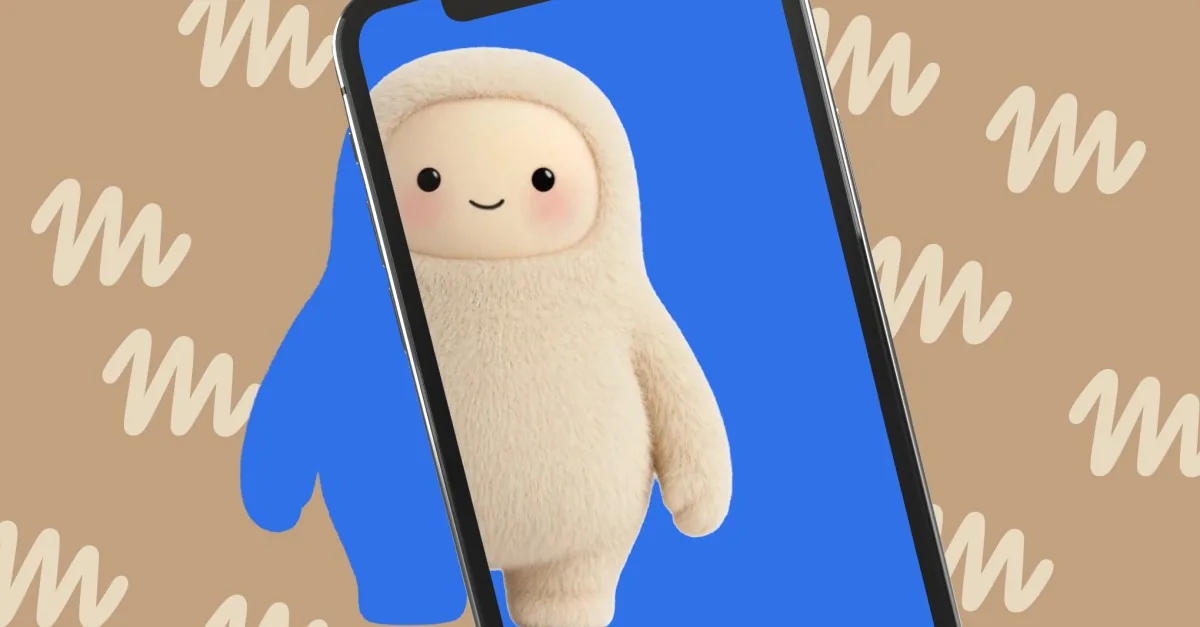
Upcoming Muse AI Agent Hardware
The arrival of video calls coincides with Meta preparing a new lineup of consumer hardware, including a pocket device scheduled to debut before the end of 2026 with design cues from classic Tamagotchi toys. The pocket unit features a small digital screen [1]. Users can view animated character reactions while speaking into the microphone, allowing them to assign daily tasks or ask questions without needing to pull out a mobile phone [2]. The hardware stays connected during daily routines [1].
According to Sarah Perez of TechCrunch, this handheld gadget will let people carry the Muse AI agent on daily commutes. Users will speak to the companion through built-in microphones, and the screen will show the avatar reacting as it handles tasks [1]. The upcoming hardware will launch as the Muse Charm pocket device, offering an alternative to pulling out a smartphone for voice interactions.
Meta also plans to bring these real-time voice features to its AI Glasses line. Wearers will be able to speak with the assistant while walking or working, receiving spoken replies through the frames [1]. By connecting visual avatars and voice models on wearables, Meta seeks to keep its assistant accessible throughout the day [2].
Supported Devices and Rollout Details
Today, the video and voice calling features run across several major operating systems and consumer platforms. People in the United States can start conversations on mobile devices running iOS or Android, use desktop browsers, or open native Mac software (including macOS and popular desktop browsers) [1]. This multiplatform access allows users to initiate a call on a work computer and continue the conversation on a handheld device later [2]. The engineering team designed the screen to maintain identical avatar animations and voice quality regardless of whether someone connects from an Apple Mac laptop, a Windows PC, or an Android phone [1].
News aggregator Techmeme rounded up coverage from outlets such as Meta Newsroom, TestingCatalog AI News, and Mashable, confirming that voice and video features are active for all supported accounts in the United States. Other publications, including The Next Web, iPhone in Canada, and iClarified, noted that the update rolled out without requiring paid subscriptions [2]. The update is free for all current accounts [1].
As voice tools expand to additional regions and new hardware, Meta plans to refine how digital personas react to user speech [1]. The engineering teams continue to optimize voice latency and speech speed in different network conditions [2]. With video calls now live in the United States, Meta has taken a clear step toward turning standard text assistants into lively visual helpers [1].
- ONLINE NEWS Perez, S. (2026, November 5). Meta says US users can now video chat with their Muse AI avatar. TechCrunch. [Article Link]
- WEBSITE Techmeme. (2026, November 5). Meta rolls out voice mode and expressive avatars in the Muse app. Techmeme. [Article Link]


