





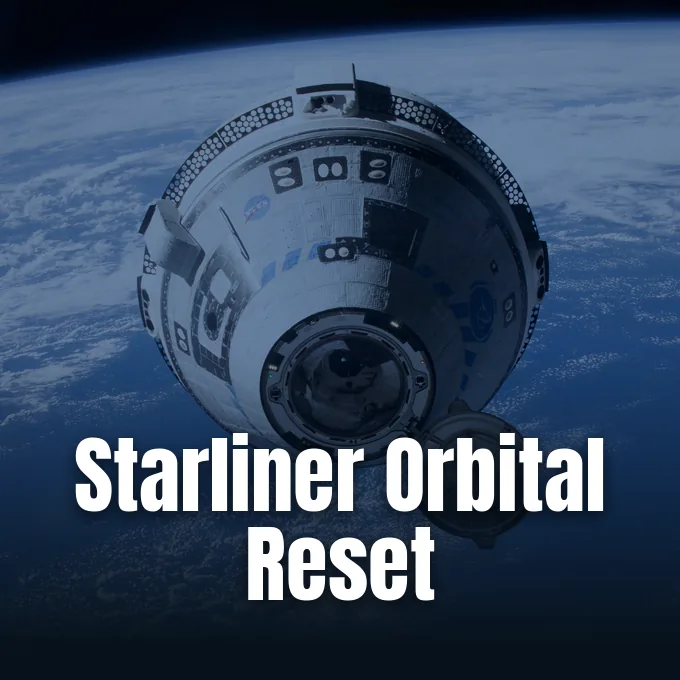
Can an embattled spacecraft overcome recurring propulsion anomalies to secure a dependable lifeline to orbit? Federal space officials and aerospace engineers are confronting that challenge as the NASA Boeing Starliner program implements an exhaustive technical pivot. Following extensive ground evaluations and programmatic reviews, NASA Administrator Jared Isaacman announced that the agency will conduct an uncrewed orbital demonstration to the International Space Station before permitting astronauts to board the vehicle again [1, 3].
NASA Boeing Starliner Roadmap Sets Uncrewed Test
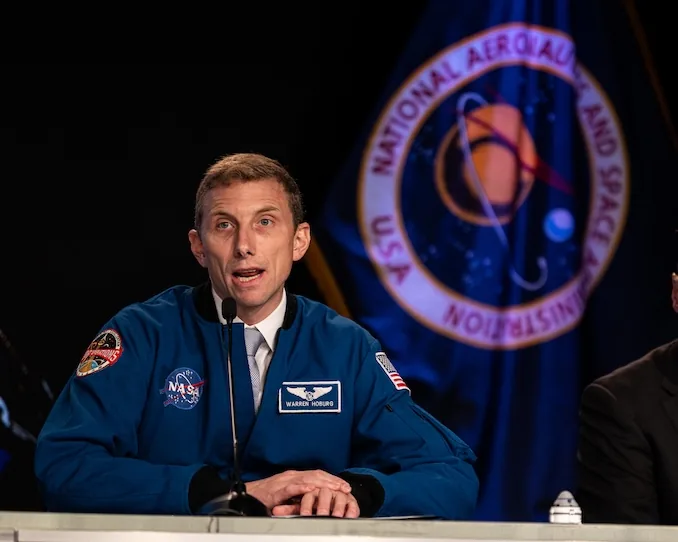
During a joint briefing on Monday, September 28, NASA and Boeing leadership presented a revised flight sequence designed to validate hardware corrections under realistic flight loads. The briefing included NASA Administrator Jared Isaacman, Low Earth Orbit Program Manager Dana Weigel, NASA astronaut Warren Woody Hoburg, and John Mulholland, the vice president and program manager for Boeing Commercial Crew [2]. Isaacman framed the operational environment as a transformative moment for space exploration. “We are living through the most exciting era of space exploration since Apollo,” Isaacman said, noting that multi-vehicle access remains indispensable for long-term orbital infrastructure [1].
Under the updated framework, the uncrewed Starliner-1 demonstration mission is slated to launch as early as December of this year or January 2027 [3]. NASA views this flight as an engineering proving ground rather than a routine transport ferry. If Starliner-1 achieves its technical targets, NASA plans to launch astronauts aboard Starliner-2 by 2028. NASA Boeing Starliner certification will depend directly on the flight data gathered during these orbital operations. Isaacman explained that the agency intends to exercise contract options for a fifth and sixth operational mission to the space station once certification requirements are fully met [1].
Astronaut Warren Woody Hoburg will command Starliner-2. Isaacman praised Hoburg’s technical contributions, calling him “an absolutely brilliant guy who’s helping on a lot of our ignition priorities,” and expressing confidence that his flight experience will support the mission [3]. That operational path directly contrasts with the emergency logistics that prompted earlier commercial crew station flights awarded to SpaceX, shifting federal space policy from temporary bridge contracts toward restoring Boeing as an independent American transportation pillar. Redundancy protects access to orbital research [1].
Investigating the Calypso Flight and Thruster Failures
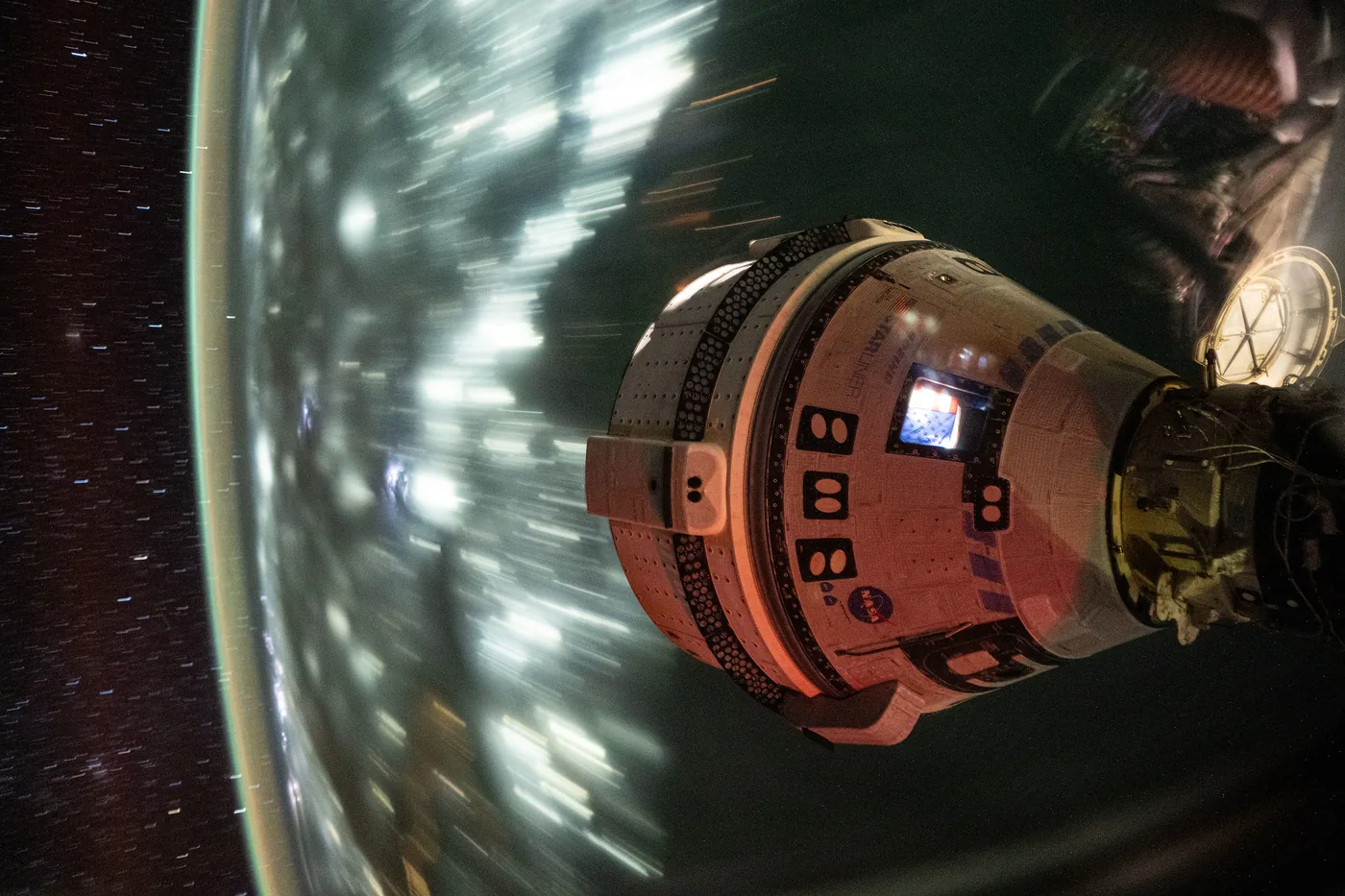
The operational reassessment follows the troubled 2024 Crew Flight Test, which marked Starliner’s maiden voyage carrying humans into orbit. The spacecraft, named Calypso, launched after several scrubbed attempts, carrying veteran NASA astronauts Barry Butch Wilmore and Sunita Williams toward the International Space Station for what planners originally conceived as an eight-day mission. As the capsule approached the orbital laboratory, docking thrusters malfunctioned and persistent helium leaks emerged within the service module pressurization architecture. The anomalies prompted NASA mission managers to conclude that returning the astronauts aboard Calypso posed unacceptable safety risks [3].
Their orbital stay lasted 286 days. The empty capsule returned safely, while Wilmore and Williams touched down aboard a SpaceX Dragon spacecraft [3].
In February 2026, NASA released the formal conclusions of its Program Investigation Team detailing the operational breakdowns that forced the uncrewed landing. The panel issued 61 recommendations [1]. Beyond physical hardware failures in the reaction control thrusters, an analysis published by Scientific American highlighted institutional breakdowns documented in the inquiry, including lax NASA oversight of Boeing, insufficient data transparency between project teams, and questionable decision-making during critical phases of the mission [3]. Dana Weigel, manager of NASA’s Low Earth Orbit Program, affirmed that the agency’s top priority remains the safety of the station crew and the public, emphasizing that operational controls must meet strict human spaceflight standards [1].
Engineering Fixes for the Starliner Spacecraft
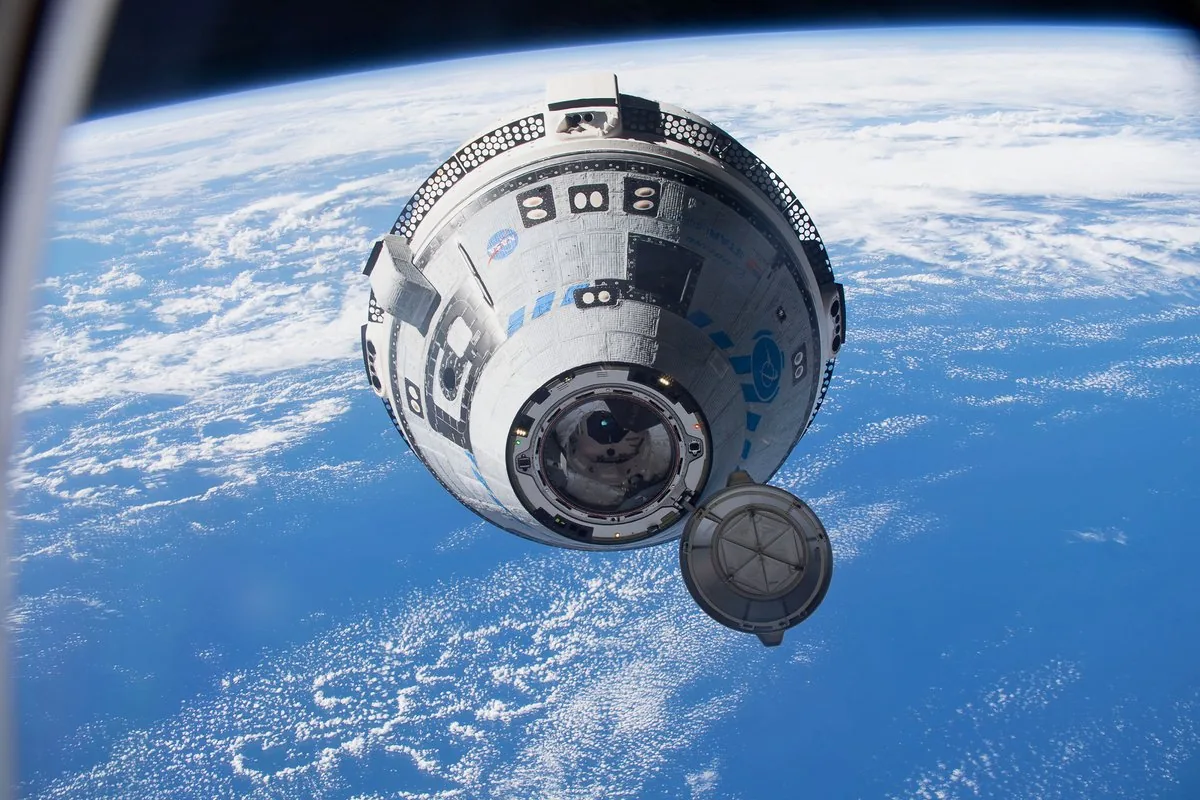
Ground tests conducted by NASA and Boeing demonstrated that the thruster degradation observed on Calypso stemmed from extreme thermal conditions interacting with internal mechanical components. Thrusters in the service module reaction control system operated outside their qualification envelope during extended firings. To resolve the issue, Boeing restructured the thermal shielding around the service module housing to dissipate heat more effectively during rendezvous burns. The upcoming flight will evaluate whether these structural modifications prevent the severe overheating that compromised attitude control during the 2024 mission [1].
Engineering teams also identified mechanical friction within the propellant valve assemblies as a primary vulnerability. Intensive post-flight analysis revealed poppet seal extrusion, a phenomenon where synthetic valve seals deform under heat and pressure, restricting the precise flow of propellant. NASA and Boeing jointly agreed to implement a revised valve design to eliminate seal extrusion prior to carrying astronauts. Technicians at Kennedy Space Center are also installing new crew module thrusters, upgraded onboard batteries, and modified parachute linkages to improve landing deceleration dynamics [1].
Weigel stated that testing the propulsion system through targeted demonstration objectives is essential to validate thermal performance under flight constraints. The uncrewed mission serves as an engineering evaluation to quantify residual risk before human crews climb aboard. Rigorous ground testing cannot substitute for spaceflight [1].

Does NASA Work with Boeing?
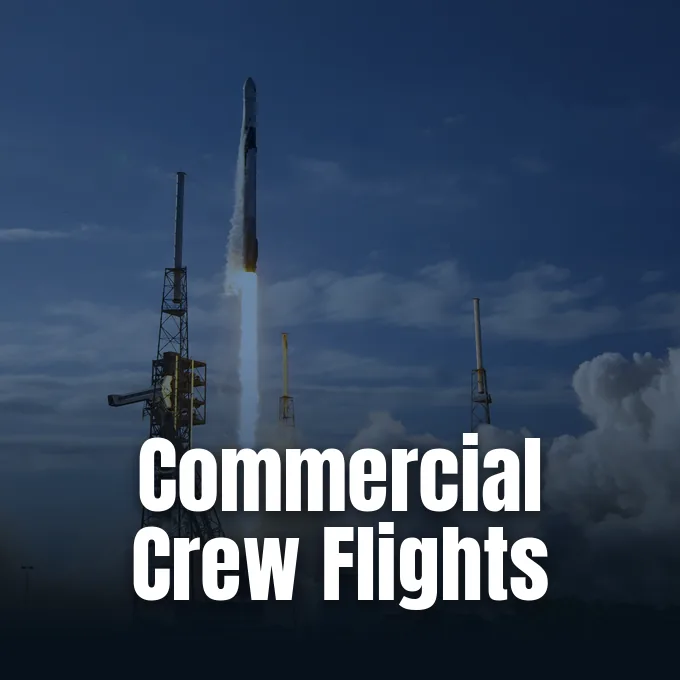
NASA works with Boeing as an anchor commercial contractor within the Commercial Crew Program to procure dedicated astronaut transportation services rather than purchasing government-owned space hardware [2]. Under this public-private arrangement, Boeing designs, builds, and operates the CST-100 Starliner while NASA sets baseline human-rating safety standards and pays for mission milestones [1]. This contract structure mirrors the parallel development track that resulted in operational commercial crew missions for the SpaceX Crew Dragon system [3].
Cooperation between the two entities extends beyond spacecraft design into comprehensive systems engineering and joint risk management. Following the Crew Flight Test findings, NASA established an integrated oversight structure to track corrective actions with Boeing engineers [1]. While NASA Administrator Isaacman acknowledged that one commercial provider is already meeting agency needs reliably, he affirmed that NASA remains fully committed to bringing Boeing’s spacecraft into active service [3]. The agency plans to exercise flight options for Starliner-5 and Starliner-6 once operational certification is attained [1].

John Mulholland represented Boeing Commercial Crew [2]. During the September 28 conference, Mulholland emphasized that close coordination with NASA technical authorities has guided every propulsion redesign. The joint engineering teams hold regular technical interchanges to assess thermal qualification data. Both partners share the goal of achieving reliable low Earth orbit transportation for the International Space Station and future private space stations [1].
Certifying Vulcan Centaur for Commercial Starliner Flights
A major technological transformation for the NASA Boeing Starliner program involves certifying an entirely new heavy-lift rocket for orbital ascent [1]. Starliner launched on United Launch Alliance Atlas V rockets during its initial test flights. Atlas V production has ended. With existing Atlas V booster cores committed to final commercial and military payloads, NASA and Boeing must adapt Starliner to fly aboard ULA’s newer Vulcan Centaur rocket. Transitioning a crewed capsule to a novel booster requires rigorous structural modeling, aerodynamic testing, and human-rating certification [1, 3].
Human-rating the Vulcan Centaur involves verifying emergency abort performance, launch acoustic environments, and payload adapter interfaces. Boeing and United Launch Alliance must confirm that the Vulcan Centaur’s dual-engine Centaur upper stage delivers the precise orbital trajectory required for safe station intercepts. Isaacman confirmed that NASA will actively participate in certifying the rocket before Starliner transitions away from its remaining Atlas hardware [1].
Atlas V will complete its scheduled manifest [3]. Engineering teams from Boeing and United Launch Alliance are currently synchronizing software and umbilicals in Brevard County to support both booster architectures during the phase-out period [2]. Validating the Vulcan Centaur ensures that the Commercial Crew Program maintains domestic booster availability well past the retirement of legacy rocket fleets [1].
Does NASA Use Boeing for Astronaut Flights?
NASA does not currently use Boeing for operational crew flights, relying exclusively on SpaceX’s Crew Dragon to transport astronauts to and from the International Space Station. That singular reliance creates logistical vulnerability for the American space program. SpaceX has publicly discussed intentions to eventually phase out the Falcon 9 booster and Dragon capsule to concentrate resources on advancing its Starship orbital test flight milestones and heavy-lift architecture. Isaacman stressed that operating without a certified backup capsule risks leaving the United States without sovereign access to orbit if a technical grounding affects SpaceX hardware [3].
Preserving multiple crew transportation options has been a cornerstone policy of the Commercial Crew Program since its establishment [1]. “One of them is serving our needs very well,” Isaacman said of the commercial landscape, “The other one we’ve been committed to getting operational”. By proving its engineering modifications during Starliner-1 and returning astronauts on Starliner-2 in 2028, Boeing aims to establish the operational parity NASA requires for long-term orbital expeditions [1, 3].
- PRESS RELEASE Dodson, G. Q. (2026, September 28). NASA, Boeing share update on commercial Starliner development plans. NASA. [Article Link]
- PRESS RELEASE Low, L. E. (2026, September 25). NASA, Boeing to provide update on Starliner development. NASA. [Article Link]
- ACADEMIC JOURNAL Kovac, A. (2026, September 28). NASA looks ahead to Boeing Starliner tests as it tries to overcome the spacecraft’s troubles. Scientific American. [Article Link]
APA 7: NASA Boeing Starliner Flight Plans Shift to Uncrewed Test. (2026, September 28).


