





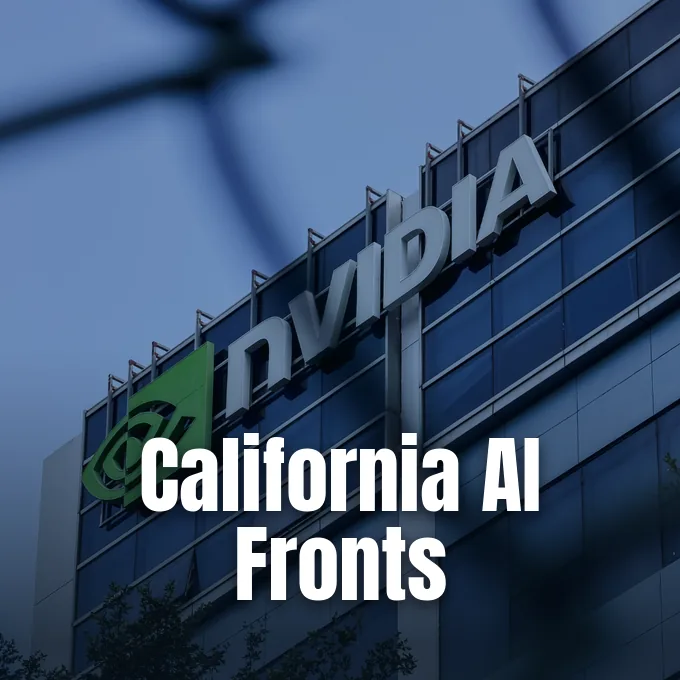
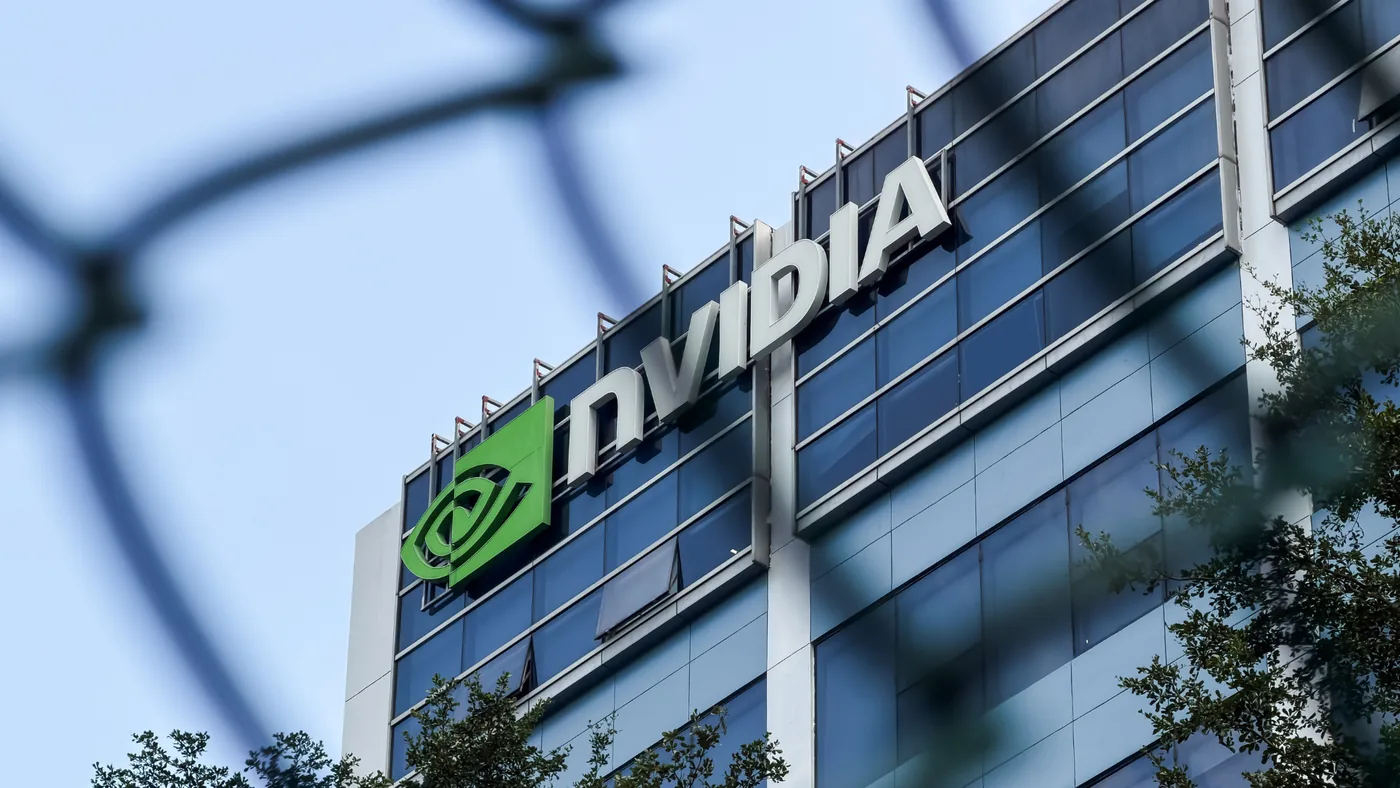
CBS News broke the story. Two California firms buying cutting-edge tech served as fronts for Chinese parent groups to send Nvidia AI chips into overseas supply routes that bypass federal trade controls. The setup let buyers on American soil buy curbed chips before leasing or sending units to foreign buyers. Under federal export rules, makers can’t ship high-tier silicon to Chinese groups without a green light from the US government. Investigators found that local buyers used middlemen to move Nvidia AI chips past trade limits [1].
Sales of Nvidia AI Chips
Trade rules stop chip makers from shipping advanced silicon to unapproved buyers, but Chinese firms set up California entities to buy restricted hardware directly on US soil. Nvidia can sell gaming graphics cards and older chips to buyers in China, but the firm can’t ship its top artificial intelligence parts there. By setting up buying units in California, Chinese owners got chip deliveries that US border staff would have blocked at ports [1].
Chips bought in California did not stay in local data hubs for long. Firms sent the gear to middlemen in Southeast Asia before leasing or shipping the hardware to other buyers. These paths let customers tap into Nvidia AI chips without facing the strict export checks that apply to direct sales to China. Offshore clients leased data center space from brokers, securing tech power while keeping the true Chinese owners hidden from suppliers and regulators in the United States [1].
Smuggling rings have moved huge amounts of tech gear through illicit paths over the past year. Around $1 billion worth of Nvidia chips entered China through illicit supply paths last year alone. Nine people were indicted earlier this year. Persistent shortages continue to push up prices for older Nvidia hardware in global markets [1].
Name Changes After Blacklisting
Airvres was once named Inspur. One of the California buyers, Airvres, is listed on the Nvidia website as an “elite” partner. The firm used to share the name of its Chinese parent firm, Inspur. That name changed after US trade bodies added Inspur firms to a federal trade blocklist in March 2023 [1].
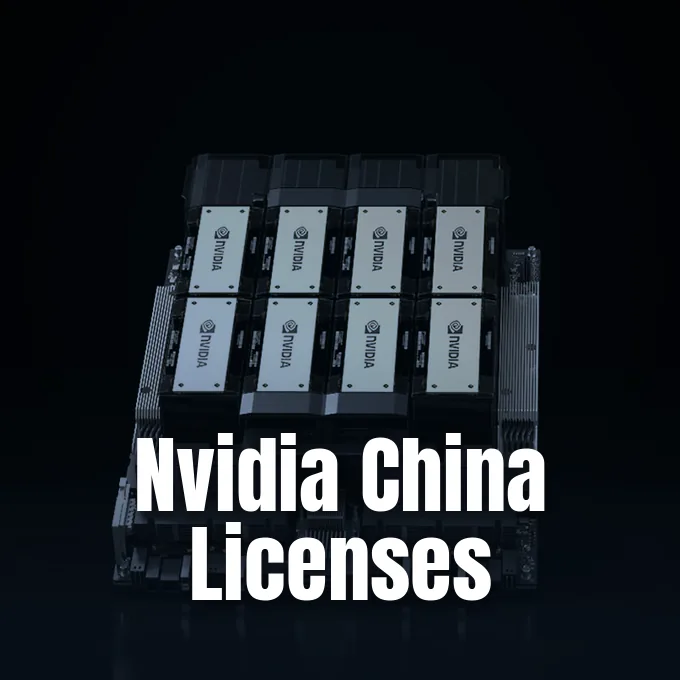
After changing its name, Airvres ran a massive export business through sea and air routes to Southeast Asia. Between April 2024 and February 2026, Airvres exported at least $5.6 billion worth of chips to Southeast Asia, including top-of-the-line Blackwell silicon that federal export curbs sought to keep out of Chinese hands. Shipping records showed that the bulk of these parts went to two firms in Malaysia, with one of the key recipients being Megaspeed, an outfit that later fell under criminal inquiry for skirting US trade laws. The huge sales volume showed how a rebranded firm could move billions of dollars in silicon abroad before trade monitors stepped in to stop the flow [1].

Scrutiny grew as critics asked why federal watchdogs did not spot the name change sooner. Similar questions about oversight arose when the Commerce Department cleared Nvidia H200 sales to overseas buyers with vacant offices. Those clearances showed that basic paper reviews often fail to catch front operations before hardware leaves the country [1].
Military Ties at RiCloud
The second California buyer, RiCloud AI, also leads back to mainland China. The firm is owned by Yuxing InfoTech Investment Holdings Limited. Yuxing keeps its main headquarters in Shenzhen. Public records show that Yuxing CEO and co-owner Cong Yu studied at a Chinese military university before leading tech investments [1].
Cong Yu holds a degree in National Defense Mobilization from the People’s Liberation Army Command College, an academy run by the Chinese military. That military background set off alarms among federal investigators who track whether advanced silicon could aid armed forces in China. When a US-based customer is owned by a firm run by a PLA Command College graduate, trade experts warn that the risk of tech diversion rises sharply. RiCloud AI bought Nvidia hardware while Cong Yu maintained strong ties to Chinese defense circles, creating a clear channel between Silicon Valley chips and military-linked entities in Shenzhen [1].
Agencia Comercial Spirits imported whisky. In 2025, the firm pivoted away from spirits and into artificial intelligence. The former liquor dealer quickly signed data center deals worth up to $598 million through RiCloud AI. Shifting from Scotch whisky to high-end AI data centers within months drew scrutiny from CBS News and federal monitors who track shell companies [1].
Nvidia AI Chips in Transit
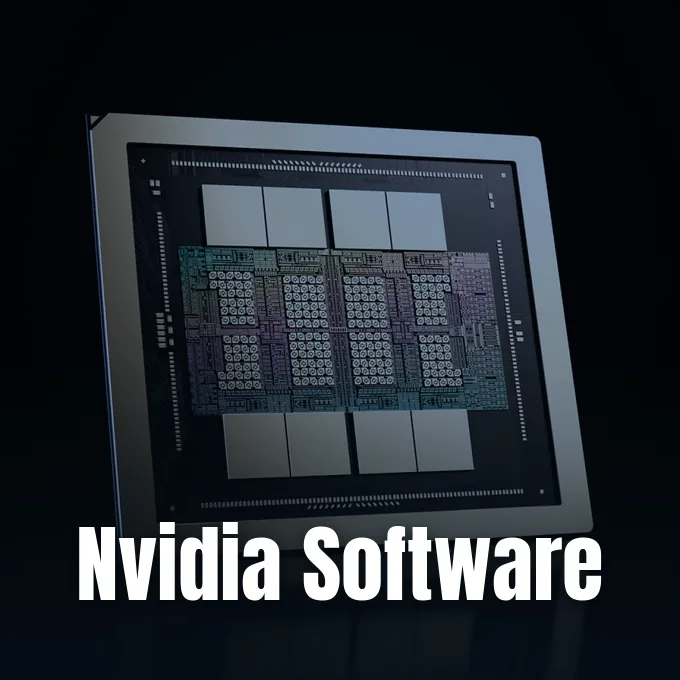
Curbed hardware did not stay in transit hubs in Southeast Asia. Unauthorized Nvidia Blackwell Ultra B300 GPUs were spotted inside China Telecom networks, proving that top chips slipped past trade controls. The discovery showed that export curbs failed to stop banned Nvidia silicon from entering state-backed Chinese telecom grids [1].
Federal authorities launched a criminal investigation into Megaspeed for helping buyers bypass export controls on advanced chips. The US government recently blacklisted Megaspeed after investigators found that it handled massive volumes of Nvidia silicon exported from California through hubs in Malaysia. Transshipment depots in Southeast Asia let brokers re-label boxes or lease servers under private contracts, shielding end users from US scrutiny. Megaspeed served as a primary gateway in Malaysia, helping funnel restricted hardware from California into Asian supply lines where tracking became far harder for US agencies [1].
The leaks fueled fierce debate in Washington about tech controls. Earlier this year, Scott Bessent questioned Nvidia chip controls to find out how diverted chips were reaching blacklisted entities overseas. Lawmakers demanded better tracking of sales to avoid situations where California firms ship high-tier silicon to foreign middlemen without strict verification [1].
Executive Departures and Spy Claims
Jensen Huang resigned earlier this month. The departure came after the Nvidia chief executive admitted to an affair with Alice Huang, a former Megaspeed employee. That personal link tied the head of Nvidia directly to an entity under criminal investigation for smuggling AI chips into Asia [1].
Security agencies added explosive claims to the case by identifying Alice Huang as a suspected Chinese spy. Investigators also discovered that her husband has even closer ties to a Chinese intelligence agency, raising fears of state espionage inside the semiconductor industry. Having a suspected spy connected both to Megaspeed and to Nvidia’s top executive created serious concerns that sensitive details about supply chains, chip shipments, and customer vetting rules may have leaked to Beijing. The case transformed an export dispute into a high-stakes counterintelligence investigation involving the world’s most valuable chip maker [1].
Nvidia is still free to sell gaming graphics cards and slower AI chips to Chinese buyers, but the case of Airvres and RiCloud AI shows how easily export curbs can be bypassed. US authorities now face the hard job of vetting whether California buyers are real local tech firms or fronts for Chinese owners. Stopping the illicit flow of Nvidia AI chips will require deeper checks on ownership, funding, and foreign leasing deals before hardware leaves American shores [1].
- ONLINE NEWS Haslam, O. (2026, November 26). Two Californian Nvidia AI chip customers are really Chinese-owned — companies used as workaround for government export controls. Tom’s Hardware. [Article Link]


