



SpaceX and Tesla set up special board panels to explore a potential tie-up between both businesses, Elon Musk announced on October 20 during the third-quarter SpaceX earnings call [1]. Musk serves as chief executive of Tesla and SpaceX. He told callers that outside directors created the groups after mutual stock owners asked for a formal review [3]. A possible SpaceX Tesla merger would combine the electric car brand Tesla with the rocket manufacturer SpaceX into one group valued in trillions of dollars [1]. Neither panel has agreed on deal terms, and Musk cautioned that a combination is not certain because voters at Tesla and SpaceX must back any plan [3].
Formation of Special Board Committees
Musk cannot join the committee talks because running both Tesla and SpaceX at the same time makes him a conflicted party under corporate board rules [3]. His brother Kimbal Musk sits on the Tesla board and faces the exact same restriction, meaning neither brother can enter the room while deliberations take place [1]. Elon Musk described the setup on the call as “an odd kabuki dance where two groups of people are talking, and I can’t be in the conversation” [3]. Unaffiliated Tesla and SpaceX directors are meeting on their own without executive presence to judge whether a combination genuinely helps both companies over the long run [1]. Musk told investors that uniting the operations has merit though talks remain early, noting that both panels acted after Tesla and SpaceX stock owners asked for the study [3].
Setting up panels does not guarantee that a deal will take place [3]. Outside directors on each side must first review whether a joint company benefits public buyers before sending any proposal to a shareholder vote, and Musk stated that the directors will take time to study every path carefully [1].

SpaceX shared the news during its second earnings call since going public earlier this year. While Musk often criticized public market scrutiny while leading Tesla, he took SpaceX public with super-voting shares that keep him in full control of the space business [2]. Musk told callers that merging Tesla and SpaceX could unite engineering groups behind common goals, though neither committee has drafted terms and directors have set no deadline for completing their work [1].
Board Independence and Overlapping Ties
Evaluating the deal will test how detached both boards are from Musk [2]. Under Nasdaq rules, Tesla counts seven outside board members, including chair Robyn Denholm, former Tesla CTO JB Straubel, Joe Gebbia, Jack Hartung, James Murdoch, Kathleen Wilson-Thompson, and panel leader Ira Ehrenpreis, according to an October 19 Tesla proxy filing. SpaceX lists six outside directors: Randy Glein, Donald Harrison, Steve Jurvetson, Luke Nosek, Roelof Botha, and Ehrenpreis [3]. Because Ehrenpreis leads the pay and nominating panels at Tesla and joined the SpaceX board in February, he holds seats on both company boards at once. Tesla and SpaceX both list Ehrenpreis as an independent voice despite his dual role [1].
Other board ties link Tesla and SpaceX. SpaceX lists Antonio Gracias, Elon Musk, and SpaceX president Gwynne Shotwell as directors who are not independent. Gracias sat on the Tesla board for years before founding Valor Equity Partners, an investment firm that owns a 3.4% stake in SpaceX [3].

Valor Equity Partners also helped finance SpaceX AI hardware purchases through leaseback contracts [3]. Financial ties between Tesla and SpaceX run deep. Tesla became a SpaceX shareholder after a $2 billion Tesla investment in xAI shifted into SpaceX equity when SpaceX acquired xAI. That deal gave Tesla a direct financial interest in SpaceX, complicating how directors assess a merger between Tesla and SpaceX [1].
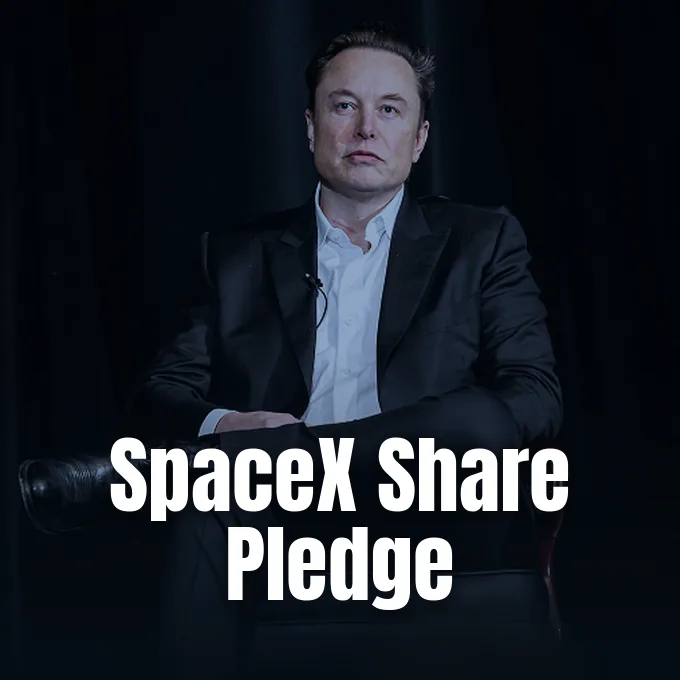

Why a SpaceX Tesla Merger Needs Strict Shareholder Approval
Winning approval from stock owners presents two different tests for Tesla and SpaceX. At SpaceX, Musk holds more than 50% of voting shares, with Fortune reporting his SpaceX voting power at roughly 82 percent [1]. That level of control lets Musk pass any SpaceX board motion without outside help [2]. If the SpaceX panel backs a deal, Musk’s vote decides the outcome for SpaceX without requiring broad backing from smaller funds. Passing the SpaceX Tesla merger at Tesla needs a yes vote from 50 percent of all shares outstanding, not just a majority of votes cast at a meeting [1]. Musk owns around 22% of Tesla stock, so he cannot pass a Tesla vote alone [2].
Tesla built an auto-vote tool to help reach that goal. The feature lets retail owners instruct brokers to vote their shares with Tesla board advice. Retail buyers own a large part of Tesla stock, and because many retail investors skip annual proxy votes, automated ballots could help Tesla hit the required 50 percent mark. Electrek reported that the system only lets owners auto-vote for board plans, with no choice to auto-vote against them [2].

Shared Programs That a SpaceX Tesla Merger Could Unite
Musk argued that joining Tesla and SpaceX would speed up work on key hardware and software goals. On the call, Musk told listeners that “we are pretty much in the superintelligence singularity,” pointing to shared gains in AI software, chip design, and robotics [3]. Tesla builds self-driving cars and Optimus humanoid robots, while SpaceX builds Starlink satellite networks and Starship rockets. Musk stated that the SpaceX Tesla merger would help Tesla and SpaceX pool research budgets and share chip engineers [1]. The companies run Terafab, a joint project to manufacture custom chips for Tesla cars and SpaceX rockets [3].
The teams also build Starmind, an orbital AI data center program that SpaceX plans to launch into orbit. Musk said shared resources would help Terafab and Starmind grow faster under one roof. Starmind and Terafab rely on joint engineering from both Tesla and SpaceX [3].
Earlier collaborations between Tesla and SpaceX surfaced in vehicle demos, including when a Tesla Roadster demo showed cold-gas thrusters built with SpaceX rocket hardware. Engineers have shared ideas across Tesla and SpaceX for years [1]. Critics question whether combining Tesla with SpaceX makes business sense outside of Musk’s computing plans [2]. Outside directors must judge if joint tech projects warrant a full corporate combination between Tesla and SpaceX [3].
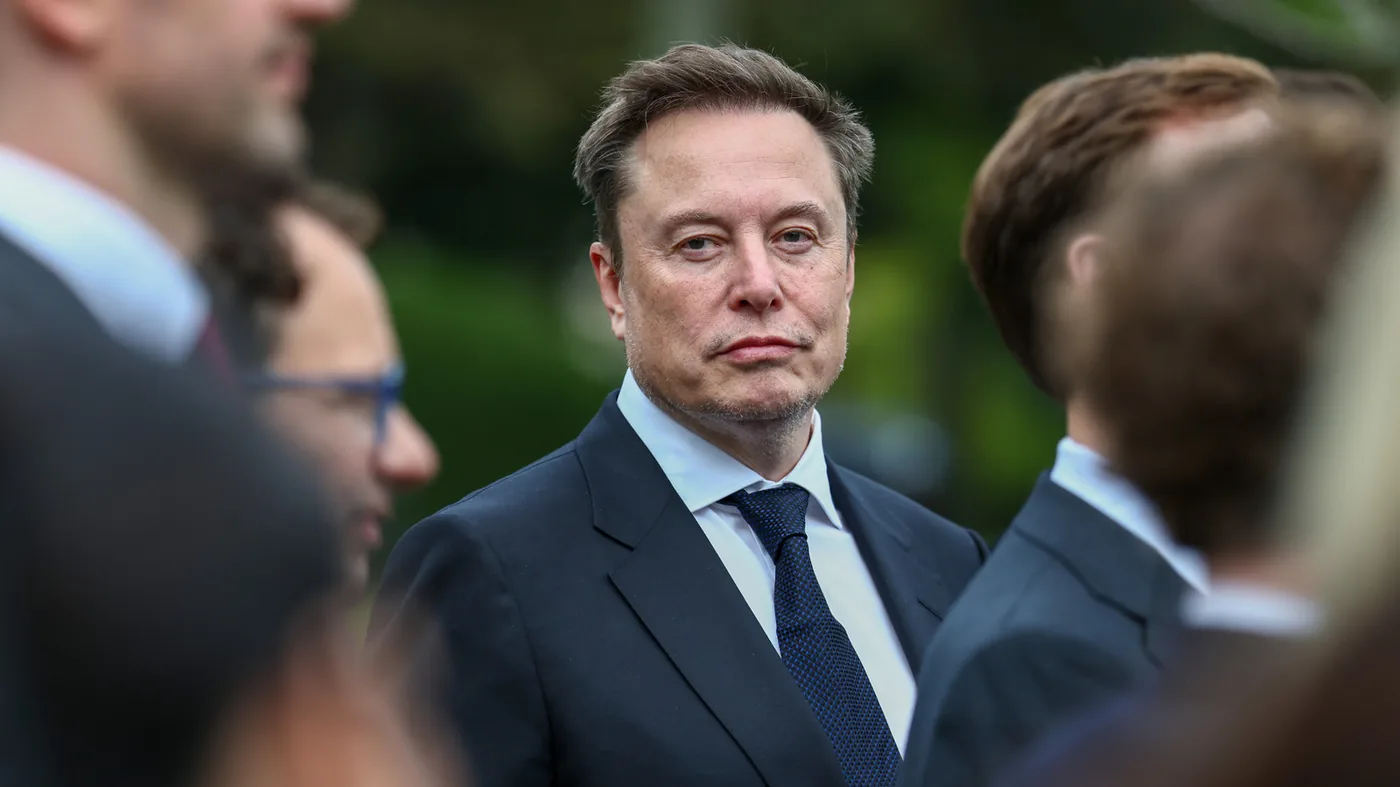
Past Acquisitions and Investor Concerns
The plan has revived scrutiny of past deals between Musk companies. In 2016, Tesla bought SolarCity, a debt-laden solar installer founded by Musk cousins Lyndon Rive and Peter Rive, after Musk showed glass solar roof tiles at an event. Tesla took on billions in SolarCity debt, yet the solar tiles never saw volume output and Tesla ended the product line in August of this year. Electrek argued that merging Tesla and SpaceX carries similar risks of shifting corporate debt. The report noted that Musk paid an estimated $30 billion premium to acquire Twitter using heavy debt that Musk later shifted toward his other business holdings [2].
A merger would also grant Musk wider sway over Tesla assets, matching what the BBC described as his goal of securing greater control over Tesla [1]. Pension funds own Tesla shares through stock indices, and SpaceX entered the Nasdaq 100 index days after its public listing [2].
Under Musk pay deals, a merger could grant him billions in stock without hitting car delivery targets. That equity grant would dilute existing Tesla and SpaceX owners [2]. The proposal also follows a separate equity pledge, coming months after Elon Musk pledged SpaceX shares to American children. Until the special panels finish their work, Tesla and SpaceX investors must wait to see if formal terms ever emerge for a vote [3].
- ONLINE NEWS Moon, M. (2026, October 21). SpaceX and Tesla are exploring a possible merger. Engadget. [Article Link]
- ONLINE NEWS Dow, J. (2026, October 20). Tesla and SpaceX take first step towards merger, would dilute all shareholders. Electrek. [Article Link]
- ONLINE NEWS Korosec, K. (2026, October 20). SpaceX and Tesla boards form special committees to review merger. TechCrunch. [Article Link]


