





At the GCON 2026 conference in South Korea, producers Kohei Shibata and Masakazu Hirayama confirmed that Team Ninja AI tools now handle routine quality checks and bug testing [2]. Shibata told Inven Global that while automated software shortens basic test cycles, games only deliver real fun when human hands craft them. Koei Tecmo wants to save staff hours on simple checks without handing creative control to machine models [1].
Team Ninja AI in Quality Assurance
Shibata produced Nioh 3, which Koei Tecmo shipped this February. He told Inven Global that Team Ninja applies artificial intelligence in QA and bug checking to streamline workflows [2]. Shibata said that using AI brings clear help to game makers when it cuts task times [1].
Large action games like Nioh require running thousands of checks on collision meshes, button inputs, and environment bugs before launch day, so automated scripts handle those basic tests to free up human testers for difficult boss fights [3]. Shibata stated his position directly: “Currently, we utilize AI in QA and various verification tasks to streamline certain workflows”. He pointed out that if software can “shorten task times,” designers can spend more hours “elevating the game’s overall quality” through better combat systems [1]. Team Ninja uses code for debugging instead of cutting staff [2].
Team Ninja avoids pushing automated software into creative design. Shibata said that because generative tools are still new, Koei Tecmo must weigh the good and bad before adopting them [2]. He said other game companies face similar questions as they test software tools [1]. Team Ninja tests each tool carefully so it only solves real debugging problems [3].
Hard Combat Versus Unfair Play
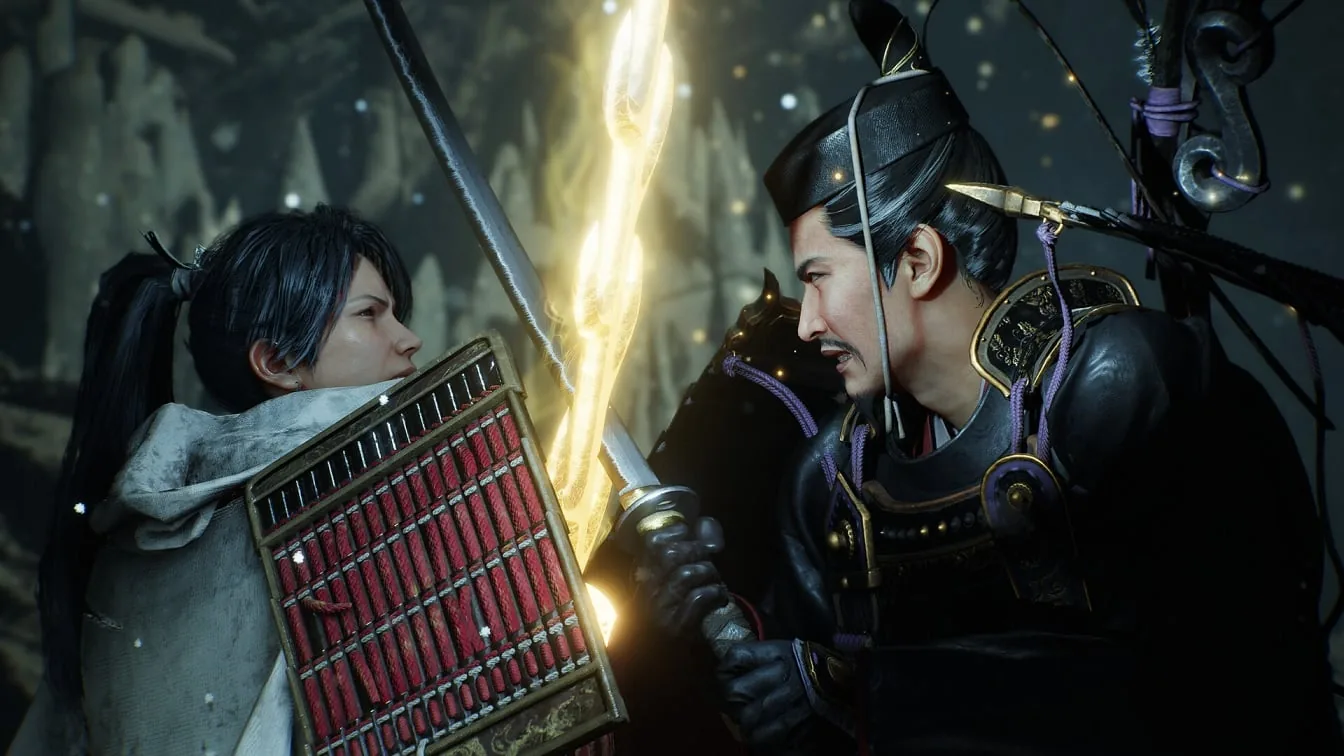
Team Ninja built its name on punishing action games, starting with Ninja Gaiden on Xbox and continuing through samurai hits like Nioh [1]. During their panel at GCON 2026 in South Korea, Shibata and Hirayama said that there is a fundamental difference between a game that feels difficult and one that feels unfair to players [3]. Player deaths must come from personal mistakes instead of bad game systems [1]. Shibata said that dying from dropped inputs causes frustration. To keep battles fair, Koei Tecmo ensures that button presses turn into game actions without lag or clumsy animations [3].
Shibata said that control responsiveness sits at the heart of action games. He said: “When a player presses a button, the character must move exactly as they intended,” noting that if a character moves too slow or overreacts, the combat feels broken [3].
In games like Nioh and Ninja Gaiden, reading enemy attacks is vital for staying alive. Players must watch an enemy’s sword pose, predict incoming strikes, and counter as soon as a small opening shows up. Good combat gives players real joy [3]. Automated software tools can check whether weapon hitboxes trigger as planned, but code can’t tell whether a grueling boss encounter brings thrill or simple anger to players. That balance depends on human designers who play the game [1].


Samurai Moves and Martial Arts
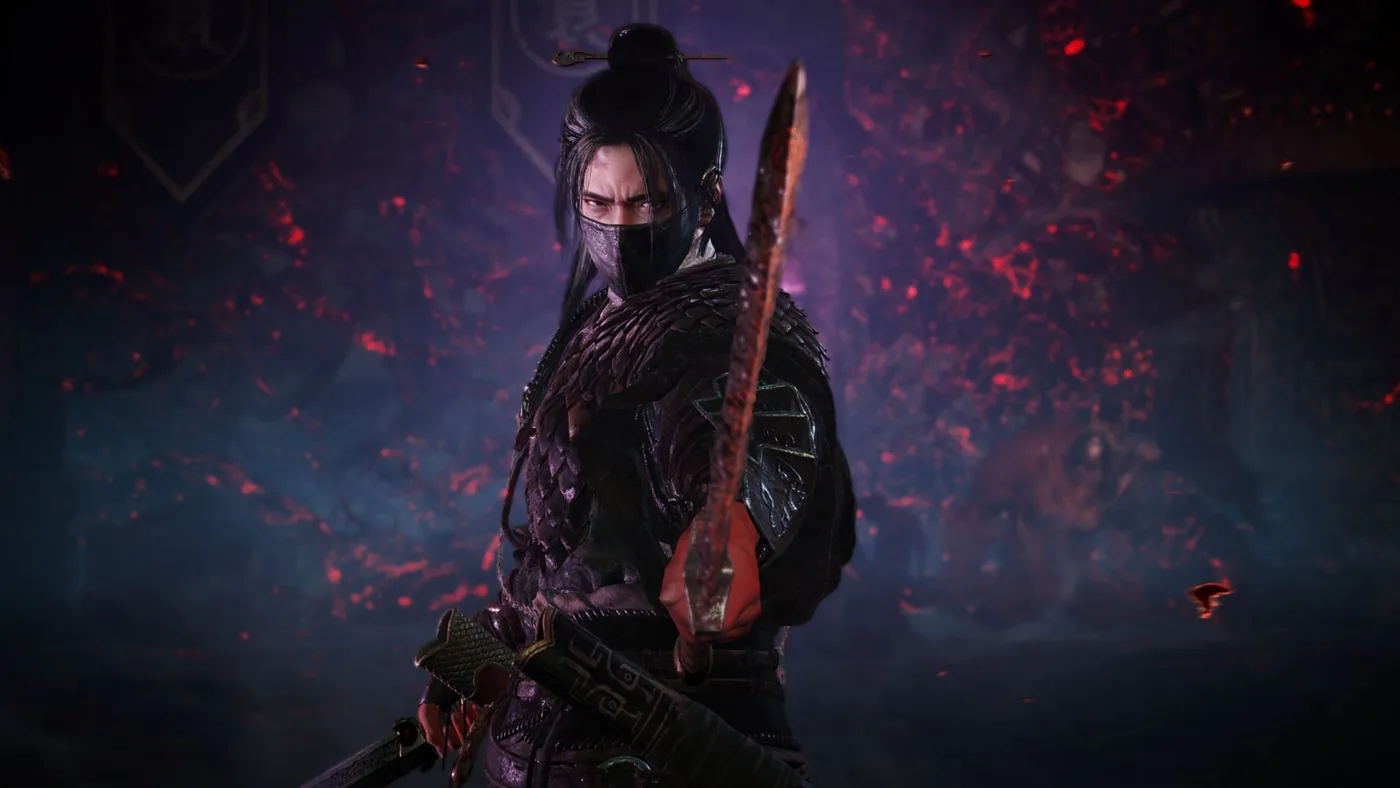
Shibata and Hirayama compared the core ideas behind their games at GCON 2026. While Shibata worked on deliberate samurai swordplay for Nioh 3, Hirayama leads work on Chinese martial arts combat for the upcoming Wo Long 2: Wings of Ember [2]. Both projects share heritage with Ninja Gaiden, but their combat rhythms feel distinct [3].
Shibata described Nioh as samurai action where stillness and movement define the combat experience. Samurai combat in Nioh means standing firm, watching an opponent’s moves, and hitting hard the instant an opening appears. In contrast, Hirayama built Wo Long: Fallen Dynasty and its upcoming sequel Wo Long 2: Wings of Ember on fast Chinese martial arts where attack and defense flow together without stopping, requiring deflections to link into immediate counterattacks [3]. Software scripts can’t copy that rhythm [1].
Team Ninja staff make hundreds of small adjustments when tuning these combat styles. Designers spend days testing how fast a samurai recovers from a missed swing or how wide a parry window should be during a martial arts chain. These subtle numbers decide whether combat feels good to learn [3]. Shibata said these choices come from human feeling instead of code [2].
Where Team Ninja AI Stops in Design
While automated tools help speed up routine checks, Team Ninja draws a strict line around creative choices. Shibata stated that a game only feels rewarding when human minds design the experience, insisting that software can’t replace core artistic choices [1]. That design philosophy shapes where Team Ninja AI tools operate inside active project teams [2].
Shibata warned against treating automation as an independent goal, cautioning developers that adopting software for its own sake risks diluting what makes games fun to play. Shibata laid out his position plainly: “What matters fundamentally is that a game becomes fun when crafted by human hands. Repetitive, simple tasks that anyone must perform can be streamlined using technology. But ultimately, deciding how to craft the game and what makes it enjoyable must be done by humans. Using AI itself should never become the goal. I believe the principle that humans must think for themselves and finish the game will remain unchanged in the future”. That stance lets Team Ninja designers keep full ownership over combat systems, stories, and level paths [1].
Staff at Koei Tecmo look at software tools as digital helpers that clear away boring chores instead of rivals to human craft, using scripts to hunt bugs and check frame rates so coders can spend hours polishing fights and bosses [2]. Creative vision remains in human hands. Team Ninja AI integration stays inside testing suites where code brings clear utility [1].
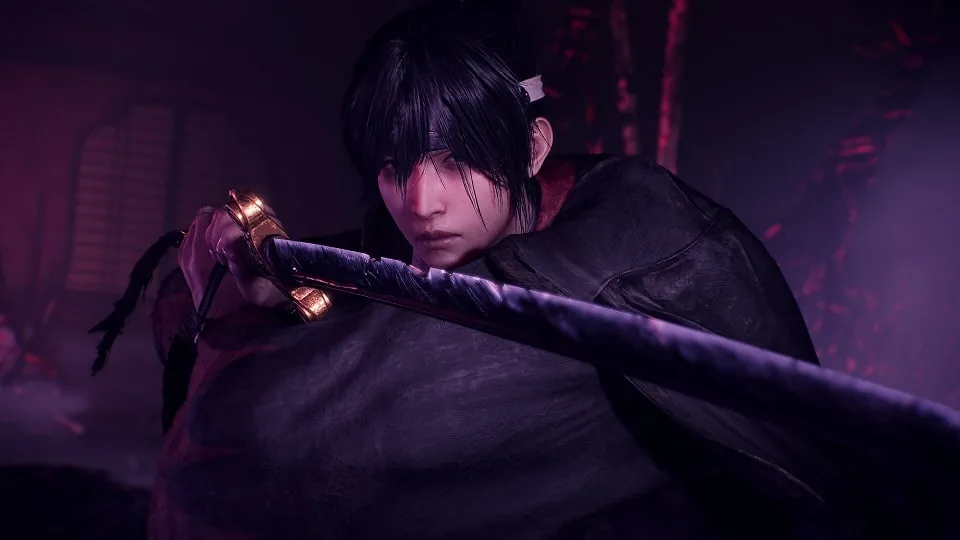
Industry Trends Across Game Studios
The careful path taken by Koei Tecmo matches wider trends in the gaming scene. A survey from the Computer Entertainment Supplier’s Association showed that 85.8% of developers in Japan use generative AI in their work [2]. On a wider level, reports estimate that roughly 40 percent of game creators worldwide use AI tools, even as many workers worry about job safety [1].
Studio approaches vary between Western publishers and Japanese developers, with companies like Ubisoft and Epic Games pursuing AI-first production models while Japanese studios like Capcom build automation into their proprietary RE Engine pipeline to assist staff. Sony tests games with software [3]. Team Ninja follows this middle path by letting code tackle tedious checks while humans shape the play experience [1].
Team Ninja keeps automated speed apart from creative work by restricting software tools to quality assurance. Shibata and Hirayama made clear at GCON 2026 that even as budgets climb and testing windows shrink, human creators must continue to lead game design [1]. Player joy comes from human choices, and Team Ninja plans to keep human craft at the center of every title [2].
- ONLINE NEWS Serin, K. (2026, November 26). Nioh and Ninja Gaiden studio is using AI for QA, but a Team Ninja producer says “that a game becomes fun when crafted by human hands”. Eurogamer.net. [Article Link]
- ONLINE NEWS Đorđe, P. (2026, November 25). Koei Tecmo’s Team Ninja uses AI for streamlining tedious tasks, but games still need to be crafted by human hands to be fun, Nioh producer says. AUTOMATON WEST. [Article Link]
- ONLINE NEWS Haddick, A. (2026, November 26). Team Ninja Is Using AI For Quality Assurance, But Insists Creative Choices ‘Must Be Done By Humans’. Kotaku. [Article Link]


