



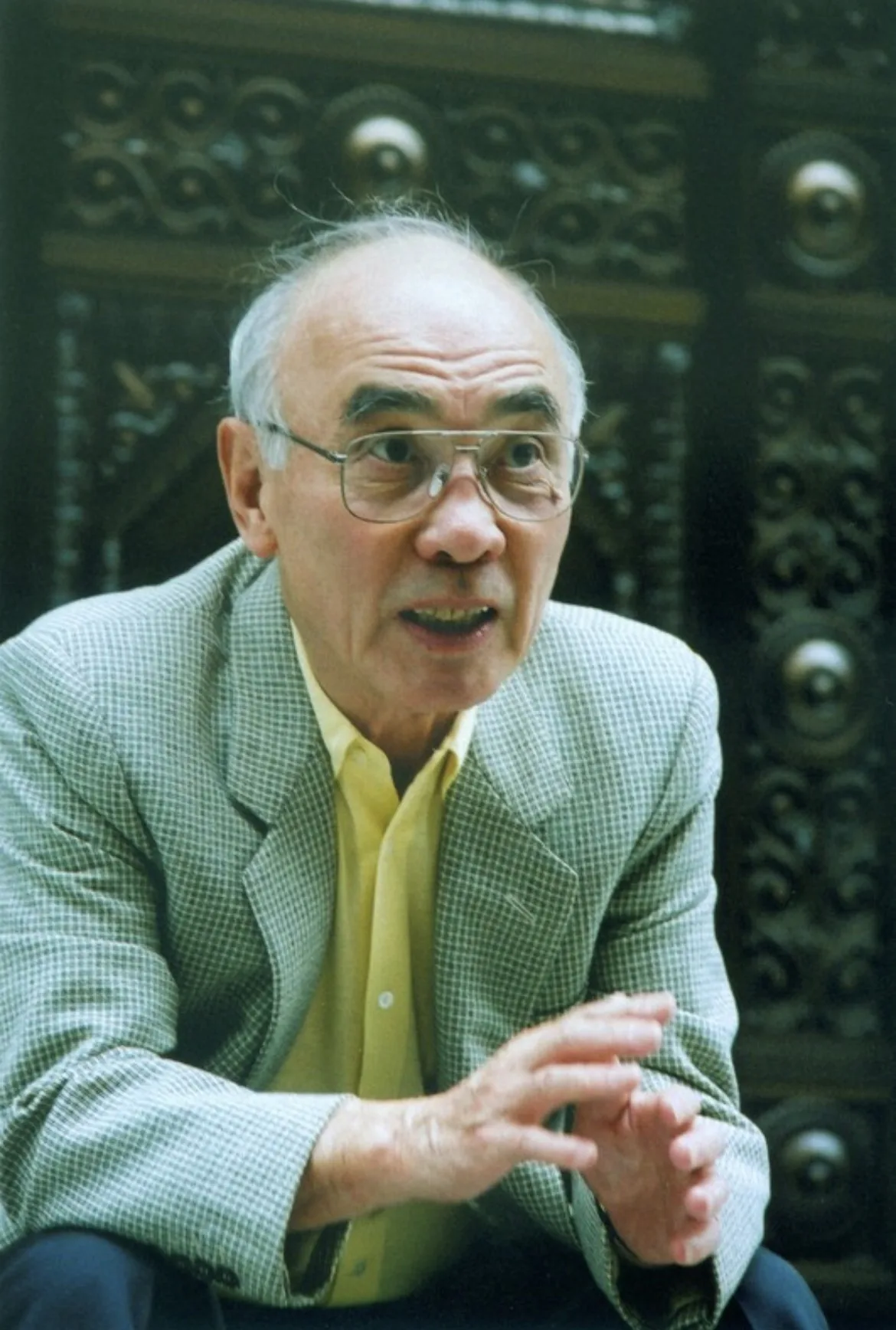
Japanese newspapers Mainichi Shimbun and Yomiuri Shimbun reported that veteran filmmaker and screenwriter Toshio Masuda died of old age on August 26, 2026, at a hospital in Tokyo. He was 98 [1]. Masuda shaped postwar cinema across multiple eras, co-directing the Japanese sequences of the 1970 historical war epic Tora! Tora! Tora! before directing the landmark 1977 anime feature Space Battleship Yamato [3]. The Directors Guild of Japan confirmed his passing following private funeral services conducted by close relatives [2]. His daughter Noriko served as chief mourner [4].
From Russian Literature to Studio Nikkatsu
Born in Kobe in October 1927, Masuda experienced a turbulent youth that altered the trajectory of his career [1]. In July 1945, authorities expelled him from a technical training school because his personal principles conflicted with strict wartime military indoctrination [2]. He subsequently enrolled at the Osaka University of Foreign Studies (now Osaka University), immersing himself in Russian language and literature while discovering a passion for foreign filmmaking [3]. He graduated in 1949. Driven by a love for French cinema and a determination to avoid the conventional life of a corporate salaryman, Toshio Masuda moved to Tokyo to study screenwriting at the Shintoho Scenario Academy [2].
Studio film Shintoho hired Masuda in 1950, assigning him to work as an assistant director and screenwriter under renowned masters Umetsugu Inoue, Nobuo Nakagawa, and Mikio Naruse. Masuda gained practical technical grounding on prominent productions, serving as second assistant director on Naruse’s acclaimed dramas Ginza Cosmetics in 1951 and Mother in 1952. Inoue became a vital creative mentor during this formative era. Masuda collaborated directly on shooting scripts and drafted initial scenarios for multiple projects led by Inoue [2].
In 1954, Masuda transitioned to Nikkatsu as the studio reopened its production facilities and sought fresh cinematic talent to capture modern postwar audiences. He worked diligently through the assistant director ranks before making his formal directorial debut in 1958 with Kokoro to Nikutai no Tabi (Journey of the Mind and Body). That successful initial effort earned him steady commercial assignments across the studio system [1].

Toshio Masuda Built Nikkatsu Action Cinema
During the late 1950s and 1960s, Toshio Masuda emerged as an indispensable architect of the celebrated action slate at Nikkatsu. He directed more than 25 feature films starring superstar Yujiro Ishihara, delivering box-office hits that defined the studio’s golden age and established a gritty modern style for urban thrillers [3]. Masuda directed Ishihara in cornerstone releases including Rusty Knife in 1958, followed by Red Quay and the enduring melodrama Red Handkerchief [1]. Yomiuri Shimbun credited these popular Ishihara collaborations with sustaining the economic foundations of Nikkatsu throughout its peak theatrical era [5].
Masuda directed 82 films across his career, earning widespread industry praise as a craftsman among craftsmen [1].
After departing Nikkatsu in 1968 to work as an independent filmmaker, Toshio Masuda accepted an ambitious international assignment that broadened his global profile [3]. When legendary auteur Akira Kurosawa departed the production of 20th Century Fox’s joint American-Japanese World War II film Tora! Tora! Tora!, studio producers recruited Masuda and Kinji Fukasaku to helm the Japanese sequences. Released in 1970, the film earned international acclaim for its meticulous staging of the Pearl Harbor attack [1]. Masuda proved that he could direct complex battle choreography under demanding cross-cultural production pressures [3].


Space Battleship Yamato Sparked a Cultural Boom
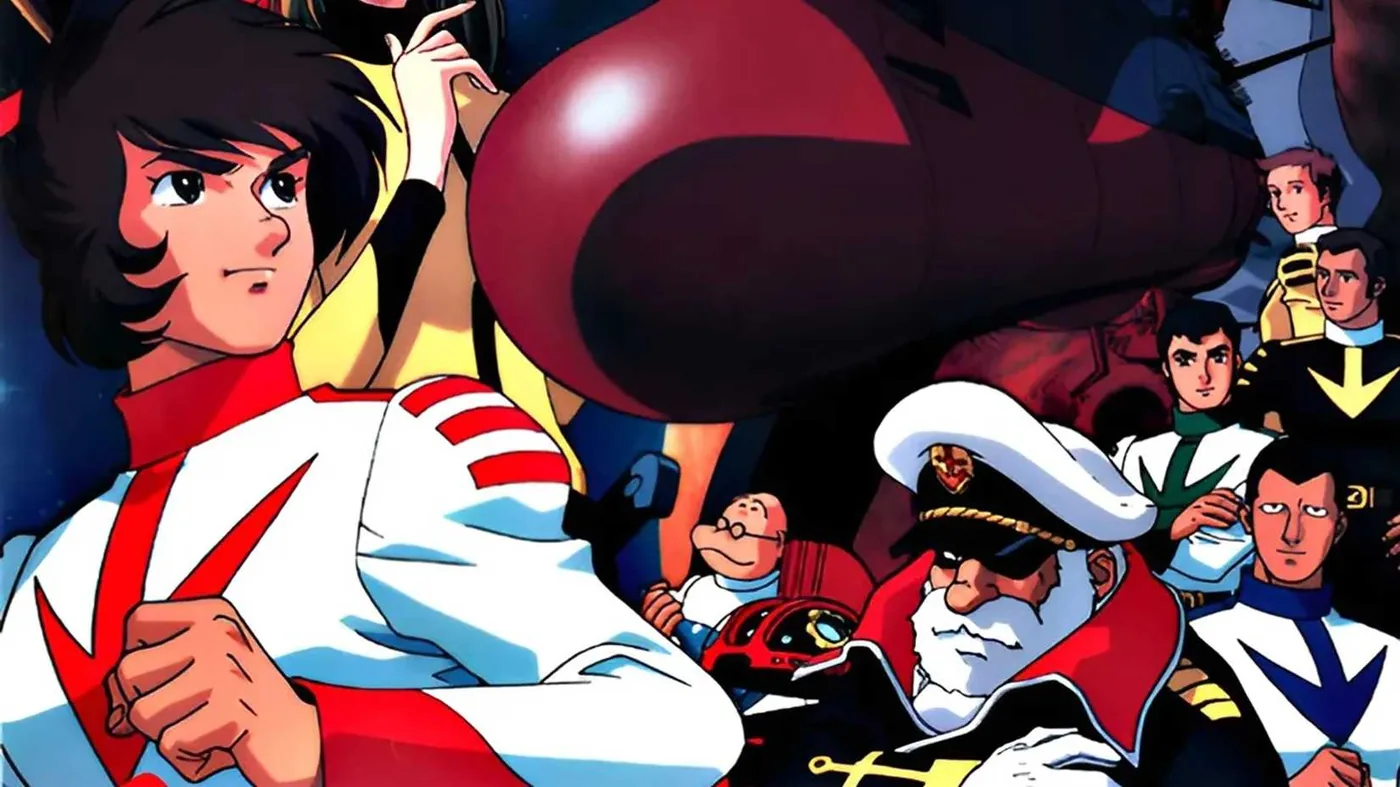
What made Space Battleship Yamato such an enduring cultural sensation across Japan? Masuda entered the animation industry in 1974, collaborating with manga creator Leiji Matsumoto, producer Yoshinobu Nishizaki, and writer Eiichi Yamamoto on the groundbreaking television series. The narrative chronicled a desperate nuclear conflict between humanity and the hostile Gamilon alien race, which had poisoned Earth’s surface with lethal planetary radiation. To save the species before extinction, the Earth Defense Forces converted the sunken World War II dreadnought into an interstellar spacecraft tasked with retrieving a radiation-neutralizing device from the distant planet Iscandar [3].
Although the original 1974 broadcast achieved modest initial ratings, grassroots interest surged over subsequent years through passionate student fan clubs and television reruns [3]. In 1977, Toshio Masuda made his animated theatrical debut by directing the condensed feature film adaptation of the series [2]. The theatrical run broke industry records. Anxious young moviegoers queued overnight outside major metropolitan cinemas to secure admission. Japanese media outlets widely credited the film’s unexpected triumph with igniting a historic animation boom among middle school, high school, and university students across the country [3].
Masuda cemented his stewardship of the franchise by writing and directing Farewell to Space Battleship Yamato in 1978, followed by supervising The New Voyage in 1979 and directing Be Forever, Yamato in 1980 [3]. He contributed scripts and chief supervision to the 1983 cinematic release Final Yamato, later returning to guide the animated project Yamato 2520 and the 2009 film Space Battleship Yamato: Resurrection [2]. His disciplined live-action cinematic pacing gave the sci-fi franchise an emotional weight that elevated the medium beyond juvenile television entertainment [3].

Director Toshio Masuda Earned National Honors
Beyond space opera animation, director Toshio Masuda maintained an extraordinary versatility that traversed mainstream studio genres throughout the 1970s and 1980s [1]. He helmed massive historical war spectacles, most notably the 1980 blockbuster The Battle of Port Arthur (Nihyakusan Kōchi) and the 1982 drama Great Japanese Empire [4]. Masuda tackled apocalyptic science fiction in the 1974 disaster feature Prophecies of Nostradamus, while also demonstrating commercial agility by directing the popular 1982 idol musical High Teen Boogie and the sensitive 1986 romance Katayoku Dake no Tenshi [1].
His critical standing reached another zenith with the 1989 release of Company Executives (Shasō), an incisive drama examining fierce corporate succession rivalries inside a national newspaper corporation. The feature earned Masuda the Best Director Award at the 44th Mainichi Film Awards in 1989 [4]. He previously garnered nominations for Best Director at both the 4th and 13th Japan Academy Film Prizes for The Battle of Port Arthur and Company Executives, respectively. Colleagues across the Japanese film industry celebrated his precision, speed, and mastery of narrative economy [1].
The Japanese government formally recognized Masuda’s enduring cultural contributions by awarding him the prestigious Medal of Honor with Purple Ribbon in 1993 [1]. In 1999, the state conferred the Order of the Sacred Treasure, Gold Rays with Rosette (also recognized as the Order of the Rising Sun) upon him for his lifetime cinematic achievements [2]. The Japan Academy Film Prize Association further presented Toshio Masuda with the Chairman’s Award for Distinguished Service at its 41st annual ceremony in 2018. The association posted official condolences on Friday [1].
How Audiences Experience the Yamato Legacy Today
Masuda’s creative curiosity extended to anime productions outside the flagship Yamato franchise throughout the late twentieth century. In 1982, he directed Toei Animation’s Cold War speculative thriller Future War 198X-nen, followed by co-directing and scripting the ambitious 1985 sci-fi voyage Odin: Photon Space Sailer Starlight. He provided supervision for the theatrical compilation of Osamu Tezuka’s classic Triton of the Sea, and supervised the acclaimed historical Sangokushi (Romance of the Three Kingdoms) anime trilogy produced between 1992 and 1994 [2].
Newcomers investigating how to watch Space Battleship Yamato in order can access both the foundational 1974 series and the acclaimed 2012 reimagining Space Battleship Yamato 2199 on streaming platforms such as Crunchyroll. The rebooted universe has sustained theatrical momentum across multiple continuous story arcs. The modern narrative continues through Be Forever, Yamato: REBEL 3199, an ongoing cinematic epic divided into six chapters. The final chapter, titled Rainbow Samsara, is scheduled to premiere in Japanese theaters on October 30, 2026 [3].
Toshio Masuda leaves behind a body of work that bridged post-war live-action studio craft with the birth of modern anime fandom [1]. His passing reflects the generational loss of pioneer creators who forged Japan’s modern audiovisual identity, echoing recent farewells to figures such as veteran actor and narrator Leo Morimoto. From the kinetic gunfights of Nikkatsu noir to the orchestral sweep of the Yamato sailing across the stars, Masuda’s storytelling precision permanently reshaped Japanese entertainment history [3].
- ONLINE NEWS Hodgkins, C. (2026, September 27). Space Battleship Yamato film director Toshio Masuda dies at 98. Anime News Network. [Article Link]
- WEBSITE MyAnimeList News. (2026). Toshio Masuda, director of ‘Uchuu Senkan Yamato’ movies, dies at 98. [Article Link]
- ONLINE NEWS Senzatimore, R. (2026, September 27). Legendary space opera director behind Space Battleship Yamato dies at 98. CBR. [Article Link]
- ONLINE NEWS Mainichi Shimbun. (2026, September 24). 映画監督の舛田利雄さん死去 98歳 「赤いハンカチ」「社葬」 [Film director Toshio Masuda dies at 98; Red Handkerchief, Corporate Funeral]. [Article Link]
- ONLINE NEWS Yomiuri Shimbun. (2026, September 24). 映画監督の舛田利雄さん死去、98歳…「錆びたナイフ」など石原裕次郎主演の日活映画を手がける [Film director Toshio Masuda dies at 98; Directed Yujiro Ishihara Nikkatsu films including Rusty Knife]. [Article Link]


