






Democratic victories in the Texas midterm elections have cast doubt on the future of Texas data centers, as incoming state leaders prepare policies to curb large server plants. Democrat Gina Hinojosa defeated Republican incumbent Greg Abbott in the governor’s race, while James Talarico unseated Ken Paxton for a US Senate seat. In addition, Democrats gained control of the Texas House for the first time in 24 years after targeting electrical grid strains [1].
Why Texas Data Centers Lost Political Backing
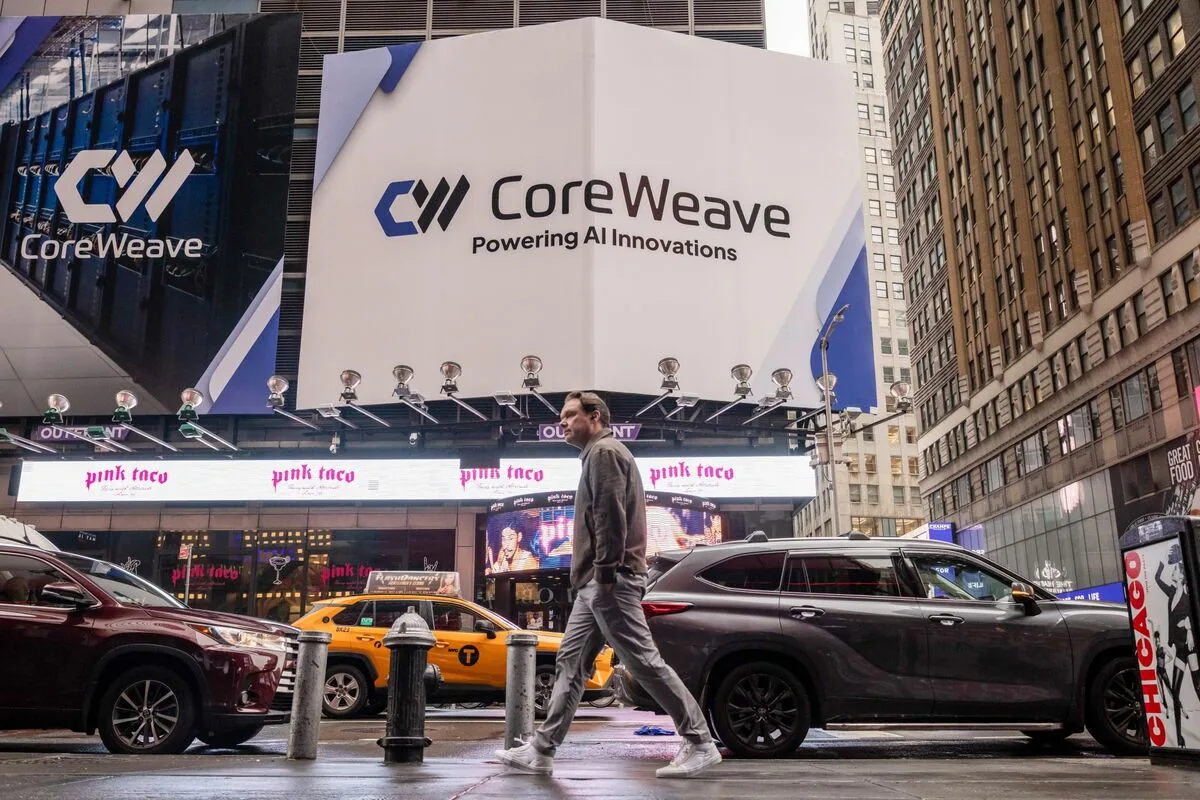
Texas had become the fastest-growing market for server sites in the United States, turning Texas data centers into ground zero for Big Tech AI expansion. Capital poured into the Lone Star State because land was accessible, power was cheap, and state leaders welcomed new projects without adding complex city reviews. But investor enthusiasm cooled when Talarico and Hinojosa turned grid reliability into a central campaign issue, warning that giant server halls threaten electric supplies for local families. The election outcome sent shockwaves through Wall Street on Wednesday, when CoreWeave saw its stock drop while its unsecured notes tumbled to record lows as reported by Katherine Schwartz for Bloomberg. Debt markets reacted swiftly to the ballot results, leaving developers anxious over financing costs [2].
Industry leaders had detected political friction before voters went to the polls. At a Virginia gathering for the DCD summit on Tuesday, tech executives recalled that building in the Lone Star State felt effortless until late summer. Abbott altered course in September as bipartisan distaste for power-hungry sites mounted, prompting his staff to ignore developer emails. On September 21, Abbott instructed state regulators to pause site permits. Panelists feared existing builds would slow down [1].
The Threat of a Statewide Moratorium
Governor-elect Hinojosa appears ready to translate campaign rhetoric into state policy once she takes office in Austin. Although she voted for tax breaks for tech campuses in 2023 to foster union building jobs, she shifted her position during the race and called for a complete building freeze on new projects. Her moratorium push aligns with broader political headwinds, as a Bloomberg analysis revealed that Democratic gubernatorial victories from Texas and Georgia to Ohio and Pennsylvania will expose 50% of planned AI hubs to heightened oversight [2]. Tech developers previously favored Texas to avoid tight utility rules on the West Coast, where California enacted data center energy rules to limit power consumption. But incoming Texas leaders now warn that unmanaged grid draws threaten residential energy security. State officials worry about rising utility costs for homeowners [1].
Private credit providers are reacting to the political standoff by re-evaluating loan commitments. Lenders are growing cautious about backing energy-heavy developments, worried that state permit freezes could stall projects before facilities draw current. Because data center building helps drive state economic growth, prolonged permit suspensions could harm related businesses in Texas. Project developers must now secure power approvals before banks release building capital. Capital requirements are tightening across the industry [1].


Rural Mega Projects in the Pipeline
The sheer size of server campuses currently rising in rural Texas makes any permit pause consequential for Big Tech. In Shackelford County, workers broke ground on the Stargate Frontier campus, a project designed to consume 1,820 megawatts upon completion as reported by James O’Donnell for MIT Technology Review. The Shackelford facility matches the capacity of SpaceX’s Colossus 2 in Tennessee (the largest operating data center in the United States) and draws more than double the power of any running Texas server site. Further east, the Nexus Hubbard development plans to draw 6,400 megawatts mostly to power models for Anthropic. The Hubbard site ranks as the second-largest server build in America, trailing only Meta’s Hyperion hub in Louisiana. Tech giants planned these sites for large-scale AI training [1].
If state agencies freeze approvals for Texas data centers, technology firms can’t easily shift multi-gigawatt workloads to adjacent territories. Rival electrical grids in neighboring southern states also face transmission backlogs and tight generation capacity. Meanwhile, tech firms have failed to persuade voters that AI tools will quickly lower consumer costs or cure diseases, depriving developers of voter support during policy disputes. Without community backing, power lines face lengthy permit challenges [1].
Voter Backlash Over Higher Utility Bills
Election returns outside Texas revealed that utility worries resonate widely with American voters. A network television exit poll showed that 56% of voters viewed artificial intelligence and data center power demands as a major factor in their vote. In more than 38 local jurisdictions, citizens approved ballot measures restricting server plants to shield household budgets from soaring utility charges as reported by The Washington Post. Massive campaign spending failed to protect pro-industry hopefuls from public anger. Tech executive Elon Musk spent about $446 million backing preferred candidates like Ken Paxton and Vivek Ramaswamy, setting an all-time record for a non-candidate, yet his favorites were defeated in several contests. Voters rejected candidate alliances with big server developers [2].
Local activist groups have mobilized against high-voltage projects. In multiple states, community opposition stalled data center projects after neighborhood associations raised alarms over heavy water consumption, substation noise, and local tax breaks, leading town boards to reject building permits. Drinking water supplies drew concern. Candidates like Sherrod Brown in Ohio also secured election wins after demanding stricter tech oversight. Ratepayer frustration united voters across traditional political divides [2].

Where Texas Data Centers Face County Pushback
Voting patterns show that local attitudes about Texas data centers do not match simple party boundaries. The counties where much of the building takes place are clustered around Dallas. While Dallas County voted blue, neighboring Ellis County (which leads the state in permit requests) backed Republicans Greg Abbott and Ken Paxton by wide margins. Cameron County along the southern border flipped to Democrats in the midterms, but Mitchell County and Scurry County in west Texas, where multiple server hubs are planned, supported Republican candidates strongly. Such county splits mean that voter resistance to massive energy projects cuts across geography, complicating attempts by Austin Democrats to impose statewide rules. County leaders often prize server tax dollars [1].
Executing a statewide building moratorium will test the political power of incoming Democrats because Texas divides utility authority among multiple civic bodies. Municipal councils, county commissioners, and state regulators share oversight over zoning, water hookups, and substation access. Local officials who welcome tech investment may resist state mandates. Furthermore, construction unions that supported Democratic campaigns could push back if project halts endanger building trade jobs. Balancing community tax revenue with state energy limits will dominate upcoming debates [1].
- ONLINE NEWS O’Donnell, J. (2026, November 4). Texas was the new epicenter of the AI data center buildout. That might be kaput. MIT Technology Review. [Article Link]
- ONLINE NEWS Schwartz, K. (2026, November 4). CoreWeave’s stock and unsecured bonds fall after sweeping Democratic midterm victories, as Texas Governor-elect Gina Hinojosa calls for a data center moratorium. Bloomberg via Techmeme. [Article Link]


